Easy Lunches for Picky Eaters: School and Weekend Ideas
 11 min read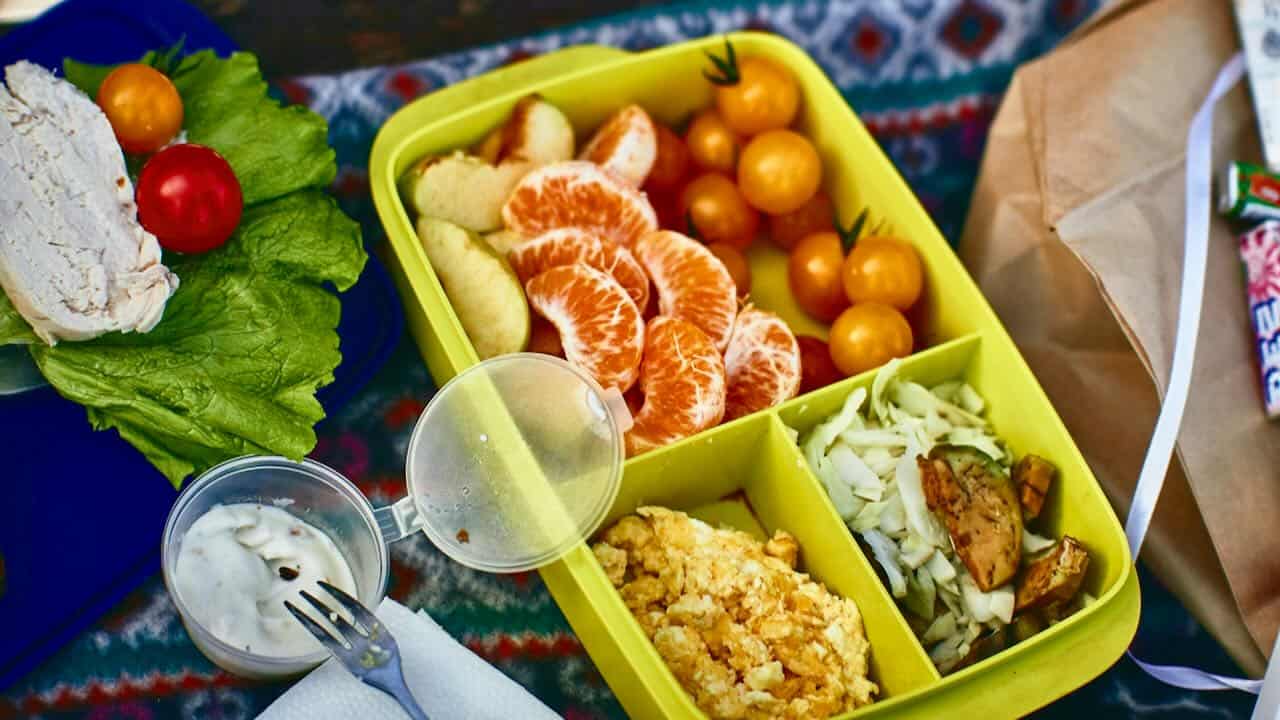
The packed lunch your picky eater refuses probably has too many choices in it. A lunchbox with six different items feels generous to the adult assembling it, but to a selective eater scanning the contents at lunch time, it reads as six separate decisions — and decisions are where refusal starts. Fewer compartments, filled with foods that already have a track record at home, consistently come back empty.
The trick is treating a lunchbox less like a sampler plate and more like a curated version of what already works at your own table.
Here we discuss school box strategies, thermos-worthy hot lunches, weekend approaches that quietly expand food choices, and the packing details — from ice packs to insulated lunch bags — that keep everything safe between morning and noon.
At a Glance
- Picky eaters respond better to lunchboxes with fewer, familiar items than to variety-heavy spreads.
- Assembly-style packing gives children a sense of control that reduces mealtime resistance.
- Hard-boiled eggs, cheese cubes, and sunflower seed butter on whole wheat bread cover protein without complicated prep.
- An insulated thermos turns chicken noodle soup and pasta into hot lunch options that travel well.
- Weekend lunches at home are the lowest-pressure time to place one new food alongside established favorites.
What Are Lunches for Picky Eaters?
Lunches for picky eaters are meals designed around a selective eater’s established preferences — structured to be accepted, eaten, and finished rather than picked through or thrown away. For parents and hosts, the challenge goes beyond recipes: it includes packing logistics, temperature control, and understanding that a lunch sent to school or served on a Saturday carries no adult supervision to negotiate bites. A picky-eater lunch strategy works when it prioritizes food that has already passed the acceptance test at home, then packages it in a format that’s portable, safe, and unintimidating.
Why the Lunchbox Is Hosting, Scaled Down
A dinner party host spends hours matching dishes to their guest list, accounting for preferences, building a menu that feels intentional. A parent packing a lunchbox on a busy morning is doing the same work under tighter constraints — no stove at the table, no chance to explain what’s in the container, and an audience of one who will either eat it or bring it home untouched.
That reframe changes how you approach the task. Picky eating isn’t a discipline problem or a phase to power through at lunch time — it’s a design problem. The foods you choose need to travel well, stay safe at room temperature or inside insulated lunch bags with ice packs, and land in front of your child looking exactly the way they expect.
The same preparation instincts behind throwing a successful dinner party with the right kitchen setup apply here on a smaller scale — knowing your audience, staging the work in advance, and building a menu around acceptance rather than ambition.
The parallels between hosting and lunchbox packing are sharper than they first appear:
- Audience awareness: You’re building a meal for someone whose preferences you already know — or should. Guessing leads to waste.
- Presentation matters more than ingredients: A cheese sandwich cut into fun shapes with cookie cutters gets eaten more often than the same sandwich served as a plain rectangle. The food is identical; the signal is different.
- Temperature is a trust issue: A lukewarm yogurt or a soggy wrap tells a picky eater the lunch isn’t reliable. Proper ice packs and a water bottle packed separately protect that trust.
Weelicious’s school lunch resource approaches the problem from a similar angle — start with proven foods, then layer in small changes over weeks rather than days. The thinking mirrors what goes into planning brunch ideas that impress a crowd — you’re still building around flavors people trust.
Meal planning for lunches works on the same logic as meal planning for a gathering: know your eater, know your constraints, and don’t introduce surprises without a safety net of familiar items sitting right next to them.
That foundation — treating the lunchbox as a hosted meal rather than a convenience task — shapes every strategy in the sections ahead. For more on building meals around your audience, browse TGH’s full Plan the Meal collection.
|
Plan Every Lunchbox Like a Pro |
Assembly-Style Lunchboxes That Give Kids a Sense of Control
The single most effective lunchbox format for picky eaters isn’t a sandwich. It’s a collection of small, separate components arranged so the child decides what to eat first, how much of each item to finish, and which compartment to skip entirely.
This assembly-style approach works because it removes the one thing that triggers refusal fastest in selective eaters: the feeling of being told what to eat. A muffin tin filled with five or six small portions — cheese cubes, apple slices, a few crackers, some chicken nuggets, a scoop of cream cheese for dipping — turns the lunchbox into a choose-your-own format.
The child’s lunchbox becomes a low-pressure buffet rather than a fixed plate.
The strategy applies to standard lunchbox containers just as well, and these easy lunch ideas are ones picky eaters finish consistently:
- Two proteins, one starch, one fruit: Hard-boiled eggs alongside a few strips of tender chicken, a whole wheat tortilla rolled with peanut butter, and cherry tomatoes or apple slices give a balanced meal without anything touching anything else.
- Dips in separate containers: A small tub of cream cheese or sunflower seed butter next to veggie sticks and crackers lets the child control flavor intensity.
- No surprises below the surface: If a sandwich has something unexpected inside, a picky eater will eat half a bite and stop. What they see should be what they get.
BBC Good Food’s lunchbox recipe collection leans heavily into this component model, and Taste of Home’s kids lunch roundup shows how a muffin tin or bento-style container makes assembly packing faster on busy mornings. Don’t forget the drink.
A water bottle packed alongside the lunchbox — or a small portion of a kid-friendly drink — rounds out the assembly format without adding complexity.
The assembly format also gives you a diagnostic tool: whichever compartment comes back full tells you what to replace next week, and whichever one comes back empty tells you what to double.
Proteins That Pack Well and Picky Eaters Actually Eat
Protein is where most lunchbox plans fall apart for selective eaters. The standards — deli turkey, grilled chicken breast sliced thin — are fine in theory, but they cool down, dry out, and change texture between morning prep and lunch time. A picky eater who loved that chicken at dinner will reject the same chicken six hours later because it feels different in their mouth.
The proteins that survive a lunchbox are the ones built to taste good at room temperature or slightly chilled:
- Hard-boiled eggs: Consistent texture whether warm or cold, easy to prep in a batch on Sunday night. Inspired Taste’s hard-boiled egg guide covers the timing for a firm, non-rubbery yolk that picky eaters tend to accept.
- Peanut butter on whole wheat bread or English muffins: Shelf-stable, familiar, and satisfying. For nut-free classrooms, sunflower seed butter or almond butter fill the same role.
- Cheese cubes or string cheese: Predictable flavor, easy to eat without utensils, and they hold up for hours with a decent ice pack.
- Chicken nuggets served cold: Homemade or store-bought, chicken nuggets that were popular at dinner transition to lunchboxes well. Many picky eaters actually prefer them at room temperature.
Pairing protein with a familiar starch — a cheese sandwich on whole wheat bread, peanut butter on a whole wheat tortilla, or chicken breast strips alongside crackers — makes the protein feel like part of a safe food combination rather than a standalone item.
The USDA Dietary Guidelines reinforce that a nutritious lunch for children doesn’t require exotic ingredients — it requires consistent access to protein, whole grains, and produce in forms kids will actually eat.
Packing two protein options instead of one is a small insurance policy: if the eggs get refused, the peanut butter is still there.
|
Pack Two Proteins, Expect One to Win |
Hot Lunches Worth the Thermos Effort
A hot lunch changes the equation for picky eaters who reject cold sandwiches and room-temperature wraps. The insulated thermos is the single most useful piece of lunchbox equipment for a selective eater, but it only works if you match the food to the container’s limitations.
Having the right small kitchen appliances simplifies morning prep — a reliable electric kettle preheats the thermos while you fill it. TGH’s Tools and Techniques library covers the rest of the equipment that makes hosting and meal prep easier.
The rules are straightforward: preheat the thermos with boiling water for five minutes before filling, choose foods that tolerate sitting for three to four hours without turning to paste, and stick to dishes your child already eats at dinner.
- Chicken noodle soup: The top hot lunch choice for a reason — familiar, warm, and easy to eat with a spoon. Allrecipes’ quick chicken noodle soup produces a batch large enough for dinner plus two days of thermos lunches.
- Pasta salads served warm: Rotini or penne tossed in butter and parmesan travels well in a thermos, and Love and Lemons’ pasta salad approach can be adapted warm by simplifying the dressing to olive oil and a mild seasoning.
- Leftover soup or stew from a big batch: Whatever worked at the dinner table the night before works again in a thermos. Tomato soup with a side of crackers in the lunchbox is a classic for a reason.
A hot lunch also signals variety of foods without requiring new foods — the same pasta your child eats at dinner, repackaged in a thermos, feels like a different meal because the context changed. That shift in perception is often enough to break a lunchbox rut.
Weekend is a good time to test a new thermos lunch before it goes to school: serve it at the table in the thermos itself, let the child open it, and note whether they eat it. If it passes the Saturday test, it’s safe for Monday.
|
️ Track What Comes Back Empty |
How Weekend Lunches Build the Bridge to New Foods
School lunches need to be safe — built entirely from foods your child already accepts, packed for reliability, designed to come back empty. Weekend lunches at home carry none of those constraints, which makes them the best testing ground for expanding a picky eater’s range.
The approach is low-stakes and repeatable:
- Anchor with a proven favorite: Start with the food your child always finishes — a cheese sandwich, pasta salads with butter, or chicken nuggets. That item is the safety net.
- Add one new item on the side: A few cherry tomatoes, a scoop of cottage cheese, or veggie sticks with a familiar dip. Place it next to the safe food, not as a replacement.
- No commentary, no pressure: The new food is on the plate. It might get eaten, ignored, or pushed aside. All three outcomes are data, not failures.
This strategy works because weekend lunch time at home removes every variable that makes school lunches high-pressure: there’s no time limit, no audience of classmates, and a parent nearby who isn’t negotiating but is simply present.
Taste of Home’s healthy snacks collection offers healthy lunches inspiration that doubles as low-risk weekend additions — cottage cheese dips, apple slices with almond butter, or English muffins with cream cheese.
A weekend table set with easy brunch recipes already does this naturally — familiar, relaxed, and built for a crowd that includes at least one selective eater. In our experience hosting family meals with mixed-age guests, the children who accept new things quickest are the ones who’ve seen those foods repeatedly in low-pressure settings before anyone asked them to try a bite.
The lunchboxes you pack on Monday will always reflect what worked on Saturday. Build the test kitchen at home, and the school box fills itself.
Frequently Asked Questions
Start with foods your child already eats at dinner — cheese sandwiches, pasta, chicken nuggets, or peanut butter on whole wheat bread. Pack them in a lunchbox with consistent presentation and a familiar dip like cream cheese or sunflower seed butter. The best school lunch ideas for picky eaters are built from proven home favorites, not new experiments.
Focus on two proteins (hard-boiled eggs and cheese cubes are reliable), one starch they accept, and one fruit or vegetable they already eat. Keep items separated so nothing touches, and include ice packs to maintain temperature. A child’s lunchbox packed with familiar lunch items comes back empty far more often than one packed with variety for variety’s sake.
Assembly-style lunchboxes work best: fill a bento box or muffin tin with small portions of five or six accepted foods and let the child choose the order. A whole wheat tortilla with peanut butter, apple slices, cheese cubes, and a few crackers is a balanced meal that requires almost zero cooking on busy mornings.
Aim for one protein, one whole grain, one fruit or vegetable, and one small treat or familiar comfort item. Hard-boiled eggs, whole wheat bread with almond butter, cherry tomatoes, and a few crackers cover all four groups. A balanced meal doesn’t require exotic ingredients — it requires consistent access to foods the child already accepts.
Chicken noodle soup, buttered pasta, and leftover stew are the three most reliable thermos lunches for selective eaters. Preheat the insulated thermos with boiling water for five minutes before filling to keep the food above a safe temperature through lunch time. A hot lunch often gets eaten when the same food served cold would be refused.
Rotate presentation instead of ingredients: cut the same cheese sandwich into fun shapes with cookie cutters one week, serve it as roll-ups the next, and pack it as cubes with toothpicks the week after. Change the container, the arrangement, and the dipping sauce — not the food. Picky eaters respond to novelty of format more readily than novelty of flavor.
Continue Reading:
More On Picky Eaters
- Common Dietary Restrictions: A Host’s Guide to Every Guest
- Dinner Recipes for Picky Eaters: Easy Crowd-Pleasing Mains
- Easy Food for Picky Eaters: Simple Recipes They’ll Eat
- Healthy Recipes for Picky Eaters That Actually Taste Good
- Meal Ideas for Picky Eaters the Whole Family Loves
More from The Gourmet Host
- Easy Brunch Recipes for Every Home Cook
- Party Brunch Ideas That Impress Any Crowd
- Drinks for Kids: Fun and Healthy Options for Every Gathering
- How To Throw a Successful Dinner Party: Kitchen Set-up Tips
- Small Kitchen Appliances Every Home Chef Needs in 2026
Explore TGH Categories