How to Season Food So Every Dish Tastes Like You Meant It
 15 min read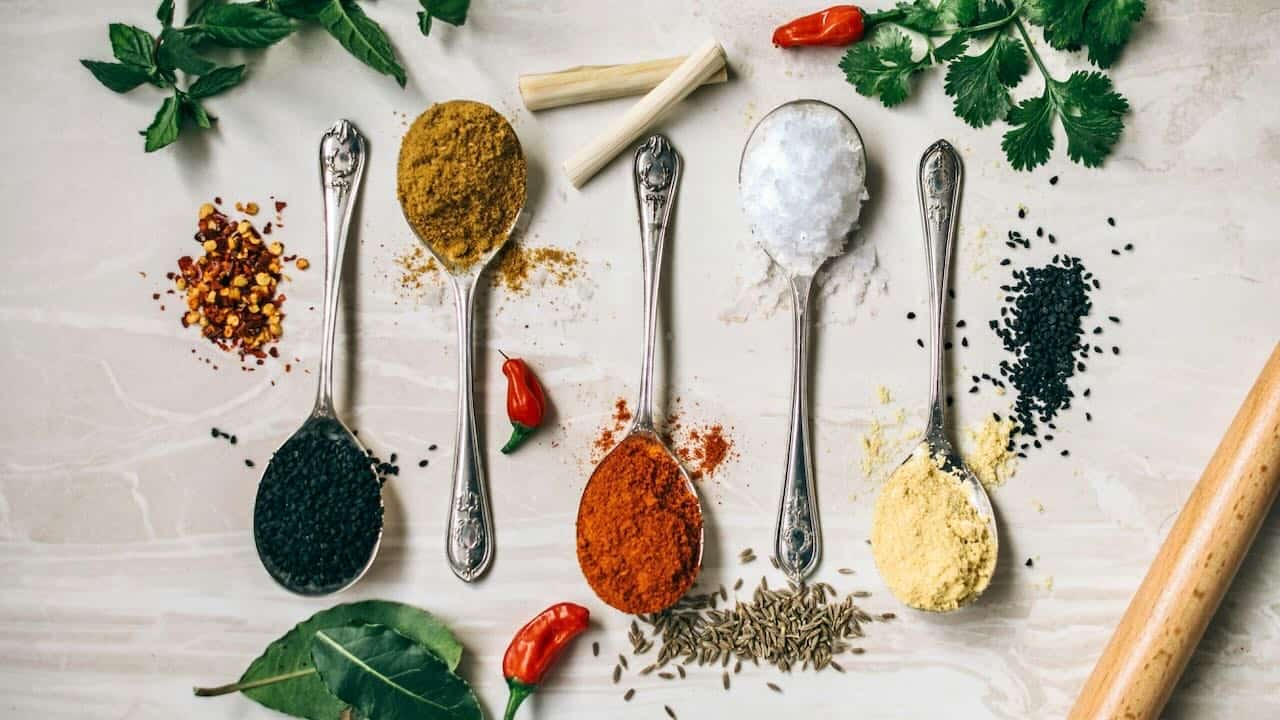
Nobody remembers a perfectly timed roast. They remember the dish that made them put down their fork and ask what you did differently.
There’s a question we’ve often heard from hosts: “Why doesn’t my food taste like restaurant food?” The answer, almost every time, is seasoning — not more of it, but seasoning applied with intention rather than instinct.
Here we break that down into the specific decisions that matter during a dinner party: which salt to reach for and when, how to layer flavor so it builds instead of flattens, and what to do when a dish tips too salty, too flat, or too sharp — all under the real pressure of guests arriving in an hour.
At a Glance
- Different salts dissolve and distribute flavor at different rates and choosing the right one for each stage of cooking changes the final result.
- Seasoning in layers — fat, acid, heat, finish — builds depth that a single end-of-cooking adjustment cannot replicate.
- Toasting whole spices in a dry pan for sixty seconds before grinding releases aromatic oils that ground spices from a jar have already lost.
- A squeeze of lemon juice or a splash of soy sauce in the last two minutes can rescue a dish that tastes flat without adding more salt.
- Hosting for mixed palates works best when you season the base to about 80 percent and set out finishing options — flaky salt, chili flakes, fresh herbs — at the table.
What Is Seasoning Food?
Seasoning food is the deliberate process of adding salt, acid, spice, and aromatic elements at specific points during cooking so that every bite carries balanced, intentional flavor. For home cooks who host, good seasoning is the invisible skill that separates a meal guests politely eat from one they remember weeks later — it determines whether a roast chicken tastes like the recipe promised or like something only half-finished. Unlike following a recipe’s “salt to taste” instruction, learning how to season food means understanding why you add kosher salt to pasta water at a rolling boil but finish a salad with flaky sea salt just before serving.
Why Does My Food Taste Bland? The Three Seasoning Gaps Most Hosts Miss
Your chicken is cooked through, the vegetables are roasted golden, and the table looks beautiful — but the first bite lands flat. That gap between effort and flavor almost always traces back to one of three seasoning mistakes that home cooks repeat without realizing it. These seasoning tips apply whether you’re cooking for two or twelve in your daily cooking routine.
The timing gap is the most common. Adding salt only at the end of cooking means the seasoning sits on the surface rather than penetrating the food. A steak salted sixty minutes before it hits the pan tastes fundamentally different from one salted at the table — the salt has time to dissolve into the meat’s surface moisture, get reabsorbed, and season the protein from within.
The Kitchn’s guide to salt and seasoning describes this as the difference between seasoning that coats and seasoning that integrates.
Knowing the right time to add each seasoning — and which aromatics need heat to bloom versus those that wilt under it — is the foundation of good seasoning. Fresh herbs like basil lose their flavor when cooked too long, while a dried herb needs enough time in the pan to rehydrate and release its oils.
- Under-salting early: Pasta water should taste like the sea before the noodles go in. Bland pasta water produces bland pasta dish after pasta dish, regardless of the sauce.
- Skipping the bloom: Spices added to a cold pan never release their full aroma. Thirty seconds in warm olive oil activates volatile compounds that dry sprinkling misses entirely.
- Ignoring acid: A dish can be perfectly salted and still taste flat. A squeeze of lemon juice or a splash of vinegar at the end of cooking brightens every other flavor already present.
The proportion gap shows up when hosts follow a recipe written for four but serve eight. Doubling a recipe doesn’t mean doubling the salt — aromatics and spices often need a 1.5x increase because the surface-to-volume ratio of a larger batch changes how flavor concentrates.
Napoleon’s guide to seasoning with herbs and spices confirms that scaling aromatics requires tasting at each stage rather than multiplying blindly.
The single-note gap is subtler. A dish seasoned with nothing but salt and black pepper can taste adequate, but it won’t have the depth that makes guests pause mid-bite. Depth comes from layering — salt for baseline, fat for richness, acid for brightness, and umami flavors for that savory fullness that ties everything together. Seasoning has the most impact when it works across multiple dimensions at once.
Seasoning is just one piece of the larger cooking skill set that makes hosting feel effortless. For a complete foundation, our guide to Different Methods & Techniques For Cooking Like a Chef covers how each cooking method — from braising to searing — interacts with seasoning differently. You’ll also find more technique breakdowns in our Tools & Techniques collection.
The next time a dish tastes “fine but not great,” run through these three checks before reaching for the salt shaker again — the fix is usually acid or timing, not more sodium.
|
🍽️ Season Every Dish with Confidence |
Salt Types and When Each One Earns Its Place
Not all salt behaves the same way in a recipe, and reaching for the wrong one at the wrong moment is one of the fastest ways to over- or under-season a dish. Understanding the differences between three common salts gives you more control than any single “season to taste” instruction ever will.
Kosher salt is the workhorse of a host’s kitchen. Its larger, flatter crystals dissolve more slowly than table salt, which makes it easier to pinch, distribute evenly, and control. Most professional chefs reach for kosher salt during cooking because the crystal size lets you feel how much you’re adding — a crucial advantage when you’re seasoning a pot of soup for eight and need the right amount every time.
Escoffier’s guide to the art of seasoning reinforces that kosher salt’s texture gives cooks more tactile feedback than finer-grained alternatives.
Table salt has a finer grind and often contains iodine, which can leave a faintly metallic aftertaste in large quantities. It dissolves almost instantly — useful for baking where even distribution matters, but risky for stovetop cooking because a single heavy-handed pinch can push a dish past the point of rescue. Table salt or fine sea salt also works well mixed into a salad dressing, where instant dissolving prevents gritty bites.
- For pasta water: Kosher salt, measured by the handful. The larger grains of coarse salt dissolve quickly in a rolling boil and season the noodles as they cook.
- For finishing: Sea salt or flaky salt (like Maldon). The irregular crystals add a crunch and burst of salinity right at the surface, where your taste buds notice it first.
- For baking: Fine salt or table salt. Even distribution through flour prevents pockets of over-seasoned dough.
Sea salt ranges from fine grains to large, pyramid-shaped flakes depending on the brand. The coarser varieties work best as a finishing salt — sprinkled on a seared steak, scattered over roasted vegetables, or pressed into the top of focaccia just before it enters the oven.
Cold foods like gazpacho and chilled salads also benefit from a pinch of flaky sea salt at the last minute, since there’s no cooking heat to dissolve the crystals and they hold their cold temperature crunch.
The FDA’s sodium guidance notes that the body processes all salt identically regardless of source — the real distinction is how each type behaves during cooking.
Your spice cabinet should have at least two types of salt: a large-crystal kosher salt for cooking and a finishing salt for the table. Professional chefs who work large dinner services often keep a third — fine salt for baking and dressings — because precision in different ways of applying salt matters as much as the salt itself.
Once you’ve matched the right salt to each stage, the next step is pairing those seasoning choices with advanced cooking techniques that deepen your flavor control.
Knowing which salt belongs at which stage means you stop guessing and start building flavor with the same precision professional chefs rely on every service.
Layering Flavor from First Sizzle to Final Plate
Seasoning isn’t a single moment — it’s a sequence. The hosts whose food consistently tastes better than the recipe suggests aren’t using secret ingredients; they’re adding layers of flavor at four distinct stages so each layer reinforces the last. In our experience hosting dinners where guests consistently reach for seconds, this layering approach is what separates a good dish from one that earns an audible “wow” at the table.
Stage 1 — Fat and aromatics. Before any protein or vegetable enters the pan, warm your olive oil over medium-low heat and add aromatics: minced garlic cloves, sliced shallots, or a pinch of chili powder. The fat carries those natural flavors into everything that cooks in the pan afterward. Sixty seconds is usually enough — you want fragrance, not color.
Stage 2 — Salt during cooking. Add kosher salt once your main ingredients are in the pan and have started releasing moisture. Salting at this stage gives the seasoning time to penetrate rather than just coat. For a chicken marinade, season the meat’s surface at least forty-five minutes before cooking begins so the salt draws moisture out, dissolves, and gets reabsorbed — a process that transforms bland poultry into something guests notice.
We’ve found that salting in stages — rather than all at the end of the cooking process — distributes the flavor of your dish more evenly and often means you use less sodium overall. For home cooks preparing food for guests with varying sodium intake concerns, this staged approach offers both maximum flavor and a more thoughtful result.
Stage 3 — Umami and depth. Midway through cooking, introduce a flavor enhancer that adds savory depth without extra salt. A spoonful of soy sauce stirred into a tomato sauce, a dash of Worcestershire sauce in a braise, or a ladle of reserved pasta water folded back into the dish all serve this purpose. NPR’s breakdown of umami explains that these ingredients activate the same taste receptors as salt but add a savory fullness that salt alone cannot produce.
Stage 4 — Acid and fresh finish. In the last two minutes, add brightness. A squeeze of lemon or a splash of lime juice cuts through richness and makes every other flavor more distinct. This is also the moment to incorporate herbs — tear fresh basil, chop fresh parsley, or grind whole peppercorns directly over the plate. Give your herbs time to release their aroma on the warm surface without wilting under high heat. The Spice Way’s seasoning guide notes that fresh herbs added at the end of cooking retain their volatile oils, which heat would otherwise destroy.
This layering principle applies whether you’re building a slow braise or finishing a dish with a dramatic tableside flambé — the sequence stays the same even when the technique changes. You’ll find more meal-level strategies in our Plan the Meal guides.
Follow this four-stage sequence the next time you’re cooking for a group and notice how the flavor builds rather than appears all at once — that’s the difference your guests will taste.
|
📨 Your Guests Will Notice the Difference |
Spice Blends You Can Build in Five Minutes
Store-bought spice blends are convenient, but they often contain fillers, anti-caking agents, and ground spices that have been sitting on a shelf for months. Building your own takes five minutes and delivers a more flavorful spice that you can tailor to exactly what your guests enjoy — so much flavor from so little effort.
Start with whole spices whenever possible. Whole peppercorns, cumin seeds, and coriander seeds hold their aromatic oils until you crack them open, which means a blend you make on the day of your dinner party will taste sharper and more alive than anything from a spice cabinet that’s been open for six months.
Toast them in a dry pan over moderate heat for about sixty seconds — until you can smell them from across the kitchen — then grind with a mortar and pestle or a dedicated spice grinder.
Here are three hosting-ready blends you can make this week:
- All-purpose savory blend: Equal parts ground cumin, smoked paprika, garlic powder, curry powder, and black pepper. Add a pinch of salt. Works on roasted vegetables, grilled chicken, and savory dishes that need warmth without heat.
- Bright herb finish: Combine dried oregano, dried thyme, lemon zest, and a pinch of regular red pepper flakes for gentle warmth. Scatter over pasta dishes, grain bowls, or any plate that needs a fresh, aromatic element where the flavors shine.
- Warm spice rub: Mix ground cardamom, cinnamon, a touch of brown sugar, and fine salt. Press onto your favorite meat’s surface before roasting pork or lamb — the mild sweetness and spicy kick create a crust your guests will ask about.
The best approach to building spice blends at home is to start with a base ratio and adjust after each use rather than aim for perfection on the first attempt. Keep a notebook in the kitchen and jot down what worked — after three or four dinners, you’ll have a personal formula.
The Scarlati Family Kitchen’s seasoning guide adds that matching your dried herb choices to the cuisine keeps your flavors coherent rather than scattered — oregano for Mediterranean, ground cardamom for North African.
Store your custom blends in small airtight containers away from direct light and heat. A spice blend stored in a cool, dark place holds its potency for up to three months — long enough to carry you through several dinner parties. Label each jar with the blend name and the date you made it, and you will always know when to refresh your stock.
A well-seasoned dish also deserves a well-presented plate. Our guide to finishing touches that impress guests pairs naturally with these blends.
A spice blend made with intention tells your guests something about the meal before they even taste it — it tells them you cared enough to get the details right.
|
Season the Base to 80 Percent and Let Guests Finish the Last 20 |
How to Rescue a Dish When Seasoning Goes Sideways
Even experienced hosts over-salt a sauce or add too much chili powder to a pot that’s already simmering. The difference between a ruined dish and a recovered one is knowing which correction to apply — and acting before the flavors set.
Too much salt is the most common seasoning emergency, and despite what your grandmother may have told you, dropping a raw potato into the pot doesn’t reliably absorb excess sodium. What does work is dilution and balance. Add unsalted stock, a splash of cream, or a ladle of plain pasta water to bring the sodium intake per serving back to a normal amount of salt. If dilution isn’t practical — a stir-fry, for instance, doesn’t have liquid to spare — add a squeeze of lemon juice or a drizzle of honey. Acid and mild sweetness both redirect your palate’s attention away from the salt without creating an overpowering spice note.
Cole and Mason’s guide to mastering seasoning recommends tasting after each correction and waiting thirty seconds before adding more, because salt perception shifts as food cools.
- Too much heat: Stir in a spoonful of yogurt, coconut milk, or a touch of brown sugar. Fat and sweetness temper capsaicin more effectively than water.
- Too much acid: Balance with fat (a knob of butter) or sweetness (a pinch of sugar). Avoid adding more salt — it amplifies sourness.
- Flat despite correct salt levels: Reach for an umami source. A teaspoon of soy sauce, a grating of parmesan, or a few drops of Worcestershire sauce adds savory depth without more sodium.
During a dinner for twelve, a colleague accidentally doubled the chili powder in a lamb tagine. Rather than starting over — impossible with guests arriving in twenty minutes — we added a cup of plain yogurt and a handful of fresh parsley, which brought the heat back into balance without dulling the other spice blends in the dish.
There’s a useful principle for cooking under pressure: fix the balance, not the ingredient. If a dish tastes too salty, don’t try to remove the salt — add something that makes the salt work harder alongside other flavors.
Rescue skills matter most when the dish is high-stakes — a centerpiece main course your guests are expecting doesn’t get a second chance.
The ability to recover a dish mid-service is the seasoning skill that separates a confident host from a panicked one. No dinner party is defined by the moment something goes wrong — it’s defined by whether your guests ever noticed.
Frequently Asked Questions
Season in layers rather than all at once. Start with salt and fat when aromatics hit the pan, add depth with umami sources like soy sauce or Worcestershire sauce midway through, and finish with acid — a squeeze of lemon juice or a splash of vinegar — in the last two minutes. Tasting at each stage matters more than any fixed measurement.
Add salt early and continue adjusting throughout the process. Salting pasta water before the noodles go in, seasoning the meat’s surface forty-five minutes ahead of cooking, and finishing with flaky sea salt at the table each serve a different purpose. Early salt penetrates; late salt provides texture and brightness.
Kosher salt has larger, flatter crystals that dissolve more slowly and are easier to pinch and distribute evenly. Table salt is finer, dissolves instantly, and often contains iodine, which can leave a slight metallic taste in large amounts. Most professional chefs prefer kosher salt for stovetop cooking because of the control it offers.
Add an unsalted liquid — stock, cream, or pasta water — to dilute the concentration. If the dish can’t absorb more liquid, balance the salt with acid (lemon juice, vinegar) or a touch of sweetness (honey, brown sugar). Taste after each addition and wait thirty seconds before correcting further, because salt perception shifts as food cools.
Yes, especially whole spices like cumin seeds, coriander, and whole peppercorns. Toasting in a dry pan over moderate heat for about sixty seconds releases aromatic oils that pre-ground spices from a jar have already lost. The difference is immediately noticeable — toasted spices smell richer and deliver a more flavorful result in the finished dish.
Season your base dish to about 80 percent of your personal preference, then offer finishing options at the table: flaky salt, Aleppo pepper flakes, fresh herbs, a good olive oil, and a wedge of lemon. This lets each guest customize their plate, and it avoids the risk of one person’s perfect seasoning being another’s overpowering spice.
Continue Reading:
More On Kitchen Cooking Skills
- Kitchen Hacks for Cooking That Make Every Meal Easier
- Kitchen Cooking Tools Every Host Needs for Confident Meals
- Basic Knife Skills That Make You a Faster, Safer Cook
More from The Gourmet Host
- Different Methods & Techniques For Cooking Like a Chef
- 4 Advanced Methods & Techniques For Creative Home Cooking
- How to Flambé at Home: A Host’s Guide to Safe Flames
- Easy Food Garnishing Techniques for Stunning Art
- Main Course Ideas That Wow Dinner Party Guests
Explore TGH Categories