How to Host an Afternoon Tea Party in 7 Easy Steps
 15 min read
Hosting an afternoon tea party is far less about baking than most first-timers expect, and far more about the run of show: who arrives when, what is already done, and how calm you are when you lift the teapot. The food is the easy part. The hosting is the skill, and it is the part a recipe roundup can never hand you.
Treat the afternoon as a sequence of seven decisions, made in order, and the whole event clicks into place: the date and guest list, the three-tier menu, the tea, the table, the timing, the pour, and the graceful close. Make those seven decisions well and you spend the afternoon with your guests instead of in the kitchen. That is the promise of the next seven steps.
At a Glance
- An afternoon tea party is a light mid-afternoon gathering, served roughly 2 to 4 p.m., built around a three-tier menu of finger sandwiches, scones, and small sweets, poured alongside one or two teas.
- Seven steps carry the whole event: set the date and guest count, build the three-tier menu, choose and brew the tea, set the table, time the prep, host the pour, and send guests off well.
- Four to eight guests is the sweet spot for a home host, and a 2:30 or 3 p.m. start gives a relaxed 90-minute to two-hour window.
- Plan three to four sandwich halves, one to two scones, and two to three sweets per guest, which mirrors the classic three-tier stand with a small surplus.
- Most of the work is done before anyone arrives: bake and prep a day ahead, assemble sandwiches the morning of, and keep only the pour and the chat for the afternoon itself.
What Is an Afternoon Tea Party?
An afternoon tea party is a hosted mid-afternoon gathering where guests sit down to a three-tier spread of finger sandwiches, warm scones, and small sweets, served with a pot or two of tea. For a home host, the real work is not the baking but the sequencing: deciding the menu, brewing the tea, setting the table, and pacing the courses so the afternoon feels relaxed rather than rushed. Unlike a casual coffee catch-up, an afternoon tea party has a deliberate run of show, a sense of occasion, and a host whose job is to pour, refill, and keep the conversation moving rather than to cook.
Inside the Afternoon Tea Party Tradition
Before you plan a single sandwich, it helps to know what you are actually throwing. An afternoon tea party is the light, social, mid-afternoon ritual that bridges lunch and dinner. It is not a full meal, not a buffet, and not the heartier evening event some menus label “high tea.” Getting that framing right keeps the whole afternoon in proportion.
The tradition dates to the 1840s, when Anna, the Duchess of Bedford, asked for tea and a light bite to carry her through the long gap before a late dinner. The custom spread through fashionable drawing rooms and became the gentle, conversational occasion it still is. That history is worth a glance because it explains the format: small portions, an unhurried pace, and the host pouring for everyone.
- It is light, not a meal: small sandwiches, a scone, and a few sweets, sized so guests leave content but not stuffed before dinner.
- It is social, not staged: the point is unhurried conversation over a slow pot of tea, which is why the host’s calm matters more than any flourish.
- It is seated, not roaming: guests gather at one table, so the table setting and the pour become the spine of the event.
For a clear definition of the format itself, the specialist directory AfternoonTea.co.uk explains what afternoon tea is, and Historic UK sets out the cultural tradition behind it. For the origin story in full, the heritage tea house Twinings traces the history of afternoon tea, and Destination Tea tells the same origin story in more detail. With the occasion clearly defined, the first real decision is when to hold it and who to invite.
Pick the Date, Time, and Guest Count
Step one is the scaffolding every other decision hangs on. Afternoon tea is traditionally served between 2 and 4 p.m., so a 2:30 or 3 p.m. start gives guests a relaxed window and leaves your evening free. Settle the time, the headcount, and the date first, because they set the menu quantities, the table size, and how much you can prep ahead.
The right headcount for a home host
Four to eight guests is the comfortable range for a table at home. Fewer than four can feel thin for a tiered spread; more than eight strains a single teapot and a home oven. At six guests you can brew one pot, plate one three-tier stand, and still pour for everyone without leaving your seat for long.
Timing the invitation
- Send invitations 2 to 3 weeks ahead, noting the 2 to 4 p.m. window so guests know it is a light afternoon, not dinner.
- Ask about dietary needs up front, since sandwiches and scones are easy to adapt when you know early.
- Set a soft end time, roughly 90 minutes to two hours, so the afternoon has a natural shape.
A clear invitation does quiet hosting work long before the day arrives, the same way a warm welcome sets the tone in any gathering. TGH’s guide to modern hosting etiquette that makes guests feel welcome covers the small courtesies that carry over to a tea table. With the when and the who fixed, the menu can take shape around the headcount.
|
Lock The Date And Headcount |
Build the Three-Tier Menu of Sandwiches, Scones, and Sweets
Step two is the menu, and the classic three-tier structure does the planning for you. The bottom tier holds savoury finger sandwiches, the middle tier warm scones with jam and clotted cream, and the top tier small sweets. Build in that order, savoury to sweet, because that is also the order guests eat in.
The three tiers, bottom to top
- Savoury tier: finger sandwiches. Cucumber is the signature, joined by egg and cress, smoked salmon, and a meat option like ham or coronation chicken. Crustless, cut into neat fingers, and kept soft under a damp cloth.
- Middle tier: scones. Small, tall, plain or fruit, served warm with strawberry jam and clotted cream. One to two per guest, with both jam and cream set out so everyone builds their own.
- Top tier: sweets. Small and varied, such as Victoria sponge slices, lemon tarts, macarons, and shortbread. Two to three bite-sized pieces per guest keeps the tier generous without waste.
How much to make per guest
- Sandwiches: three to four halves, or six to eight fingers, per guest, across two or three fillings for variety.
- Scones: one to two per guest, baked small so they rise tall and split neatly for cream and jam.
- Sweets: two to three per guest, mixing fruit, chocolate, and a buttery biscuit so the top tier has range.
You do not have to bake everything. Great British Chefs’ afternoon tea recipe collection is a chef-tested source for any tier you do want to make from scratch, and the rest can be bought without apology. The fillings and the scone method each deserve their own attention, which is why the sibling guides below go deeper on both.
Once the food is settled, the tea is the next decision, and it is more than an afterthought.
Choose and Brew the Tea Properly
Step three is the tea itself, the one element that gives the party its name and the one most hosts rush. Offer one robust black blend such as English Breakfast or Assam and one lighter option like Earl Grey or a caffeine-free infusion, so every guest has a cup they want. Two well-chosen teas cover a table of six to eight without crowding it.
Brewing well is mostly about water temperature and time. Black tea wants water just off the boil and a steep of three to five minutes; green and white teas want cooler water, around 75 to 85 degrees Celsius, and a shorter steep so they do not turn bitter. Warm the pot first, measure roughly one teaspoon of loose leaf per cup plus one for the pot, and time the steep rather than guessing.
- Black blends: boiling water, 3 to 5 minutes, served with milk and sugar on the side and lemon for those who skip the milk.
- Lighter and herbal: cooler water and a shorter steep, poured for guests who want less caffeine in the late afternoon.
- The pour order: tea first, then milk to taste, so each guest controls the strength of their own cup.
For the mechanics of a proper pot, Arbor Teas explains how to brew loose leaf tea, while Stash Tea lays out brewing temperatures and steep times by type. If a few guests prefer coffee, TGH’s primer on the world of coffee for guests who skip tea is a graceful backup to have ready. With the tea sorted, attention turns to the table it will be poured on.
|
Hosting Tip: Warm the Teapot Before the Leaves Go In |
Set the Table and Create the Scene
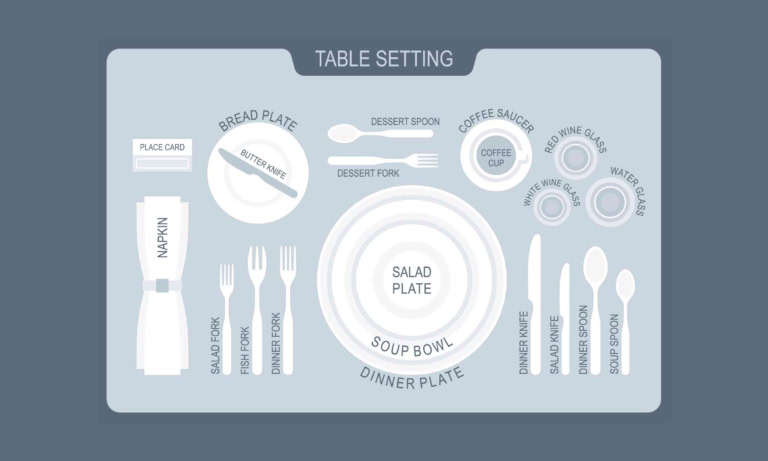
Step four turns a table into an occasion. Afternoon tea is a seated, visual event, so the setting carries real weight, but it does not need fine china or a tiered stand to work. What matters is a clean cloth, a place for each guest, and a layout that lets the food and the pour flow without anyone reaching across the table.
The core table elements
- A pressed tablecloth or runner gives the table its sense of occasion and protects the surface from drips and crumbs.
- At each seat, lay a small plate, a teacup and saucer, a teaspoon, a napkin, and a butter knife for the scones.
- In the shared centre, place the tiered stand or platters, the teapot, a milk jug, a small bowl of sugar, lemon slices, and the jam and cream.
Do you need a tiered stand?
No. A tiered stand is lovely but optional. Three separate plates, a cake stand, or a long board present the savoury, scone, and sweet courses just as well.
The order of service matters more than the hardware, so spend your effort on a low arrangement of flowers and the lighting rather than chasing the perfect three-tier rack.
Small touches do the atmospheric work, and TGH’s guide to creating ambiance at home for gatherings covers the lighting and detail choices that make a table feel considered. With the scene set, the only thing standing between you and a calm afternoon is the timing of the prep.
Time Your Prep So You Are Calm When Guests Arrive
Step five is the secret the recipe pages leave out: the schedule. A relaxed host is not a faster baker, just a better planner. Spread the work across two days so that when the doorbell rings, the only jobs left are warming the scones, brewing the tea, and answering the door.
The two-day prep schedule
- A day ahead: bake the scones and prep the sweets, store them airtight, and make the sandwich fillings so the flavours settle overnight.
- The morning of: assemble the sandwiches and keep them covered with a barely damp cloth so the bread stays soft, then set the full table.
- One hour before: refresh the scones briefly in a low oven, lay out the jam, cream, milk, and lemon, and fill the kettle.
- As guests arrive: warm the pot, brew the first tea, and plate the tiers. Nothing left but the welcome.
We hosted a tea for six on a Saturday in May, and baking the scones the Friday night before turned the morning from a scramble into a slow coffee and a tidy table by noon. The lesson held: every task you can move off the day itself buys you a calmer afternoon. The same make-ahead logic underpins TGH’s broader guide to hosting your first dinner party with ease, where the prep schedule does more for the host’s nerves than any single dish.
With the food ready and the table set, the afternoon shifts to the part guests actually see.
|
Move Prep Off The Day |
How Do You Pour and Pace the Courses?
You pour from the host’s seat, working clockwise, and you let the three tiers set the pace: savoury first, scones second, sweets last. That order is not just tradition; it moves guests from light bites to richer ones and gives the tea time to do its job between courses. The host’s role here is rhythm, not speed.
Working the pour
- Pour for guests, not just yourself, topping up cups as they empty so no one has to ask, and refilling the pot with hot water as the afternoon runs long.
- Offer milk, sugar, and lemon, naming the teas as you pour so guests can choose, and remembering who takes what for the second round.
- Let courses breathe, clearing the savoury tier before bringing scones forward so the table never feels crowded or rushed.
Pacing is where a host earns the afternoon. Linger over the sandwiches, bring the warm scones out when the first pot is half gone, and save the sweet tier for when conversation has settled into its easy stride. Lenox’s step-by-step on how to host a tea party is a useful walkthrough of the service flow, and Tea with Meredith’s pointers on hosting an elegant afternoon tea at home add the small touches that keep guests comfortable.
When the last pot is poured and the sweets are nearly gone, the afternoon turns to its final step.
Send Guests Off Gracefully
Step seven is the close, and a good one lingers longer than the last cup. As the afternoon winds down, you are not clearing plates so much as marking the end of the occasion with the same warmth you opened it. A graceful close is what turns a nice afternoon into one guests talk about.
Closing the afternoon well
- Final top-up: a last pour of tea or a fresh pot signals the afternoon is unhurried and that no one is being rushed toward the door.
- Leftovers home: a small box of extra scones or sweets is a kind, practical gesture that keeps nothing going to waste.
- A parting favour: a sachet of the tea you served or a single wrapped biscuit gives guests something to carry out with them.
A parting gesture costs little and is remembered well; TGH’s roundup of small gifts that make guests feel special has ideas that suit a tea table without overshadowing it. For wider table-styling and entertaining cues to fold into the day, The Pioneer Woman’s entertaining inspiration is a friendly source. Walk your guests to the door, thank them for coming, and you have hosted an afternoon tea party from invitation to last pour, with every step done in its turn and your own afternoon spent at the table rather than the stove.
Frequently Asked Questions
How do you host an afternoon tea party at home?
Pick a time between 2 and 4 p.m., invite four to eight guests, and plan a three-tier menu of sandwiches, scones, and sweets. Brew one or two teas, set a simple table, and prep everything the morning of so you can pour and chat rather than cook.
What time should an afternoon tea party start?
Afternoon tea is traditionally served between 2 and 4 p.m., bridging lunch and dinner. A 2:30 or 3 p.m. start gives guests a relaxed window and leaves your evening free. Allow roughly 90 minutes to two hours for the full event from arrival to the last cup.
How much food do you need per person for afternoon tea?
Plan three to four sandwich halves, one to two scones, and two to three sweets per guest. That mirrors the classic three-tier stand and leaves a little surplus. Scale up gently for a longer event or guests who skipped lunch beforehand.
What do you serve at an afternoon tea party besides tea?
Beyond tea, offer a savoury tier of finger sandwiches, a middle tier of warm scones with jam and clotted cream, and a top tier of small sweets. Add sparkling water or a light bubbly for a celebratory touch, plus milk and lemon for the tea.
How far ahead can you prepare for afternoon tea?
Bake scones and prep sweets a day ahead, then refresh scones briefly in the oven before serving. Make sandwich fillings the night before and assemble sandwiches the morning of, keeping them covered with a damp cloth so the bread stays soft.
Do you need a tiered stand to host afternoon tea?
No. A tiered stand is lovely but optional. Three separate plates, a cake stand, or a long board work just as well for presenting the savoury, scone, and sweet courses. The order of service matters more than the hardware you serve it on.
Continue Reading:
More On Afternoon Tea
- Tea Sandwiches: 12 Classic Fillings for Tea Time
- Scones for Afternoon Tea: A Foolproof 6-Step Recipe
- High Tea vs Afternoon Tea: What Sets Them Apart
- Tea Party Menu: A 3-Tier Plan for Afternoon Tea
- Garden Tea Party Themes: 9 Ideas to Set the Mood
More from The Gourmet Host
- 14 Pasta Bar Ideas for a Fun Build-Your-Own Dinner
- Easy Party Cocktails That Let You Actually Enjoy the Party
- How to Host a 1920s Murder Mystery Dinner Party: Menu, Décor, and Game Guide
- How to Plan a Five-Course French Dinner Party Menu
- Party Decoration Ideas That Set the Scene
Explore TGH Categories
- Set the Scene
- Drinks and Bar
- Plan the Meal
- Engage with Guests
- Games and Toasts
- Tools and Techniques
- Why We Gather