9 Mediterranean Dinner Party Menu Ideas for Hosts
 14 min read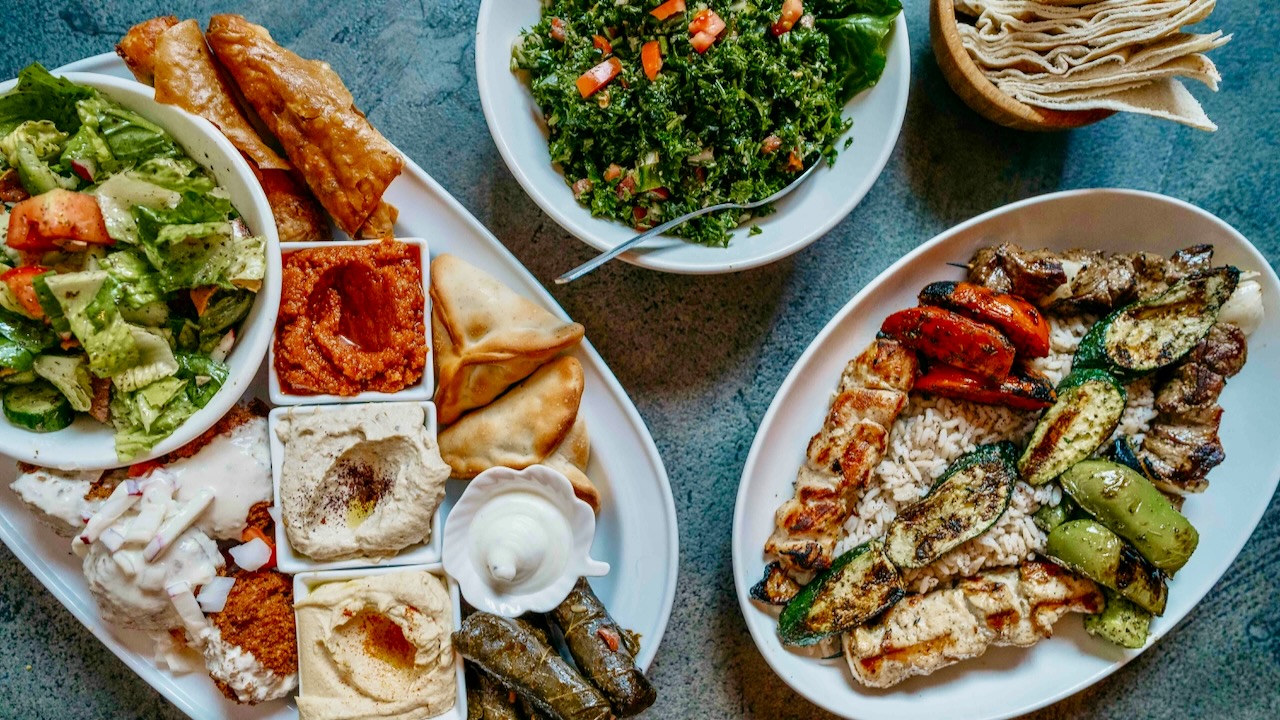
Treat a Mediterranean dinner party as a sequence rather than a stack of recipes and the cooking stops fighting you: small plates open the evening, a couple of salads wait patiently, one main earns the center of the table, and the sweet was finished hours ago. The menu is architecture, not a shopping list. Each course has a job, a place in the timeline, and a portion that scales cleanly from six guests to eight.
What follows maps nine building blocks across the whole evening: the mezze opener, two make-ahead salads, the showpiece main and its easy backup, the bread and grain and vegetable that fill the gaps, and the dessert that lets you sit down. You will also get a prep timeline that tells you what to make two days out, one day out, and the afternoon of, so the night runs on the plan instead of on adrenaline.
At a Glance
- A Mediterranean dinner party menu works as nine building blocks: a mezze opener, two salads, a grain, two mains, a vegetable side, bread, and a make-ahead dessert.
- Plan roughly nine dishes for six to eight guests so the table feels generous without trapping one cook in the kitchen.
- Build the menu around dishes that hold: dips firm up overnight, no-lettuce salads sit for hours, and most sweets are better made a day ahead.
- Pick one showpiece main that can rest or hold warm, then add an easy vegetable backup so vegetarians and lighter eaters are covered.
- A simple two-day, one-day, same-day timeline keeps the night calm and the host at the table instead of the stove.
What Is a Mediterranean Dinner Party Menu?
A Mediterranean dinner party menu is a sequenced set of shared courses, built so the food carries the evening while the host stays at the table. For someone hosting six to eight guests, the real work is not finding recipes but ordering them: which dish opens the night, which can sit untouched for an hour, and which needs the oven last. Unlike a single-recipe plan, a Mediterranean menu balances grazing mezze, bright salads, a warm main, and a sweet across one timeline, so every course lands at the right temperature without a scramble.
What a Mediterranean Dinner Party Menu Looks Like (the 9 Building Blocks)
A Mediterranean dinner party menu comes together fastest when you stop thinking in recipes and start thinking in roles. Nine building blocks cover a full table for six to eight guests, and each one has a clear job in the meal. Get the roles right and the recipes almost choose themselves.
The Nine Roles, in the Order They Reach the Table
Here are the nine blocks that make up the evening, in the order they reach the table:
- The mezze opener: a small grazing spread of dips, olives, and bread that buys you time while the main finishes.
- Salad one: a sturdy, no-lettuce salad like a chopped Greek that holds for an hour without wilting.
- Salad two: a grain salad that doubles as a side and feeds vegetarians a real portion.
- The grain: lemon rice, orzo, or couscous that soaks up sauce and stretches the table.
- The showpiece main: one roast or baked dish that owns the center of the table.
- The easy backup main: a vegetable tagine or baked feta so non-meat eaters get a centerpiece, not scraps.
- The vegetable side: something roasted and seasonal that needs the oven for twenty minutes, not an hour.
- The bread: warm pita or a crusty loaf, stacked within reach for scooping and mopping.
- The dessert: a make-ahead sweet you plated before guests arrived.
That count maps neatly onto a six-to-eight-guest table without overwhelming one cook. For the recipes themselves, a source like an easy Mediterranean diet dinner spread gives you a deep pool to pull individual dishes from once the structure is set. The same role-first thinking carries any cuisine, and our broader guide to plan a meal guests remember walks through the same architecture for a non-Mediterranean table.
The point is that you decide the shape of the meal first, then fill each slot. With the nine blocks named, the opening course is where the evening earns its first impression.
|
Build The Menu Slot By Slot |
Start With a Mezze Opener Your Guests Graze On
The mezze opener does the heaviest lifting of any course on the menu, because it feeds people the moment they walk in and frees you to finish everything else. Set it out before guests arrive and it works on its own for a full hour. Three dips, a bowl of olives, and warm bread is enough to anchor the start of the night.
Keep the opener tight and let it carry the room while you work. A short, repeatable spread looks abundant without becoming a second meal:
- Three dips: hummus, a smoky baba ganoush, and a tzatziki for brightness, each in its own shallow bowl.
- A small bowl of olives and pickles for salty contrast that wakes up the palate.
- Marinated feta or a few dolmades, one bite with texture and chew.
- Warm pita torn into wedges, brushed with oil and warmed just before guests arrive.
The dips are the part to make ahead. We make the hummus and baba ganoush the day before a Saturday dinner for eight, store them covered overnight, and the flavors deepen by the time the bowls hit the table. For the sauce that ties the opener to everything that follows, a classic tzatziki does double duty alongside the main.
If you want a fuller spread, build a Greek grazing board gives you a layout to copy. Once the grazing course is set, the salads are what hold the table together while the oven is busy.
Two Salads That Hold While You Finish the Mains
Two salads earn their place on the table by holding their texture for the full hour you spend on the main. The work is choosing salads that improve as they sit rather than collapse.
Skip delicate leaves and lean on chopped vegetables and grains. Most Mediterranean dinner recipes treat salad as a fresh counterweight to a rich main, and that is exactly the job here.
A no-lettuce chopped salad is the workhorse here. Cucumber, tomato, red onion, olives, and feta dressed in lemon and oil sit happily for an hour, and an authentic Greek salad shows the no-lettuce version done right.
Salads that hold are the backbone of warm-weather hosting too, which is why they anchor a summer dinner party menu that works outdoors. The second salad should be a grain: quinoa, farro, or orzo turns a side into something filling enough that a vegetarian guest leaves the table satisfied.
Two rules keep both salads working through the meal:
- Dress the chopped salad late: toss it within twenty minutes of serving so the tomatoes stay firm and the onion stays bright.
- Dress the grain salad early: grain salads only improve, so dress them a few hours ahead and let the flavors settle.
For an everyday option that scales, an everyday Mediterranean salad makes a reliable make-ahead choice for the grain slot. Make the components a day ahead and combine them the afternoon of, keeping the dressing separate until the last minute. With the salads waiting in the fridge, the main course is where the menu makes its statement.
|
Hosting Tip: Use the Main’s Resting Time |
The Main Course: One Showpiece, One Easy Backup
The main is where the evening earns its center of gravity, and the smartest move is to plan two: one showpiece and one easy backup. The showpiece is the dish guests remember, and the backup quietly covers vegetarians and lighter eaters without a second round of cooking. Choose a showpiece that can rest or hold warm so you are never racing the clock.
The Showpiece That Owns the Table
Roast leg of lamb, chicken souvlaki, or a whole baked fish with lemon and herbs all work as a Mediterranean showpiece, because each one can rest while you plate the rest of the table. We roast a butterflied leg of lamb for a dinner of eight, pull it at 130°F, and let it rest twenty minutes while the sides come together.
For a more hands-off centerpiece, Mediterranean meatballs with tzatziki hold warm well and plate fast. When you want a deeper pool of options, Mediterranean diet dinner recipes gives you a reliable mains list to choose from. If you want help picking a centerpiece that lands, our roundup of a main course that wows guests is built for exactly this decision.
The Backup That Covers Every Guest
The backup main is the course that makes a mixed table easy. A vegetable tagine, a tray of baked feta with cherry tomatoes, or stuffed peppers gives non-meat eaters a real centerpiece rather than a plate of sides. Keep it to one make-ahead dish so the second main never doubles your workload.
- A vegetable tagine, simmered ahead and reheated, holds well on the stove.
- Baked feta with tomatoes, twenty minutes in the oven beside the main, served warm and bubbling.
- Stuffed peppers, assembled the day before and baked off as guests arrive.
A two-main plan sounds like more work, but the backup is almost always the make-ahead dish, so the only thing you cook to order is the showpiece. With both mains accounted for, the supporting cast of bread, grain, and vegetables fills the rest of the plate.
Bread, a Grain, and a Simple Vegetable Side
Bread, a grain, and one vegetable side are the connective tissue of the meal, the dishes that stretch the table and give every plate something to mop and scoop with. None of them should demand much of your attention on the night. Each one is a make-ahead or a quick finish, not a project.
Warm bread is non-negotiable and the easiest win on the table. Stack pita or a crusty loaf within reach so guests serve themselves, and warm it just before serving so it stays soft rather than crisp. The grain is your second stretch: lemon rice, orzo, or couscous soaks up the juices from the main and turns a modest portion of protein into a full plate.
The vegetable side rounds out the plate with color and a little char:
- Roasted seasonal vegetables: zucchini, peppers, or eggplant tossed in oil and given twenty minutes in a hot oven.
- Charred green beans or broccolini: a fast, bright counterpoint to the richer main.
- A simple lemon-dressed grain: orzo or couscous you cooked an hour ahead and fluffed before serving.
For broader inspiration across these slots, a Mediterranean recipe collection and best-ever Greek recipes both give you side and grain ideas to slot in. Once you see how the supporting dishes fill the gaps, it helps to plan a full meal start to finish so nothing gets forgotten between courses.
The grain and the vegetable can both wait in a warm oven, which is what you want when the showpiece needs the last twenty minutes to itself. With the savory courses planned, the only piece left is the sweet that lets you finally sit down.
|
Keep Every Side Dish Together |
A Make-Ahead Dessert and the Host Prep Timeline
Dessert should be the course you never touch once guests arrive, which is why it is the natural place to talk timing for the whole evening. A make-ahead sweet plated in advance is what lets you stay at the table for the part of the night that matters. Baklava, a yogurt-and-honey bowl, or an olive oil cake all hold for hours.
Pick a dessert that improves with a head start. Baklava is better the next day, a semolina cake keeps for two, and a bowl of thick yogurt with honey, nuts, and orange takes five minutes to assemble. For more main and dessert ideas to round out the menu, more Greek cuisine ideas offers editorial inspiration worth a browse.
The Two-Day, One-Day, Same-Day Prep Timeline
With the dessert handled, the timeline is what ties the nine blocks into one calm evening:
- Two days out: make the dips, bake or assemble the dessert, and mix any grain salad dressing.
- One day out: chop salad vegetables, cook the grain, marinate the main, and store everything covered.
- Same day, afternoon: assemble the salads, roast the vegetable side, and warm the bread last.
- Last thirty minutes: cook the showpiece to temperature, plate the mezze, and dress the chopped salad.
This is the difference between hosting and hiding in the kitchen. Stagger the work across three windows and the night runs itself, with the showpiece getting your full attention only at the very end. Hosts who want to push the prep even earlier can borrow the logic of a cook-ahead dinner party menu and build almost everything in advance.
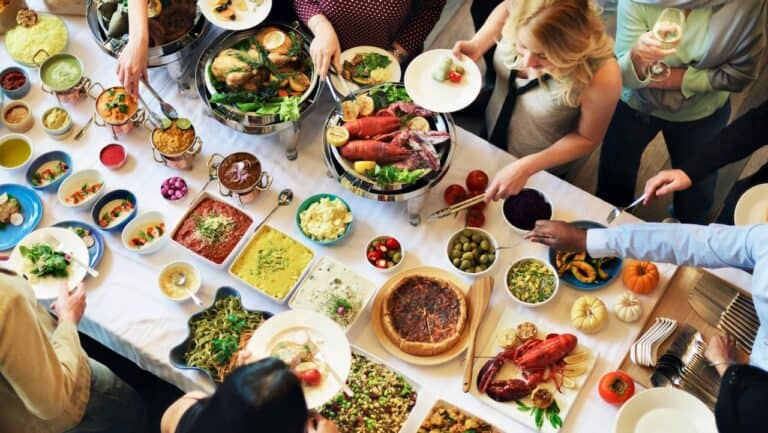
A Mediterranean table is built to be shared family-style, platters down the center, and that relaxed, communal layout is the last piece of the plan. Set the table so guests reach in and serve themselves, and the evening takes on the unhurried generosity the food is built for.
Frequently Asked Questions
What should be on a Mediterranean dinner party menu?
A Mediterranean dinner party menu needs nine building blocks: a mezze opener, two salads, a grain, a showpiece main and an easy backup, a vegetable side, warm bread, and a make-ahead dessert. Open with dips and olives, hold two salads on the counter, center the table on roast lamb or baked fish, and finish with baklava or yogurt and honey.
How many dishes do I need for a Mediterranean dinner for 8?
For eight guests, plan roughly nine dishes across the table: a three-item mezze board, two salads, one grain, two mains, one vegetable side, and one dessert. That spread gives generous variety without overwhelming one cook, and most items can be prepped the day before.
What main dish is best for a Mediterranean dinner party?
Roast leg of lamb, chicken souvlaki, or baked fish with lemon and herbs all work as a Mediterranean showpiece main. Choose one that can rest or hold warm, then add an easy backup like a vegetable tagine so vegetarians and lighter eaters are covered too.
Can I make a Mediterranean dinner party menu ahead of time?
Yes, most of it. Dips, marinades, salad components, and dessert can be made one to two days ahead. Dress salads and warm bread just before serving, and reserve the oven for the main. A simple timeline keeps the night calm and the cook out of the kitchen.
What do you serve with a Mediterranean dinner?
Serve warm pita or crusty bread, a grain such as lemon rice or orzo, and at least one bright vegetable side alongside your main. Olives, pickles, and a yogurt-based sauce like tzatziki round out the plate and tie the courses together.
How do you set a Mediterranean table for guests?
Set a Mediterranean table family-style, with shared platters down the center so guests help themselves. Use small bowls for dips and olives, stack bread within reach, and keep water and wine accessible. The relaxed, communal layout is part of the hospitality.
Continue Reading:
More On Mediterranean Hosting
- How to Build a Mediterranean Mezze Platter at Home
- 12 Easy Greek Appetizers to Serve at Your Party
- 8 Mediterranean Salads to Make for a Crowd at Home
- Middle Eastern Dinner Party Menu for a Full Table
- 10 Mediterranean Vegetarian Dinner Ideas for Guests
More from The Gourmet Host
- Cold Smoking vs Hot Smoking: Which Technique Is Right for You?
- Non-Alcoholic Drink Pairing: Match Flavors to Any Meal
- The Complete Cooking Techniques List for Confident Home Hosts
- Tapas Ideas: 5 Spanish Small-Plates Host Spread
- Best Appetizers for a Crowd That Scale to Any Guest Count
Explore TGH Categories
- Set the Scene
- Drinks and Bar
- Plan the Meal
- Engage with Guests
- Games and Toasts
- Tools and Techniques
- Why We Gather