5 Chili Crisp Recipes Every Home Host Should Master
 18 min read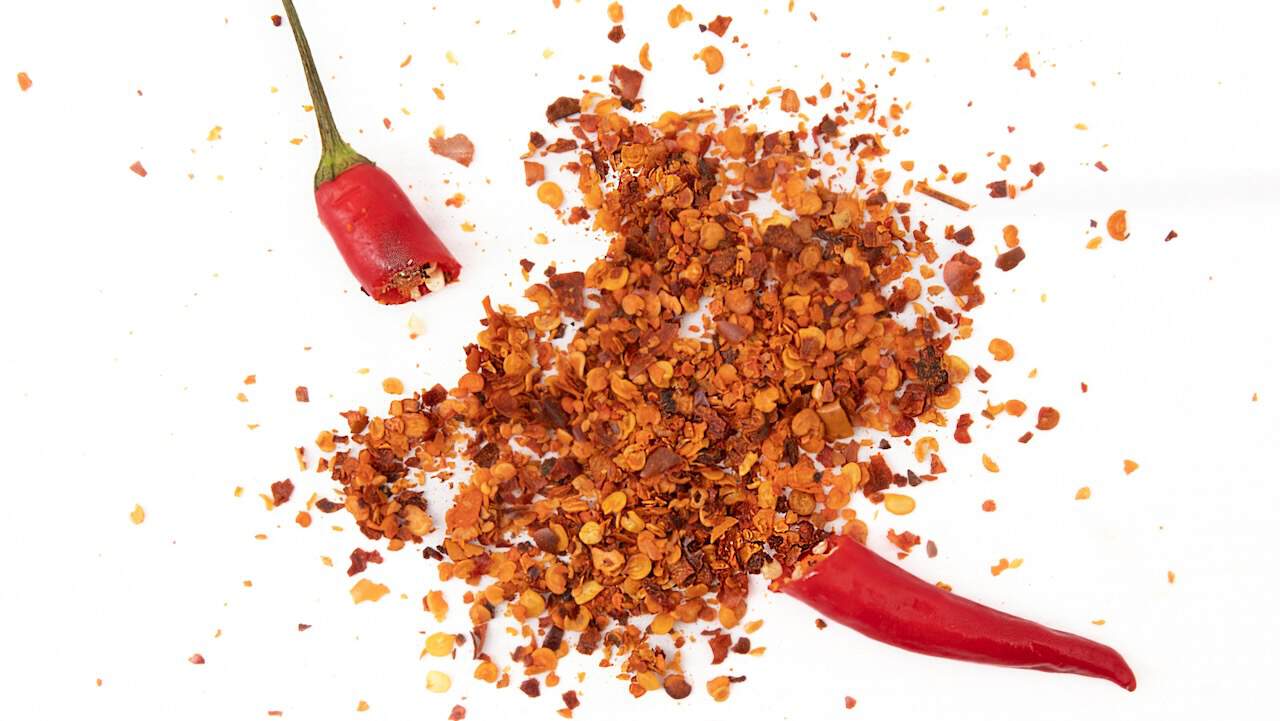
Chili crisp lives within arm’s reach of the pass in nearly every chef kitchen, and it goes onto eggs, noodles, and roasted vegetables right before the plate leaves the line. That is the practice. Not stirred into the sauté at the start, not folded into the marinade, not cooked in. Spooned over the dish at the last second so the crunchy bits stay crunchy and the chili oil glazes the food on the way to the table.
Chili crisp is a finishing ingredient, not a cooking one, and that distinction is why the dish wins. Five recipes worth mastering, plus a three-jar brand reference and a thirty-minute homemade build, follow from that single rule.
At a Glance
- Chili crisp is jarred chili oil with crunchy bits (fried garlic, shallot, soybean, Sichuan peppercorn) suspended in spiced oil. Finish, do not cook.
- Three jars worth knowing: Lao Gan Ma (smoky, salty, the original), Fly By Jing (numbing, complex, premium), Momofuku (mild, garlic-forward, dinner-table friendly).
- Five five-minute recipes the jar carries: chili crisp eggs, chili crisp noodles, chili crisp tomatoes, chili crisp wontons, chili crisp yogurt dip.
- Always stir the jar before you spoon: the crunch sits at the bottom, the oil floats on top, and a bite without crunch is half the point.
- Make your own in thirty minutes if curiosity strikes. The DIY version keeps for four weeks in the fridge and costs about a third of a premium jar.
What Is Chili Crisp (Crunchy Bits Suspended in Spiced Oil)
Chili crisp is a Chinese pantry condiment of dried chilies, fried alliums, and spices held in oil, originally popularized by Lao Gan Ma and now a staple in home kitchens far beyond Sichuan. The defining feature is texture: fried garlic, fried shallot, soybean, peanut, sesame seed, and ground chili sit at the bottom of the jar as a sediment of crunch, while warmed oil carrying chili heat and Sichuan peppercorn numbing tingle floats above. A spoon to the bottom of the jar lifts both layers in one motion, which is why the jar is a finishing ingredient that lives near the stove rather than a sauce that lives in the prep mise.
Three Jars Worth Knowing (Lao Gan Ma, Fly By Jing, Momofuku)
Three jars cover almost every chili crisp scenario a home host runs into. Each one has a distinct profile and a distinct dinner job. Buying all three lets the host match the jar to the dish, and most hosts settle on a regular rotation within a few weeks.
Lao Gan Ma: the original, the deepest savory note
Lao Gan Ma Spicy Chili Crisp is the jar that started the category and the one that food editors keep going back to. It runs heavy on fermented black bean and fried soybean, lighter on Sichuan peppercorn, and it carries a soy-sauce-deep savory baseline that pulls dinner toward steamed rice, plain noodles, and dumplings. The Woks of Life’s Lao Gan Ma noodles is the easiest demonstration: hot wheat noodles, two spoons of Lao Gan Ma, a splash of black vinegar, and chopped scallion. Dinner in four minutes.
Fly By Jing: the premium jar with Sichuan peppercorn forward
- Heat profile: medium-high heat with pronounced numbing tingle from Tribute red Sichuan peppercorn. A spoonful makes the lips buzz.
- Crunch profile: less sediment than Lao Gan Ma, more aromatic oil. Better for drizzling than scooping.
- Where it shines: wonton soup, dumpling dipping, vanilla ice cream, and roasted carrots. Complexity rewards dishes with space to taste it.
- Where it gets lost: heavily sauced stir-fries and anything already loaded with garlic. The nuance disappears under competing flavors.
Momofuku: the gentle, garlic-forward dinner-table jar
Momofuku Chili Crunch sits at the gentlest end of the spectrum. The chili heat is mild, the garlic and shallot are fried until sweet, and the oil reads more like a flavored finishing oil than a chili condiment. The jar belongs on the table next to the salt and pepper at a dinner party because guests who do not love heat will still spoon a quarter-teaspoon onto their plate.
The Kitchn’s chili crisp cookbook review makes the same point about jar-by-occasion selection: the Momofuku jar is the gateway, not the destination.
Three jars on the shelf gives the host a quiet decision tree at dinner time. Lao Gan Ma for the everyday weeknight bowl, Fly By Jing for the dish that deserves a flourish, Momofuku for the table where guests have a range of heat tolerances. A small jar shelf earns its place next to the rest of a host’s everyday kitchen cooking tools.
The next decision is how to read a label so a fourth or fifth jar earns its shelf space rather than collecting dust.
The three chili crisp jars worth knowing, at a glance:
| Jar | Profile | Best for |
|---|---|---|
| Lao Gan Ma | Smoky, salty, the original | Everyday scooping; the benchmark |
| Fly By Jing | Numbing, complex, premium | Drizzling; aromatic finish |
| Momofuku | Mild, garlic-forward | Dinner-table friendly, lower heat |
How to Read a Chili Crisp Label (Heat, Crunch, Salt, Aroma)
Chili crisp labels read in a familiar order across brands: chili heat first, alliums next, oil, then aromatics. Four traits separate a jar that earns its shelf space from a jar that goes stale: heat level, crunch ratio, salt level, and aroma intensity. A host who reads for those four numbers walks out of the Asian grocer with a jar that fits a specific job.
The four label traits worth scanning
- Heat level. Look at the ingredient order: chilies listed before oil mean the heat is concentrated. Chili oil with crispy bits as a back-of-label note means the heat is gentler. Lao Gan Ma reads chilies third; Fly By Jing reads chilies first.
- Crunch ratio. Hold the jar up to light. A jar with a half-inch sediment at the bottom (Lao Gan Ma) gives you a scooping condiment. A jar with a thin layer (Momofuku) gives you a drizzling oil. Both are useful; they do different jobs.
- Salt level. The first three ingredients tell you whether soy sauce, fermented bean, or salt is doing the savory work. Lao Gan Ma is salt-forward, Fly By Jing is umami-forward via mushroom and seaweed, Momofuku is restrained on both.
- Aroma intensity. Open the jar and smell. A premium chili crisp smells like toasted garlic, dried orange peel, and warm spice. A flat one smells like neutral oil with a faint chili note. Aroma is the cheapest tell of overall quality.
Beyond the four traits, the back label often hides the most useful information. Look for Sichuan peppercorn (huajiao) as a named ingredient if you want the tingle, not just heat. Look for fried soybean and fried peanut for textural complexity.
The Woks of Life’s chili oil brands taste test breaks down which brands lean tingle versus pure heat, and which carry the deepest savory profile. A jar that smells of nothing but red pepper flakes is a jar headed for the back of the cabinet.
|
Save Every Quick Jar Trick |
Five Five-Minute Recipes the Jar Carries (Eggs, Noodles, Tomatoes, Wontons, Yogurt)
Five chili crisp recipes give a home host enough range to cover breakfast, weeknight dinner, a starter for guests, a dim-sum night, and a vegetable side. Each one takes under five working minutes from jar to plate, and each one uses the jar as a finisher rather than a cooking ingredient. The names below are the keepers.
The two breakfast and dinner anchors
- Chili crisp eggs. Fry two eggs in neutral oil until whites set, yolks loose. Slide onto rice or toast. Two teaspoons of chili crisp across the whites, chopped scallion, eat with a spoon. The Kitchn’s chili crisp fried eggs recipe is the cleanest version in print.
- Chili crisp noodles. Cook wheat noodles, drain, return to the pot. Two teaspoons of chili crisp, one teaspoon black vinegar, one teaspoon soy, a splash of sesame oil. Toss off the heat. The pot’s residual warmth blooms the oil without cooking out the crunch.
The three guest-facing five-minute plates
- Chili crisp tomatoes. Slice heirloom tomatoes thick, salt, wait five minutes. A spoon of chili crisp across the slices, a drizzle of olive oil, flaky salt, torn basil. The crunch holds against tomato water for about fifteen minutes; serve immediately.
- Chili crisp wontons. Boil frozen wontons (pork, shrimp, or vegetable) for three minutes, drain into a shallow bowl. Two tablespoons of chili crisp, one tablespoon black vinegar, two teaspoons soy, a splash of warm broth. Chopped scallion and cilantro on top. A dinner-party starter that wins more slots than it has any right to.
- Chili crisp yogurt dip. One cup of plain whole-milk yogurt, one tablespoon of chili crisp swirled across the top, a pinch of sumac, torn herbs. Serve with sturdy crackers or warm flatbread as a 5-minute starter that masks how little work it took.
Five recipes, one jar, dinner saved. Each one also scales: any of the five becomes a tray for eight to twelve guests with no extra technique, the same logic behind the TGH best appetizers for a crowd playbook. The instinct after this list is to push chili crisp into the cook itself, and the next H2 explains why that instinct is wrong.
Hosting Move: Chili Crisp as the Finish, Not the Cook
Chili crisp is engineered around two textures that fall apart under heat: fried bits that go from crunchy to soft, and aromatic oil that turns bitter when it crosses about 240°F. Cook the jar into the dish and the crunchy bits steam to mush, the toasted garlic sweetens past the point where it tastes like garlic, and the chili oil loses most of what made it worth spending eight dollars on. The hosting move is to keep the jar off the heat.
The finishing-rule decision tree
- Roasted vegetables: spoon chili crisp over after the tray comes out of the oven. Hot food melts the oil; the crunch stays crunchy.
- Pasta and noodles: off the heat, in the bowl. Tossing into a sizzling pan dulls every interesting note within thirty seconds.
- Soups and stews: swirl onto the surface at the table, never into the pot. The oil floats; the crunch sinks to the spoon.
- Grilled or seared meat: rest the protein, slice, then spoon over the cut surface. The oil glazes; the crunch catches on cut edges.
- Salads and yogurt: drizzle across the top, never into the dressing. Acid in vinaigrettes breaks the chili oil and dulls the texture immediately.
The one exception is when the host wants to bloom the oil but keep the crunch. The Kitchn’s chili crisp salmon recipe demonstrates a near-finishing pass: warm a tablespoon of chili oil from the top of the jar in a small saucepan, spoon over baked salmon for the last two minutes in the oven, and add the crunchy bits at the table. The oil blooms; the crunch never sees heat.
Treat the jar as the spoon a host reaches for at the moment of plating, not as a cooking shortcut. The same dish that fails when chili crisp is stirred into the pan succeeds when chili crisp is spooned across the finished plate. The finishing-rule slots cleanly into a themed weeknight rotation where one night a week leans Sichuan or pan-Asian and the jar earns its keep. The pairings question follows: once the jar is a finisher, what does it pair with on a host’s table?
|
Hosting Tip: Stir the Chili Crisp Before Every Spoonful |
Pairings: Where Heat Sits Without Drowning the Rest of the Plate
Chili crisp pairs best with food that has a calm baseline and a clear texture. Eggs, rice, plain noodles, blanched vegetables, cucumber, tofu, and dairy all carry the jar without competing with it. Heavy sauces, vinaigrettes, and any dish already built around chili paste tend to flatten the jar to a one-note heat hit.
The dishes that carry a spoonful well
- Plain steamed rice with a fried egg and chili crisp. The textbook bowl, and the one chefs eat on their nights off.
- Cucumber smashed with a knife, salted, dressed with sesame oil and chili crisp. The Woks of Life’s chili oil with black beans doubles for the same cucumber base.
- Roasted broccoli or cauliflower, hot from the sheet pan, finished with chili crisp and a squeeze of lemon. Food52’s sheet-pan gnocchi with chili crisp and baby bok choy is the same logic for a one-pan dinner.
- Silken tofu, drained, spoon of soy, spoon of chili crisp, chopped scallion. Three minutes, one plate, a starter that reads as a chef move.
- Avocado toast with a fried egg. Two spoons of chili crisp across the egg and avocado together. Fat carries heat without heat overwhelming fat.
The dishes to keep the jar away from
- Curry, where a chili-based sauce on a chili-based sauce reads as flat heat.
- Vinaigrette-dressed salads, where the acid breaks the oil and the crunch goes soggy in two minutes.
- Anything already heavy on sesame, since sesame is the dominant aromatic in most chili crisps and doubling it muddles the dish.
- Cream-based pastas, where the dairy mutes the chili and the chili breaks the cream. Use a chili-paste-based dressing if the dish needs heat.
Pairing logic stays straightforward: think calm baseline, clean texture, clear shape on the plate. The same logic carries when feeding a larger group on a single tray. The Kitchn’s spicy chili crisp chicken thighs is a study in the opposite direction worth knowing about: chicken thighs marinated in chili crisp before roasting. It works because the chicken skin protects the crunchy bits from the dry heat, and because the marinade has enough soy and rice vinegar to extend the chili oil into something with body. Most cook-it-in attempts fail; that one is the exception worth borrowing.
Make Your Own (A 30-Minute Pantry Build for the Curious)
Homemade chili crisp is a thirty-minute project once the pantry is set, and it costs about a third of a premium jar. The home version stays in the fridge for four to six weeks, tastes brighter than the supermarket equivalent for the first two weeks, and lets the host dial heat, salt, and crunch ratio to taste. The recipe below is the working template.
The pantry build (one batch, about 16 ounces)
- Dried chilies, 1 cup mixed (Sichuan facing-heaven for tingle, Korean gochugaru for color, guajillo for sweetness). Stem and seed roughly.
- Neutral oil, 2 cups (canola, peanut, or high-smoke-point blend). Olive oil burns at temperature; finishing only.
- Aromatics: 1 head garlic sliced, 2 shallots sliced thin, 2 tablespoons ginger sliced thin, 2 star anise pods, 1 cinnamon stick, 1 tablespoon Sichuan peppercorns.
- Texture: 3 tablespoons fried soybean, 2 tablespoons toasted sesame, 1 tablespoon coarse salt, 1 teaspoon sugar.
- Optional: 1 tablespoon fermented black bean (douchi) for Lao Gan Ma-style depth, 1 teaspoon five-spice.
The 30-minute method
- Toast dried chilies in a dry pan for 2 minutes until fragrant. Pulse in a spice grinder to a coarse flake. Pour into a heatproof bowl with the gochugaru, salt, sugar, sesame, and any optional spice.
- Heat the oil with the aromatics over medium until garlic and shallot are golden and crisp, about 12 to 15 minutes. Aromatics should sizzle steadily, not violently. If they brown too fast, drop the heat.
- Strain the oil over the chili flake mix; reserve the crisped garlic and shallot. The oil should foam and bloom; if it smokes, lift the pan off the heat for 30 seconds before pouring.
- Stir, then fold crisped aromatics and fried soybean back into the oil. Cool, transfer to a clean jar, refrigerate. Use after 24 hours; peak flavor at days 3 to 14.
The technique parallels The Woks of Life’s chili oil tutorial and The Kitchn’s chili crisp recipe. Both are worth reading before the first attempt, especially for oil temperature cues. After two or three batches, most home cooks settle on a ratio they like and stop measuring.
|
Stock The Pantry Without Gaps |
Common Chili Crisp Mistakes (Cooking It Out, Drowning the Dish, Skipping the Stir)
Four mistakes cover most of the disappointment a home host runs into with chili crisp. None of them are about taste preference; all of them are mechanical fixes that change the dish in the next attempt.
The four mistakes worth naming
- Cooking it out: stirring chili crisp into a hot pan steams away the crunch and turns aromatic oil into background grease. Spoon it on after the pan comes off the heat.
- Drowning the dish: a single tablespoon per portion is the upper limit for most plates. A heavy hand turns the dish into a chili oil dish that happens to contain food. Start with two teaspoons.
- Skipping the stir: the jar stratifies. A spoon from the top is mostly oil. Stir to the bottom, twist once, lift.
- Storing it warm: chili crisp on the counter for weeks turns rancid. Refrigerate after opening; the oil firms up but pours fine after thirty seconds at room temperature.
One small fix rounds out the list: treat the crunchy sediment as the headline when serving on plain food (a fried egg, a bowl of rice), and treat the oil as the headline when serving on richer food (a yogurt dip, a vinaigrette-adjacent dressing). Reading the dish first tells the host which spoon to lift from the jar.
Mastering chili crisp is mostly a matter of restraint. Five recipes, three jars, one finishing-rule, and a stir before every spoon. The home host who treats the jar as a finisher rather than a cooking ingredient eats meaningfully better dinners for the price of one pantry purchase. The jar also turns into a quiet shared project when cooking with friends: one host fries the eggs, another tosses the noodles, a third spoons the jar across the tomatoes, and the dinner is on the table in under fifteen minutes.
Frequently Asked Questions
What is chili crisp and how do you use it?
Chili crisp is a Chinese pantry condiment of fried chilies, garlic, shallot, soybean, and spice held in oil. Use it as a finisher, not a cooking ingredient. Spoon it onto eggs, noodles, rice, roasted vegetables, dumplings, or yogurt after the dish is plated. Stir the jar first; the crunch sits at the bottom.
What are the best recipes using chili crisp?
The best chili crisp recipes are chili crisp eggs, chili crisp noodles, chili crisp tomatoes, chili crisp wontons, and chili crisp yogurt dip. Fry eggs and spoon crisp over rice or toast, toss noodles with black vinegar, top tomatoes with olive oil and basil, dress boiled wontons in soy-vinegar broth, and swirl yogurt with herbs. Each takes under five minutes.
How do you make homemade chili crisp?
Toast dried chilies, pulse to a coarse flake, mix with salt, sugar, and sesame. Heat neutral oil with sliced garlic, shallot, ginger, star anise, and Sichuan peppercorn until aromatics turn golden. Strain hot oil over the chili mix, fold the crisped aromatics back in, cool, and jar. Peak flavor at days three to fourteen.
What is the best chili crisp brand?
Lao Gan Ma, Fly By Jing, and Momofuku Chili Crunch are the three chili crisp brands worth knowing, each suited to a different job. Lao Gan Ma has the deepest savory baseline, Fly By Jing brings the strongest Sichuan peppercorn tingle, and Momofuku is the gentlest, most dinner-table friendly. Most hosts keep all three.
Is chili crisp the same as chili oil?
Chili oil is the oil component, infused with chilies and aromatics, with little to no sediment. Chili crisp adds the crunchy fried bits (garlic, shallot, soybean, peanut, sesame) that sit at the bottom of the jar. Both pour the same; only chili crisp also delivers textural crunch when spooned onto a finished plate.
What does chili crisp taste like?
Chili crisp tastes like toasted garlic and shallot, dried red chili heat, warm spice (star anise, cinnamon, Sichuan peppercorn), and savory soy or fermented bean depth, all carried by aromatic oil. The crunchy bits add fried-allium sweetness. The Sichuan peppercorn in premium jars adds a numbing tingle most chili sauces lack.
Continue Reading:
More On Pantry Power Players
- Pantry Staples Every Home Host Should Keep Stocked
- Types of Miso and How to Use White vs Red Paste
- How to Use Anchovy and Colatura Without Tasting Fishy
- Preserved Lemons and Why One Jar Lasts a Whole Year
- Tahini Sauce in 5 Minutes That Saves Any Dinner
More from The Gourmet Host
- Preparation: Build Anticipation to Deepen Guest Involvement
- Elizabeth Wanless On Elements of a Memorable Dinner Party
- Thanksgiving Appetizer Ideas to Serve Before the Feast
- 8 Egg Substitutes That Actually Work in Real Baking
- Summer Dinner Recipe Ideas for Every Backyard Table
Explore TGH Categories
- Set the Scene
- Drinks and Bar
- Plan the Meal
- Engage with Guests
- Games and Toasts
- Tools and Techniques
- Why We Gather