Healthy Recipes for Picky Eaters That Actually Taste Good
 16 min read
A single cube of roasted sweet potato, cut small enough to disappear into a bowl of mac and cheese. That was the ingredient that changed Tuesday dinners at our table — not because it tricked anyone into eating a vegetable, but because it matched the soft texture and mild flavor of everything already in the bowl. Nobody picked it out. Nobody asked about it.
The sweet potato just belonged there, the same way a familiar ingredient belongs in a dish it was never originally part of.
Healthy recipes for picky eaters work exactly this way: not by sneaking in nutrition as a deception, but by building meals where nutritious ingredients already fit the textures and taste buds that selective eaters trust.
At a Glance
- Picky eaters reject foods based on texture and appearance more often than taste alone.
- Healthy swaps work best when they match the soft textures, mild flavor, and familiar look of foods your eater already accepts.
- Chicken tenders, ground beef bowls, and banana bread can all carry significant nutritional value without changing the experience on the plate.
- Snacks like cream cheese dips with bell peppers and peanut butter on whole wheat bread add nutrients between meals without a battle.
- A weekly menu built around three to four trusted base meals gives you room to rotate nutritious sides and fresh ingredients without triggering refusal.
What Are Healthy Recipes for Picky Eaters?
Healthy recipes for picky eaters are meals designed to deliver nutritional value — vegetables, lean protein, whole grains, healthy fats — while respecting the texture preferences, familiar flavors, and visual expectations that selective eaters depend on. For hosts and home cooks feeding a fussy eater alongside the whole family, the challenge is building a single dish that satisfies nutritious meals standards without requiring a separate plate or a negotiation at the table. These recipes differ from standard healthy dinners because they prioritize ingredient compatibility with the eater’s existing comfort zone, treating nutrition as something woven into accepted foods rather than added on top of them.
Why Texture Wins the Nutrition Battle with Picky Eaters
The single biggest reason a picky eater pushes a plate away has less to do with flavor and more to do with how the food feels in their mouth. Soft textures, predictable consistencies, and foods that don’t surprise the tongue mid-bite are the baseline for selective eaters at every age.
Research into the causes of picky eating confirms that sensory sensitivity drives food rejection far more than taste preferences alone. A child or adult who happily eats mashed potatoes may refuse a roasted potato — same ingredient, same seasoning, completely different texture. That distinction matters enormously for anyone trying to add nutrition to the table without triggering refusal.
Understanding this pattern gives you a clear framework for meal planning:
- Soft and uniform wins first: Purees, blended soups, and finely ground proteins pass the texture test before the eater even registers the flavor. A bowl of hamburger soup with finely diced vegetables feels safe in a way that a chunky stew does not.
- Crunchy can work if it’s consistent: Baked chicken tenders with an even coating succeed because the crunch is predictable. Every bite feels the same, which builds trust.
- Mixed textures trigger the most resistance: A salad with nuts, dried fruit, and dressing hits three different textures at once — and that’s exactly where most healthy meals lose a selective eater.
Pediatric feeding specialists note that when food meets a child’s sensory expectations, acceptance rates increase significantly — even when the nutritional profile of the meal has changed underneath. The texture is the gatekeeper; once it’s familiar, the ingredients behind it matter far less to the eater’s willingness to finish the plate.
A well-stocked kitchen with sweet potatoes, olive oil, whole grain flours, and ground beef gives you the raw materials to make these swaps without a special shopping trip. A nutrition strategy for picky eaters starts not with a grocery list, but with a texture audit of what your eater already accepts.
|
Keep the Menu Plan Together |
Healthy Swaps That Selective Eaters Never Notice
The most reliable nutritional upgrades for picky eaters are the ones that change what’s inside a meal without changing how it looks, smells, or feels on the plate. A swap that alters the color, the texture, or the portion size gets noticed immediately — and noticed, for a selective eater, almost always means rejected.
The goal is ingredient-level substitution where the nutritional value goes up but the eating experience stays identical. Harvard’s nutrition guidelines for children emphasize that half the plate should come from fruits and vegetables, but that recommendation only works when the vegetables are integrated into foods the eater already trusts.
Here are the swaps that consistently pass undetected:
- Sweet potatoes into mac and cheese: Roasted and mashed until smooth, sweet potatoes blend into cheese sauce without changing the color or flavor profile. You add fiber, vitamin A, and potassium to a dish your eater already finishes.
- Ground beef with finely grated bell peppers: The peppers cook down into the meat, adding vitamin C and moisture. In a taco bowl or spaghetti sauce, the texture stays uniform.
- Olive oil instead of butter in baked goods: Banana bread made with olive oil delivers healthy fats — including omega-3 benefits documented by nutrition researchers — with no detectable taste difference in a sweet batter.
- Whole wheat flour blended 50/50 with white flour: In muffins, pancakes, and banana bread, a half-and-half blend adds fiber and B vitamins without the dense, dark appearance that flags “healthy” to a suspicious eater.
- Cream cheese as a vegetable vehicle: A thin layer of cream cheese on crackers or celery gives you a protein and calcium boost while providing the smooth, mild flavor that picky eaters associate with safe food.
The principle underneath every successful swap is the same: match the nutrient-dense foods to the texture and appearance your eater already accepts. Simple plating adjustments help a nutritious dish look identical to the original — and anything that looks or feels different resets the trust to zero.
Five Nutritious Meals Built on Familiar Flavors
Every healthy recipe in this section starts from a base that selective eaters already accept — from homemade chicken nuggets to ground beef bowls — then adds nutritional value without altering the core experience. These are familiar flavors rebuilt from the inside to carry more protein, fiber, and vitamins than the original version.
1. Baked Chicken Tenders with Hidden Whole Grain Coating
Chicken tenders are one of the most accepted proteins across all ages of picky eaters. Swap the standard breadcrumb coating for a blend of panko and finely ground oat flour, then bake at 425°F until the outside is evenly golden. The crunch stays identical. The nutritional value — fiber, iron, B vitamins — goes up. This baked version from Ambitious Kitchen demonstrates the technique with a reliable cook time that keeps the interior juicy without frying.
2. Stuffed Bell Peppers with Ground Beef and Rice
Ground beef mixed with rice, a small amount of tomato sauce, and mild seasoning fills a bell pepper half that bakes at 375°F for about 25 minutes. The pepper softens to a texture that works for eaters who tolerate cooked vegetables when they’re part of a larger structure.
3. Hamburger Vegetable Soup with Soft-Cooked Ingredients
A pot of hamburger vegetable soup where every ingredient is cut small and cooked until uniformly soft removes the texture surprises that make chunky soups a hard sell. Carrots, potatoes, and green beans all break down into the broth after 30 minutes of simmering. The result is a nutritious meal that eats like a familiar bowl of broth with ground beef.
4. Banana Bread with Whole Wheat Flour and Olive Oil
Whole wheat banana bread swaps refined flour entirely, but the ripe bananas and a touch of brown sugar keep the flavor profile sweet and approachable. Substitute olive oil for half the butter to increase healthy fats. The loaf looks, smells, and tastes like the banana bread your family already asks for — with significantly more fiber and nutritional value per slice.
5. Creamy Peanut Butter Pasta with Shredded Chicken
Toss cooked pasta in a sauce made from peanut butter, a splash of soy sauce, and warm water thinned to the right consistency. Add shredded chicken breast for lean protein. The sauce coats evenly — no chunks, no visible vegetables, no unfamiliar garnishes. Peanut butter delivers protein and healthy fats in a format that reads as comfort food, not health food.
The techniques behind these five meals — roasting, blending, one-pot simmering — are the same skills covered in our guide to getting better at home cooking. Each recipe works because the nutritional upgrade is invisible: familiar flavors, predictable textures, and Plan the Meal fundamentals built for real families.
|
Hosting Tip: Pair New Foods With Familiar Textures |
Snacks and Sides That Add Nutrition Without Negotiation
Snack time and side dishes are where the real nutritional gains happen for picky eaters — not because the portions are large, but because the stakes are low. A picky eater who refuses a new ingredient at dinner may accept the same ingredient in a smaller, less formal format between meals.
The approach is simple: offer nutrient-dense foods in formats your eater already reaches for.
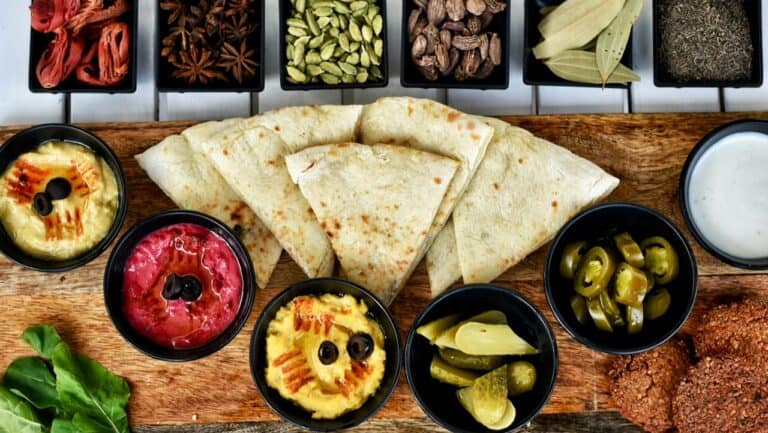
- Cream cheese and vegetable dip boards: Spread cream cheese in a shallow dish, surround it with bell pepper strips, cucumber rounds, and cherry tomatoes. The dip options at BBC Good Food show how a single base — cream cheese, yogurt, or hummus — anchors a spread that delivers calcium, protein, and vitamins through vegetables the eater chooses voluntarily.
- Peanut butter on whole wheat crackers: Two tablespoons of peanut butter deliver roughly 7 grams of protein and a dose of healthy fats. Pair with whole wheat crackers for added fiber. The taste buds register a familiar, satisfying snack; the nutrition arrives without discussion.
- After-school snack plates with built-in variety: Taste of Home’s after-school snack ideas demonstrate the power of giving kids a plate with four or five small options rather than a single item. A handful of cheese cubes, apple slices, nuts, and a piece of banana bread lets the eater pick what appeals.
- Sweet potato fries as a side swap: Baked sweet potato wedges seasoned with a light coating of olive oil and salt offer the same finger-food experience as regular fries, with added vitamin A and fiber. The soft texture holds up to dipping, which gives picky eaters a sense of control over the eating experience.
The USDA’s FoodData Central database confirms what experienced hosts already suspect: the nutritional difference between a standard snack and a healthier one often comes down to a single ingredient substitution.
These strategies connect to the broader Tools and Techniques skills that make healthy cooking second nature — and an ingredient that works in a low-pressure snack format can migrate into a dinner recipe once the eater has accepted it on its own terms.
How to Build a Weekly Menu Around a Picky Eater’s Comfort Zone
Planning one healthy meal for a picky eater is a small victory. Planning five easy meals in a row without repeating the same dish or running out of ideas by Wednesday is the actual challenge — and it’s where most families default back to the same three safe options on permanent rotation.
The fix is a structured weekly framework that treats your eater’s comfort zone as the foundation, not the limitation. The hosts who keep nutrition consistent across a full week plan around a rotation of base meals rather than inventing something new every night.
Here’s a framework that works for meal times across a typical week:
- Pick three to four base meals your eater already finishes. These are the anchors — chicken tenders, pasta with a simple sauce, ground beef tacos — classic comfort foods that serve as your starting points. You’ll cook these on a repeating cycle.
- Assign one nutritional upgrade per base meal per week. Week one: swap the chicken tender coating to whole grain. Week two: add grated bell peppers to the taco meat. Small changes, one at a time, give you room to test without overwhelming.
- Rotate sides, not mains. Keep the main dish predictable and shift the nutrition through side dishes and snacks — sweet potato wedges one night, a cream cheese dip plate the next. The main dish stays safe; the sides carry the fresh ingredients.
- Build one “stretch” meal per week. This is your testing slot — a new recipe that borrows familiar flavors from the base meals but introduces one new element. A ground beef stir-fry with a new vegetable, or a whole wheat banana bread that substitutes the flour your eater doesn’t notice.
- Write it down before the week starts. A visible meal plan on the refrigerator removes the nightly “what should I make?” decision and lets you prep ingredients in advance.
Weekend lunches offer the same opportunity — a lunch with friends or family built around the same base meals and healthy sides reinforces acceptance in a relaxed, low-stakes setting.
Variety comes slowly with fussy eaters. You’re not building a different dinner every night — you’re building a rotation that gets slightly more nutritious each cycle, while keeping the eating experience stable enough that your eater never feels ambushed by the plate.
|
Share Every Prep Task Clearly |
One Meal at a Time: Starting Where Your Eater Already Says Yes
The pressure to make every meal nutritionally perfect — balanced macros, multiple vegetable servings, whole grains at every sitting — is the fastest way to burn out a home cook who’s already negotiating plate acceptance at every meal time.
A better approach: start with one meal, one swap, one week. If your eater finishes baked chicken tenders with an oat flour coating on Monday, that’s real progress — the texture passed, the flavor landed, and the trust held. In our years of hosting meals for mixed groups, small wins like these compound into real change when pressure stays off the table.
The Ellyn Satter Institute calls this a division of responsibility: the parent decides what and when food is served, the child decides whether and how much to eat.
The gains from this one-meal-at-a-time approach compound faster than you might expect:
- Week one: One successful swap in one base meal. Your eater doesn’t notice.
- Week four: Three base meals now carry one nutritional upgrade each. The weekly menu is measurably more nutritious with zero new recipes added.
- Week eight: A new side dish has been accepted. Your rotation has grown by one slot, and the trust built during the first month holds.
The complete cooking techniques list for confident home hosts covers the foundational kitchen skills — blending, roasting, seasoning — that make these swaps feel routine rather than risky. The more confident you are adjusting a recipe, the easier it is to change an ingredient without changing the character of the dish.
Progress with healthy recipes for picky eaters is measured in months, not days. The meals your eater finishes this week become the foundation for slightly more nutritious versions next month — and healthy choices compound when they’re built on trust rather than pressure.
Every cleared plate tells you something, and every refused one does too.
Frequently Asked Questions
How do you make healthy food for picky eaters?
Swap one ingredient at a time inside meals your eater already finishes: whole grain coating on chicken tenders, grated vegetables in ground beef, or olive oil instead of butter in baked goods. Match the original texture and appearance so the eating experience stays unchanged. The upgrade should be invisible, not announced.
What healthy meals will picky eaters actually eat?
Baked chicken tenders with whole grain breading, ground beef and rice stuffed bell peppers, hamburger vegetable soup with finely diced ingredients, peanut butter pasta with shredded chicken, and whole wheat banana bread are consistently accepted. Each delivers protein, fiber, or healthy fats while keeping familiar flavors and soft textures intact. The common thread is an eating experience that feels safe.
How do you sneak vegetables into picky eater meals?
Grate or finely dice vegetables so they blend into the base ingredient: bell peppers into taco meat, sweet potatoes into mac and cheese sauce, zucchini into ground beef mixtures. Cook the vegetables until their texture matches everything else in the dish. The goal is integration with the meal, not concealment from the eater.
What are nutrient-dense foods for picky eaters?
Peanut butter provides protein and healthy fats in a format most selective eaters accept willingly. Sweet potatoes, olive oil, cream cheese, ground beef, chicken breast, and whole wheat flour blended into familiar recipes all deliver above-average nutritional value without triggering texture or flavor resistance. Pairing these with trusted base meals maximizes intake.
Can you be healthy if you’re a picky eater?
Yes, as long as the limited foods you do eat cover a reasonable range of nutrients over the course of a week. A picky eater who consistently eats chicken, peanut butter, bananas, whole wheat bread, and sweet potatoes is getting protein, healthy fats, fiber, and key vitamins. A dietitian can identify specific gaps and suggest targeted swaps.
What’s the difference between picky eating and a feeding disorder?
Picky eating involves strong preferences and food avoidance but doesn’t significantly affect growth, weight, or daily functioning. A feeding disorder, sometimes called avoidant/restrictive food intake disorder, involves extreme food limitation that leads to nutritional deficiency, weight loss, or dependence on supplements. If an eater’s restriction is affecting health, a pediatric feeding specialist should evaluate.
Continue Reading:
More On Picky Eaters
- Common Dietary Restrictions: A Host’s Guide to Every Guest
- Dinner Recipes for Picky Eaters: Easy Crowd-Pleasing Mains
- Easy Food for Picky Eaters: Simple Recipes They’ll Eat
- Easy Lunches for Picky Eaters: School and Weekend Ideas
- Meal Ideas for Picky Eaters the Whole Family Loves
More from The Gourmet Host
- The Complete Cooking Techniques List for Confident Home Hosts
- Tapas Ideas: 5 Spanish Small-Plates Host Spread
- Best Appetizers for a Crowd That Scale to Any Guest Count
- Minute to Win It Games for Adults (25 Funny Picks)
- Instead of Cocktail Hour, Try These Wine and Snacks Combos
Explore TGH Categories
- Set the Scene
- Drinks and Bar
- Plan the Meal
- Engage with Guests
- Games and Toasts
- Tools and Techniques
- Why We Gather