How to Set Up a Home Bar for Hosting That Actually Works
 16 min read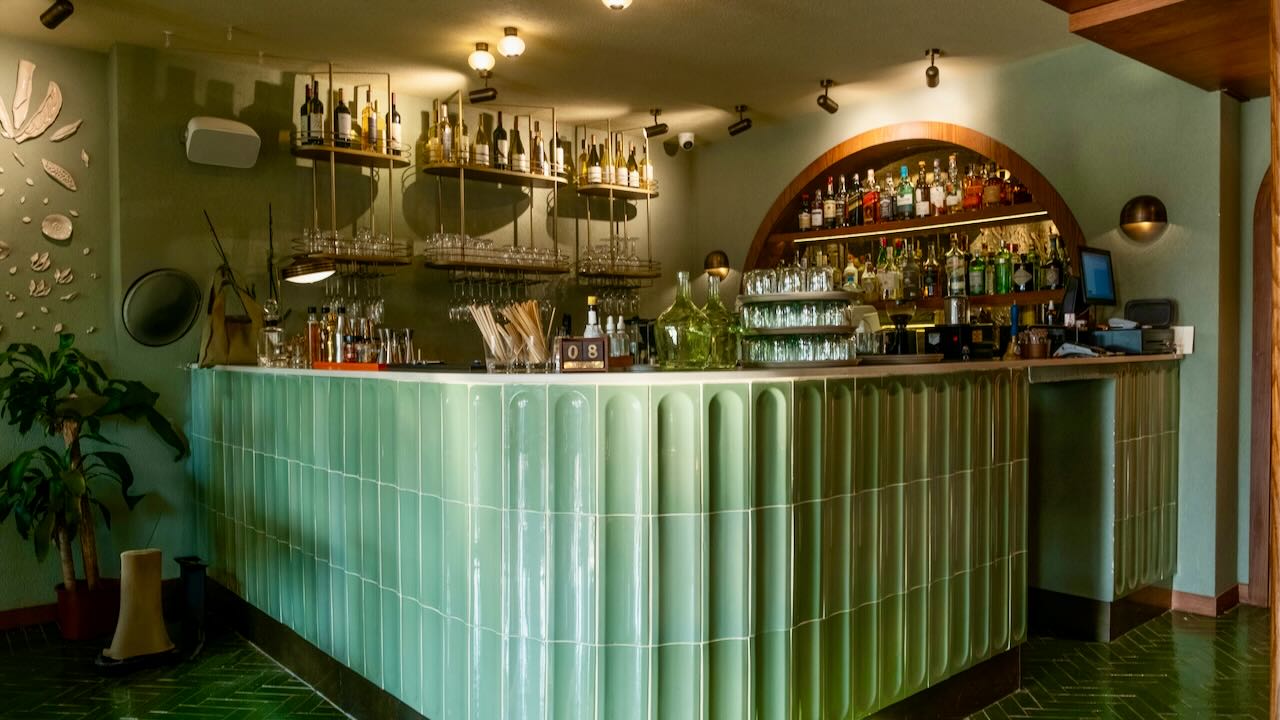
A well-stocked bar tucked into a dining room corner looks great in photos, but the moment six guests arrive and you’re crouching behind a bar cart searching for the bottle opener, the illusion falls apart. The gap between a home bar that photographs well and one that actually works during a gathering comes down to decisions that include where you stand, how you reach your ice, and whether your guests can watch you pour without crowding the kitchen doorway.
We walk you through every step of how to set up a home bar as a genuine hosting station — picking the right spot, stocking versatile spirits, and organizing your bar tools so the drinks flow and you stay in the conversation.
At a Glance
- Your home bar setup should prioritize guest flow and easy access over decorative arrangements that look good but slow you down during a gathering.
- Six base spirits — vodka, gin, rum, tequila, bourbon, and Scotch — cover the foundation for nearly every classic cocktail your guests will request.
- Mixers, fresh garnishes, and quality ice matter as much as the bottles themselves, yet most bar setup guides barely mention them.
- A cocktail shaker, bar spoon, jigger, and strainer handle 90% of home drink-making — you don’t need a professional-grade toolkit to serve confidently.
- The right spot for your bar area depends on where your guests naturally gather, not which room has the most shelf space.
What Is a Home Bar Setup?
A home bar setup is a dedicated space in your home — a full wet bar, a bar cart in the living room, or a small corner of the kitchen — organized specifically for preparing and serving drinks to guests. Unlike a liquor cabinet that simply stores bottles, a true home bar setup accounts for workflow: spirits within arm’s reach, bar tools laid out for quick use, and enough surface area to mix a cocktail while carrying on a conversation. The distinction matters because a setup designed around hosting keeps you present with your guests rather than disappearing into the kitchen every time someone asks for a refill.
Choosing the Right Spot for Your Home Bar
The single biggest mistake in home bar setup is choosing a location based on where a bar cart fits rather than where your guests actually spend time. A bar area tucked in a spare room or basement bar looks impressive, but if your gatherings happen in the kitchen and living room, you’ll spend the night walking back and forth instead of mixing drinks alongside the people you invited.
Start by observing your own hosting pattern. Where do guests drift when they arrive? Where does the conversation settle after dinner? That natural gathering point — usually the kitchen island, a dining room sideboard, or the edge of the living room — is where your own home bar belongs.
According to VinePair’s home bar guide, positioning your setup near the social space where conversation naturally flows is the foundation of a functional bar layout.
For small spaces, a bar cart or a repurposed bookcase bar against a wall works beautifully as long as it’s within the flow of foot traffic. Even with limited space, a dedicated spot like a rec room or finished basement where you host regularly changes the equation — the key is matching the right location to where people actually gather.
- Proximity to the kitchen matters: You’ll need access to a sink for rinsing shakers and topping off water bottles, so placing your bar area within a few steps of running water saves real time during a party.
- Surface area over storage: A small countertop where you can set down three glasses and a cocktail shaker is more useful than deep shelving packed with bottles you rarely open.
- Guest sightlines: Position the bar so guests can see you making drinks — it becomes a conversation starter and turns your corner into a functional space that draws people in.
As U.S. News Real Estate notes, thinking about your bar’s location in terms of traffic patterns and entertaining flow prevents the most common regret: a beautiful setup no one uses because it’s in the wrong room.
Your right spot might be a small corner you’ve never considered. Measure the width — if you can fit a surface at least 24 inches wide, you have enough room for a functional bar area.
|
Keep the Drink Plan Together |
Building a Spirit Collection That Covers Every Guest
A perfect home bar doesn’t need thirty bottles — it needs the right six. The base spirits that anchor every well-stocked bar are vodka, gin, rum, tequila, bourbon, and a blended Scotch. With those six on your shelf, you can make a gin and tonic, a margarita, a whiskey sour, a daiquiri, an old fashioned, and dozens of other classic cocktails without scrambling for a specialty bottle at the last minute.
The Lush Life’s home bar guide recommends starting with one quality bottle of each base spirit rather than buying multiple brands in the same category. A single versatile gin and a solid bourbon do more for your hosting than three budget vodkas gathering dust.
Once your base spirits are in place, build outward based on what you actually serve:
- Brown spirits for sipping occasions: If your gatherings lean toward after-dinner drinks, add a single malt whisky or an aged rum. These reward slow sipping and don’t require mixers.
- Versatile spirits for cocktail-heavy nights: A good tequila reposado pulls double duty in margaritas and palomas. Dry vermouth and sweet vermouth turn your bourbon and gin into Manhattans and martinis. If you’re a gin drinker who hosts often, a second botanical style gives your guests a choice.
- Wine and beer for non-cocktail drinkers: Keep a few wine bottles and craft beers on hand. Not every guest wants a cocktail, and a well-stocked home bar acknowledges the full range of alcoholic beverages your friends prefer.
Serious Eats’ cocktail guide suggests thinking in terms of drink families rather than individual recipes — a sour, a spirit-forward drink, a highball, and a stirred cocktail cover most requests. Stock the right spirits accordingly and you’ll rarely get caught short.
One shelf of six to eight bottles, chosen with your favorite spirits and your guests’ preferences in mind, will serve you better than a crowded bar cart full of impulse purchases. In our experience hosting, the bottles that get opened most are the ones tied to a specific cocktail recipe book or menu you’ve actually practiced.
The real test of your spirit collection isn’t variety — it’s whether you can make three different drinks confidently without pausing to read a label. Let your personal style guide the selection rather than a generic shopping list.
Mixers, Garnishes, and Ice: The Unsung Backbone of Good Drinks
Most home bar guides spend pages on spirits and skip past the ingredients that actually make a drink taste finished. A perfectly chosen bourbon poured into a glass with flat tonic water and a wilted lime wedge doesn’t impress anyone. Your mixers, garnishes, and ice deserve the same attention as your bottles.
Stock these mixers and you’ll cover the essentials:
- Tonic water and soda water: The backbone of highballs and spritzes. Buy small bottles — once opened, carbonation fades within a day.
- Simple syrup: Make a batch at home (equal parts sugar and water, heated until dissolved) and refrigerate. It dissolves instantly in cold drinks where granulated sugar won’t.
- Fresh juices: Lemon juice and lime juice, squeezed the day of your gathering, change the quality of every sour and citrus cocktail. A citrus juicer pays for itself the first time you taste the difference.
- Ginger ale and cola: Cover the whiskey-ginger and rum-and-cola crowd with quality brands, not bargain-bin plastic bottles.
According to Newair’s entertaining guide, a well-prepared host keeps mixers organized and chilled before guests arrive rather than scrambling to find them mid-party. Set your tonic water, soda water, and fresh juices on the bar surface thirty minutes before the doorbell rings.
Garnishes take thirty seconds to prepare and add a layer of aroma and visual appeal that separates a good cocktail from a great one. Keep these on hand:
- Lemons and limes, sliced into wheels and wedges
- Fresh mint (store stems in a glass of water to keep them perky)
- Olives for martinis
- Cocktail cherries for Manhattans and old fashioneds
Then there’s ice — the ingredient many hosts underestimate. A standard refrigerator’s ice maker rarely produces enough for a gathering of six or more. We recommend making or buying extra ice the day before and storing it in a dedicated ice bucket or insulated container. A portable ice maker is a worthwhile investment if you host regularly — it produces fresh ice on demand and keeps your freezer free for food.
The unsung truth: your guests will remember the cold, crisp gin and tonic with a proper lime wedge long after they forget which brand of gin you poured.
|
Hosting Tip: Chill Your Glasses for 10 Minutes and Every Drink Tastes Sharper |
What Glassware and Bar Tools Do You Actually Need?
You don’t need a wall-mounted shelf of specialty glasses to serve good drinks. You need four types of glassware and five bar tools — and you need them where you can grab them without turning your back on the conversation.
Glassware that covers every standard drink:
- Rocks glasses (old fashioned glasses): For whiskey neat, on the rocks, and stirred cocktails. The workhorse of any home bar.
- Wine glasses: One set handles both red and white. If you serve wine frequently, a dedicated set for each gives guests the right glass without a second thought.
- Highball or Collins glasses: For gin and tonics, mojitos, and any tall drink with ice and a mixer.
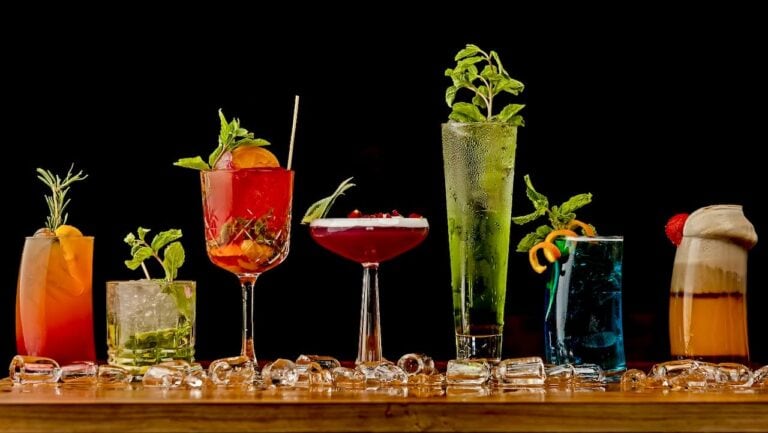
- Cocktail glasses (coupes or martini glasses): For stirred or shaken drinks served up — Manhattans, martinis, daiquiris.
Whiskey glasses, shot glasses, beer mugs, and martini glasses are nice to have, but those four categories handle the vast majority of what your guests will drink. A variety of glassware builds over time — start with the essentials and add specialty pieces as your hosting style takes shape.
Aged & Charred’s home bar guide suggests investing in a small variety of glassware rather than large sets of one type — four of each is enough for most gatherings.
The bar tools that actually earn their place:
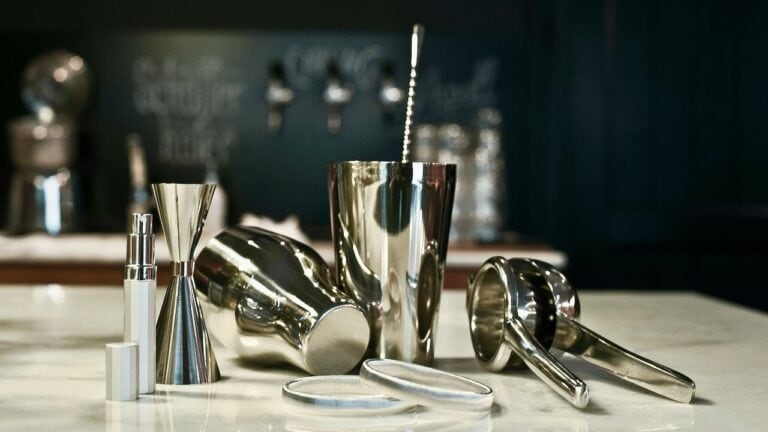
- Cocktail shaker: A Boston shaker or cobbler shaker — either works. This is the single most-used tool behind any bar.
- Bar spoon: Long enough to stir a drink in a tall mixing glass without your fingers touching the ice. Essential for Manhattans, old fashioneds, and any stirred drink.
- Jigger: Precise measurements turn guesswork into consistency. A 1 oz / 2 oz jigger covers most cocktail recipes.
- Strainer: A Hawthorne strainer fits over your shaker tin and catches ice and pulp. Pair it with a fine-mesh strainer for silky citrus drinks.
- Bottle opener and corkscrew: The tools you’ll reach for most often, especially when guests bring wine bottles or craft beers.
Grand One Lounge’s bar setup reference recommends keeping your right tools within arm’s reach on the bar surface rather than tucked in a drawer — speed and visibility both improve when your cocktail shaker and bar spoon are already out.
If you love cocktails and want to expand, a muddler for mojitos, a citrus juicer for fresh juices, and a bar mat to catch drips are the next tier. But start with the five essentials and you’ll handle any request your guests throw at you.
One of the best ways to match your tool selection to specific cocktail menus is to plan two or three drinks in advance and set out only the tools those recipes require.
The right tools, kept visible and organized, send a quiet signal to your guests: you know how to make good drinks, and they’re in good hands.
|
Share Every Prep Task Clearly |
Designing Your Bar for Hosting, Not Just Display
A home bar setup that works during a party looks different from one designed for photos. It comes down to workflow — can you reach everything, make a drink, and hand it off in two steps or fewer?
Start with zones. Hard Rock Stone Works’ bar design tips outline a principle that scales to any space: organize your bar area into prep, pour, and serve zones so you’re never reaching over bottles to grab a glass.
- Prep zone: Cutting board, citrus juicer, and garnishes — closest to the sink.
- Pour zone: Spirits, cocktail shaker, jigger, and mixing glass at center.
- Serve zone: The edge nearest your guests, kept clear for finished drinks.
For a bar cart or small corner, these zones compress into one surface, but the left-to-right sequence still matters. The Wine Sisters’ home bar guide notes that even a compact setup benefits from intentional placement — six inches of organization separates a confident pour from a fumbled hunt for the strainer.
Storage decisions that shape hosting flow:
- Front-load your most-used bottles: Base spirits and the two or three bottles you pour most sit at the front of your bar counters or cart surface. Everything else stays behind or below.
- Wall-mounted shelves for backup: Wine bottles, extra mixers, and rarely used liqueurs remain visible but clear of your workspace. A small wine fridge is a worthwhile addition if you serve whites and rosés often.
- Update your shopping list after every gathering: Note what ran out. A cocktail menu planned around what you already own prevents the mid-party discovery that you’re out of tonic water.
- Place comfortable seating nearby: A well-designed home bar invites guests to linger — a pair of stools within reach of the serve zone turns drink-making into a shared experience.
Local Bartending School’s guide emphasizes that building a home bar on any budget starts with what you have — a kitchen counter, a side table, a bookcase bar — and upgrades follow after you know what your setup needs.
Your bar also connects to the rest of your hosting plan. TGH’s spirit and food pairing guide matches drink menus to dinner courses, our dinner party guide ties the sequence from first pour to final plate, and the backyard entertaining guide adapts zone principles for outdoor setups. Our essential cookware guide rounds out the kitchen side for hosts who cook and pour on the same night.
One detail separates confident hosts from stressed ones: practice your signature drinks before the gathering. Haus of Bars’ setup guide reminds hosts that knowing your bar station inside and out — where every tool sits, how long a shake takes — turns drink-making into something your guests enjoy watching.
In our years of hosting, we’ve found that the setup guests compliment most isn’t the one with the most bottles. It’s the one where the host looks comfortable, reaching for the right spirit without hesitating and handing over a drink before the guest finishes asking.
Frequently Asked Questions
What do you need to set up a home bar?
You need six base spirits, four types of glassware, five essential bar tools, and a handful of mixers to set up a home bar. Stock vodka, gin, rum, tequila, bourbon, and Scotch, add a shaker, bar spoon, jigger, strainer, and bottle opener, then round it out with tonic water, soda water, citrus, and simple syrup on a dedicated surface.
How much does it cost to set up a home bar?
A basic home bar setup runs between $200 and $400 for mid-range spirits, essential bar tools, and starter glassware. You can begin with three base spirits instead of six and add bottles as your hosting needs grow. The biggest variable is spirit selection. A single malt Scotch costs more than a blend, but both work at a home gathering.
What are the 6 basic spirits for a home bar?
The six spirits that cover the widest range of classic cocktails are vodka, gin, white rum, tequila Blanco, bourbon, and blended Scotch. Each anchors a different drink family. Vodka for highballs, gin for botanical cocktails, rum for tropical drinks, tequila for margaritas, bourbon for old fashioneds, and Scotch for sipping neat.
Where is the best place to put a home bar?
The best spot is wherever your guests naturally gather: usually near the kitchen, in the living room, or along a dining room wall. Avoid tucking your bar into a room guests rarely visit. Proximity to a sink matters for cleanup and positioning the bar where guests can see you pour turns it into a social anchor.
How do I organize my home bar?
Organize into three zones: prep (cutting board, garnishes, juicer), pour (spirits, shaker, jigger, mixing glass), and serve (clean glasses, napkins, finished drinks). Keep your most-used spirits at the front, store backup bottles behind, and lay bar tools on the surface rather than in a drawer. Restock after each gathering.
What size bar is best for a home?
A functional home bar needs at least 24 inches of surface width: enough for a cocktail shaker, two glasses, and garnishes. A bar cart at 30 to 36 inches wide works for gatherings of four to eight. For larger groups, a sideboard or counter at 48 inches or more gives room for batch cocktails alongside your main prep area.
Continue Reading:
More On Home Bar Setup & Design
- Bar Tools Every Home Host Needs for Better Drinks
- Home Bar Essentials: Every Bottle and Tool You Need to Start
- Outdoor Bar Ideas on a Budget: Build a Backyard Bar for Less
- Wet Bar vs Dry Bar: Which Setup Fits Your Home?
More from The Gourmet Host
- Dinner Party Seating: 6 Rules for the Host’s Chart
- Icebreaker Questions for Couples That Deepen Connection
- Dinner Speech Topics: What to Talk About After the Meal
- The Best Hot Sauce Making Kits for a DIY Dinner Party Activity
- How to Flambé at Home: A Host’s Guide to Safe Flames
Explore TGH Categories
- Set the Scene
- Drinks and Bar
- Plan the Meal
- Engage with Guests
- Games and Toasts
- Tools and Techniques
- Why We Gather