Outdoor Bar Ideas on a Budget: Build a Backyard Bar for Less
 13 min read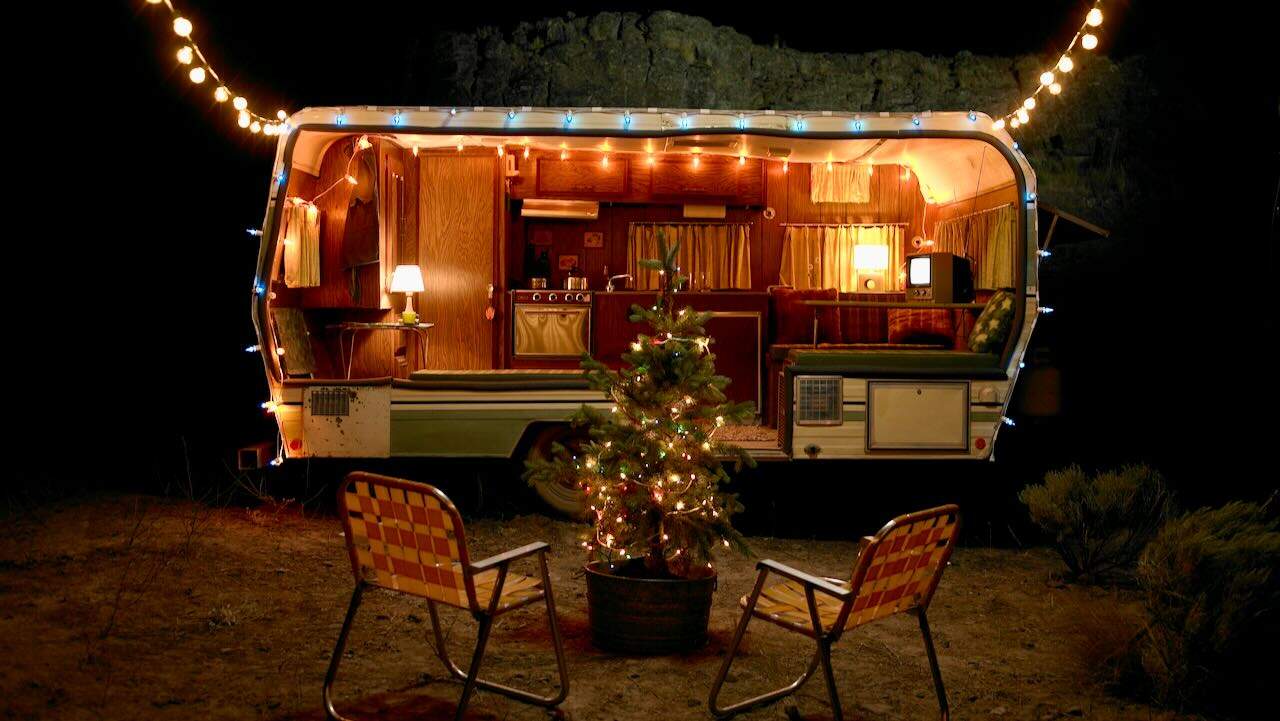
A stack of lumber, a free afternoon, and about $150 can get you further than most outdoor bar Pinterest boards would have you believe. The gap between inspiration photos and an actual usable bar usually comes down to three missing details: which materials survive rain, how to build a surface that holds weight, and where to place the whole thing so guests actually gather around it.
This article fills those gaps with budget-tested outdoor bar ideas — from pallet builds under $200 to small patio setups that feel twice their size — plus the weather-proofing and layout decisions that keep your bar hosting-ready all season.
At a Glance
- Wooden pallets and reclaimed doors make sturdy, affordable outdoor bar frames for under $200 in total material costs.
- Weather-resistant materials like pressure-treated lumber and marine-grade polyurethane protect your bar through rain, sun, and frost without annual rebuilds.
- A stand-up bar with no seating takes up as little as four square feet of patio space while keeping guests on their feet and circulating.
- String lights, potted herbs, and a clean white bar towel add polished outdoor decor to a DIY bar for less than $30 combined.
- Placing your outdoor bar in a shady spot near the house cuts sun exposure for bottles and keeps you within reach of the kitchen.
What Is an Outdoor Bar on a Budget?
An outdoor bar on a budget is a purpose-built drink station — constructed from affordable or reclaimed materials — that turns a patio, deck, or backyard corner into a dedicated hosting space without a contractor’s invoice. For hosts who entertain regularly but balk at the $3,000-plus price tags on custom outdoor kitchen builds, budget outdoor bars deliver the same guest-facing function using wooden pallets, repurposed furniture, or basic lumber from any home improvement store. What separates a budget bar from a folding table with bottles on it is intentional design: a weather-resistant surface, organized storage underneath, and a layout that draws guests in rather than blocking foot traffic.
What Makes an Outdoor Bar Worth Building?
The real value of an outdoor bar isn’t the bar itself — it’s the way it changes how your guests move through a gathering. Without a dedicated drink station, you end up ferrying glasses from the kitchen to the patio every 20 minutes, missing half the conversation.
A fixed outdoor bar anchors the action in one spot and gives guests a natural place to stand, lean, and linger while you mix drinks at arm’s length.
You don’t need a grill island or an outdoor kitchen to justify building one. Even a simple bar structure made from stacked crates or a repurposed potting bench creates a clear signal: this is where drinks happen. That clarity shapes how people circulate, and it keeps your indoor kitchen free for food prep instead of doubling as a cocktail station.
If you’ve already thought through the flow of a backyard dinner party, an outdoor bar is the natural next piece — a station that handles drinks so your table can focus on food.
- Guest flow improves instantly: A bar top at standing height encourages mingling rather than everyone clustering around a single seated dining table.
- Your hosting gets faster: With bottles, ice, and tools in one outdoor area, you cut the back-and-forth trips that eat into your time with guests.
- The cost threshold is low: A functional backyard bar built from reclaimed materials or basic lumber can come together for $50–$200, depending on how much you already have on hand.
- It works in any footprint: Whether you have a full yard or a small patio, a bar can scale from a wall-mounted fold-down shelf to a freestanding island.
The entertaining advantage matters most on warm evenings when everyone gravitates outside anyway. In our experience hosting, the gatherings where drinks are staged outdoors tend to last longer — guests relax faster when they’re not waiting for someone to bring them a refill.
A budget-focused approach to backyard bar building means you can test the concept with a simple setup before committing to anything permanent.
If the outdoor bar works for your group — and it almost always does — you can upgrade materials and add features over time without starting over.
|
📲 Your Backyard Bar, Organized Before You Build |
Which Budget Materials Hold Up Outdoors?
The materials you choose determine whether your outdoor bar lasts one season or ten. Pressure-treated lumber is the default starting point — it resists rot and insects, costs roughly $3–$6 per board foot at most home improvement stores, and holds up through rain and humidity without warping.
For a bar top that sees constant use and spills, sealing the surface with marine-grade polyurethane adds a waterproof layer that also makes cleanup faster.
Wooden pallets remain one of the most popular options for budget builds because they’re often free from warehouses, shipping yards, or online marketplaces. The key is selecting pallets stamped “HT” (heat-treated) rather than “MB” (methyl bromide–treated), since HT pallets are safe for food-adjacent surfaces. Sand the boards down, apply two coats of exterior stain, and you get a rustic bar frame with real character.
- Pressure-treated pine: Affordable, widely available, and rated for ground contact. Ideal for the bar structure and legs.
- Cedar: Naturally weather-resistant without chemical treatment. Costs more than pine but weathers to a silver-gray patina that suits garden bar ideas.
- Stainless steel frames: Used for legs, brackets, or accents. Won’t rust and pairs well with wood surfaces for a more modern look.
- Concrete pavers or cinder blocks: Free or cheap base materials for placing your bar at the right height off wet ground. Stack and cap with a wood plank for a sturdy standalone bar area.
Wine barrels — cut in half or left whole — double as both storage and structural supports. You can find used barrels from local wineries or online listings for $40–$80 each, and the curved stave profile adds a visual texture that flat lumber simply can’t replicate.
For the bar top specifically, butcher block off-cuts from kitchen renovation sales give you a thick, smooth surface that handles condensation and glass weight without sagging.
One material to avoid outdoors: untreated MDF or particleboard. It swells at the first sign of moisture and falls apart within weeks. Even if a piece looks solid at the hardware store, anything pressed or composite without an exterior rating belongs inside.
The Spruce’s outdoor bar roundup confirms that weather-resistant materials are the single biggest factor in whether a DIY bar survives past its first summer.
Pair your chosen materials with outdoor table setting choices that complement the bar’s finish — matching wood tones or contrasting metal textures tie the whole outdoor space together.
The smell of freshly stained cedar on a warm afternoon is its own kind of reward — and a good reminder that building the bar is half the fun of eventually serving drinks from it.
|
📨 Budget Builds, Hosting Wins, Every Week |
How Do You Build a Backyard Bar for Under $200?
Start with dimensions. A two-person bar top works well at 48 inches wide by 18 inches deep by 42 inches tall — standard standing height that lets guests rest a drink comfortably. At that size, you need roughly eight feet of lumber or four stacked pallets to build the frame, plus a single sheet of plywood or a reclaimed door for the surface.
The simplest pallet bar build follows three steps: stand two pallets upright and parallel, screw a third pallet across the top as the bar surface, and reinforce the joints with L-brackets from any hardware store. Total material cost with brackets, screws, and a quart of exterior stain runs about $30–$50 if the pallets are free.
For a cleaner finish, swap the pallet top for a sanded wooden plank or an old door trimmed to size.
Pallet build ($30–$60): Three to four pallets, L-brackets, exterior screws, stain. Assembled in under two hours. Best for rustic backyard bar ideas.
Lumber frame build ($100–$150): Four 4×4 posts for legs, 2×6 boards for the frame, a plywood or butcher-block top. Sturdier, allows for a shelf underneath. YellaWood offers a step-by-step plan with a cut list.
Repurposed furniture build ($50–$100): An old bookshelf, dresser, or potting bench cleaned up with exterior paint and sealed. Add hooks for towels and a mounted bottle opener.
- Measure and mark your footprint on the patio or grass — confirm the bar won’t block a walkway or sit too far from an outlet if you plan to add string lights later.
- Cut and assemble the frame using weather-resistant screws (stainless or coated deck screws — never drywall screws, which rust in a week).
- Attach the bar top and check for wobble. Shim uneven legs with rubber feet or small pavers.
- Seal every exposed surface with at least two coats of exterior polyurethane or marine varnish, paying extra attention to end grain where moisture wicks in fastest.
- Add functional details: a towel hook, a mounted bottle opener, and a small shelf underneath for mixers and ice.
Craftcamp’s free outdoor bar plans include downloadable cut lists and diagrams for builds at three different price points. The plans are sized for standard lumber dimensions, so there’s no custom milling involved — everything comes straight off the shelf at the hardware store.
Don’t overlook old doors as a bar top material. A solid-core interior door from a salvage yard costs $10–$25, already has a smooth surface, and at 80 inches long provides more workspace than most purpose-built bar tops. Sand it, stain it, and mount it across two sawhorses or crate stacks for an outdoor bar that looks intentional rather than improvised.
With a sturdy surface in place, you’ll want something worth serving — and cooking with friends at the barturns drink-making into its own group activity.
Small Patio Setups That Still Feel Like a Real Bar
A small patio doesn’t mean you’re limited to a cooler on a folding chair. The trick is choosing bar formats that take advantage of vertical space and wall edges rather than eating into your floor area.
A wall-mounted fold-down bar is the most space-efficient option — the surface folds flat against the house or fence when not in use and drops down to serving height in seconds. You can build one from a single hinged plank, two chain supports, and a couple of heavy-duty brackets for under $40. When it’s folded up, it takes zero floor space. When it’s down, you have a full bar top for mixing and serving.
- Bar carts on wheels: A rolling cart parked against the railing or wall holds bottles, glassware, and a small ice bucket. When the party ends, wheel it back inside. Patio Productions’ guide to patio bar setups shows how even a narrow balcony can support a functional drink station.
- Window pass-through bars: If your patio abuts the kitchen, a serving window eliminates the need for a standalone surface entirely. Mix inside, serve through the window onto a narrow exterior shelf.
- Corner L-shaped bars: Tucking the bar into a corner uses two walls for support and creates a cozy patio bar space that feels enclosed and intentional. Add two wrought iron bar stools and you’ve got bar seating without taking center-floor real estate.
For outdoor decor on a tight budget, string lights do more work per dollar than almost anything else. A 48-foot strand of warm-white Edison bulbs costs $15–$25 and transforms a bare patio into a space guests describe as “cozy” before they’ve even been handed a drink. Drape them in a zigzag overhead or wrap them around a pergola post — the warm glow softens hard surfaces and extends your hosting hours well past sunset.
Potted herbs on or near the bar — rosemary, mint, basil — double as garnishes and living outdoor bar decor. A guest watching you snip fresh mint straight into a mojito glass will remember that detail.
Sip the Style’s backyard bar feature highlights how a few plants, a clean white bar towel draped over the edge, and smart use of color in your glassware turn a basic setup into something that photographs as well as it functions. Layer in a few party decoration details — a lantern on the bar top, a small chalkboard drink menu — and a $50 patio setup starts to feel curated.
The goal with a small space isn’t to cram in everything a full outdoor kitchen offers — it’s to choose the two or three elements that matter most for your personal style of hosting and execute them well.
|
🌿 Place Your Outdoor Bar Where the Breeze Hits First |
Keeping Your Outdoor Bar Ready Through Every Season
A bar that falls apart after one rainy week isn’t a bar — it’s a project you have to redo every spring. Weather-proofing your outdoor bar takes a few hours up front and saves you from rebuilding the bar structure entirely next year.
Start with the surface. Two coats of marine-grade polyurethane on the bar top create a seal that repels rain, resists UV fading, and wipes clean after a night of spills. Reapply once a year — a 15-minute task — and the finish stays glossy for seasons. For the frame and legs, brush on a wood preservative or exterior deck stain that penetrates rather than just coating the surface.
Penetrating stains hold up better than film-forming finishes, which peel and crack as wood expands and contracts with temperature swings.
- Cover when not in use: A fitted tarp or outdoor furniture cover keeps rain, pollen, and bird droppings off the bar top between gatherings. Secure it with bungee cords so wind doesn’t carry it off.
- Place the bar at the right height off the ground: Rubber feet, bricks, or small concrete pavers under the legs prevent ground moisture from wicking up into the wood. Even a half-inch gap makes a measurable difference.
- Bring accessories inside: Bottle openers, cloth towels, and anything metal that can rust should come inside after each use. Keep a small bin near the door for quick stash-and-grab.
For fall and winter, Lume Outdoor Living recommends moving loose accessories indoors and storing cushions or bar seating in a dry garage or shed. The bar itself — if sealed properly — can stay outside year-round in most climates. In regions with heavy snow or prolonged freezing, a breathable cover (not plastic, which traps condensation) protects the surface without encouraging mold underneath.
When the weather cooperates, move dinner outside too — your sealed bar becomes the anchor of a full outdoor dining setup that works for everything from casual drinks to seated meals.
One detail hosts often overlook: ice management. If your outdoor bar doesn’t have an ice maker built in, a standalone insulated bucket or a large cooler tucked underneath the bar keeps ice accessible without multiple trips inside. In our years of hosting, we’ve found that running out of ice kills the energy of an outdoor gathering faster than almost anything else.
A well-sealed outdoor bar with a cover and a stocked ice bucket underneath is ready to serve in five minutes flat. That speed — peel off the cover, set out glasses, fill the bucket — is what turns an outdoor bar from a weekend project into an actual hosting habit.
Frequently Asked Questions
Start with free or low-cost materials like wooden pallets, reclaimed lumber, or repurposed furniture. A basic pallet bar requires three pallets, L-brackets, screws, and exterior stain — total cost under $60. Sand surfaces smooth, seal with polyurethane, and add a mounted bottle opener and towel hook for functionality.
Pressure-treated pine and cedar resist rot and insects without expensive treatments. For the bar top, marine-grade polyurethane over sanded wood creates a waterproof, wipe-clean surface. Stainless steel hardware prevents rust, and concrete pavers make stable, free base supports for legs.
A DIY pallet bar costs $30–$60 if pallets are free. A lumber-frame build with a plywood or butcher-block top runs $100–$200 depending on wood species and hardware. Adding accessories like string lights, a bottle opener, and a cover brings the total to $150–$250 for most setups.
Yes — pallets make excellent bar frames when you select heat-treated (stamped “HT”) pallets and sand them thoroughly. Stand two pallets upright for the base, screw a third across the top, and reinforce joints with L-brackets. Seal all surfaces with exterior stain for durability and a polished appearance.
Most freestanding outdoor bars that don’t involve plumbing, electrical wiring, or permanent foundations do not require a building permit. If your build includes a sink, gas line, or is attached to your house, check your local building code. Homeowner association rules may also restrict structure placement in your yard.
Seal all wood surfaces with marine-grade polyurethane or penetrating exterior stain and reapply annually. Cover the bar with a breathable fabric cover between uses — avoid plastic, which traps moisture and promotes mold. Store metal accessories and cushions indoors after each gathering to prevent rust and mildew.
Continue Reading:
More On Home Bar Setup
- How to Set Up a Home Bar for Hosting That Actually Works
- Wet Bar vs Dry Bar: Which Setup Fits Your Home?
- Home Bar Essentials: Every Bottle and Tool You Need to Start
- Bar Tools Every Home Host Needs for Better Drinks
More from The Gourmet Host
- How to Host a Backyard Dinner Party Worth Talking About
- Outdoor Dining Ideas for Every Space and Style
- Outdoor Table Setting Ideas for Every Style
- Party Decoration Ideas That Set the Scene
- The Best Food to Cook with Friends: Fun Meals That Bring Everyone Together
Explore TGH Categories