How to Host Your First Dinner Party With Ease
 14 min read
The first dinner party you host will probably feel like the hardest thing you’ve done in your kitchen. Not because the food is complicated, but because you’re suddenly juggling timing, seating, conversation, and a main course that needs to land on the table while it’s still hot. That pressure is real—and it’s also completely manageable once you break the evening into a few clear steps.
We’ve spent years learning how to move from anxiety to confidence, and the pattern is always the same: the hosts who enjoy their own party are the ones who planned less, not more.
Below, we’ve broken it down into a timeline, a streamlined menu approach, and the handful of details that actually matter—so your first dinner party feels like something you’d do again.
At a Glance
- Keep your guest list between four and eight people for your first time hosting.
- Choose a main course you’ve cooked before rather than testing a new recipe on guests.
- Set your table the night before to free up mental space on the day of the event.
- Ask about dietary restrictions when you invite, not the week before.
- A relaxed atmosphere matters more than a perfect dinner party menu.
- Build a timeline that gives you at least thirty minutes with your guests before the main meal.
What Is a First Dinner Party?
A first dinner party is the moment when cooking for people stops being casual and starts feeling like an event—and the gap between those two things is where most of the nerves live. For hosts who have never planned a full evening around a meal, the real challenge isn’t skill in the kitchen; it’s coordinating everything that happens outside of it, from the guest list to the goodbye. What separates a first dinner party from a regular weeknight meal is the intention behind it: you’re creating an experience where the food, the setting, and the company are all working together on purpose.
Start With a Guest List That Keeps Things Easy
The guest list sets the scale for everything else—your menu planning, your table setting, and how much time you’ll spend in the kitchen. For a first dinner party, invite your closest friends or a small group of people you’re genuinely comfortable around. Four to eight guests is the sweet spot: enough energy to keep engaging conversations going, but not so many that you’re managing logistics instead of enjoying your own dinner party.
- Ask about dietary restrictions upfront: Include the question in your invitation—whether that’s a quick text, an email, or a Paperless Post invite. Knowing about allergies or preferences early shapes your entire menu.
- Think about group dynamics: If this is your first time, invite close friends who will be forgiving if the roast is ten minutes late. Save the mixed group of colleagues and acquaintances for your next dinner party.
- Send a soft dress code: A one-line note like “casual, come hungry” removes guesswork and sets a relaxed atmosphere from the start.
One of the best ways to keep things manageable is to resist the urge to add “just one more” to the list. As the team at Barebones Living suggests in their 10-step planning guide, a defined guest list is the first step to a stress-free dinner party. Your dining table should feel full, not cramped. If you’re hosting in a small space, a good rule of thumb is one seat per two feet of table length.
The hosting advice from Sweet Valley Acres reinforces this: choose guests who make you feel at ease, and the evening follows.
Once you’ve locked in who’s coming, the rest of your planning gets concrete—starting with what to cook.
|
Keep the Party Plan Together |
Build a Menu You Can Actually Pull Off
Menu planning is where first-time hosts overcommit. The instinct is to impress, but the best dinner parties run on food the host can make confidently, not food that requires a lunch break spent watching tutorial videos. Pick a main course you’ve cooked at least twice before. Pair it with one side dish you can prep the next day—or even the night before—and one that takes five minutes to assemble.
A manageable menu for your first dinner party might look like this:
- A make-ahead main dish: Braised short ribs, a roast chicken, or a one-pot pasta all hold their temperature well and don’t need last-minute attention.
- One prepped side: A grain salad, roasted vegetables, or a simple green salad dressed just before serving.
- A no-cook dessert: Pints of ice cream with a topping station, a cheese board, or store-bought pastries arranged on a nice plate.
The simple menu philosophy from The Speckled Palate applies perfectly to first-time hosts: good food doesn’t need to be complicated. One of our favorite ways to simplify is to stick to dishes where the grocery list is short and the olive oil does most of the heavy lifting.
Fresh herbs make almost anything look intentional, and a small plate of appetizers—even just warmed nuts or marinated olives—gives you a buffer while the main meal finishes. Make sure you have enough plates for each course before you finalize the menu.
Camille Styles’ approach to outdoor dinner menus reinforces this: plan around one hero dish and let everything else support it. If you’re serving delicious food that you’re comfortable making, the evening is already halfway there. The key is giving yourself enough time to enjoy it—which is exactly what the next section covers.
What Should a First-Time Host Prepare the Day Before?
The day of the event should feel like assembly, not construction. Everything that can be done the day before should be—and the list is longer than most new hosts realize. A solid prep schedule is the single biggest difference between a host who’s relaxed at their own table and one who spends the cocktail hour wiping down counters.
- Set the table completely: Plates, wine glasses, water glasses, napkins, place cards if you’re using them. A finished table setting the morning of your party removes one entire task from your day.
- Prep your grocery list and shop: Hit the grocery store or your local farmers market with a written list. Buy extra time on the day of the event by choosing ingredients that don’t need same-day freshness.
- Make your main dish or sauce: Braises, stews, and most sauces taste better the next day. Cook your main course or its base ahead so reheating is all you need.
- Chill beverages: Get your white wine, non-alcoholic beverages, and water into the fridge. One less thing to scramble for when dinner guests arrive.
The prep timeline from A Hundred Affections’ budget-friendly party guide is a useful model: work backward from your serving time and assign each task a window. If dinner is at 7:00, your last thing in the kitchen should be at 6:30—leaving a full thirty minutes for a signature cocktail with your favorite people before the main meal lands.
The hosts who enjoy their own party are the ones who build in breathing room. Transformer Table’s backyard party checklist echoes this—and that breathing room starts with how you set the scene.
|
Hosting Tip: Skip the New Recipe, Your Guests Won’t Know the Difference |
Create a Table Setting That Feels Intentional
Your dining table is the centrepiece of the evening, and it doesn’t need to be expensive to look good. A few deliberate choices—linen napkins instead of paper, a small arrangement of fresh flowers, and actual place settings—signal that this is a dinner party, not a Tuesday night.
The goal is a table that makes guests feel welcomed the moment they sit down.
If you’re working with a long table, use a table runner to anchor the centre and add candles at regular intervals. For smaller dining rooms, a single centrepiece keeps things uncluttered.
Decor Outdoor’s setup tips offer practical principles for arranging place settings that work whether you’re indoors or out: keep everything within arm’s reach, and leave enough space between place cards that elbows aren’t competing.
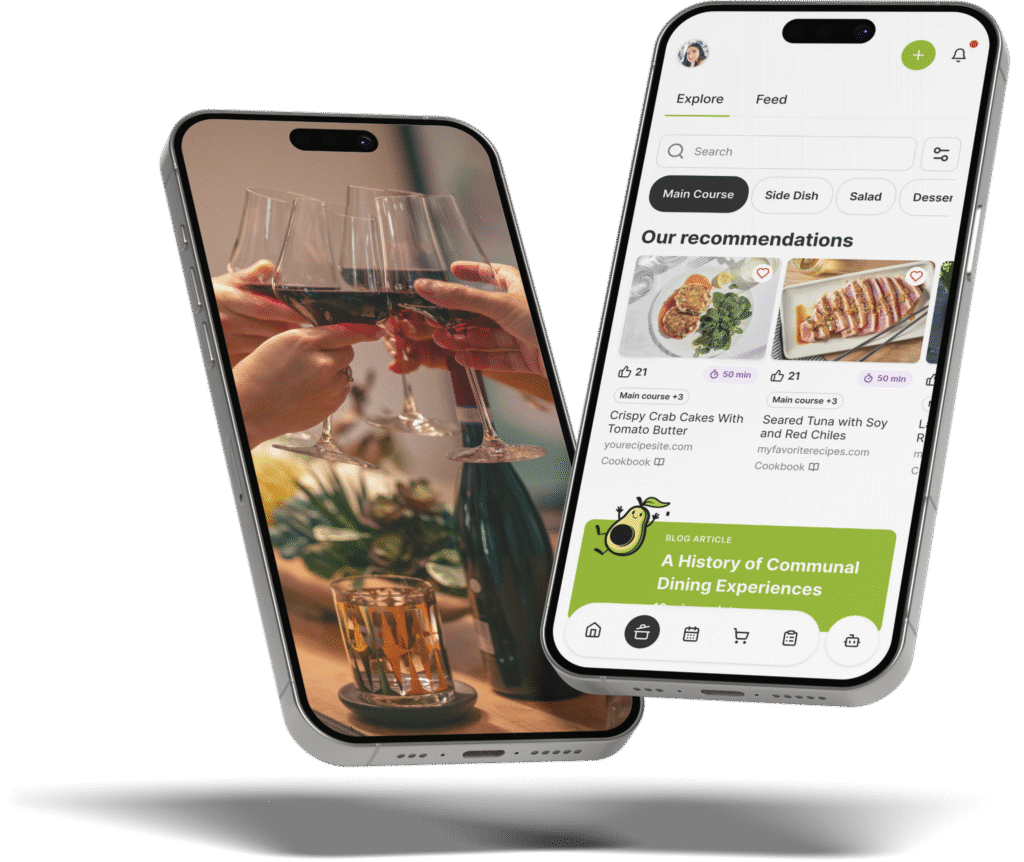
If choosing between mismatched plates from a thrift store and plain white ones from a big-box retailer, go with whatever feels more like you. Your personal style is part of what makes a first dinner party feel special—and tools like the The Gourmet Host app can help you pull together a cohesive look without overthinking it.
- Wine glasses and water glasses: Set both at each place setting, even if you’re only serving one type of drink. It makes the table look complete.
- Linen napkins: They’re reusable, feel nicer in the hand, and cost less per use than a quality paper napkin. Fold them simply—no origami required.
- A finishing touch: One small, specific detail—a sprig of rosemary at each setting, a handwritten place card, a single scented candle—goes a long way toward making a lasting impression.
The team at My 100 Year Old Home walks through a complete DIY tablescape that proves a beautiful table is about arrangement, not budget. Get your table setting fundamentals right, and the rest follows.
With the table set and the food prepped, the only thing left is managing the flow of the evening—and that’s simpler than you think.
Keep the Evening Moving Without a Rigid Schedule
A great time at a dinner party doesn’t come from a script—it comes from a host who’s present. The simplest way to stay present is to know what happens when, loosely. You don’t need a printed itinerary.
You need three anchor points: when guests arrive, when the main course hits the table, and when dessert signals the evening is winding down.
Plan a cocktail hour (even if it’s just a drink station with two options and a small plate of appetizers) that gives you twenty to thirty minutes of quality time with your guests before you need to do anything in the kitchen.
That window is where the energy of the evening gets set. If your best friend walks in and you’re stirring a pot with your back turned, you’ve lost the opening.
- Arrival buffer (30 min): Offer a welcome drink and something to nibble. This is your chance to greet every guest and set a warm, easy way into the evening.
- Main meal (60–75 min): Serve family style if you can—passing serving dishes builds connection and takes pressure off individual plating. Side dishes come out first while you plate or carve the main dish.
- Dessert and wind-down (30 min): Something simple on the table—coffee, a board game option that turns dessert into a mini game night, or a cheese course—gives guests permission to linger and keeps the enjoyable evening going without it feeling like it’s stalling.
RST Brands’ guide to hosting a dinner emphasizes this point: the best hosts are the ones who sit down with their guests, not the ones running a restaurant from their kitchen. If you’ve prepped ahead, the evening almost runs itself.
For dinner party invitations that include an activity, keep it low-effort: board games, a short playlist everyone can add to, or a simple conversation game that keeps the table lively. The point is connection, not competition.
Once you’ve nailed the rhythm of the evening, there’s only one question left—how do you handle the curveballs?
|
Share Every Hosting Task Clearly |
The One Decision That Makes Your First Party Repeatable
Here’s the good news about hosting your first dinner party: the hardest part is deciding to do it. Everything after that—the grocery list, the table, the timing—is a learnable sequence, and it gets easier every time.
The important things to remember are simple. Choose a manageable menu. Prep ahead. Set the table early. And give yourself permission to be imperfect.
The hosts we’ve spoken with over hundreds of interviews say the same thing: the first step was the scariest, and the unforgettable evening that followed made it obvious they’d do it again. Your best friend doesn’t care if the wine glasses don’t match. Your dinner guests care that you invited them.
Pizzazzerie’s backyard dinner party ideas remind us that theme and ambiance don’t require a budget—just a plan. Whether it’s a garden party under string lights or a casual gathering at your dining room table on one of those easy Saturday nights, the dinner party feel comes from the host’s energy, not the décor.
It’s a great way to guarantee a good time with great company, regardless of serving style or living room size. If you want to make next time even easier, plan your next gathering with the The Gourmet Host app and keep the momentum going.
- Write down what worked: A bonus tip from experienced hosts—jot three things that went well and one you’d change. This takes two minutes and makes your next dinner party dramatically smoother.
- Save your grocery list: If the meal landed, keep the list. Having a proven dinner party menu on file means your second event is half-planned before you start.
- Pick a date: The easiest way to make hosting a habit is to schedule the next one before the high of a successful dinner party fades. Don’t leave it to the last minute—a quick text to your favorite people is all it takes.
Hosting is a skill, and like any skill, it compounds. Your first dinner party is the hardest and the most rewarding. Everything you need to keep going—from hosting etiquette essentials to make-ahead menu strategies—is already in the TGH library, and the Explore our categories page is a good place to start.
Frequently Asked Questions
How do you host a dinner party for the first time?
Start with a small guest list of close friends, choose a main course you’ve made before, and set the table the night before. Build in a thirty-minute cocktail hour so you can greet guests instead of cooking. The goal is enjoying the evening, not performing it.
What should a first-time host prepare?
Prepare your main dish or sauce the day before, set the table completely, chill beverages, and finalize a simple grocery list. On the day of the event, focus on reheating, assembling sides, and setting out appetizers. Doing less on the day means more time with your guests.
How far in advance should you plan a dinner party?
Two weeks gives you enough time to send invitations, collect dietary restrictions, and plan a menu without rushing. Shop two days before, prep the night before, and leave the day of for light assembly and personal touches like fresh flowers or place cards.
What is a good menu for a first dinner party?
A one-pot main dish like braised chicken or a hearty pasta, one prepped side such as roasted vegetables or a grain salad, and a no-cook dessert like a cheese board. Prioritize dishes you can make confidently so your attention stays on your guests.
How many guests should you invite to your first dinner party?
Four to eight guests is ideal. This range keeps conversation flowing without overwhelming your kitchen or your seating. Invite people you’re comfortable with. Your closest friends or a small group who will appreciate the effort, even if something goes sideways.
What food is best for outdoor parties?
Food that holds temperature well and doesn’t require precise last-minute plating works best outdoors. Grilled proteins, grain salads, and make-ahead dips travel well from kitchen to patio. Avoid dishes that wilt in warm weather, and consider a simple drink station to keep guests hydrated.
Continue Reading:
More On Backyard Entertaining
- Backyard Entertaining Ideas for Every Season and Space
- How to Host a Backyard Dinner Party Worth Talking About
- Outdoor Dining Ideas for Every Space and Style
- Outdoor Table Setting Ideas for Every Style
More from The Gourmet Host
- Birthday Party Decorations for Adults: Themes That Work
- Instead of Cocktail Hour, Try These Wine and Snacks Combos
- The Ultimate Dinner Party Planning Checklist (Time-Stamped)
- Types of Salt and Which Dishes Each One Belongs On
- Birthday Party Ideas for Adults That Feel Worth the Effort
Explore TGH Categories
- Set the Scene
- Drinks and Bar
- Plan the Meal
- Engage with Guests
- Games and Toasts
- Tools and Techniques
- Why We Gather