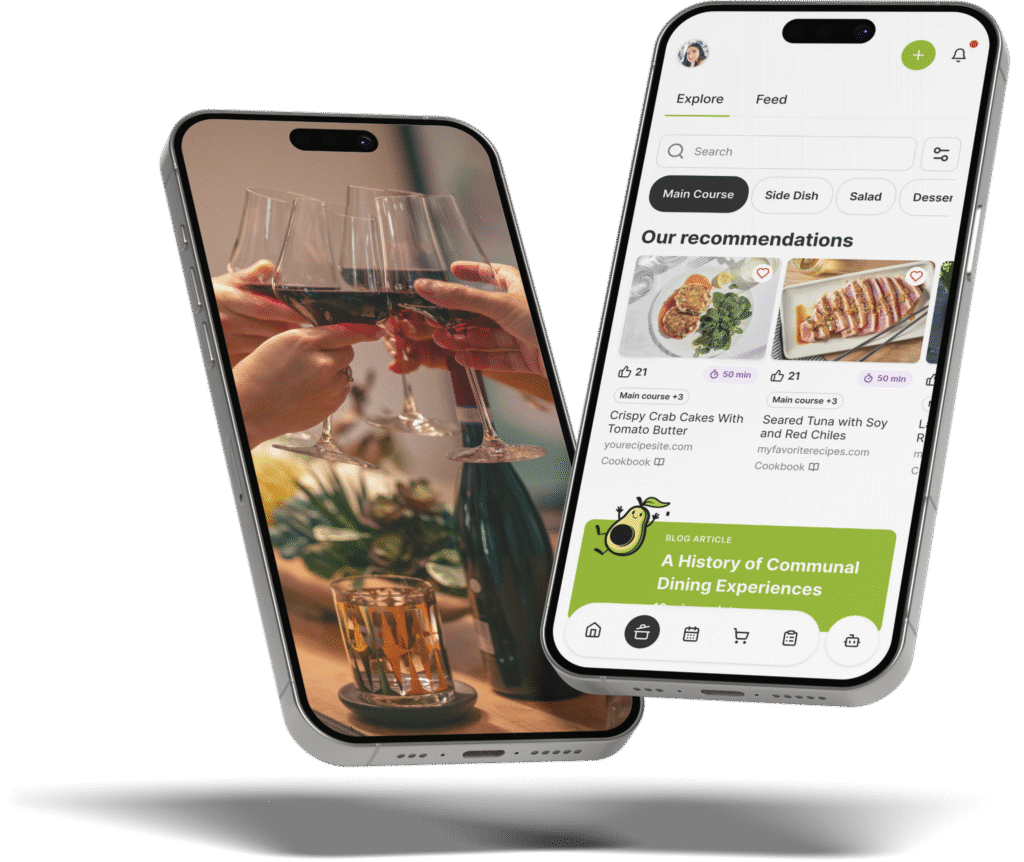
Short 3 Minute Speeches That Inspire Dinner Guests
 14 min read
You have three minutes. That’s roughly 400 words—the length of a thank-you note, not a keynote. Yet some of the most powerful moments at a dinner table happen in exactly that window: a host welcoming the room, a friend honoring a milestone, a quiet voice turning heads between courses.
The problem is that most advice on short speeches targets debate teams and classrooms—not someone standing at the head of their own dining table with a glass in hand.
This walkthrough reframes the 3 minute speeches format as a hosting tool. You’ll learn how to structure a short talk that fits between courses, holds attention, and gives your guests something worth remembering long after the plates are cleared.
At a Glance
- A 3 minute speech is roughly 350–450 words spoken at a conversational pace.
- The best short speeches use a single personal story rather than a list of points.
- Structure matters more in a short speech than in a long one because there is no room to recover from a weak opening.
- Dinner party speeches work best when timed to a natural pause—between courses or just before dessert.
- Practice out loud at least twice to lock your pacing below the three-minute mark.
What Are 3 Minute Speeches?
3 minute speeches are brief, structured talks designed to deliver a single clear message within roughly 350 to 450 words. They matter because tight time constraints force speakers to cut filler, sharpen their point, and connect with listeners faster than any longer format allows. What sets a three-minute speech apart from a quick toast or a rambling introduction is its deliberate arc—an opening that hooks, a middle that develops one idea through a personal story, and a close that leaves a specific takeaway in the room.
What Do 3 Minute Speech Examples Sound Like?
A useful example gives you words to borrow and room to make them yours. Each plan below fills three minutes when the bracketed story is told with specific detail at a relaxed pace. Keep the supplied opening and closing, then replace the prompts with one moment your guests will recognize.
- A warm welcome, relaxed tone, three minutes: Open for 30 seconds with, “Before we start, I want to tell you why seeing all of you at this table matters tonight.” Spend the next 90 seconds on [a small moment that brought this group together]. Use 45 seconds to name what each guest adds to the room, without turning the speech into a roll call. Close with this line for the final 15 seconds: “So here’s to the stories that brought this table together and the ones still to come before the plates are cleared.” This version suits a first dinner in a new home or a gathering where several guests have not met.
- A milestone tribute, affectionate tone, three minutes: Begin for 20 seconds with, “If you want to understand [name], start with the day [specific scene].” Tell that story for about 100 seconds, focusing on one choice or gesture that reveals their character. Take 40 seconds to connect that quality to the milestone being celebrated. Use the final 20 seconds to say, “Tonight marks [occasion], but it also gives me a reason to thank you for [specific impact]. To [name].” This structure works for birthdays and anniversaries. It also suits promotions or farewells because the praise rests on evidence rather than a list of adjectives.
- An after-dinner thank-you, sincere tone, three minutes: Start for 25 seconds with, “This meal took a few hours to prepare, but this table took years to build.” Use the next 85 seconds to recall [one act of help or generosity] and explain what changed because of it. Spend 50 seconds bringing the message back to the people present. Use the final 20 seconds to say, “Thank you for what you brought to this table long before tonight. I’m glad to share it with you.” Choose this version when gratitude is the point and you want the close to feel personal without becoming formal.
Read your chosen version aloud. Use a timer. If it runs short, add one sensory detail or one line of dialogue to the story. If it runs long, remove background information before cutting the opening or final line. The structure stays intact while the details make the speech belong to your table.
|
Keep This Reception Plan Together |
Why Three Minutes Is the Ideal Length for a Dinner Speech
Three minutes is long enough to say something meaningful and short enough that no one reaches for their phone. That balance is the reason this length dominates formats like the Three Minute Thesis competition, where researchers condense years of work into a single focused talk. The same principle applies at your table.
In a short speech structure guide from My Speech Class, the key insight is that brevity demands clarity: you can’t pad a three-minute talk with tangents, so every sentence earns its place. That discipline turns a routine welcome into something your guests actually absorb.
- Attention span alignment: Research on listener attention shows focus peaks in the first 90 seconds and drops sharply after five minutes. A three-minute speech lands squarely in the high-attention window.
- Course timing fit: The gap between a main course and dessert typically runs two to four minutes—just enough for a short, well-paced talk without derailing the meal’s rhythm.
- Speaker confidence: Shorter speeches are easier to rehearse and harder to botch. Even a first-time speaker can memorize 400 words, which removes the anxiety of losing your place mid-thought.
As Toastmasters International notes, the most common mistake in public speaking is trying to cover too much ground. A minute speech competition format teaches the opposite: say less, mean more. That restraint is exactly what a dinner table needs.
History offers proof that brevity carries weight.
Winston Churchill’s wartime addresses rallied free people across a continent in under five minutes. On a completely different stage, National Book Award acceptance speeches are famously capped at a few minutes—and the best ones are quoted for decades.
The constraint is not a limitation; it is the engine of focus.
Winston Churchill once observed that a short speech required more preparation than a long one—a reminder that economy of words is a skill, not a shortcut.
If you’re building your first dinner around a speech moment, our step-by-step guide to hosting a dinner party your friends will love covers the logistics so you can focus on your words. When you commit to three minutes, you honor your guests’ time and sharpen your own thinking in the process.
|
Hosting Tip: Rehearse the Key Moment Aloud |
How Do You Structure a Short Speech That Holds the Room?
The strongest minute speeches follow a three-part arc: hook, single story, and a closing line that reframes the story into a takeaway. That structure works whether you’re introducing a guest of honor, toasting an anniversary, or simply welcoming everyone to the table.
According to a guide on writing 3-minute speeches quickly, the fastest way to lose an audience is to open with throat-clearing: “I just want to say a few words” or “I’m not really a public speaker.” Instead, open with a single vivid image or question that puts listeners inside a moment.
- Open with a scene (30 seconds): Drop your audience into a specific moment. “Two years ago, I burned the risotto so badly that our smoke detector introduced itself to the neighbors.” A concrete image pulls attention faster than any abstract statement.
- Develop one idea (90 seconds): Tell the story behind the scene. What happened next? What did you learn? The Vivid Method’s framework for short speeches calls this the “top and tail” approach—your opening image returns at the end with new meaning.
- Close with a message (30 seconds): Circle back to your opening image, but this time add the lesson. “That burned risotto taught me that the best dinner parties survive mistakes—because the people at the table matter more than the plate.” A clear takeaway gives guests something to carry home.
One often-overlooked element is physical delivery. Etiquette Scholar’s guide on toasting reminds speakers to maintain eye contact and speak at a measured pace—roughly 130 words per minute for a warm, conversational tone. Rushing through your three minutes undermines the intimacy that makes dinner speeches special.
We’ve found in our 15+ years of hosting that the speeches guests remember are never the longest—they’re the ones with a single, clear point delivered without a script in hand. Pairing a short speech with a well-planned dinner party menu gives you the confidence to step away from the kitchen and into the spotlight.
With the structure in place, the next question is where to find material—and the best source is closer than you think.
|
Share Every Toast Task Clearly |
Turning Your Own Life Into a 3 Minute Message
The raw material for a great short speech is already in your own life—you just need to know where to look. The mistake most first-time dinner speakers make is reaching for a famous quote when their own experiences would connect far more deeply with the people across from them.
Indeed’s guide to writing motivational speeches recommends starting with a moment of change: a decision, a surprise, or a lesson learned the hard way. That could be the night you hosted your first dinner and forgot to chill the wine, or the trip where a stranger’s kindness reshaped how you welcome people into your home.
The great power of a personal story is that no one else can tell it. As the TCAA’s review of short motivational speeches highlights, the talks that resonate most are not the ones with the cleverest lines—they’re the ones where the speaker shares something real. A wrong decision that led to an unexpected friendship. A small kindness that changed the direction of an evening.
- Mine your hosting history: Think about a dinner that went sideways and what you learned. The failure is the hook; the recovery is the message.
- Look for universal themes: Gratitude, resilience, connection, and generosity translate across any table. A speech about how cooking for friends changed your everyday life will land harder than an abstract reflection on hospitality.
- Borrow sparingly from history: Winston Churchill and other celebrated speakers are worth studying—the Lumen Learning guide on keynote speaking breaks down their techniques—but use their methods, not their words. Your guests came to hear you.
The MTSU Pressbooks chapter on special occasion speeches frames short speeches as acts of community building—a description that fits the dinner table perfectly.
Our guide to hosting a dinner party that guests remember explores how small intentional moments like a short speech can turn a meal into an event. When you stand and share a three-minute story from your own experience, you give your guests permission to do the same.
That ripple effect is how a single short speeches moment can reshape an entire evening.
If you want to keep track of which stories you’ve used at past gatherings—and avoid repeating yourself—The Gourmet Host app lets you save notes alongside each event so your next speech feels fresh.
As competition speaker Abby Wright notes in her after-dinner tips, the most compelling speeches come from choosing a topic that means so much to you personally that you could speak without consulting a single note.
That’s the standard—whether you’re addressing a room of three hundred or a table of eight.
With your story chosen and your structure set, a few common questions remain—let’s answer the ones that come up most.
Frequently Asked Questions
What can you say in a 3-minute speech?
You can cover one focused idea supported by a personal story and a clear takeaway. Strong topics include welcoming guests to your home, honoring a friend’s milestone, or reflecting on a shared experience. Avoid cramming multiple themes into a single short talk. The constraint is the point. One message, well delivered, beats a scattered overview every time.
How many words is a 3-minute speech?
A 3 minute speech is roughly 350 to 450 words when delivered at a natural conversational pace of 130 to 150 words per minute. Speaking faster does not earn you more content. It costs you clarity. Write to 400 words, then trim during rehearsal until the pacing feels relaxed and your message lands without rushing.
What are good topics for a short motivational speech?
Gratitude, resilience, and unexpected kindness are reliable starting points. At a dinner party, topics that connect to shared experiences work best: a lesson from hosting, a travel story that changed your perspective, or a tribute to someone at the table. Choose a topic you can speak about from personal experience rather than borrowed wisdom.
How do you write a short but powerful speech?
Start with the ending. Decide what single idea you want guests to leave with, then build backward: choose a story that illustrates it, open with a vivid image from that story, and close by restating your message. Cut every sentence that does not serve the core idea. Read it aloud twice and remove anything that makes you rush.
What makes a short speech impactful?
Specificity and honesty. A speech that names a real moment (a burned dish, a nervous first toast, a friend’s unexpected gesture) connects faster than polished generalities. Pausing after your key line gives the room a beat to absorb it. The combination of a concrete story and confident delivery is what separates an impactful short speech from background noise.
How do you keep a speech under three minutes?
Write your speech at roughly 400 words, then rehearse with a timer. If you run over, cut your weakest supporting detail: not your opening or closing. Practicing out loud reveals filler words and unnecessary tangents that look fine on paper but eat up seconds. Two timed rehearsals are usually enough to lock a confident, unhurried delivery.
Continue Reading:
More On Speeches and Toasts
- Anniversary Speeches and Toasts for Every Milestone
- Anniversary Toasts to Use for Every Milestone
- Best Farewell Speech Ideas for a Memorable Goodbye Party
- Best Quotes for Toasts That Make Every Glass Worth Raising
- Dinner Speech Topics: What to Talk About After the Meal
- Funny Jokes for Toasts That Get Every Guest Laughing
- How to Analyze Speeches and Become a Better Dinner Speaker
- The Art of After-Dinner Speeches: Tips for Speaking
More from The Gourmet Host
- 21 Dress Up Party Themes for Adults Worth the Effort
- Cocktails and Snacks: How to Pair Drinks and Bites Like a Pro
- Kitchen Knife Guide (3 Knives Every Home Host Needs)
- Family-Style Dinner Wedding Guide: Best Meal Ideas
- Dinner Party Conversation Questions That Keep the Table Talking
Explore TGH Categories
- Set the Scene
- Drinks and Bar
- Plan the Meal
- Engage with Guests
- Games and Toasts
- Tools and Techniques
- Why We Gather