The Complete Cooking Techniques List for Confident Home Hosts
 13 min read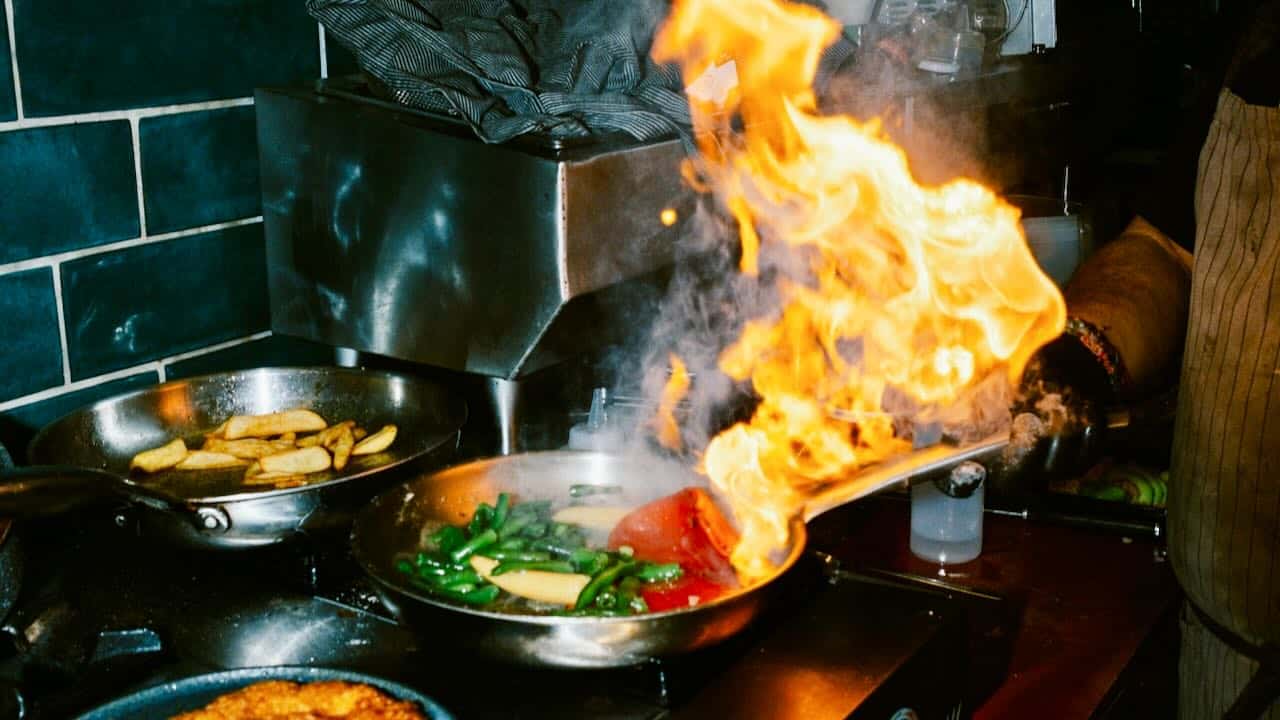
Thirty minutes before your guests arrive, the roast is resting, a pan sauce is coming together from the fond in the skillet, and you are pouring yourself a glass of wine instead of scrambling. That kind of calm comes from knowing which cooking technique fits each moment of the evening — not from talent, but from practice and the right method for the job.
This cooking techniques list is organized by how each method serves you as a host, from dry-heat approaches that run on autopilot to slow-cook strategies you start hours before anyone knocks.
At a Glance
- Dry heat cooking methods like roasting and grilling create bold flavors with hands-off timing that works for entertaining.
- Moist heat cooking techniques such as braising and poaching produce tender results and can be prepared well in advance.
- Combination techniques blend searing and slow cooking to unlock the deepest, most flavorful results from tough cuts of meat.
- Choosing the right cooking method depends on your guest count, available time, and comfort level with each technique.
- Advanced techniques like flambé, sous vide cooking, and cold smoking transform a dinner into a shared experience.
What Is a Cooking Techniques?
A cooking technique is a method used to prepare and transform ingredients through heat and handling, such as roasting, grilling, sautéing, or steaming. Rather than focusing on a specific recipe, techniques explain the underlying culinary skills—the “how” behind the dish—so you can cook with confidence and adapt to different ingredients, menus, and occasions.
Dry Heat Cooking Methods Every Host Should Master
Dry heat cooking methods use hot air, hot oil, or direct heat to cook food without added liquid. These techniques are the backbone of entertaining because many—roasting a chicken, grilling vegetables, baking a tart—require minimal hands-on attention once the food items hit the heat source.
The Michigan State University Extension guide to cooking techniques groups dry heat methods by whether they use fat as a cooking medium. That distinction matters at a gathering: methods with hot oil (like deep frying and sautéing) demand your full attention at the stove, while methods that rely on hot air (like roasting) let you circulate with guests.
- Roasting and baking: High temperatures in an enclosed space caramelize the outside of the food while keeping the interior juicy. Root vegetables, whole birds, and gratins are ideal for hosting because they cook unattended at higher temperatures for an extended period.
- Grilling: Direct heat from below creates a smoky flavor and charred crust. Grilling is inherently social—your guests gather around the heat source while you work, making it one of the most popular food preparation techniques for casual gatherings.
- Sautéing and pan-frying: A small amount of oil in a hot pan cooks food quickly over medium-high heat. Non-stick pans make cleanup effortless. Sauté fibrous vegetables or sear proteins as a first steps course-starter right before plating—a common example is searing scallops while guests settle at the table.
- Deep frying: Submerging food in hot oil delivers a crispy texture that’s hard to replicate. French fries, tempura, and fritters can be held in a warm oven while you fry in batches.
The Tasting Table breakdown of cooking techniques for beginners is a solid starting point for understanding which dry heat method suits different types of cooking methods. The key takeaway for hosts: choose the technique that gives you the most time away from the stove.
Once you’ve locked in your dry heat approach, the next question is what to do with ingredients that need gentler treatment—and that’s where moist heat cooking takes over.
|
Keep the Cooking Plan Together |
Moist Heat Cooking Methods That Work While You Entertain
Moist heat cooking surrounds food in a cooking liquid—water, stock, wine, or sauce—at lower temperatures than dry heat methods. The result is tender, fall-apart texture perfect for tough cuts of meat and delicate ingredients that need a gentle cooking method.
For hosts, moist heat is a quiet superpower. The Escoffier School of Culinary Arts beginner guide notes that braising and stewing are among the most forgiving basic cooking techniques—hard to overcook, easy to scale, and they taste even better made a day ahead.
- Braising: Sear the protein first, then add cooking liquid and transfer to a slow cooker or low oven. Tougher cuts of meat become impossibly tender over a long period of time. Prepare it fully the day before your gathering.
- Poaching: Submerging delicate ingredients in a hot liquid just below the boiling point preserves moisture and nutritional value. Poached salmon or hard-boiled eggs are clean, elegant starters that require almost no last-minute effort.
- Steaming: Cooking with hot air from boiling water in an enclosed space keeps flavors pure and nutrient loss minimal. A bamboo steamer stacked with dumplings becomes a centerpiece at the table.
- Simmering and boiling: Keeping a pot at or just below boiling point is the basis of soups, stocks, and one-pot meals. A pressure cooker can cut cooking time dramatically when available time is tight.
The Mahatma Rice guide to essential cooking techniques offers simple recipes that pair moist heat methods with rice dishes—ideal for feeding a crowd. The GASMA Culinary Arts practical guide for beginners explains how to adjust temperature control for each method, which makes the difference between perfectly tender and tragically mushy.
Moist heat gives you something invaluable as a host: food that waits for you, not the other way around.
But what if you want the deep sear of dry heat and the tenderness of moist heat in the same dish?
That’s where combination techniques come in.
|
Hosting Tip: Braise the Main Course a Day Ahead |
Combination Techniques for the Best of Both Worlds
Combination techniques use both dry heat and moist heat in sequence to get flavorful results that neither method achieves alone. Think of a pot roast: you sear the outside of the food at high heat, then braise it in liquid at lower temperatures until fork-tender. This two-step cooking process is behind some of the most crowd-pleasing dishes in any host’s repertoire.
The Culinary Arts Academy Switzerland overview of cooking techniques categorizes combination methods as a distinct third pillar alongside dry and moist heat. That classification matters because it reminds you that a recipe calling for searing and braising isn’t using two separate techniques—it’s one unified method designed to maximize flavor at every stage.
- Sear-then-braise: Brown the protein in a hot pan with a small amount of oil, then add liquid and cook low and slow. Osso buco, coq au vin, and lamb shanks all follow this pattern. The browned bits left in the pan (what the french cooking techniques tradition calls a “fond”) dissolve into the braising liquid for a rich sauce.
- Stir-frying: A scorching hot pan and constant motion cook raw ingredients in minutes, then a splash of sauce creates steam that finishes the dish. One of the fastest different ways to get dinner on the table for a casual gathering.
- Pressure cooking then finishing: Use a pressure cooker to break down tough cuts of meat quickly, then finish under a broiler for a crispy texture on top. This shaves hours off traditional braising while keeping the same depth.
The CIA Foodies guide to essential cooking techniques emphasizes that mastering even one combination technique—like a simple braise—gives an experienced home cook a reliable fallback for any dinner party.
We’ve found that combination dishes are also the easiest to scale: double the recipe, use a larger pot, and the method stays identical.
With dry, moist, and combination techniques in your toolkit, the real question becomes how to choose between them—especially when you’re planning a full evening around guests.
|
Share Every Prep Task Clearly |
Which Cooking Method Should You Choose for Your Next Gathering?
The right cooking method depends on three things: how many people you’re feeding, how much available time you have, and your comfort level with each technique. A dinner for four can accommodate a last-minute sauté; a gathering of twelve needs something that cooks unattended.
The Taste Atlas guide to the world’s best cooking techniques showcases how different cultures match the cooking term to the occasion and the available kitchen tools. Here’s a framework we use when planning any hosted meal:
- Small group (2–4 guests): You have room for hands-on techniques. Sauté, pan-sear, or stir-fry at medium-high heat while chatting with friends in the kitchen. A quick pan sauce from the browned bits finishes the dish in minutes.
- Medium group (5–8 guests): Go with roasting or braising—methods that cook at higher temperatures or low temperatures for an extended period without constant attention. Pair with a room-temperature side.
- Large group (9+ guests): Rely on slow cooking, pressure cooking, or make-ahead moist heat methods. A slow cooker loaded with pulled pork or a sous vide batch of chicken breasts can be done before anyone arrives.
Canada’s Food Guide also offers a practical overview of healthy cooking methods useful when hosting guests with dietary preferences—steaming and poaching use little fat while preserving nutritional value, and a squeeze of lemon juice brightens any dish without extra calories.
Even air fryers have earned a place at the host’s table for quick appetizers.
Planning your technique around the room using The Gourmet Host app makes it simple to assign dishes to time slots so nothing overlaps at the stove.
Once you’ve matched your basic cooking method to your guest count and timeline, you might find yourself ready for something that takes the evening from great to unforgettable.
Advanced Techniques That Turn a Dinner Party into an Experience
Once you’re comfortable with basic techniques, a handful of advanced methods can turn an ordinary dinner into something guests talk about for weeks. These aren’t just cooking methods—they’re experiences that invite participation and give your evening a story.
The WebstaurantStore guide to types of cooking methods catalogues over twenty different cooking techniques, but for hosting, five stand out as the most rewarding to learn:
- Flambé: Igniting alcohol in a hot pan creates a dramatic burst of blue flames and burns off the harsh flavor, leaving behind concentrated depth. Our full guide to How to Flambé at Home: A Host’s Guide to Safe, Showstopping Flames walks you through the technique step by step.
- Sous vide cooking: Sealing food in a bag and cooking it at a precise low temperature produces perfectly even results every time. Learn more in our beginner’s guide to sous vide for home hosts.
- Handmade pasta: Rolling and cutting fresh pasta without a machine is a hands-on activity guests love to join. See our guide on how to make homemade pasta without a machine.
- Smoking: Both cold smoking and hot smoking add a smoky flavor that transforms proteins into centerpiece dishes. Our cold smoking vs hot smoking comparison helps you decide which method fits your gathering.
- DIY hot sauce: A hot sauce making kit turns your table into a hands-on blending station where guests create their own signature sauces to take home. Explore our guide to the best hot sauce making kits for a party activity that doubles as a favor.
Each of these techniques shares a common thread: they turn cooking from a solo chore into something you share with the room. You can browse upcoming technique-focused gathering ideas inside The Gourmet Host app and start building an evening that goes beyond the plate.
The best foods for a gathering aren’t always the most complicated—they’re the ones prepared with a good technique that matches the moment.
Frequently Asked Questions
What are the 5 basic cooking techniques?
The five basic cooking techniques most chefs start with are sautéing, roasting, braising, grilling, and steaming. Each represents a different type of heat (dry, moist, or combination) and together they cover the vast majority of home cooking scenarios. For hosting, these five give you enough range to handle appetizers, mains, and sides.
What is the difference between a cooking method and a cooking technique?
A cooking method refers to the broad category of heat application. Dry heat, moist heat, or combination. A cooking technique is the specific execution within that method, such as sautéing or poaching. In practice, the cooking term matters less than understanding how each approach affects timing at a gathering.
What cooking technique is best for beginners?
Roasting is the most forgiving basic cooking method for new hosts. Season your ingredients, set the oven to the right temperature, and let the heat source do the work. Braising is a close second: it’s nearly impossible to overcook a low-and-slow braise, and it rewards patience with deeply flavorful results.
What are dry heat vs moist heat cooking methods?
Dry heat cooking methods use hot air, oil, or direct flame without added liquid. Think roasting, grilling, and frying. Moist heat cooking methods surround food with liquid or steam at lower temperatures: braising, poaching, and steaming. The best foods for a dinner party often combine both: sear first, then braise for tenderness.
How do I match a cooking technique to my dinner party menu?
Start by counting guests and available time. For small groups, hands-on methods like sautéing work well. For larger gatherings, choose techniques with long, unattended cooking time: roasting, braising, or sous vide cooking. Spread courses across different heat types so nothing competes for the same kitchen tools.
How many techniques does one dinner actually use?
Usually three or four. A roast, a pan sauce, a boiled or steamed side, and something raw covers a full menu. Counting them is a useful check on your plan, because a menu needing six techniques also needs six pieces of equipment and far more attention than one host has.
Continue Reading:
More On Cooking Techniques
- 4 Advanced Methods & Techniques For Creative Home Cooking
- Cold Smoking vs Hot Smoking: Which Technique Is Right for You?
- Different Methods & Techniques For Cooking Like a Chef
- How to Flambé at Home: A Host’s Guide to Safe Flames
- How to Make Homemade Pasta: A Hands-On Hosting Skill
- How to Sous Vide: The Stress-Free Technique Every Host Needs
- The Best Hot Sauce Making Kits for a DIY Dinner Party Activity
More from The Gourmet Host
- Icebreaker Questions for Kids That Get Everyone Talking
- Main Course Ideas That Wow Dinner Party Guests
- White Wine Food Pairings: A Host’s Guide to the Perfect Match
- Graduation Party Centrepiece Ideas to Celebrate
- 6 White Wine Substitutes for Cooking Beyond Vinegar
- 6 Types of Edible Mushrooms Worth Cooking for Guests
Explore TGH Categories
- Set the Scene
- Drinks and Bar
- Plan the Meal
- Engage with Guests
- Games and Toasts
- Tools and Techniques
- Why We Gather