

Different Methods & Techniques For Cooking Like a Chef
 11 min read
To become a more confident host, you have to feel confident in your kitchen skills. The best way to do that? Develop a strong foundation of different cooking methods and techniques.
We still remember the early dinner party days when we browsed recipes that felt like they were in a different language.
So, we started researching different culinary techniques and experimenting with them every chance we had. Once we understood the cooking process, our meals started feeling like something that came out of a restaurant.
And because we want you to experience the power of creating your very own restaurant-quality meals at home, we’ve compiled all the cooking techniques you need to do the same.
Whether you’re a total newbie or a seasoned home cook, we promise you’ll learn something helpful!
Dry Heat Cooking Methods
Dry heat cooking is any type of cooking method that doesn’t require water. However, not all dry cooking techniques are equal! The tools and heat source you use will have a pretty big impact on the final result.
Dry heat methods typically operate at higher temperatures and are excellent for browning, crisping, and developing rich flavors through caramelization.
Searing
Searing is the process of creating flavorful results through intense heat on a hot surface, such as a pan, skillet, or grill.
Use For:
- Giving fish and meat a crisp, flavorful exterior
- Medium to thin moisture-rich vegetables, such as zucchini, asparagus, bell peppers, mushrooms, etc.
Searing Tip:
Searing can cook some vegetables and fish all the way through, but thicker cuts of meat will need to be finished off with another slow-cooking technique. Use a meat thermometer to ensure that raw meat reaches safe internal temperatures.
Roasting
Roasting is a beginner-friendly method that cooks food in an enclosed space with hot air (typically an oven). We love to lean on roasting for weeknight dinners and fuss-free dinner party side dishes.
Use For:
- Thick, tough cuts of meat (lamb, brisket, whole birds, etc.)
- Root vegetables (potatoes, beets, squash, etc.)
Roasting Tip:
Invest in a sturdy set of baking sheets and reusable liners to make roasting more enjoyable.
Dollar store baking sheets tend to warp and lose shape over time; stainless steel sheets will last longer and are easier to clean.
Learn more about what type of pans to invest in in our guide to every home cook’s essential cookware.
Pan Frying
This is a medium to high temperature technique that uses a small amount of oil in a sauté pan to create golden, crispy exteriors.
Use For:
- Eggs, delicate filets of fish
- Thin slices of vegetables
- Breaded meat and vegetables (shnitzel, chicken katsu, etc.)
Before you say it—we know what you’re thinking…
What’s the difference between searing and pan frying?
Searing involves cooking over high heat with minimal oil for a relatively short time, and is focused on creating a brown crust. It’s also not typically used as the only cooking method, but rather as the first step before another cooking method.
Pan-frying, on the other hand, relies on medium-high heat, more oil, and longer cooking times. Because of the lower temperatures, you can easily cook food all the way through in the pan.
Deep Frying
As you probably already know from visiting your local fast food haunt, deep frying is the process of submerging food in extremely hot oil (325-400°F).
Use For:
- French fries, mozzarella sticks, and fritters
- Tempura
- Chicken wings
- Donuts
Direct Heat Cooking
Direct heat cooking refers to any cooking method that involves an open flame, such as grilling on the BBQ (or your campfire).
Because it takes considerable time to prepare and heat the grill, reserve this cooking method for weekends and special occasions.
Use For:
- Quick-cooking proteins and vegetables
- Achieving char and smoky flavors
Air Frying
Air frying is a more modern approach to cooking that requires a special appliance—an air fryer—to offer similar results as roasting or frying but with minimal oil. These work by circulating hot air rapidly around food, creating a crispy exterior similar to deep frying but using only a small amount of oil or sometimes none at all.
This makes it one of the healthier dry heat cooking methods while still achieving flavorful results.
Use For:
- Low-oil French fries or sweet potato fries
- Crispy chicken wings and drumsticks
- Root vegetables like Brussels sprouts, carrots, and parsnips
- Breaded items like chicken tenders or fish sticks
Air Fryer Tip:
If you’re cooking for a large group, cook items ahead of time and reheat them briefly in the air fryer just before serving. Since most air fryers have limited capacity, this batch-and-reheat approach ensures everything stays crispy without keeping guests waiting.
Moist Cooking Methods
Contrary to all the different cooking methods and techniques we just explored, moist cooking methods rely on water as an integral part of the process. These techniques use liquid or steam as the primary heat source to cook food.
Because water is an incredible conductor of heat, these water-based techniques typically operate at lower temperatures (often at or below the boiling point, 212°F/100°C).
Boiling
The most basic water-based method, this involves rapidly cooking a food item at medium-high temperatures by submerging it in boiling water.
Use For:
- Eggs, pasta, root vegetables, soup stock
Steaming
Steaming is a gentle cooking method for delicate foods that preserves more nutritional value and structure compared to boiling.
Use For:
- Halibut, cod, salmon
- Dumplings
- Delicate vegetables and greens (asparagus, swiss chard, rapini, etc.)
Slow Cooking
This involves using a slow cooker, like the Instant Pot or Crock-Pot, to cook at a low temperature (200-250°F) for extended periods of time (4-8+ hours).
Use For:
- Stews & chillis
- Pulled pork or pulled chicken
- Beans and legumes
- Long-simmering soups
- Fall-off-the-bone ribs
Braising
Braising uses a covered pot or Dutch oven on the stovetop or in the oven to slowly cook at a medium-high temperature (around 300-350°F in the oven) for rich flavors. While slow cookers are more of a set-it-and-forget-it kind of thing, braising gives you more control and a slightly shorter cooking time (~2-4 hours).
Use For:
- Tough cuts of meat (short ribs, lamb shanks, beef cheeks, occo buco)
- Whole chicken legs or thighs
- Pork shoulder or pork belly
Pressure Cooking
This method uses high heat and a special, pressure-sealed pot to quickly prepare dishes or food items that would typically take longer to cook through.
Pressure Cooking Tip:
An Instant Pot also functions as a pressure cooker!
Use For:
- Legumes (beans, lentils, chickpeas, etc.)
- Soups and stews with hardy ingredients that need to be cooked quickly
Advanced Moist Heat Methods
If you’ve already experimented with all these different cooking methods and techniques, this section is for you!
Consider trying these more exploratory methods as your next culinary adventure.
Sous Vide Cooking
This is a precision low-temperature technique used by restaurants and professional chefs to produce that ever-so-perfect texture for meat and veggies.
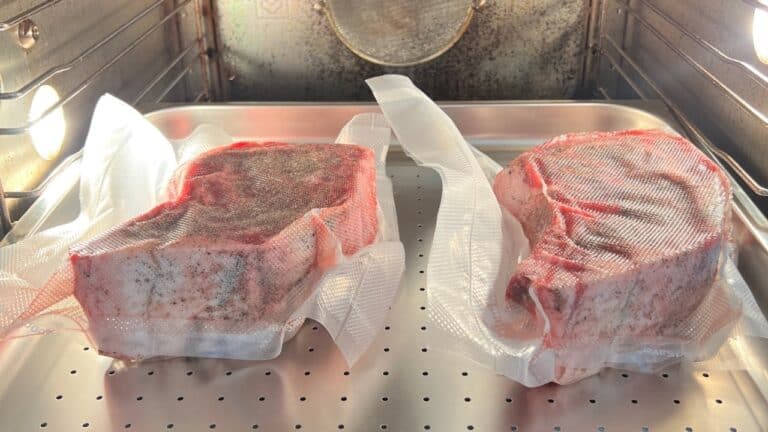
Sous vide cooking works by sealing food in an airtight plastic bag and submerging it in a water bath held at a precise, constant low temperature for an extended period. This allows food to cook evenly throughout without overcooking, as it can never exceed the water temperature.
For more information about sous vide cooking, check out our article on advanced culinary techniques.
Combi Steam Oven Technology
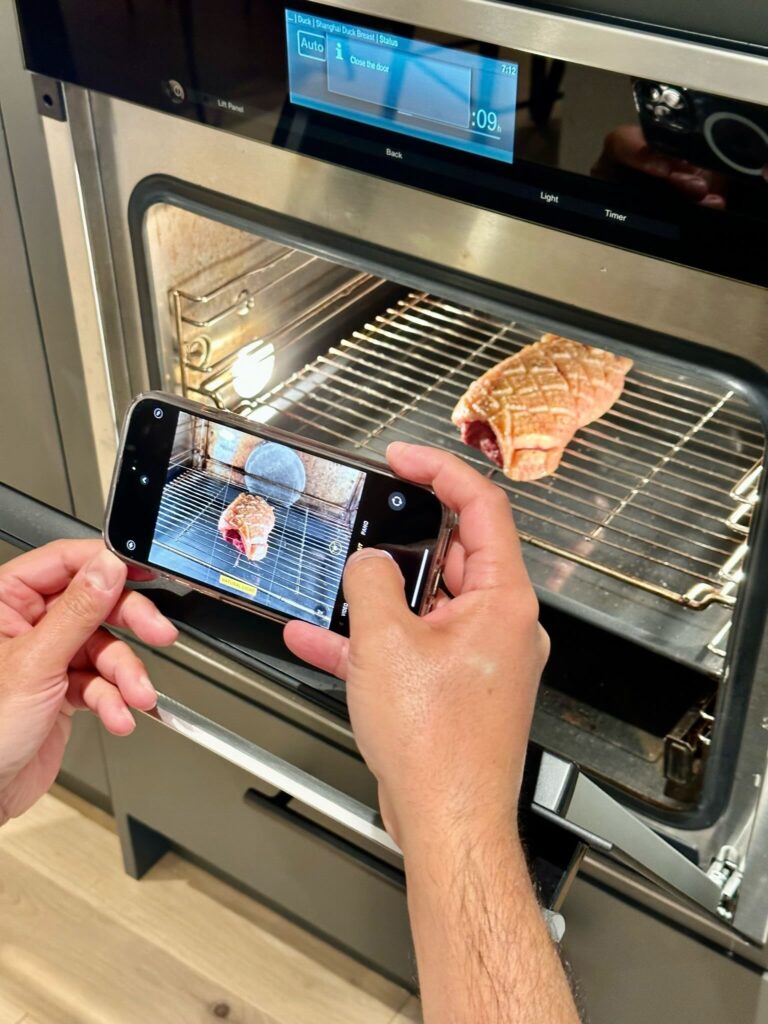
There is just SO MUCH we could say about our steam oven. Those who know us or have been to our home have definitely heard us go on a tangent about all the different features and how often we use them all.
We’re not exaggerating when we say it’s been an absolute game-changer for how we prepare dinners in our house. With over 100 modes, it makes it easier than ever to create healthy, wholesome meals, especially during the week when we’re pressed for time.
One of our favorite meals to make is salmon with beans and quinoa. The Combi’s multi-level steaming ensures all of these are ready at the same time, leaving us with a healthy, flavorful meal and minimal clean-up.
If you’re interested in outfitting your kitchen for long-term success, check out our guide to essential kitchen appliances or cookware essentials.
Combination Cooking Techniques
Once you start getting the hang of these basic cooking methods, you’ll start to get the sudden urge to get creative and combine them.
Follow that urge—your taste buds will thank you.
Try combining a dry heat and moist heat method, starting with one technique and finishing off with the other.
Here are two of our favorite combinations for achieving complex flavors and textures.
1. Pan-Seared then Oven-Roasted (Beginner)
This technique pairs direct contact browning with gentle, even oven cooking to maximize moisture and flavor without burning the outsides or drying them out.
We love this combo because it gives you control over the crust development and internal doneness separately.
Best Used For:
Thick steaks, pork chops, or chicken breasts.
Method
With this approach, you’ll start by searing your meat in a hot pan on the stovetop to develop a rich, flavorful crust. Sear for 2-5 minutes per side, resting for 3 minutes in between; the exact time will depend on the cut of your meat.
Then you’ll transfer your meat to the oven to finish cooking at lower temperatures (300-400°F, depending on the cut).
2. Sous Vide + Sear Combination Cooking (Advanced)
If you have a thick, juicy Tomahawk steak that you want to get just right for your dinner party, look no further!
This combination cooking technique ensures your meat is cooked exactly to your preferred temperature edge-to-edge, with no gray band of overcooked meat. The result—perfect doneness throughout with a flavorful, caramelized crust.
Note: This is kind of like the inverse of the above combination (sometimes referred to as a “reverse-sear”), but with more precise cooking techniques.
Method
With this approach, you’ll slow cook your meat in a hot water bath based on your preferred meat temperature before patting it dry and pan-searing it for a flavorful crust.
For an in-depth overview of the sous vide method and when to use it, read our guide to 4 advanced cooking techniques for creative home cooking.
Hosting Tip:
The sous vide cooking stage can be done well before guests arrive, making it ideal for entertaining. It’s also a great way to avoid any burnt or undercooked meat and avoid hosting disasters.
Frequently Asked Questions About Cooking Techniques
Q: What cooking techniques should I start with as a beginner?
If you’re just getting your footing in the kitchen, try starting out with simple dry cooking methods, like roasting, air frying, and pan frying.
Steaming is also a great starting point, perfect for healthy weeknight dinners and fuss-free side dishes.
If you’re really short on time, consider investing in an Instant Pot or Crock Pot to experiment with simple soups, stews, and tender meat recipes. As a bonus, you’ll have a nifty tool for keeping soups, sauces, or stews warm during dinner parties.
Q: What techniques should experienced cooks try next?
If you’re a seasoned cook looking for a way to outdo yourself at your next dinner party, try one of the combination cooking techniques we mentioned, like pan-searing and roasting.
For certified foodies with a kitchen budget to play with, consider investing in more advanced cookware, such as the Miele Combi Steam Oven.
If you’re looking for something even a liiiiittle bit more exciting, check out our article on advanced cooking techniques for creative cooking.
Choosing the Right Method for Different Occasions
Learning how to sous vide a steak can help you create some seriously impressive showstoppers for your dinner parties. But that doesn’t mean it’s a practical move for Wednesday night dinner.
Here’s how we delegate different cooking methods and techniques in our household.
Weeknight Strategies
The main goal for weeknight dinners is to create healthy meals in a short period of time. That’s why our combi steam oven is our go-to tool, offering a variety of different cooking methods at lower temperatures.
If we’re craving something a little different, we might pop some sweet potato wedges or chicken tenders into the air fryer with a fresh salad.
Roasted veggies are also a core staple for simple, nutritious side dishes in a pinch.
Special Occasion Techniques
Now, when it comes to special occasions, you bet we whip out all the stops.
This can look like using our oven’s sous vide mode, which we combine with grilling for fancy cuts of meat, like our famous 48oz cowboy steaks.
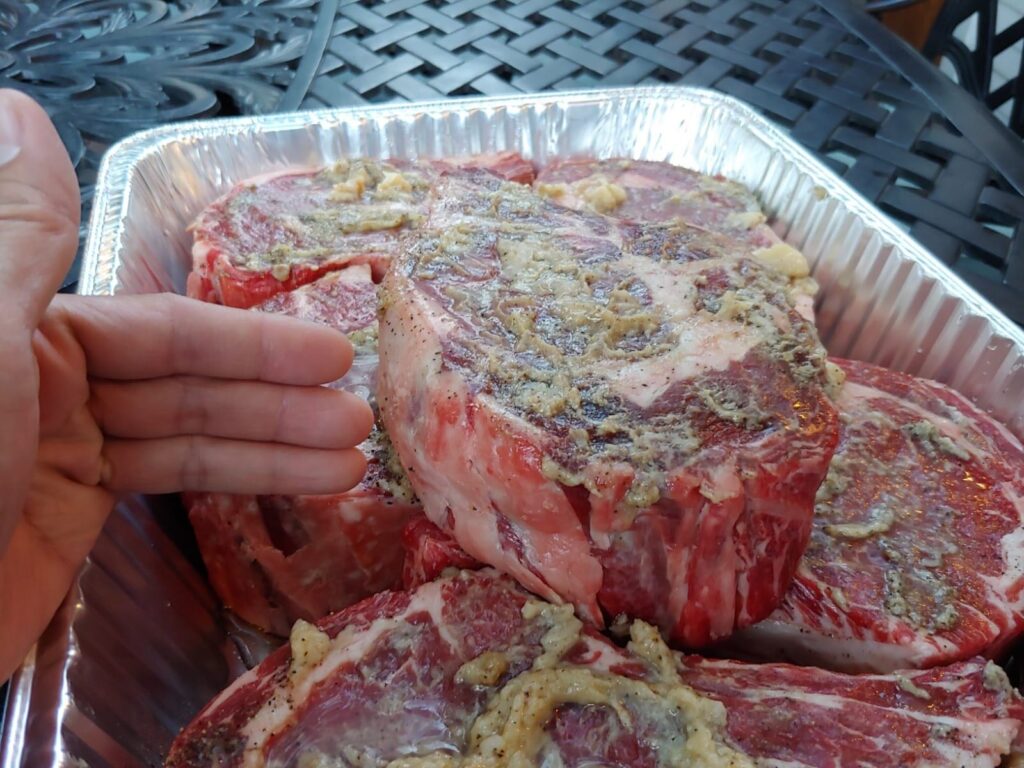
We might marinate some of the vegetables or meat for 24 hours ahead of the dinner party to enhance the flavor and moisture.
We also save any whole poultry adventures (i.e., whole roasted chicken, turkey, or duck) for special events, once again turning to our trusty Combi Oven’s Gourmet Chicken or Gourmet Turkey mode.
Believe us, we swear we are not affiliated with the Combi Steam Oven—we just really love it that much!
Another technique we love to use for milestone occasions is slow cooking or braising over extended periods, filling the house with a delicious aroma as guests pour in.
Although we are mostly a low-oil, health-conscious household, we may occasionally experiment with a special deep-fried item or garnish such as tempura or French fries for some of our themed parties.
Ready to Show Your Friends Your New Cooking Skills?
Listen, we’re not expecting you to be ready to host a Michelin-starred gala. But we do hope you have enough of a library to start feeling 10% more confident in the kitchen.
Who knows…maybe you even start planning a little get-together?
Maybe you finally tackle that aspirational recipe that you bookmarked in your cookbook a year ago.
Maybe you just start approaching your weekly meal prep with a bit more creativity. Start by checking out this article on how to get better at home cooking in 5 hours every week!
If you are ready to start sharing your newfound kitchen tricks with your friends, check out our in-depth guide on how to host a dinner party. Plus, our time-stamped dinner party planning checklist is also here to help you schedule everything so that you can stress less and actually enjoy the party. And remember, your kitchen setup is key to pulling off a successful dinner party!
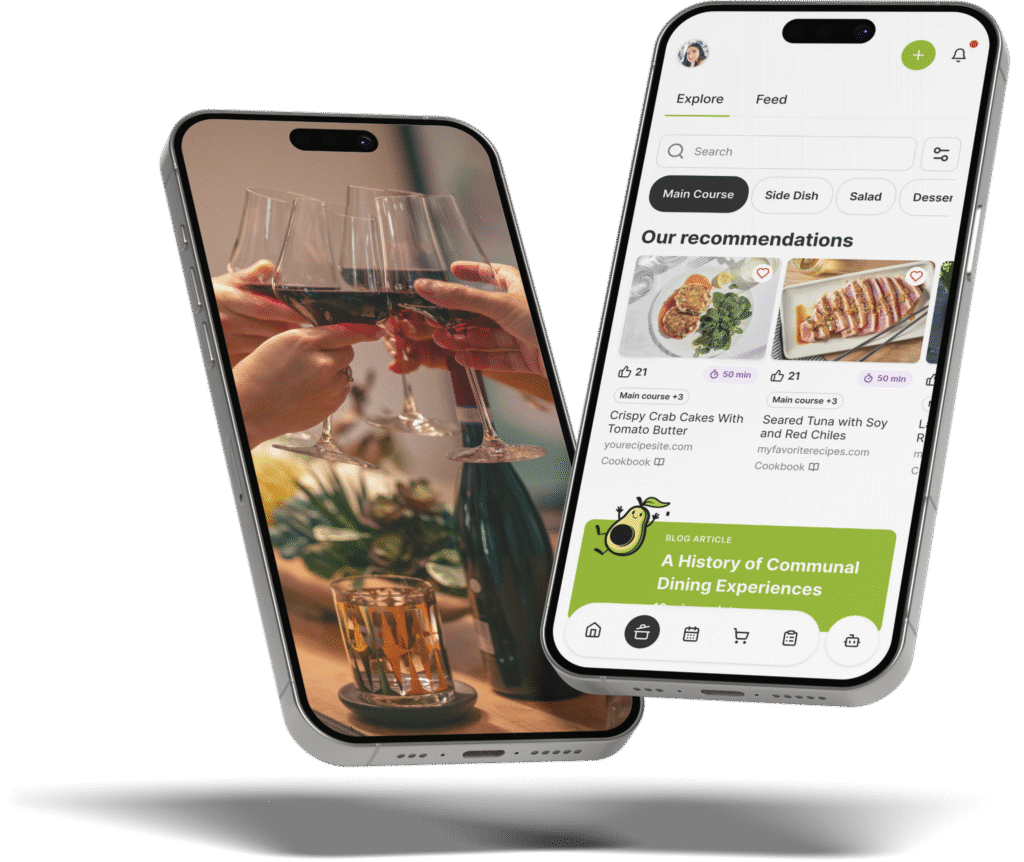
Still need some more help pulling it all together? Explore The Gourmet Host App to plan events, get menu ideas based on your preferred cooking techniques, and build a recipe library.
Coordinate with co-hosts, assign tasks, and split costs—basically, support for everything from raw ingredients to seamless hosting.
Join the waitlist today!


Featured Products from Our Shop
Winter Dinner Party Event Templates (Editable)
CA$6.00Seattle Bib Apron Bundle
CA$110.00Roaring 1920s Dinner Party Event Templates (Editable)
CA$12.00Recipe Measurement Conversions & Timing Guide
CA$8.00Must-Have Kitchen Tools & Gadgets Guide
CA$8.00Murder Mystery Dinner Party Event Templates (Editable)
CA$12.00