How to Create the Perfect Wine Pairing Menu for Any Dinner Party
 17 min read
The last time we hosted a wine pairing menu dinner, one guest turned to us mid-course and said, “This is the first time every sip actually made the food taste better.” That’s the moment that separates a good dinner party from a great one—and it has less to do with expensive bottles than with building a wine pairing menu where every course and every pour work together as a single, intentional experience.
Recipe sites treat wine as an afterthought—a suggested bottle tacked onto the end of a recipe card. But if you’ve ever planned a dinner party, you know the menu and the wine list need to be designed together. The right wine with the right dish at the right moment in the evening transforms a meal into something your guests will talk about for weeks.
We show you how to do exactly that, whether you’re planning a casual weeknight dinner with friends or a special night with multiple courses.
At a Glance
- A wine pairing menu is a coordinated plan where each course is matched with a specific wine, creating a cohesive arc from the first pour to the last bite.
- Start by choosing your menu concept and building the wine list alongside it—not after.
- Progress from lighter white wines to bolder reds across courses, saving sweet wines for dessert.
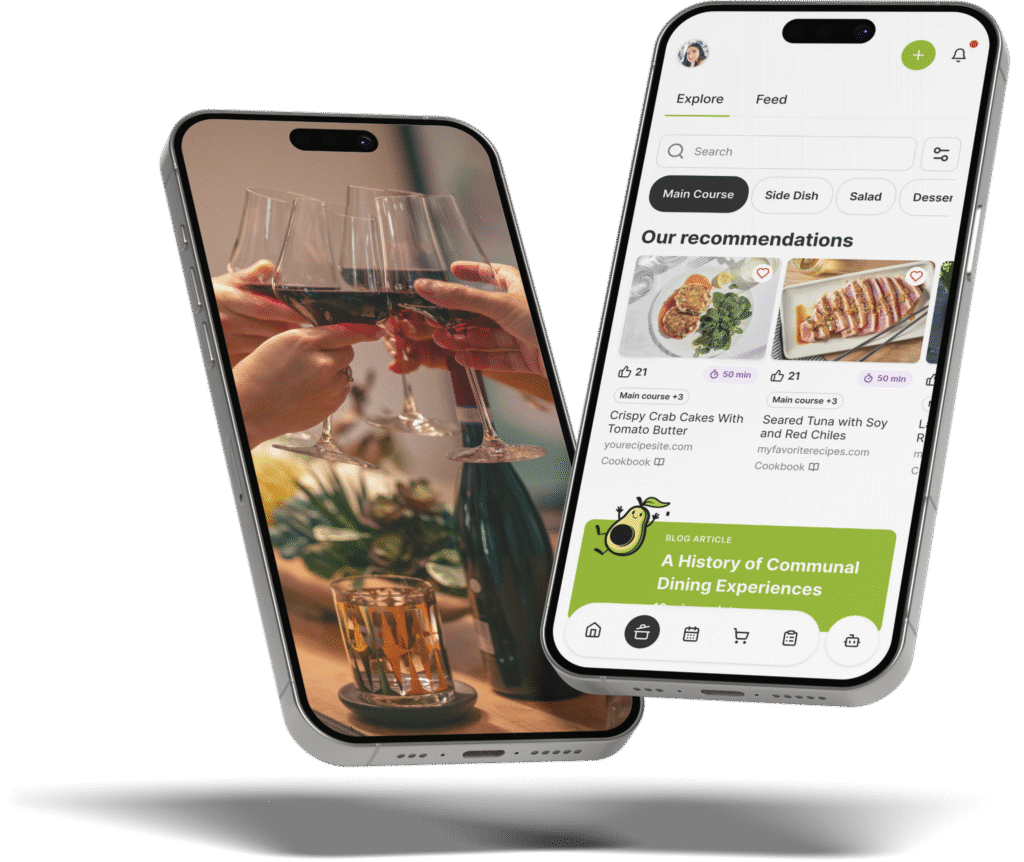
- For most home dinner parties, three to five courses with matched wines hits the sweet spot between impressive and manageable—and you can plan the whole evening with The Gourmet Host app.
- Budget-friendly wine pairing menus are absolutely achievable—great pairings depend on flavor matching, not price point.
What Exactly Is a Wine Pairing Menu?
A wine pairing menu is a structured meal plan where each course—from appetizer through dessert—is deliberately matched with a wine that complements or contrasts the dish’s flavors. Unlike simply opening a bottle for the table, a true wine pairing menu considers the progression of flavors, the weight and acidity of both the food and the wine, and the overall rhythm of the evening. As Wine Folly’s guide to deconstructing a wine dinner explains, nearly all wine dinners follow a format that moves from lighter, more delicate wines and food toward bolder, more intense ones—because our sense of taste naturally dulls over the course of a meal.
For home hosts, the beauty of a wine pairing menu is that it gives your evening a sense of intentionality. Your guests aren’t just eating dinner—they’re experiencing a curated journey.
And the best part?
You don’t need sommelier-level expertise. You need a framework, a few trusted principles, and the confidence to build your menu and your wine list as one unified plan.
If you’re still building your confidence with wine basics, our Basic Wine Knowledge for Beginners: A Sommelier Guide is a great place to start.
How Many Courses and Wines You Actually Need
Three to five courses is the sweet spot for a home wine pairing menu. Any fewer and the progression feels rushed; any more and you’re signing up for a marathon of kitchen logistics that pulls you away from your guests. Stefan’s Gourmet Blog’s detailed breakdown of organizing wine pairing dinners suggests that five or six courses with two wines per course works well for groups of 12–16—but for a typical dinner party of 4–10 guests, three courses with individual wine pairings is both achievable and impressive.
Here’s a practical format that works for most gatherings:
Three-course menu: Appetizer with sparkling wine or crisp white wines, main course with a medium to full-bodied red or full-bodied white, and dessert with a sweet wine or dessert wines. This is ideal for a weeknight dinner or casual gathering where you want structure without overwhelm.
Five-course menu: Welcome nibble with sparkling wine, soup or salad with a light white, fish or pasta course with a richer white or Rosé, a red meat main with a bold red wine, and dessert with a sweet pour. This is the format for a special night—a birthday, anniversary, or holiday gathering where the wine pairing menu is the event.
For wine quantities, VinePair’s dinner party wine guide recommends estimating one bottle per four to five guests when serving multiple courses with smaller pours of about two to three ounces per glass. That means a five-course dinner for eight people needs roughly ten bottles—two per course. Always round up. Leftover wine is never a problem.
The number of courses you choose should also reflect your comfort level in the kitchen. If you’re new to hosting multi-course meals, start with three. You can always build up to five once you’ve got the rhythm down.
|
Keep This Drink Plan Together |
The Right Wine Progression for a Multi-Course Menu
The single most important principle in building a wine pairing menu is progression: lighter to bolder, cooler to warmer, simpler to more complex. This isn’t arbitrary—it’s rooted in how our palates work.
Decanter’s expert pairing rules from Karen MacNeil emphasize matching delicate wines with delicate dishes and bold wines with bold dishes, because a powerful wine served first will overpower everything that follows.
Here’s the progression framework we use for every wine pairing menu we plan:
Course 1 – Sparkling wine or high-acid white: Champagne, Prosecco, or a crisp Sauvignon Blanc. The high acidity refreshes the palate and signals the start of something special. Pair with light dishes—a shrimp cocktail, a simple crostini, or fresh salads.
Course 2 – Medium-bodied white or Rosé: A Pinot Grigio, unoaked Chardonnay, or dry Rosé. This is where you might serve a creamy pasta, roast chicken, or a lighter fish dish. The wine should have enough body to stand up to richer flavors without competing with what’s coming next.
Course 3 – Medium to full-bodied red: Pinot Noir for lighter red meat or pork chops, or Cabernet Sauvignon for a bold steak main. This is the centerpiece of the menu—the meaty main course where the wine pairing menu reaches its peak intensity.
Course 4 – Dessert wine: Port, Sauternes, Moscato D’Asti, or a sweet Riesling. Dessert wines are often overlooked at home dinner parties, but they’re the finish that makes the evening feel complete. A good dessert wine paired with dark chocolate or a fruit tart is the kind of detail guests remember.
If you’re exploring how to talk about these wines at the table, our guide to Different Ways to Describe Wine at Your Next Dinner Party gives you the vocabulary to share what makes each pour special without sounding like a textbook.
|
Hosting Tip: Set the Pouring Plan Early |
Matching Wines to Dishes
The best wine pairing isn’t about memorizing a chart—it’s about matching the weight and intensity of your food to the weight and intensity of the wine.
A light-bodied wine disappears next to a rich, slow-braised short rib, while a full-bodied red wine overwhelms a delicate white fish. Think of it as a conversation: both the food and the wine should be speaking at roughly the same volume.
The Auguste Escoffier School of Culinary Arts’ guide to multi-course meal planning recommends thinking about how dishes will come together for a cohesive experience—a repeated ingredient, a regional theme, or a flavor arc that builds across courses.
The same principle applies to your wines. If your menu tells a story of Mediterranean flavors, your wine list might travel from a bright Italian white to a Spanish Rosé to a French red.
Here are some reliable starting points for your wine pairing menu:
Appetizers and light dishes: Sparkling wine, Sauvignon Blanc, Pinot Grigio. These high-acid wines pair beautifully with fresh salads, seafood starters, and olive oil–dressed plates. For more on this approach, see our complete guide to White Wine Food Pairings.
Creamy pasta and roast chicken: Chardonnay (oaked or unoaked depending on richness), Viognier, or a medium-bodied Pinot Noir. The key is matching the wine’s body to the dish’s richness—creamy sauces need wines with enough structure to cut through the fat.
Red meat and bold flavors: Cabernet Sauvignon, Syrah, Malbec. These tannic wines thrive alongside the savory flavors of grilled steak, braised short ribs, and pork tenderloin. Our guide to the Best Wine With Steak dives deep into cut-by-cut recommendations.
Spicy food: Off-dry Riesling, Gewürztraminer, or sparkling wine. Decanter’s guide to pairing wine with spicy food explains that a touch of sweetness in the wine helps tame the heat while complementing complex spice profiles—a crucial insight if your menu features bold spices.
A Quick-Pick Wine Menu for Eight Guests
When you need to choose the wine while the rest of the menu is still moving, start with the sauce and the weight of the course. Then check the serving order and bottle count before you shop. This quick-pick plan turns those decisions into one service sheet for a table of eight.
| Course or dish | Wine and flavor profile | Quantity for eight | Service temperature | Alcohol-free seat |
|---|---|---|---|---|
| Welcome bite, salad, or shellfish | Brut sparkling wine or Sauvignon Blanc. Choose something crisp and high in acidity. | Two 750 ml bottles | 45 to 50°F | Dry sparkling tea or citrus sparkling water |
| Roast chicken or creamy pasta | Chardonnay for a rich sauce, or Pinot Noir when mushrooms and roasted flavors lead the dish. | Two 750 ml bottles | 45 to 50°F for white, 60 to 65°F for red | Chilled oolong tea with lemon |
| Spiced food | Off-dry Riesling or Gewürztraminer. A lightly sweet profile can soften heat without losing freshness. | Two 750 ml bottles | 45 to 50°F | Ginger and citrus spritz |
| Steak or braised meat | Cabernet Sauvignon, Syrah, or Malbec. Look for enough body to meet the sauce and cooking method. | Two 750 ml bottles | 60 to 65°F | Unsweetened black tea with tart cherry |
| Fruit tart or chocolate dessert | Moscato d’Asti, Sauternes, or Port. Choose a sweet style that can stand beside the dessert. | Two 750 ml bottles | Follow the serving guidance on the bottle | Chilled hibiscus tea or a berry spritz |
The quantities follow the article’s existing planning allowance of one bottle per four to five guests for each course. With two to three-ounce tasting pours, the second bottle leaves room for refills without doing bottle math at the table.
You do not need five different wines to use the chart. For a three-course dinner, choose the rows that match your food and keep the light-to-bold progression already built into the menu. A sparkling wine can cover the welcome bite and salad, while one versatile Pinot Noir can move from roast chicken to an earthy main.
Write the wine beside each dish on your prep list, including the temperature and alcohol-free pour. Every guest then has a planned glass when the course reaches the table.
Building a wine pairing menu doesn’t mean buying ten different bottles, either. You can use plan your next gathering with The Gourmet Host to map out your menu and wine selections together, so nothing falls through the cracks.
|
Share Every Prep Task Clearly |
Building a Wine Pairing Menu on a Budget
Absolutely—and this is where many home cooks get tripped up.
A perfect pairing has nothing to do with price point and everything to do with flavor matching. A twelve-dollar Albariño from Spain can be a better match for your seafood appetizer than a forty-dollar Burgundy, simply because its bright acidity and citrus notes complement the dish more precisely.
The Napa Valley wine and recipe collection demonstrates how even world-class wine regions pair their bottles with home-friendly recipes—the emphasis is always on the relationship between the food and the wine, not the cost of the bottle.
Stefan’s Gourmet Blog reports hosting six-course wine pairing dinners for groups of 16 at roughly 25 to 35 euros per person, including wine. That’s the cost of dinner at a casual restaurant—for a multi-course, multi-wine experience at home.
Here are practical ways to keep your wine pairing menu budget-friendly:
Ask your local wine shop for help. Describe your menu and your budget and let them suggest specific bottles. Wine shop staff are passionate about finding great values, and they’ll often know which twenty-dollar bottles punch well above their price point.
Serve smaller pours. A wine pairing menu doesn’t require a full glass per course. Two to three ounces per pairing gives guests enough to appreciate each wine while keeping consumption—and cost—manageable. As The Kitchn’s dinner party menu planning guide notes, the variety across multiple pours is what makes the experience feel special, not the volume.
Split the cost with guests. Many wine pairing dinner hosts ask guests to contribute a bottle or chip in for the wine budget. It’s a collaborative approach that keeps the evening affordable and gets everyone invested in the experience.
If you’re hosting guests who prefer non-alcoholic options, our guide to The Best Non-Alcoholic Drinks to Order at a Bar has creative alternatives that can sit alongside your wine pairings without feeling like an afterthought.
The One Decision That Makes or Breaks Your Wine Pairing Menu
After planning dozens of wine pairing menus over years of hosting, we’ve found that the single decision that determines whether the evening feels cohesive or chaotic is this: plan the wine and the food at the same time.
Not wine first, not food first—together.
When you build the menu in isolation and then scramble to find wines that “work,” you end up with mismatches—a delicate wine next to a heavily spiced dish, or two bold reds back-to-back with no lighter course to reset the palate.
When you design both together, you can adjust a side dish to better complement a wine you’re excited about, swap a cooking method to create contrast, or shift a course’s position in the lineup to improve the overall flow.
Think about the evening as a Chrystina Noel’s firsthand account of hosting a 6-course Italian wine pairing dinner describes—a planned arc where lighter wines and dishes open the evening, intensity builds through the middle courses, and a sweet wine with dessert brings the experience to a satisfying close.
She notes that delegating tasks, doing the math on quantities, and building the menu around both the food and the wine are what make the difference between a beautiful evening and a frantic one.
If you’re looking for snack ideas for the pre-dinner hour while guests arrive and settle in, our guide to Wine and Snacks Combos covers exactly the kind of low-effort, high-reward pairings that set the tone for a great wine pairing menu evening.
And when your menu features seafood courses, our seafood wine pairing guide helps you match the right wine to your preparation method and sauce.
The right wine at the right moment doesn’t just make the food taste better—it makes the entire evening feel like it was designed with your guests in mind.
And that’s what hosting is really about.
Ready to map out your next wine pairing menu?
The Gourmet Host app gives you everything from menu planning to guest RSVPs in one place, so the only thing left to worry about is which bottle to open first.
Frequently Asked Questions
What is the basic rule of wine pairing?
Match the weight of your wine to the weight of your food. Light dishes like salads and white fish pair with Sauvignon Blanc or Pinot Grigio, while red meat and creamy pasta call for fuller-bodied wines like Cabernet Sauvignon or oak-aged Chardonnay. When in doubt, match intensity to intensity.
How many wines do you need for a dinner party?
For a three-course dinner party serving 6 to 8 guests, plan on three different wines, one per course, with approximately one bottle per four guests per course. That translates to roughly six to nine bottles total. If you’re serving smaller tasting pours of two to three ounces, you can stretch each bottle further and offer a wider variety of pairings.
What wine goes with seafood pasta?
A crisp, unoaked white wine with bright acidity is the best match for seafood pasta. Pinot Grigio, Vermentino, or a dry white from the Loire Valley all work well, since the acidity cuts through cream or olive oil while complementing the shellfish or fish. For a tomato-based sauce with bold spices, reach for a light Rosé instead.
What are the best wines under twenty dollars for a dinner party?
The best wines under twenty dollars sit in the twelve-to-twenty-dollar range. Look for Spanish Albariño or Verdejo for whites, Argentine Malbec or Portuguese Douro reds for bold courses, and Italian Moscato D’Asti for dessert. Describe your menu and budget to your local wine shop, and they’ll point you to bottles that punch above their price.
Can you pair red wine with fish?
Yes, red wine pairs well with fish when you choose the right style. Lighter reds like Pinot Noir work well with fattier fish such as salmon or swordfish, especially when grilled or served with bold, savory flavors. Avoid high-tannin reds, which taste metallic next to delicate seafood.
Which order should the wines be served in?
Move from light to heavy, dry to sweet, and young to old. Sparkling opens, whites follow, reds sit with the main, and anything sweet closes. The reason is palate memory: a big red before a delicate white makes the white taste thin and hollow, no matter how good it is.
Continue Reading:
More On Premium Wine and Food Pairings
- Basic Wine Knowledge for Beginners: Guidelines from a Sommelier
- Best Wine with Steak: A Host’s Guide to the Perfect Pour
- Different Ways to Describe Wine at Your Next Dinner Party
- How to Choose the Best Wine for Your Seafood Menu
- Instead of Cocktail Hour, Try These Wine and Snacks Combos
- Premium Wine and Food Pairings: A Host’s Complete Guide
- White Wine Food Pairings: A Host’s Guide to the Perfect Match
More from The Gourmet Host
- Gala Theme Ideas for At-Home Charity-Style Parties
- Wet Bar vs Dry Bar: Which Setup Fits Your Home?
- 50 Clean Funny Would You Rather Questions for Adults
- Funny Conversation Starters That Break the Ice Fast
- Easy Oven Dinners: Hands-Off Meals for Busy Weeknights
Explore TGH Categories
- Set the Scene
- Drinks and Bar
- Plan the Meal
- Engage with Guests
- Games and Toasts
- Tools and Techniques
- Why We Gather