Summer Dinner Party Menu: The Seasonal Guide
 12 min read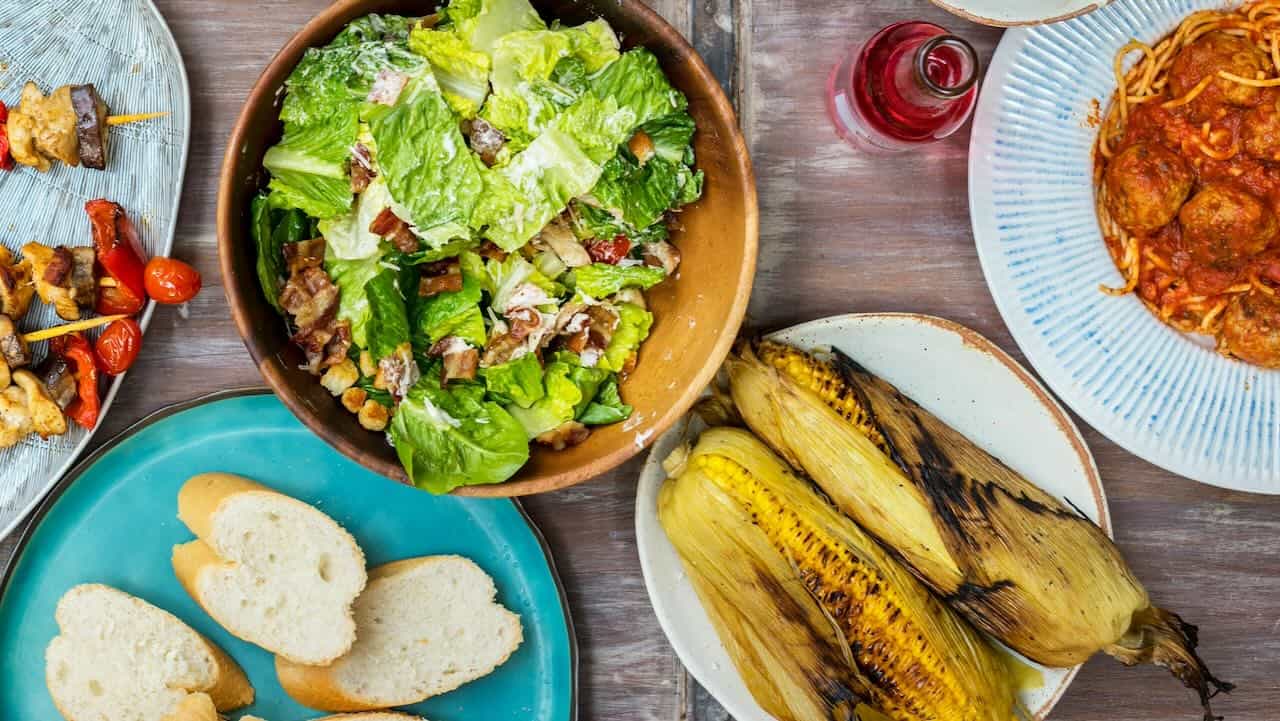
Three days before the Fourth of July, we sat down with a half-empty fridge and a guest list of nine — and the entire summer dinner party menu came together in under twenty minutes. Not because we had a recipe folder ready, but because we’d stopped planning meals by dish and started planning them by season.
A farmers market haul from that Saturday morning gave us the proteins, the sides, and the dessert direction in a single trip. The difference between a summer menu that stresses you out and one that practically builds itself is a framework — a repeatable approach anchored to what’s actually ripe, what holds at room temperature, and how much time you’ll realistically spend away from your guests.
This article walks you through that framework course by course, so your next summer dinner party menu lands on the table with less effort and more seasonal flavor than anything a recipe roundup could piece together.
At a Glance
- A seasonal framework replaces recipe-by-recipe planning with a repeatable system built around what’s ripe right now.
- Summer produce peaks between June and September, giving you the strongest flavors with the least kitchen effort.
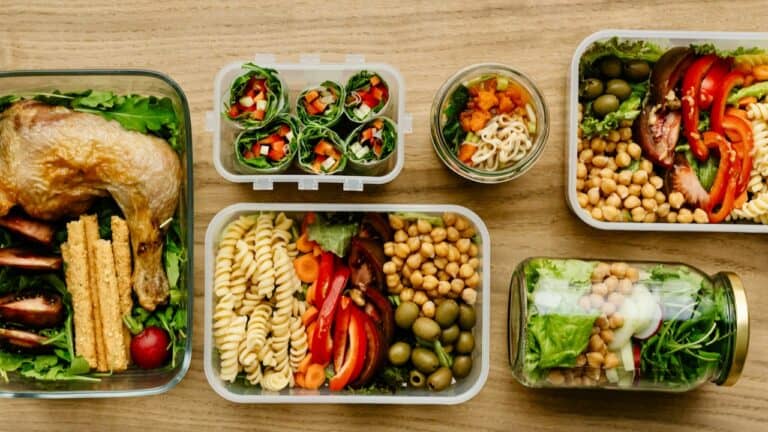
- Make-ahead components like marinated proteins and cold salads let you prep the day before and serve at room temperature.
- Grilling works as your primary cooking method in summer because it keeps heat out of the kitchen and adds a charred depth no oven can match.
- Seasonal drinks — from herb-infused water to summer cocktails — set the tone before the first course arrives.
What Is a Summer Dinner Party Menu?
A summer dinner party menu is a coordinated set of courses designed around seasonal produce, outdoor-friendly serving methods, and the longer days that let evening meals stretch past sunset. For hosts who want good conversation without disappearing into a hot kitchen, the real challenge isn’t choosing recipes — it’s sequencing dishes that hold well at room temperature, take advantage of peak summer flavor, and require most of their work the day before. Unlike a winter dinner party built around oven timing and heavy sauces, a summer dinner party menu leans on farmers market ingredients, grilling, and cold preparations that reward simplicity over complexity.
Why a Seasonal Framework Beats a Recipe List
The typical summer dinner party menu guide gives you thirty recipes and leaves you to figure out how they fit together. That approach works for weeknight cooking, but a dinner party needs pacing — a first course that holds while guests arrive, a main course timed to when the table is ready, and a dessert that doesn’t require you to vanish for twenty minutes between courses.
A seasonal framework solves this by anchoring every decision to one question: what’s at its absolute peak right now?
- June through August produce drives the plan: Stone fruit, cherry tomatoes, sweet corn, zucchini, and green beans define your ingredient list before you open a single cookbook. What’s Gaby Cooking’s late-summer dinner party menu shows how a single market trip can shape every course.
- Seasonal ingredients need less work: A ripe tomato with extra-virgin olive oil, kosher salt, and fresh basil isn’t a shortcut — it’s the best version of itself. That’s the principle behind every menu choice in this guide.
- The framework repeats all season: Once you learn to read the farmers market and build a menu from what’s there, you can host a different dinner every two weeks without starting from scratch. Ask the Food Geek’s July produce calendar is a practical reference for what’s peaking week by week.
The shift from recipe collection to seasonal framework means your summer dinner party menu ideas get sharper every time you host, because you’re building pattern recognition around summer flavor — not memorizing dishes. In our years of hosting, this single change reduced planning time more than any other technique.
For a step-by-step approach to building a full evening’s worth of food, plan a full meal start to finish with our complete dinner guide.
|
Keep This Cooking Plan Together |
Building the Menu Around What’s Actually in Season
Start at the farmers market — not with a Pinterest search. The summer dinner party menu that feels effortless to serve almost always begins with whatever looked best at the stand that morning.
A host who buys four perfect heirloom tomatoes and a bag of sweet corn will build a better menu than one who arrives with a printed recipe list and has to substitute half the ingredients.
Here’s how to structure each course around seasonal produce:
- Starter: Cold salads, sliced summer veggies with a dip, or a simple bruschetta using ripe tomatoes and fresh herbs. Everything served at room temperature so it’s ready when guests walk in. Food Network’s simple summer party recipes offers a visual gallery of starters that follow this same produce-first principle.
- Main course: Grilled proteins — chicken thighs, a thick-cut steak, or zucchini noodles for a vegetable-forward option. Food Network’s step-by-step grilling guide covers the fundamentals if you’re still building confidence at the grill. The goal is one centerpiece protein that needs your attention for fifteen minutes, not forty-five.
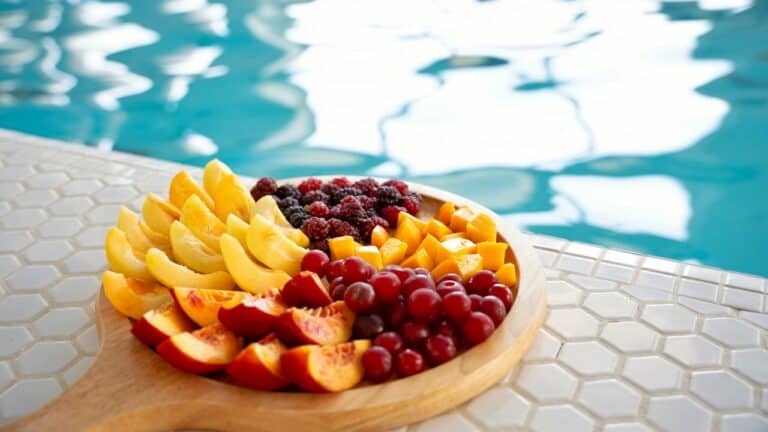
- Sides: Think green beans with balsamic vinegar, a corn salad dressed with extra-virgin olive oil and fresh herbs, or a platter of summer fruit with nothing on it but a squeeze of lime.
- Dessert: Ice cream — homemade or a quality store-bought pint — with grilled stone fruit or a simple berry compote. PureWow’s lazy summer entertaining recipes includes low-effort desserts built around exactly this idea.
A produce-first approach also means your summer recipes look beautiful without any styling effort — bright flavors, natural colors, and textures that photograph better than anything plated with tweezers.
For a deeper look at starters that set up a summer evening, Dinner Party Appetizers: Easy Starters Your Guests Will Love covers the appetizer layer in detail. And for more centerpiece protein options that impress without complicated technique, explore our guide to main course ideas that wow dinner party guests.
|
Hosting Tip: Test the Technique Before Hosting |
How Do You Time a Summer Dinner Party?
Timing is where summer hosting either clicks or falls apart. The longer days give you a gift — guests arrive in daylight, appetizers happen outside, and the main course can land at eight o’clock without anyone feeling like they’re eating late. But that relaxed pace only works if most of the cooking is done before the doorbell.
Here’s a make-ahead timeline that keeps you out of the kitchen during the party:
- The day before: Marinate proteins, prep any cold salads (they taste better the next day anyway), and assemble a dessert that needs overnight chilling. Spices in My DNA’s make-ahead summer entertaining menu maps a complete day-before prep plan for exactly this approach.
- Morning of: Pick up bread, slice summer veggies for the appetizer spread, and set up your outdoor dining area. Arrange serving platters so you only need to fill them later.
- Two hours before guests arrive: Season and bring proteins to room temperature. Toss any composed salads that wilt if dressed too early. Prep your summer cocktails or a pitcher of herb-infused water so drinks are ready the moment someone walks in.
- Thirty minutes before: Fire the grill. Put the starter on the table. Everything else is waiting — and so are you, with a glass in your hand.
The real value of this timeline is what it removes: the frantic hour before guests arrive where you’re simultaneously cooking, cleaning, and trying to change clothes. If your main course is on the grill and your sides are already plated, the hardest part of the evening is choosing which chair to sit in.
A complete make-ahead dinner party menu breaks down the prep-ahead approach course by course if you want to push the timeline even further — prepping everything two days out.
|
Share Every Prep Task Clearly |
Seasonal Drinks and the Details That Tie the Menu Together
Summer evenings are the perfect time to let the details between courses carry the mood. What guests are drinking, what’s on the table, how the evening transitions from appetizers to dessert — these details carry more weight on a warm night than they do in any other season.
- Summer cocktails and mocktails: A pitcher of something cold and herby beats individually mixed drinks every time. Muddled watermelon with mint, cucumber-lime water, or a batch of healthy summer mocktails from Forks Over Knives — any of these sets the tone within seconds of a guest arriving. If you’re pouring wine, chill it properly: whites and rosés at 45°F, not ice-cold-from-the-freezer.
- Room temperature is your friend: Cheese, bread, olive oil, summer fruit — these all taste better at room temperature than they do straight from the fridge. BBC Good Food’s guide to packing and serving food outdoors covers food safety specifics for keeping items out safely on a hot summer night.
- The produce details that signal care: A sprig of fresh herbs tucked into a napkin, sliced summer veggies fanned on a board instead of dumped in a bowl, cherry tomatoes still on the vine as a centerpiece. Forks Over Knives’ seasonal produce guide is a useful reference for what’s available when you’re looking for those finishing touches.
For more ideas on building an outdoor spread that looks intentional, Outdoor Table Setting Ideas for Every Style covers the visual layer in depth. And if watermelon is on your menu, Non-Alcoholic Watermelon Drinks for Summer Gatherings offers six recipes built around one of summer’s best ingredients.
Zucchini is another produce staple worth building around — Love and Lemons’ zucchini recipe collection includes options that work as both sides and light mains. Whether you grill it, spiral it into zucchini noodles, or shave it raw into a salad, zucchini bridges the gap between a main course and a side dish in a way few summer veggies can.
The best summer dinner party menus aren’t the ones with the most courses — they’re the ones where every dish tastes like the season it came from, and the host had enough energy left to enjoy good conversation over dessert. That’s what a seasonal framework gives you: not just great food, but the space to share it.
Frequently Asked Questions
What should I make for a summer dinner party?
Build your menu around grilled proteins, cold salads, and seasonal produce like cherry tomatoes, sweet corn, and stone fruit. A main course off the grill paired with two or three make-ahead sides keeps the kitchen cool and gives you time with guests. Finish with ice cream and fresh summer fruit for a dessert that requires almost no last-minute effort.
What is a seasonal summer menu?
A seasonal summer menu uses ingredients at their peak ripeness, typically June through September, as the starting point for every course. Instead of choosing recipes first, you shop the farmers market and let the best available produce shape your starter, main, and dessert. The result is brighter flavors, less preparation, and a menu that feels intentional without being fussy.
What is a simple but impressive dinner menu?
A grilled main course, one composed salad, warm bread with good olive oil, and a fruit-based dessert. The impression comes from quality ingredients served at the right temperature, not from the number of dishes. Prep the salad and dessert the day before, and the only active cooking on party night is fifteen minutes at the grill.
What goes with everything at a summer party?
A simple green salad dressed with extra-virgin olive oil and balsamic vinegar works alongside grilled meats, seafood, pasta, and vegetarian dishes without competing for attention. Crusty bread and a seasonal fruit platter round out the table. These three items serve as a flexible base you can pair with any main course all summer long.
What do you serve at an outdoor summer dinner?
Serve room-temperature salads, grilled proteins carried out on a platter, chilled soups, and fresh fruit desserts, since these hold up best in warm weather. Start guests with cold bites like bruschetta or veggies with dip. Keep drinks iced and food safe by using shaded serving spots and bringing dishes out in stages.
How far in advance can I prep a summer dinner party?
Two days out for marinated proteins and any sauces or dressings. One day out for cold salads, composed desserts, and sliced vegetables. Morning of for bread, table setting, and anything that needs last-minute assembly. The goal is to have no more than twenty minutes of active cooking once guests arrive, grilling the main course and final plating.
Continue Reading:
More On Summer Dinner Party Menu
- Easy Summer Appetizers Your Guests Will Actually Ask For
- Easy Summer Salad Recipes Worth Making Again
- How to Host a Backyard Barbecue Party That Runs Itself
- Italian Dinner Party Menu: A Complete Host’s Guide
- Summer Dinner Party Menu Ideas That Actually Work Outdoors
- Summer Dinner Recipe Ideas for Every Backyard Table
More from The Gourmet Host
- 4 Summer Berry Recipes Beyond the Crumble and Pie
- Holiday Dinner Party Ideas Worth Celebrating
- How to Ask Guests About Dietary Restrictions: Scripts
- Anniversary Toasts to Use for Every Milestone
- How to Analyze Speeches and Become a Better Dinner Speaker
Explore TGH Categories
- Set the Scene
- Drinks and Bar
- Plan the Meal
- Engage with Guests
- Games and Toasts
- Tools and Techniques
- Why We Gather