Kitchen Cooking Tools Every Host Needs for Confident Meals
 16 min read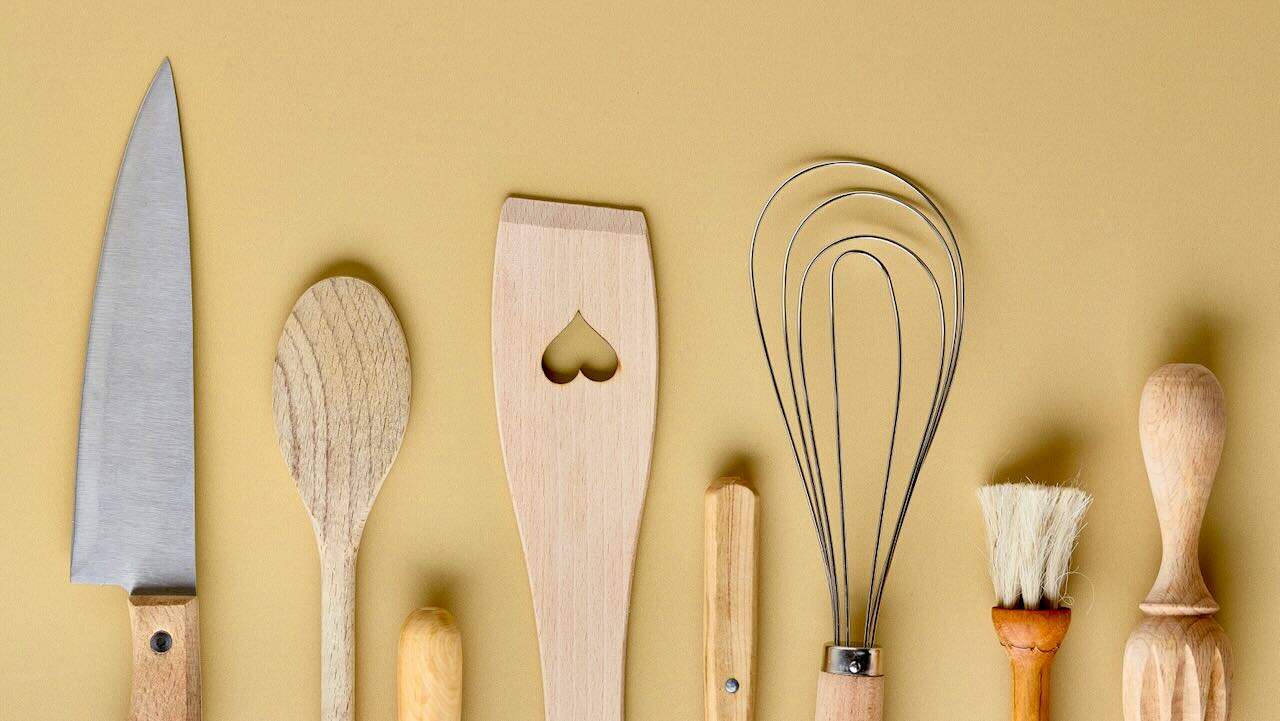
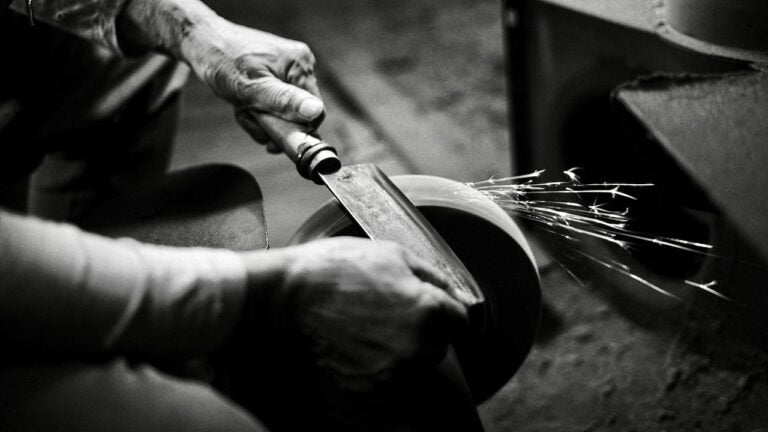
A sharp chef’s knife and a heavy skillet don’t just make cooking faster — they decide whether you spend the evening plating calmly or apologizing for late appetizers. Cooking tools lists typically rank gadgets by price or popularity, but hosts face a different test: can this tool handle three dishes at once while you’re refilling water glasses?
The answer usually comes down to five or six pieces, not fifty. A well-chosen chef’s knife, a cast iron skillet that holds searing heat, a pair of spring-loaded tongs — these are the kitchen tools that shrink your active cooking time and stretch the hours you spend at the table. They matter more than technique alone, because even a confident cook slows down with a dull blade and a pan that scorches on one side.
The right cooking tools cut your prep time, free you from constant stove-watching, and let you serve a delicious meal without disappearing from the conversation. We evaluate every tool through a hosting lens — speed, versatility, and how quickly each piece gets you back to your guests.
At a Glance
- A chef’s knife, paring knife, and serrated blade cover nearly every cut a host encounters during food prep.
- Stainless steel and cast iron cookware handle high heat and multiple dishes without swapping pans between courses.
- Tongs, a slotted spoon, and a solid whisk keep you moving efficiently from stovetop to serving without fumbling for the right utensil.
- A kitchen thermometer removes guesswork from roasts and proteins, protecting both flavor and food safety.
- Versatility should drive every purchase — a tool that handles three dishes beats three tools that each handle one.
- Buying tools in phases — knives first, then cookware, then specialty items — builds a hosting kitchen without overwhelming your budget or kitchen cupboards.
What Is a Kitchen Cooking Tool?
A kitchen cooking tool is any instrument designed to prepare, cook, measure, or serve food — from a vegetable peeler to a wok spatula. For hosts, the distinction matters because the best cooking tools aren’t the most expensive or the most specialized; they’re the ones that perform reliably across multiple dishes under the time pressure of a dinner party. This article evaluates kitchen cooking tools specifically through a hosting lens: prep speed, multi-dish versatility, and how quickly each tool gets you back to your guests.
Why the Right Kitchen Cooking Tools Change How You Host
Hosting a dinner party with dull knives and warped pans is like running a relay race in borrowed shoes — you can finish, but every step takes more effort than it should. The kitchen tools you reach for during everyday cooking become your lifeline when four dishes need to land on the table within the same ten-minute window.
A practical tool earns its place by doing more than one job. A heavy Dutch oven braises short ribs, simmers soup, and bakes bread on successive weekends. A chef’s knife that holds its edge minces garlic, portions proteins, and slices herbs without switching blades.
Cook Smarts identifies twenty core tools that cover the full spectrum of home cooking tasks, and nearly all of them share a trait: each one works across a dozen recipes without needing a backup.
The difference between a well-equipped hosting kitchen and a cluttered one isn’t the number of gadgets — it’s whether each tool reduces the number of times you leave the table.
Tasting Table’s essential tools roundup confirms that experienced cooks rely on fewer, higher-quality items rather than drawers full of single-use devices. That same logic applies to storage: a kitchen with ten well-chosen pieces stacked neatly in one cabinet outperforms a kitchen with thirty items crammed into every drawer.
- Prep speed under pressure: A sharp chef’s knife and a stable cutting board let you break down vegetables for four dishes in the time a dull blade handles two.
- Multi-dish versatility: Stainless steel pans move from stovetop to oven without swapping cookware, keeping your workflow tight.
- Guest-facing time: Every tool that automates or simplifies a step — a timer, a thermometer, a self-basting lid — is a minute you spend at the table instead of the stove.
In hundreds of conversations with home cooks, we’ve noticed a pattern: the hosts who look most relaxed during dinner aren’t the ones with the biggest kitchens or the newest appliances. They’re the ones whose tools work together without a single wasted motion — each piece chosen because it solves a real problem that used to pull them away from the table.
|
Keep Your Go-To Recipes Close |
How to Evaluate a Cooking Tool Before You Buy It
Standing in a kitchen store surrounded by gleaming stainless steel is where most hosting budgets go sideways. A shiny set of kitchen accessories catches your eye, but half the pieces sit unused after the first month.
The smarter approach is to test every potential purchase against three hosting criteria before it enters your kitchen cupboards.
First, ask whether the tool handles more than one task across your regular menu. A food processor that chops, purees, and kneads dough earns its counter space; a single-use avocado slicer does not. The Ambitious Kitchen essentials guide emphasizes versatility as the primary filter for deciding what belongs in a functional kitchen. If a tool only comes out for one recipe per year, it belongs in a friend’s kitchen — not yours.
Second, consider the material and its longevity of use. Various materials behave differently under heat: stainless steel resists warping and handles high-temperature searing, while nonstick coatings degrade over time and restrict you to lower heat.
Cast iron, seasoned properly, outlasts nearly everything in the kitchen and improves with every use. The weight of a pan also tells you something — a heavier base distributes heat more evenly, which means fewer hot spots and less babysitting while you’re tending to another dish on the next burner.
- Versatility test: Will this tool serve me across at least three different dishes I cook for guests?
- Durability test: Is the material rated for the cooking methods I use most — searing, braising, roasting?
- Recovery test: Can I clean and re-use this tool between courses without losing time?
Third, check whether the tool has a direct food safety role. The FDA recommends a digital kitchen thermometer as a non-negotiable for any cook handling meat — the difference between a safe roast and an unsafe one is invisible to the eye, and guessing puts your guests at risk.
None of these criteria require spending more money — they require spending money differently. A practical kitchen utensils collection should start lean and grow based on what you actually cook for guests, not what a registry or gift guide suggests. The three-question filter above works just as well for a twenty-dollar wooden spoon as it does for a three-hundred-dollar Dutch oven.
Knives and Cutting Tools That Speed Up Prep
Every hosted meal begins at the cutting board, and the knives you use determine whether food prep takes twenty minutes or an hour. These kitchen tools earn their spot by making fast, consistent cuts that keep dishes cooking evenly and landing on the table at the same time.
- Chef’s knife (8-inch) — The backbone of every kitchen; handles mincing, slicing, and chopping vegetables, proteins, and herbs with a single blade.
- Paring knife — Manages precise tasks like peeling fruit, deveining shrimp, and trimming fat that a larger knife handles clumsily.
- Serrated bread knife — Slices crusty loaves, ripe tomatoes, and layered cakes without crushing the structure underneath.
- Vegetable peeler — Strips skin from potatoes, carrots, and apples in seconds; a Y-peeler in particular offers better control and speed than a swivel design.
- Kitchen shears — Cut through poultry joints, snip herbs directly over the pot, and open stubborn packaging without reaching for a separate tool.
- Cutting board (wood or composite) — A large, stable surface prevents slipping and gives you enough room to prep multiple ingredients without constantly clearing space.
- Microplane grater — Zests citrus, grates hard cheeses, and shaves garlic cloves into paper-thin slivers that dissolve into sauces.
The Kitchn’s essential tools coverage notes that investing in three quality knives — chef’s, paring, and serrated — eliminates the need for an entire knife block of blades that rarely leave the drawer.
Serious Eats reinforces that a good food processor supplements knife work for bulk tasks like making pesto, grinding breadcrumbs, or pureeing soups — but it replaces careful knife skills for none of them.
Consistent cuts matter most when you’re cooking additional dishes simultaneously — uniform pieces of bell pepper or onion cook at the same rate, which means fewer trips back to check on progress and more time at the table.
Cookware and Heat Tools for Multi-Dish Confidence
A host’s cookware determines how many dishes can run at once and how much attention each one demands. The right pieces let you sear, simmer, and roast in overlapping timelines without running out of burners or oven space.
- Cast iron skillet (10- or 12-inch) — Retains heat evenly, sears steaks with a deep crust, moves from stovetop to oven, and improves its nonstick surface with every use.
- Stainless steel sauté pan — Handles deglazing, pan sauces, and high-heat cooking without the temperature limitations of nonstick coatings; dishwasher-friendly for quick cleanup between courses.
- Dutch oven (5- to 7-quart) — Braises, stews, bakes bread, and simmers sauces; the universal lids on most Dutch ovens trap moisture and flavor for hands-off cooking.
- Stockpot — Boils pasta water for a crowd, makes bone broth in bulk, and blanches vegetables; a wide base helps it double as a steaming vessel.
- Carbon steel wok — Reaches high heat faster than any other pan, making it essential for stir-fries and Asian cuisine dishes where speed keeps vegetables crisp. The Woks of Life guide walks through how to choose a wok by shape, material, and size for your specific stove type.
- Sheet pan (half-sheet, rimmed) — Roasts vegetables, bakes proteins, and toasts nuts simultaneously; a rimmed edge prevents drips and makes cleanup fast.
- Instant-read thermometer — Reads the internal temperature of roasts, chicken breasts, and pork tenderloins in two seconds, eliminating overcooking and the anxiety that comes with slicing into meat to check.
Caring for these pieces is simpler than most hosts expect. The Kitchn’s stainless steel guide shows that deglazing with water while the pan is still warm loosens most residue, and a gentle scrub protects the base of the pan without scratching it.
Fewer pans in the right materials always outperform a matching set cluttering your kitchen cupboards.
|
Plan Multi-Dish Nights With Confidence |
Utensils and Gadgets That Keep You at the Table
The gap between a scrambling host and a calm one often comes down to the utensils within arm’s reach of the stove. These cooking tools handle stirring, flipping, and serving so smoothly that you spend less time managing heat and more time managing conversation.
- Tongs (12-inch, spring-loaded) — Flip proteins, toss salads, and plate pasta with one hand; they function as an extension of your fingers at the stovetop.
- Slotted spoon — Lifts blanched vegetables and poached eggs out of hot liquid while draining excess water; essential for any recipe where you need the food but not the cooking liquid.
- Serving spoon (solid) — Portions rice, stews, and casseroles at the table; a heavier serving spoon with a deep bowl keeps sauces from dripping between the pot and the plate.
- Silicone spatula — Scrapes bowls clean, folds batters gently, and stirs risotto without scratching the part of the pot you’ve spent years seasoning.
- Whisk (balloon style) — Emulsifies vinaigrettes, incorporates air into eggs, and smooths out lumps in gravy and béchamel; french whisks with a narrower profile reach into smaller saucepans.
- Ladle — Serves soup, punch, and sauces with controlled portions; soup ladles with a pour spout on the rim keep the table clean.
- Wooden spoon (standard cooking spoon) — Won’t scratch any surface, stays cool to the touch during long simmers, and feels sturdy enough to deglaze a pan without flexing.
- Digital kitchen scale — Measures dry ingredients and proteins to perfect portions, removing the guesswork that causes a recipe to drift when you’re doubling it for a crowd.
Mealime’s essentials list and Taste of Home’s tools roundup both confirm: most everyday cooking requires fewer than a dozen utensils chosen for overlapping function. Once they’re organized and within reach, you cook with your attention split between the stove and the people at your table.
|
🔪 Stage Your Utensils Before Guests Arrive, Not During |
Building Your Hosting Kitchen One Tool at a Time
Buying every item on a best kitchen tools list in a single shopping trip leads to a cluttered kitchen and a lighter wallet — with half the purchases gathering dust inside six months. A smarter approach builds your hosting kitchen in phases, adding tools as your confidence and your menu both expand.
Start with the knives. A sharp 8-inch chef’s knife, a paring knife, and a large cutting board handle every food prep task a new host encounters, from dicing onions for a bolognese to slicing fruit for a brunch platter.
These three items alone change how quickly you move through prep — and they take up barely any storage space. Essential Cookware Every Home Cook Needs for Hosting covers the cookware layer in detail for when you’re ready to invest in pans.
Next, add one versatile piece of cookware — a cast iron skillet or a Dutch oven — and learn it thoroughly before adding more. Cooking in the same pan repeatedly teaches you its hot spots, its recovery time, and the best flavours it produces when you push the heat. That familiarity is what makes a host look effortless.
- Phase 1 (knives + board): Covers salads, stir-fries, simple roasts, and appetizer platters.
- Phase 2 (one skillet + one pot): Adds braises, pan sauces, soups, and one-pot pasta dishes.
- Phase 3 (utensils + thermometer): Fills in the convenience layer — tongs, whisks, ladles, and temperature precision.
- Phase 4 (specialty items): Wok for stir-fries, food processor for batch prep, deep fryer for crispy appetizers, and sheet pans for roasting multiple sides.
If you’re building a collection for a specific dinner party, Dinnerware and Utensils for the Modern Kitchen can help you match your serving tools to the style of meal you’re hosting.
For hosts expanding into make-ahead menus, Cook-Ahead Dinner Party Menu shows how the right cookware — especially oven-to-table pieces — simplifies advance preparation.
There’s a useful habit from professional kitchens worth borrowing here. Before each service, chefs set out exactly the tools they need for that night’s menu — nothing more, nothing less.
You can do the same: once your menu is planned, pull only the pans, utensils, and knives that menu requires and stage them beside the stove. Everything else stays in the drawer.
This keeps your workspace clear, your cooking tools within reach, and your mind focused on gourmet food rather than rummaging through drawers while the butter browns too far.
You don’t need a perfectly stocked kitchen to host confidently. Some of the best evenings we’ve seen came from kitchens with one sharp knife, one good pan, and a host who knew exactly what those two tools could do.
The goal isn’t to own every gadget — it’s to own the tools you actually reach for when eight people are arriving in an hour and the risotto still needs stirring. Ingredients for a Well-Stocked Kitchen walks through the pantry side of that same equation.
Frequently Asked Questions
What kitchen tools do professional chefs use most?
Professional chefs rely on a chef’s knife, a paring knife, heavy-bottomed stainless steel pans, tongs, and an instant-read thermometer more than any other kitchen cooking tools. These five items handle roughly eighty percent of restaurant prep and cooking tasks because they’re fast, durable, and versatile enough for dozens of techniques.
What is the difference between a chef knife and a paring knife?
A chef’s knife is a large, multipurpose blade (typically eight inches) built for chopping, slicing, and mincing. A paring knife is a smaller blade (three to four inches) designed for precise tasks like peeling, trimming, and detailed cuts. Hosts benefit from owning both because they cover different scales of food prep without overlap.
Do I need a cast iron skillet?
A cast iron skillet is one of the most versatile cooking tools a host can own. It sears proteins at higher temperatures than nonstick, moves from stovetop to oven, and develops a natural nonstick surface over time. If you regularly cook steaks, roast vegetables, or bake cornbread for guests, cast iron pays for itself within a few uses.
What cooking utensils should every kitchen have?
Every functional kitchen needs tongs, a slotted spoon, a solid serving spoon, a silicone spatula, a whisk, a ladle, and a wooden spoon at minimum. These seven utensils cover stirring, flipping, draining, folding, and serving across virtually every recipe a host encounters during everyday cooking and dinner parties.
Is stainless steel or nonstick better for cooking?
Stainless steel handles higher heat, develops fond for pan sauces, and lasts for decades with basic care. Nonstick excels at delicate tasks like eggs and crepes but degrades over time and restricts you to lower temperatures. For hosting, stainless steel wins on durability and versatility; keep one nonstick pan for breakfast items.
What are the most versatile kitchen tools for beginners?
An 8-inch chef’s knife, a 12-inch cast iron skillet, a wooden cutting board, spring-loaded tongs, and a digital thermometer give a beginner host enough coverage for salads, seared proteins, roasted sides, and simple one-pot meals. Start with these five and add specialty items like a wok or food processor as your hosting menu grows.
Continue Reading:
More On Kitchen Cooking Skills
- Basic Knife Skills That Make You a Faster, Safer Cook
- How To Get Better At Home Cooking In 5 Hours Every Week
- How to Season Food So Every Dish Tastes Like You Meant It
- Kitchen Hacks for Cooking That Make Every Meal Easier
More from The Gourmet Host
- Anniversary Dinner Ideas to Cook at Home for Any Milestone
- Easy Meals for 20 People That Survive Real Ovens
- Icebreaker Questions for Kids That Get Everyone Talking
- White Wine Food Pairings: A Host’s Guide to the Perfect Match
- Graduation Party Centrepiece Ideas to Celebrate
Explore TGH Categories
- Set the Scene
- Drinks and Bar
- Plan the Meal
- Engage with Guests
- Games and Toasts
- Tools and Techniques
- Why We Gather