

How to Plate Food Like A Pro: Easy Plating Tips
 9 min read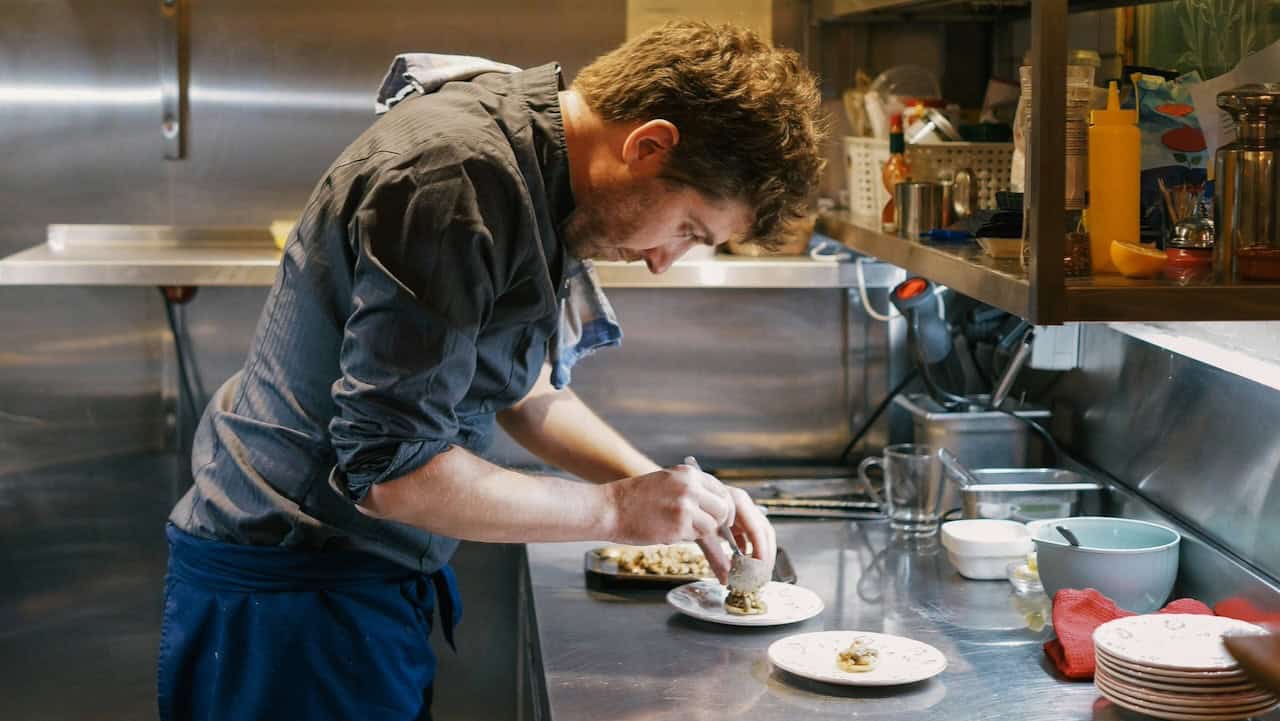
A perfectly seared salmon filet tastes the same whether it lands on a bare plate or sits against a swirl of herb oil with a scatter of microgreens. Yet the second version makes your guests pause, lean in, and reach for their phones.
That reaction — the one that turns Tuesday-night fish into a work of art — doesn’t require culinary school training or professional tools.
This guide breaks plating down into practical moves any home cook can pull off with what’s already in the kitchen, so the plate of food you carry to the table looks every bit as good as it tastes.
At a Glance
- Choosing the right plate sets the stage for everything that follows — size, color, and shape all affect how food reads.
- The rule of thirds and negative space guide where to place each main component for visual balance.
- Squeeze bottles and ring molds are inexpensive plating tools that deliver professional-looking results at home.
- Odd numbers, pops of color, and complementary colors create visual interest that draws the eye across the dish.
- A well-plated dish turns a regular dinner into a conversation starter — no fine dining establishment required.
What Is Food Plating?
Food plating is the deliberate arrangement of ingredients on a plate to create visual appeal before the first bite — because how food tastes starts with how it looks. Unlike restaurant plating, which often prioritizes speed under pressure, home plating techniques give you the luxury of time, letting you treat each dinner plate as a small canvas with no ticket clock running.
Pick the Right Plate Before You Pick Up a Spoon
The right plate does half the work for you. A wide rim frames the food the way a mat frames a photograph, giving the eye somewhere to rest.
White plates remain the go-to because they let bold colors from sauces, greens, and proteins pop without competing for attention.
If your dish already has a neutral palette — think roasted chicken with mashed potatoes — a beginner plating guide from Mediocre Chef suggests reaching for dark plates to create high contrast that keeps things interesting.
Plate size matters more than most home cooks realize. A perfect plate leaves enough white space so the arrangement breathes. Modest portions on a spacious surface feel intentional.
Food52’s pro-plating walkthrough recommends choosing circular plates or square plates based on the shape of the food itself — round proteins on square dishes, angular cuts on round ones.
- Match plate color to contrast: White for colorful dishes, dark for neutral ingredients, light-colored dishes for single-protein plates.
- Check the rim: A wide rim adds breathing room. The rim of the plate frames your composition like a picture border.
- Size down for starters: A dessert plate for appetizers keeps proper portion sizes looking generous instead of sparse.
With the right surface underneath, your next move is deciding where each element lands — and that’s where geometry comes in.
|
Your Next Gathering, Planned |
Use the Rule of Thirds to Anchor Every Plate
The rule of thirds borrows from photography: mentally divide the plate into a three-by-three grid and place the main components where the lines intersect. This off-center placement feels natural to the eye and avoids the cafeteria look of food piled dead center.
The Kitchn’s cooking-school plating fundamentals call it the single key element that separates an amateur plate of food from a polished one.
Negative space is the partner move. Leave roughly one-third of the plate empty so the eye can travel from one component to the next.
Professional chefs at a fine dining establishment treat empty space the way a designer treats margins — it’s breathing room, not wasted room.
When a top chef builds a plate, odd numbers of garnishes and sauce dots guide the eye in a triangle pattern that creates a built-in sense of balance.
- Off-center anchor: Place your protein at one intersection point. Build starches and vegetables around the remaining points for asymmetrical plating that looks deliberate.
- Height creates drama: Stack a grain base, lean the protein against it, and top with a garnish to add a geometric shape that draws the eye upward.
- Less is more: Three accent dots of sauce read as intentional design. Six dots read as indecision. The best way is to stop before you think you should.
Geometry gets the bones right — now it’s time to add color and texture that make guests stop mid-conversation.
|
🍽️ Plan the Menu, Then Plate the Moment |
Build Visual Impact with Color and Texture
Color contrast is the fastest route to a well-plated dish. Complementary colors — orange salmon against deep green spinach, ruby beet slices on a plain white plate — activate the taste buds before the fork moves.
Unilever Food Solutions’ modern plating guide notes that dishes with three or more distinct color contrasts score higher in diner satisfaction than monochrome plates.
Texture adds the dimension that color alone can’t deliver. A crunchy element — toasted breadcrumbs, crispy shallots, a shard of parmesan — gives both your eye and palate something to notice.
We’ve found that even a single contrasting texture transforms the overall look of a plate from flat to layered. Set a silky mousse beside a crumble for visual impact that photographs beautifully on social media and tastes even better in person.
- Edible flowers like nasturtiums and pansies add instant pops of color without altering flavor. Map your full menu in The Gourmet Host app to spot monochrome lineups before guests arrive.
- Fresh herbs do double duty — a sprig of thyme adds both pop of color and aroma that reaches the guest before the first bite.
- Crunchy elements like toasted nuts or crispy sage leaves bring height and sound, creating a huge difference in the dining experience.
Color and crunch set the scene — a great way to take your art of food presentation to the next level. Now the tools you use determine whether the final plate looks polished or accidental.
What Plating Tools Do You Actually Need?
You don’t need a personal chef’s toolkit to plate like the best chefs do. Araven’s 12 plating techniques breakdown confirms that a handful of inexpensive items cover what the pros use.
Squeeze bottles turn sauces into precise dots, lines, and swirls. Ring molds shape rice, tartare, and layered salads into clean cylinders that say, “home chef with intention” rather than “dinner in a rush.”
Offset spatulas and tweezers round out the set. An offset spatula smears sauce in a single confident stroke. Fine-tip tweezers place small foods and edible flowers exactly where you want them. Cooking skills and presentation skills develop together.
- Squeeze bottles: Fill with vinaigrette or coulis. Practice dots and lines on an empty plate — the easy way to build confidence in your own kitchen.
- Ring molds: Press rice or a layered salad inside, lift gently. Instant structural integrity that looks like a culinary arts class — no professional chefs required.
- Offset spatula: One sauce swoosh adds a creative process element that changes the plating style entirely. Fine-tip tweezers handle citrus zests and microgreens on the right side of the plate.
With the right tools in hand, the final step is pulling everything together so your plating moves from careful practice into confident habit.
|
Warm Your Plates for 3 Minutes at 150°F Before Plating |
The Plating Habit That Makes Your Next Dinner Party Effortless
The difference between a host who plates beautifully and one who doesn’t isn’t talent — it’s planning.
La Tourangelle’s seven-tip plating guide calls it “plating food with a plan”: choose your plate, decide your anchor point, and set your garnish tray before the first burner clicks on.
Necessary Indulgences’ guide to plate symmetry recommends photographing each attempt to track your food placement progress.
At The Gourmet Host, we’ve learned that culinary skills grow fastest tied to a real occasion.
The HFTP’s presentation guide echoes this: low-stakes repetition builds the chef’s skills that shine when it counts.
For full menu planning, The Dinner Party Menu: How to Plan a Meal Guests Remember covers course sequencing, and our wine and food pairings guide helps match flavors across the table.
Map your full menu inside The Gourmet Host app, link your grocery list, and walk into the kitchen knowing exactly what goes on every plate. That’s how delicious food becomes beautiful plating — one planned gathering at a time.
- Choose one signature dish and practice the plating process three times this week — the lasting impression instinct builds fast.
- Photograph each attempt from directly above. Compare side by side and note one adjustment per round.
- Set a garnish tray before cooking — herbs, sauce in a squeeze bottle, a few edible flowers — so your next dinner party plating takes sixty seconds, not a scramble.
With a plan and the right tools, most plating questions answer themselves — but these FAQs cover the ones that come up most.
|
📲 Turn One Great Plate into a Full Evening |
Frequently Asked Questions
Start with a clean, wide-rimmed plate and place the protein off-center using the rule of thirds. Add contrasting colors through sauces, vegetables, or edible flowers, and leave enough negative space so the arrangement doesn’t feel crowded. A single crunchy garnish — toasted nuts, crispy herbs — adds height and texture that makes the dish look restaurant-ready.
The rule of thirds divides the plate into a three-by-three grid. Placing main components where the grid lines intersect creates an off-center composition that looks balanced and intentional. It’s the same principle photographers use to frame a subject, and it works because the human eye naturally gravitates toward asymmetry over dead-center placement.
White plates work best for most dishes because they create maximum contrast with colorful ingredients. Dark plates suit neutral-toned foods like roasted chicken or beige grains, adding drama without extra garnish. At TGH, we keep both on hand and choose based on the meal’s dominant palette — it takes two seconds and changes everything.
No — a squeeze bottle, a ring mold, and an offset spatula cover the essentials, and all three cost under fifteen dollars combined. Tweezers help with precise garnish placement but aren’t mandatory. Start with the squeeze bottle alone; it’s the single tool that makes the biggest visual difference for home cooks.
Plate just before you call guests to the table. Most arrangements hold for five to ten minutes, but sauces stiffen and greens wilt beyond that window. If you’re hosting a multi-course dinner, plate each course individually between courses rather than staging all plates at once.
Absolutely — even a low-key gathering benefits from a two-minute plating effort. Off-center placement, one contrasting garnish, and a clean rim transform a weeknight dish into something guests notice. The goal isn’t fine dining perfection; it’s showing your guests you thought about their experience beyond just flavor.
Continue Reading:
More On Food Presentation Techniques
- Food Presentation Techniques: Easy Tips for Plating
- Easy Food Garnishing Techniques for Stunning Art
- Brunch Setup Ideas: Creative Table Setting Decor
- Grazing Table Ideas: How to Create a Stunning Setup
- Family-Style Dinner Wedding Guide: Best Meal Ideas
More from The Gourmet Host
- Guide to Hosting a Memorable Dinner Party
- 10 Potluck Dinner Party Themes That Make Hosting Effortless
- Expert Healthy Dinner Party Menu Ideas
Explore TGH Categories


Featured Products from Our Shop
Winter Dinner Party Event Templates (Editable)
CA$6.00Seattle Bib Apron Bundle
CA$110.00Roaring 1920s Dinner Party Event Templates (Editable)
CA$12.00Recipe Measurement Conversions & Timing Guide
CA$8.00Must-Have Kitchen Tools & Gadgets Guide
CA$8.00Murder Mystery Dinner Party Event Templates (Editable)
CA$12.00