How to Ask Good Icebreaker Questions: A Host’s Playbook
 17 min read

Preparing good icebreaker questions transforms a standard dinner for four to twelve people into a highly interactive evening. You want guests to feel comfortable the moment they walk through your door.
This playbook gives you exact steps for planning topics and activities that get everyone talking naturally. You will discover how to prepare the physical space and the menu to support great dialogue.
Following these steps helps you focus entirely on the people around your table.
At a Glance
- Review RSVPs early to spot shared hobbies or recent travel among your attendees.
- Keep table centerpieces low so everyone can maintain clear eye contact across the dining room.
- Hand guests a unique welcome drink to immediately spark curiosity and initial chatting.
- Guide introductions using positive details about each person to bypass standard small talk.
- Serve interactive meals like hot pot to let the shared cooking activity guide the dialogue.
What “good icebreaker questions” means for your dinner party
Good icebreaker questions are targeted conversation starters designed specifically for small group gatherings. This concept involves asking open ended queries that draw out fun stories or common interests among guests.
It applies best when you invite a mix of friends, coworkers, and acquaintances who might not know each other well. The goal is creating an atmosphere where guests feel warmly included.
These queries differ from corporate team building prompts because they focus on personal passions rather than work goals. Asking icebreaker questions for adults means guiding the initial interaction so guests quickly find mutual ground.
They are often confused with rigid interviews. True conversation starters happen organically between sips of wine and bites of food. They rely on your keen observation as a host to introduce relationship building topics gently.
Tailor Your Prompts to the Guest List (3 Days Prior)
Match guests based on shared interests when reviewing RSVPs to map out your initial conversation prompts. Identifying overlapping hobbies gives you a massive advantage before anyone even arrives. You can easily write down these topics beforehand to ensure natural discussion points remain ready.
Creating a mental map of your attendees gives you a clear strategy for the evening.
You can look at the RSVP list and pair people up mentally based on their backgrounds. If two friends both recently started gardening, you have an immediate topic ready to introduce.
You might even consider texting a few attendees beforehand to ask about a recent win at work. Gathering these small details gives you positive news to share on their behalf. People appreciate when a host highlights their accomplishments during a gathering.
This works because people love discussing topics they are passionate about.
The difference between forced chat and organic dialogue lies in this exact preparation phase. Planning topics early gives you a reliable safety net for your dinner party.
You never have to worry about sudden silence when you know exactly what your friends enjoy discussing. You can write down a few fun icebreaker questions for dinner party chats in your phone notes. Having a physical list provides reassurance that you are fully prepared.
Consider printing a few small-group icebreaker questions on customized place cards.
This playful approach gives attendees something to read and react to the moment they sit down. It immediately signals that the night will feature lively story sharing.
Taking ten minutes to review your guest list three days early sets the tone for the entire event. You shift from reacting to the room to gently guiding the energy. This preparation lets you relax and enjoy the evening alongside everyone else.
Set the Table for Natural Dialogue (1 Day Prior)
Sit in different chairs while setting the table to check sightlines and ensure nothing blocks cross table conversation. A clear field of view keeps everyone engaged in the same central discussion. Visual barriers often fracture a party into isolated side chats.
Wine Folly recommends keeping table centerpieces short so guests can easily maintain eye contact across the table.
This simple physical adjustment makes an enormous difference in how the group interacts. Everyone feels included when they can see the person speaking.
You can use low votive candles instead of tall taper candles for your lighting. Small floral arrangements in bud vases work better than large bouquets that block the view. These small changes keep the visual focus entirely on the faces around the table.
Testing the physical comfort of your dining space ensures nobody feels cramped.
Check the seating from a guest’s perspective:
- Check elbow room: You should sit in the chairs to check for adequate elbow room. Physical comfort directly translates to conversational confidence.
- Soften room acoustics: Consider the acoustics of your dining room when planning the layout. Hard surfaces can make voices echo and make it difficult to hear across the table. Adding soft elements like a rug or heavy curtains absorbs sound and improves clarity.
- Position place cards: Placing place cards strategically helps you manage the room’s energy.
- Balance the seating: You can seat more introverted friends next to warm, talkative individuals. This thoughtful arrangement prevents any one section of the table from falling silent.
You can also leave small, handwritten notes at each setting to welcome everyone warmly. A personalized touch immediately disarms any initial hesitation. It shows a level of care that sets a highly positive tone for the meal.
Lighting plays a crucial role in making people feel relaxed and eager to talk. Dimming the overhead fixtures and relying on warm lamps creates an intimate mood. Harsh lighting often makes people feel exposed and less likely to share personal stories.
|
Make room for conversation |
Serve Interactive Welcome Drinks (Guest Arrival)
Prepare a signature batch cocktail or mocktail before the first doorbell rings so you are not stuck mixing drinks. Handing someone a beverage the moment they arrive physically relaxes them. It provides an immediate, shared experience that bypasses standard weather talk.
Food publication Taste of Home notes that serving make-ahead Margarita ‘Poptails’ acts as an instant conversation starter that keeps party dialogue going.
A playful drink format immediately sparks curiosity and laughter. Guests naturally start asking each other about the flavor profile or the clever presentation.
This technique bypasses the usual arrival awkwardness entirely. The drink itself becomes the first topic of the evening. You can even create a small garnish station where attendees customize their own glasses.
Give welcome drinks a conversational role:
- Offer a garnish station: Setting up a small garnish station allows everyone to personalize their beverage.
- Set out choices: You can provide fresh herbs, citrus wheels, and colorful stir sticks. This physical activity gives idle hands something productive to do while mingling begins.
- Include non drinkers: Non alcoholic options should receive the exact same level of creative attention. Serving a complex mocktail ensures drivers and non drinkers feel equally celebrated. Inclusivity in your beverage program sets a welcoming standard for the entire night.
- Add coaster prompts: You might write fun icebreaker questions for dinner party chats on the bottom of the coasters.
- Create a small surprise: When an attendee picks up their glass, they discover a fun query to ask the person next to them. This creates a delightful element of surprise right at the beginning.
Playing upbeat background music at a low volume fills any early silences. The right playlist creates a lively energy without forcing people to shout. Music serves as the auditory equivalent of a good welcome drink.
Facilitate Introductions with Personal Prompts (First 15 Minutes)
Introduce guests by sharing a complementary detail about a project they are working on or a recent trip they took. This method instantly gives two strangers a solid conversational bridge. They no longer have to dig around for mutual ground.
The Emily Post Institute recommends that hosts facilitate natural conversation by offering guests a light, personalized prompt when introducing them.
Taking an active role in these initial moments sets everyone up for success. You essentially plant the seed for a great chat and then step back.
Instead of just sharing job titles, mention a quirky hobby or a recent culinary adventure. You might introduce two people by highlighting their shared love of rescue dogs. This immediately leads to fun icebreaker questions for dinner party chats about their pets.
Guide introductions without turning them into interviews:
- Read body language: Paying attention to body language helps you know when to step in and introduce new topics.
- Invite an opinion: If you notice someone hovering on the edge of a circle, gently pull them in. You can ask for their opinion on the current subject to integrate them smoothly.
- Make the introduction: Avoid leaving two strangers alone for too long during the initial arrival phase. You should act as the social matchmaker until they find a rhythm. Once they start laughing together, you can politely excuse yourself to check on the kitchen.
- Use open questions: Using open ended phrasing encourages longer, more detailed responses.
- Ask about surprises: Instead of asking if someone liked their vacation, ask what surprised them entirely about the destination. This subtle shift in phrasing opens up entirely new avenues for storytelling.
A skilled host knows how to deflect attention away from sensitive or controversial topics. If someone brings up a heavy subject early on, smoothly pivot to a lighter shared interest. Maintaining a positive atmosphere requires quick thinking and graceful redirection.
Reminding friends of past shared experiences also works beautifully to bridge gaps. You can say, “[Name], would you like to tell [Name] about our baking project?” Shared laughter over past mishaps instantly warms up the current dynamic.
|
Hosting Tip: keep a pass option visible. |
Encourage Shared Dining Experiences (Main Course)
Plan a menu that requires guests to interact, such as building their own bowls, sharing a hot pot, or passing family style platters.
Food that demands participation naturally creates a buzzing atmosphere. People must talk to coordinate passing dishes or sharing ingredients.
Just One Cookbook recommends that hot pot hosts offer to assist newcomers in cooking their ingredients to promote a welcoming atmosphere.
Helping someone try a new culinary experience builds immediate rapport. The cooking process itself provides endless topics for discussion.
If hot pot seems too complex, consider setting up a large sandwich bar.
King Arthur Baking recommends big-batch party sandwiches as a low pressure entertaining option. Everyone can customize their plate while chatting about their favorite flavor combinations.
If you decide to serve sake with your meal, you can share interesting cultural rituals. Proper Japanese drinking etiquette requires guests to sip sake slowly across multiple sips rather than taking shots. Explaining these traditions offers a wonderful educational moment.
Family style dining forces people to communicate by asking each other to pass the salt or the salad.
These micro interactions build a steady rhythm of communication. It completely eliminates the stiffness of formal plated service.
You can also introduce a game of highs and lows as the main course begins. Each person shares the best and worst part of their week. This simple ritual encourages vulnerability and deepens the connection between attendees.
If you serve a dish with a unique ingredient, mention its origin story to spark curiosity.
Food history can provide an interesting topic for mixed company; follow your guests’ interests and comfort. It gives everyone a chance to share their own culinary adventures.
Keeping the pacing of the meal relaxed allows discussions to unfold naturally. Do not rush to clear plates the moment someone finishes eating. Let the group linger over the main course to give stories time to breathe.
Establish Light House Rules for Group Games (After Dinner)
Clear the dinner plates before bringing out conversation cards or party games to physically signal a shift in the evening’s energy.
A clean table provides a fresh slate for new activities. This physical reset tells everyone that the formal eating portion has concluded.
Speakeasy pioneer Sasha Petraske instituted formal house etiquette rules at Milk & Honey to promote decorum and facilitate natural guest conversation.
You can adopt a playful version of this concept for your own living room. Establishing simple guidelines keeps group activities light and respectful.
If you host during the winter, you might suggest reviewing the rules for the white elephant game before starting the exchange.
Setting clear expectations prevents confusion and keeps the laughter flowing. You want everyone to know exactly how the activity works.
You might also explain exactly what is a white elephant gift game for any international guests unfamiliar with the tradition. Clarifying the basic premise ensures nobody feels left out. You can then hand out a printed guide detailing Christmas gift exchange and White Elephant games for a fun variation.
Keeping the competitive spirit friendly prevents any post dinner games from becoming tense.
You want the focus to remain on laughter and connection, not winning. Emphasize that the rules are loose and the primary goal is having fun.
You might agree on a phones-away round during the game portion of the night. Keep participation voluntary and allow guests to stay reachable when needed. People genuinely appreciate permission to disconnect from the outside world.
Selecting the right activity depends heavily on your specific group dynamic.
You might set out a few party games with cards for adults to let attendees choose their favorite. Offering options keeps the post dinner phase highly interactive.
Choosing party games for adults at gatherings requires matching the energy level of the room. Some groups prefer quiet strategy while others thrive on loud trivia. Observing your friends during dessert helps you pick the perfect fit.
Spark Dessert Conversations & Digestifs (End of the Night)
Serve a visually striking or culturally traditional dessert to act as a final conversation starter before guests depart.
The sweets course naturally slows down the pacing of the entire night. It invites everyone to take a deep breath and reflect on the evening.
Serving traditional English spotted dick acts as an interesting dessert conversation starter for dinner party hosts.
Presenting a historic recipe provides an easy segue into discussions about travel or childhood memories. The food itself does the heavy lifting for you.
If you prefer liquid desserts, you can introduce a traditional digestif ritual.
Traditional English social etiquette dictates passing decanters of port to the left continuously until the decanter is empty. Sharing this quirky piece of history gives everyone a fun final activity.
Holiday gatherings provide wonderful opportunities for themed evening closers. You might hand out small, wrapped items as White Elephant gift ideas for your party alongside a warm mug of cider. Small gestures leave a lasting positive impression.
If your group wants to keep playing, you can introduce some Christmas party games for adults and big groups.
Late night activities should require very little mental exertion. The focus remains entirely on enjoying each other’s company.
Before friends leave, you can distribute a list of White Elephant gift ideas for your party for the next gathering. This builds anticipation for your next shared event. It proves that the community connection continues beyond tonight.
If some friends could not attend in person, you can schedule games for couples online for the following weekend.
Keeping the social momentum going strengthens your friendship circle. The end of one party simply marks the beginning of the next.
Serving coffee and tea provides a comforting ritual that encourages people to settle in. The warmth of the mugs and the soothing aromas naturally lower the room’s energy. It creates a cozy environment perfect for intimate storytelling.
You can ask one final, reflective query as everyone finishes their dessert. Asking what everyone is looking forward to next month leaves the night on an optimistic note. Forward looking topics generate excitement and positive feelings as friends prepare to depart.
|
Share the hosting work |
How The Gourmet Host Helps You Apply Good Icebreaker Questions
Planning an engaging menu while trying to curate conversation topics requires immense organization. When you spend hours worrying about dietary restrictions and grocery lists, you have less mental energy for your friends. Shifting the logistical heavy lifting to a dedicated system frees you up to be a truly present host.
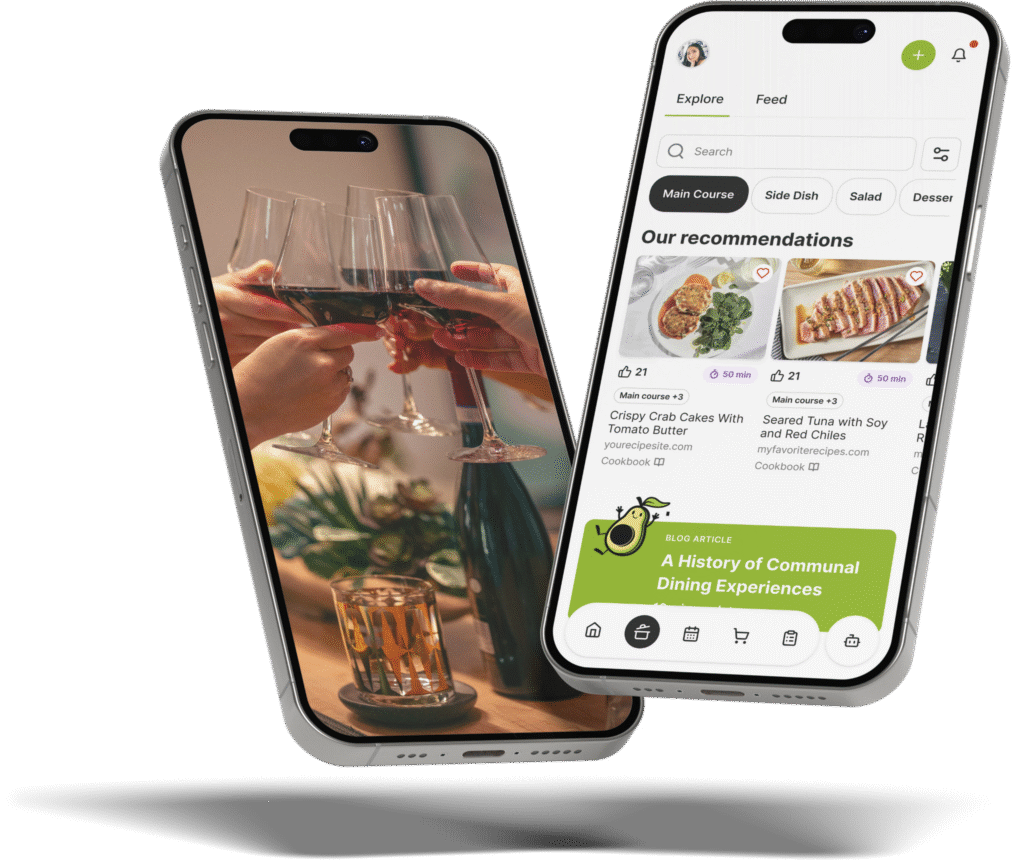
You can start your planning by creating your event and adding a fun theme. The Gourmet Host allows you to build your menu for all guests to see. This shared view helps you review ingredients and preparation with guests before dinner.
You can start with hundreds of recipes from professional test kitchens, then search recipes from across the web and jump straight to the original source. All of this happens without leaving the app.
| Prep Stage | Traditional Method | The Gourmet Host Advantage |
|---|---|---|
| Menu Planning | Cross referencing text messages for allergies | RSVP dietary notes for host review |
| Guest Coordination | Managing separate group chats | Centralized interactive event page |
| Expense Management | Calculating receipts the next morning | Spending logs and calculated balances |
Guest dietary restrictions and notes appear with RSVPs for you to review. Discuss ingredients and preparation with contributors and affected guests. Keep the agreed choices in the shared event menu.
Keeping the shared plan visible lets you spend more time setting the table after reviewing dietary needs with your guests. Sharing hosting duties makes gatherings much more enjoyable. The app makes it easy to invite co-hosts, assign dishes, and split costs.
Because the future of dinner parties is collaborative. When you share the preparation duties, you arrive at the dinner table feeling refreshed.
The integrated cost splitter simplifies post party logistics so you can focus on reliving the fun. Guests can log shared spending and see what they spent, owe and the difference after an event.
By utilizing The Gourmet Host mobile app, you keep the community connection strong long after the dessert plates are cleared. And maybe start planning the next one right from your phone. You can also visit The Gourmet Host online to find more menu and hosting ideas for your next gathering.
Frequently Asked Questions
What are some good icebreaker questions for dinner parties?
Good icebreaker questions focus on positive, open ended topics that everyone can answer easily. Asking about recent travel, favorite books, or hidden talents works incredibly well. These queries avoid heavy political or personal subjects, ensuring the mood remains light. Preparing a few fun prompts in advance guarantees you always have a conversation starter ready.
How do you introduce guests who do not know each other?
Introduce guests by pairing their names with a complementary detail about a shared interest. Highlighting a mutual hobby or a recent creative project gives them an immediate topic to discuss. This proactive approach bypasses awkward small talk entirely. It provides a natural bridge for strangers to begin speaking comfortably right away.
When is the best time to ask icebreaker questions at a party?
The optimal time to ask conversation starters is during the first fifteen minutes as people arrive. Handing someone a welcome drink while asking a light question immediately lowers their guard. You can also introduce fun prompts during the transition between the main course and dessert to revive the room’s energy.
How do hosts keep conversation going during a group dinner?
Hosts maintain dialogue by serving interactive meals like hot pot or family style platters. The physical act of sharing food naturally prompts continuous chatting. You can also actively manage the discussion by asking quieter guests for their opinion on a topic. Keeping the visual sightlines clear across the table also prevents awkward silences.
What interactive games work well for small adult dinner parties?
Small card based query games or light trivia work beautifully for adult gatherings. These options require zero setup and allow people to remain seated comfortably with their drinks. Establishing clear house rules beforehand keeps the competition friendly and lighthearted. The best activities encourage storytelling and laughter rather than intense strategy.
How do you make icebreaker questions optional for guests?
Make icebreaker questions optional by telling guests they can pass, listen or answer briefly. Offer a light topic about books, food or a shared interest, then let the conversation develop naturally. If someone seems uncomfortable, move to another subject without asking them to explain why they passed.
Continue Reading:
More On Party Games and Icebreakers
- Games to play with friends without anything: The Rules
- 6 Dice White Elephant Game Rules for Better Swaps
- Icebreaker Questions For Teenagers: The Full Party Guide
- 7 Minute to Win it Games for Teens to Host
- Family Game Night Games Ideas: The Full Hosting Guide
More from The Gourmet Host
- 50 Fun Icebreaker Questions for Dinner Party Chats
- 50 Icebreaker Questions for Adults at Dinner Parties
- 7 Rules for the White Elephant Game for Party Hosts
- 15 Party Games With Cards for Adults
- 20 White Elephant Gift Ideas Your Guests Will Love
Explore TGH Categories