Ginger Beer Mocktail Recipes: 4 Easy Mule Builds
 13 min read
Ginger beer is non-alcoholic. The name is a holdover from the 1800s, when the original recipe was lightly fermented and actually contained a trace of alcohol; the modern bottle on the grocery store shelf does not.
That single fact opens a door most home hosts walk straight past. If the base of a Moscow Mule is already alcohol-free, the drink only needs the vodka subtracted to become a mocktail — and once you accept that, ginger beer stops being a mixer and starts being a mocktail family of its own.
What follows covers four mule-style ginger beer mocktail recipes (Moscow, Kentucky, Mexican, and Dark ‘n Stormy), the build decisions that separate a punchy mule from a flat one, the brands that hold up as a mocktail base, and the copper-mug question every host eventually asks.
At a Glance
- Modern ginger beer is a non-alcoholic beverage — the name is historic, not literal — and qualifies for any alcohol-free drinks lineup.
- Four mule-style ginger beer mocktail recipes: Moscow, Kentucky (crisp apple juice), Mexican (lime + chili salt), and Dark ‘n Stormy (cranberry).
- A spicy ginger beer mocktail needs simple ingredients — fresh ginger root in the bottle, fresh lime, ice cubes, and a tall glass or copper mug.
- Pineapple ginger beer mocktail and ginger beer hibiscus mocktail variants extend the family with fresh fruit beyond mule territory for any special occasion.
- A 1/2-ounce of acid (lime juice) plus a few drops of bitters replace the bite that vodka removes from these alcoholic drinks.
- Mule mocktails scale to 12 guests when batched in a pitcher with a cocktail shaker on standby — copper mugs are the serving piece, not the mixing piece.
What Is a Ginger Beer Mocktail?
A ginger beer mocktail is a non-alcoholic drink built on spicy, fizzy ginger beer instead of a neutral spirit, with fresh ingredients (lime, ice, sometimes fruit) doing the work alcohol normally does. For hosts, the category matters because ginger beer carries enough punch to anchor a refreshing ginger beer mocktail — unlike club soda, it does not need vodka to feel structured. A ginger beer mocktail is a family of recipes — Moscow, Kentucky, Mexican, Dark ‘n Stormy — so one bottle on the bar serves four different drinks in a single evening.
Ginger Beer Is Already Non-Alcoholic — Here’s What That Changes
Most modern ginger beer in the U.S. is brewed and carbonated like a soft drink, not fermented to alcohol. Australian brewer Bundaberg explains the difference between ginger beer and ginger ale as a question of brewing time and ginger intensity — not alcohol.
That distinction reshapes how you build a mocktail. A non-alcoholic ginger beer carries spice, dryness, and a long finish — qualities a recipe normally borrows from vodka or rum. (Stock it alongside the core bottles in our home bar essentials guide and the cabinet covers four mocktail categories without buying a single spirit.) Subtract the vodka from a Moscow Mule and the drink does not collapse the way a virgin margarita does without tequila.
America’s Test Kitchen makes the practical point in their ginger ale vs ginger beer comparison: ginger beer is sharper, drier, and more peppery — a stronger ginger flavor that ginger ale cannot match. For hosts, that matters because the bite of the base is the bite of the drink.
- Spicy and dry: the base does the work alcohol normally does — sharp finish, long burn.
- Fermented in name only: modern grocery-store ginger beer is brewed under 0.5% ABV and labeled non-alcoholic.
- Carries a drink on its own: you do not need a neutral spirit to give the glass shape.
- Pairs cleanly with citrus: lime and lemon cut the sweetness without flattening the spice.
Once that one ingredient holds, the four classic mule recipes open up as a mocktail family — Moscow, Kentucky, Mexican, and Dark ‘n Stormy — each with a different acid and aromatic on the same fizzy base.
|
Save the Four Mule Builds Together |
Meet the Mule Family: 4 Builds Without the Vodka
Moscow Copper Co — the company that originated the modern copper mug — keeps a virgin Moscow Mule recipe on their site that hosts can use as the baseline build. Substitute one ingredient and the drink shifts category.
- Moscow Mule, the baseline: Ginger beer + 1/2 oz fresh lime juice + a wedge of lime in a chilled copper mug or tall glass over ice cubes. Sharp, dry, peppery — the virgin Moscow Mule most hosts know by sight.
- Kentucky Mule, the apple cider mule mocktail: Swap the lime for 1 oz crisp apple juice and add a dash of cinnamon-clove bitters. The spice doubles up on the ginger — pairs cleanly with smoked or braised mains.
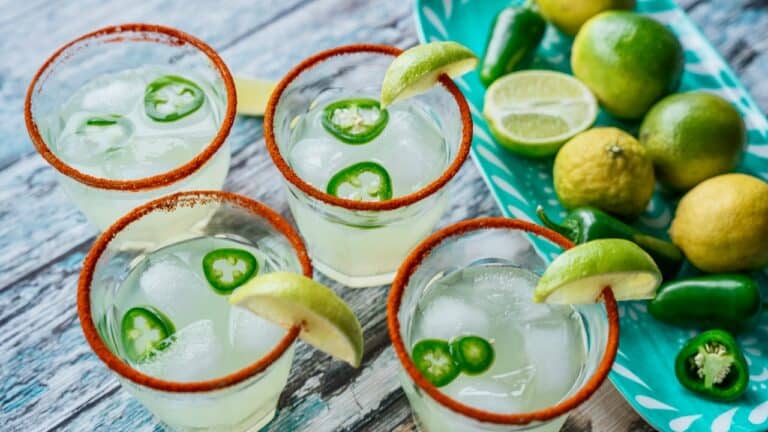
- Mexican Mule, the chili-and-citrus build: Lime juice plus a salted-and-tajín rim. The chili-salt rim adds heat from the outside while the ginger beer carries it from the inside, echoing a virgin margarita without tequila.
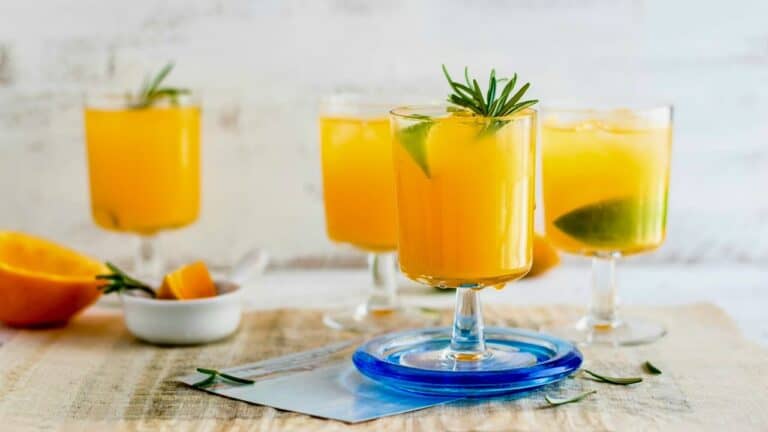
- Dark ‘n Stormy Mocktail, the holiday build: Ginger beer + 1 oz cranberry juice + 1/2 oz lime + a few drops of non-alcoholic vanilla extract. The cranberry bridge gives the drink the deep red color the original gets from rum.
Mindful Mocktail catalogs six ginger-beer mule variations — including a pineapple ginger beer mocktail that extends the family with pineapple juice and a pineapple wedge — for hosts who want more than four.
Moscow on a warm summer day, Kentucky for autumn (slot it into our cozy non-alcoholic fall drinks lineup next to mulled cider), Mexican for taco-night dinners, and Dark ‘n Stormy for winter holidays — pour it alongside the menu in our holiday dinner party ideas.
What none of those four recipes can do is rescue itself from a flat ginger beer — which is why the next decision is the build itself.
How to Build a Mule Mocktail With Real Punch
The complaint that ruins most mule mocktails is the same one: the drink tastes thin. De Soi’s Moscow Mule mocktail recipe uses a non-alcoholic apéritif to add weight, but most home hosts will not have that on hand. Three cheaper levers do the same job.
Use a Spicy Ginger Beer, Not a Soft Ginger Ale
Mingle Mocktails — a brand that builds canned craft cocktails — explicitly recommends a strong ginger flavor base in their copycat ginger beer mocktail recipe. A soft ginger ale rounds the corners off; a spicy ginger beer mocktail keeps them sharp.
Three brand cues hosts can use without tasting first:
- Look for fresh ginger root: brewed ginger beers list real ginger as the second or third ingredient, not as ‘natural flavors.’ Most grocery stores stock at least one brewed bottle on the soft drinks shelf.
- Read the carbonation: less carbonation often means a thicker mouthfeel. A ginger beer with fewer bubbles drinks closer to a cocktail than a ginger ale.
- Trust the burn: take one sip neat and feel where the heat lands. If it is on the front of the tongue, it is ginger ale wearing a different label.
Add Acid and a Dash of Bitters
Copper Mug Co’s virgin Moscow Mule build keeps fresh lime juice as a non-negotiable — and skips simple syrup entirely. Bottled lime juice tastes oxidized in a glass this short, and added sweetener flattens the spice.
A few dashes of non-alcoholic aromatic bitters add the bridge complexity vodka would have provided. Most grocery-store bitters contain trace alcohol; for a strict-zero pour, look for a brand that lists itself as 0.0% ABV on the bottle.
With the right ginger beer and the right acid in the glass — whether the bar is indoors or one of the budget outdoor bar setups we like for summer hosting — the next host question becomes which bottle to buy.
|
Hosting Tip: Choose Brewed Ginger Beer for More Bite |
Which Ginger Beer Brand Works as a Mocktail Base?
Like Mother Like Daughter’s family-friendly non-alcoholic Moscow Mule recipe calls for a sharp, peppery ginger beer specifically because the recipe has nothing else carrying it. That single decision — which bottle comes off the grocery store shelf — does most of the work.
Three brand profiles a host should know:
- Sharp and brewed. These bottles list fresh ginger root, run drier on sweetness, and burn on the back of the tongue. They are the bottles that hold up as a flavorful ginger beer mocktail base — the recipe stands on the burn.
- Mid-spice and sweetened. Common at the local grocery store, these read as ‘ginger soda’ more than ginger beer. They work in a Dark ‘n Stormy where cranberry juice rebalances the sweetness — but fall flat in a Moscow Mule with only lime.
- Soft and rounded. Often labeled ‘ginger ale-style’ or ‘lite,’ these bubbly drinks have neither the spice nor the body to carry a mocktail. Reserve them for kids’ drinks or for ginger-spiked punch where they are not the lead.
Yummy Mummy Kitchen’s holiday ginger beer mocktail specifies a brewed bottle for that reason — the contrast in her photographs (full color, visible bubbles) makes the point that a flat soda will not carry a mule through a 30-minute cocktail hour.
Once the bottle is right, the question every host asks next is whether the copper mug is style or substance.
Why Does a Mule Taste Different in Copper? — And Other Host Decisions
The copper mug is not decorative theater. Entirely Elizabeth’s non-alcoholic Moscow Mule specifies copper for a reason: the metal chills fast, holds cold longer than glass, and the cold rim sharpens the spice as the drink hits the tongue.
Copper is the serving piece, not the building piece. Build the mule in a pitcher, taste for balance, then pour into pre-chilled copper mugs at service — never build inside the mug, where you cannot stir without scratching the lining.
Three host decisions a copper mug forces you to make:
- Pre-chill 20 minutes before guests arrive: stack mugs in the freezer at 0°F for twenty minutes — a warm copper mug muffles the spice on the first sip.
- Garnish with a lime wheel, not a wedge: the wheel sits flat against the chilled rim and signals the drink’s category from across the room.
- One mug per guest, not per drink: copper mugs do not stack and are too heavy to pour a second round into a fresh one.
The host’s last decision is menu pairing. Moscow cuts through fatty grilled mains; Kentucky softens barbecue smoke; Mexican mirrors taco night; Dark ‘n Stormy carries cranberry color into a holiday tablescape. Beyond the mule shelf, a ginger beer hibiscus mocktail (steeped hibiscus tea, lime, ginger beer) extends the same logic into floral territory for a brunch crowd.
From years of hosting, that last point earns the buy. One brewed ginger beer pours four categories across the year, and a single pitcher batches twelve drinks in five minutes — the same logic behind our batch cocktail playbook for effortless entertaining. At twelve dollars, the bottle is cheaper than the spirits a host would otherwise need.
Frequently Asked Questions
Is ginger beer alcoholic?
Modern grocery-store ginger beer is non-alcoholic. Almost always under 0.5% ABV, and labeled as a soft drink. The name is a holdover from the 1800s, when ginger beer was lightly fermented and contained trace alcohol. Today’s bottle is brewed for spice and carbonation, not fermentation, and is safe for kids and non-drinking adults at the same table.
What is the difference between ginger beer and ginger ale?
Ginger beer is brewed from real ginger root, runs drier and spicier, and finishes with a peppery burn. Ginger ale is a sweeter soft drink with milder ginger flavor and softer carbonation. For a mule mocktail, ginger beer carries the recipe; ginger ale rounds the corners off and leaves the drink tasting thin without alcohol holding the structure.
Can you make a Moscow Mule without vodka?
Yes. The Moscow Mule’s signature comes from spicy ginger beer and fresh lime, not the vodka. Pour eight ounces of brewed ginger beer over ice in a chilled copper mug, add half an ounce of fresh lime juice, stir briefly, and garnish with a lime wheel. The result is a virgin Moscow Mule that holds up across a cocktail hour.
What does a ginger beer mocktail taste like?
It tastes sharp, dry, and peppery, with a long ginger burn at the back of the tongue. Fresh lime adds a bright citrus bridge, and a copper mug chills the rim enough to amplify the spice. Compared to a virgin margarita or Shirley Temple, a mule mocktail reads as a grown-up drink. Closer to a cocktail than a soft drink.
Why are mules served in copper mugs?
Copper conducts cold faster than glass, so the mug chills instantly and stays cold through a 30-minute cocktail hour. The cold rim against the lip sharpens the ginger beer’s spice as the drink hits the tongue. The tradition started in 1941 as a vodka-and-copper-mug marketing collaboration, but the physics that made it stick are real.
What is a virgin Mexican Mule?
A virgin Mexican Mule is a ginger beer mocktail built on lime juice and a chili-salt rim instead of tequila. Pour ginger beer over ice in a copper mug, add fresh lime juice, and rim the glass with a tajín-and-kosher-salt blend. The chili adds outside heat while the ginger beer carries it inside, a vodka-free echo of a spicy margarita.
Continue Reading:
More on Mocktail Recipes by Drink Type
- Shirley Temple Mocktail: A Host\’s Guide to the Classic + 5 Variations
- Margarita Mocktail Recipe: Virgin Margaritas Hosts Can Build in 5 Minutes
- Mojito Mocktail Recipe: Fresh Virgin Mojitos for Hot-Day Hosting
- Strawberry Mocktail Recipes: Sweet Non-Alcoholic Drinks for Any Crowd
- Sunrise Mocktail Recipe: A Layered Tequila-Free Drink for Brunch + Beyond
More from The Gourmet Host
- Heavy Hors d’Oeuvres: 12 Bites to Replace Dinner
- Party Brunch Ideas That Impress Any Crowd
- Premium Wine and Food Pairings: A Host’s Complete Guide
- Common Dietary Restrictions: A Host’s Guide to Every Guest
- 4 Advanced Methods & Techniques For Creative Home Cooking
Explore TGH Categories
- Set the Scene
- Drinks and Bar
- Plan the Meal
- Engage with Guests
- Games and Toasts
- Tools and Techniques
- Why We Gather