Outdoor Dining Ideas for Every Space and Style
 15 min read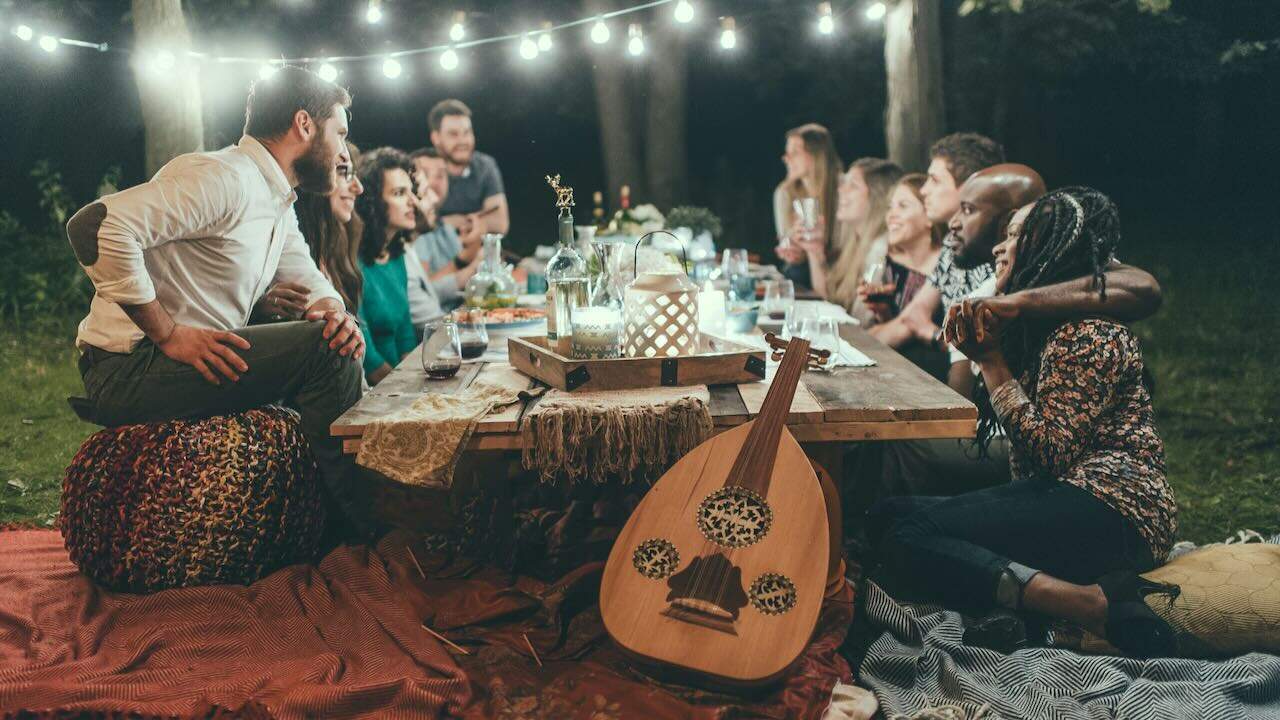
The best outdoor dining ideas start with a single question most hosts skip: how do you actually want the evening to feel? A round table tucked under string lights creates a completely different experience than a long table set against an open sky, and neither is better—they just serve different kinds of gatherings.
The disconnect between outdoor dining spaces that look beautiful online and ones that actually work for a dinner party usually comes down to three things: seating flow, lighting, and how the overall look of the space matches the meal you’re serving.
If you’ve been wondering how to turn a patio, backyard, or even a narrow balcony into a functional outdoor dining area, start here. We’ve organized everything by space type, style, and setup so you can build a dining area that feels intentional from the first course to the last glass of wine.
At a Glance
- Start with the shape and size of your outdoor space to choose between round tables, long tables, or modular seating areas.
- String lights and pillar candles create soft lighting that makes any outdoor dining setup feel warm after dark.
- Natural materials like warm wood and lush greenery connect your dining area to its outdoor surroundings.
- Comfortable seating with throw pillows keeps guests at the table longer than rigid chairs ever will.
- A covered patio or simple canopy gives you a backup plan without sacrificing the al fresco dining area atmosphere.
What Are Outdoor Dining Ideas?
Outdoor dining ideas are the layout decisions, furniture choices, and styling details that turn a patch of open air into a space where people actually want to sit down and share a meal. For hosts with a backyard, patio, or balcony who want to move their entertaining outside, the real challenge isn’t buying a table—it’s designing an outdoor dining space that feels cohesive rather than improvised. What separates a great outdoor setup from a forgettable one is whether the space has been designed around the meal and the guest count, not just arranged to look good in a photograph.
How Do You Design an Outdoor Dining Space That Actually Works?
A stunning outdoor dining area is useless if no one can pass the bread without standing up. The right furniture, the right spacing, and an understanding of how your outdoor area handles wind, sun, and temperature at dinner time—those are the foundations that make every other outdoor dining idea land.
According to the entertaining specialists at Creative Environments, designing for function first and aesthetics second is the crucial role most hosts underestimate.
Start by mapping your outdoor room the same way you’d arrange a living room. You need a dining area, a path for moving between kitchen and table, and at least one conversation zone away from the food. Interior design principles apply outdoors too—the best setups define distinct areas without hard walls.
- Measure your space before buying furniture: A small patio needs a round table or small dining table that leaves at least 36 inches of clearance on all sides for comfortable movement. Hard surfaces like concrete or pavers give you more flexibility with seating than grass.
- Choose your table shape by guest count: Round tables work for intimate dinners of four to six. Long tables suit large gatherings where conversation flows down the line. A wooden table with clean lines doubles as a contemporary design anchor.
- Test your layout at dinner time: Spend ten minutes in your outdoor space at the hour you’d normally eat. Notice where the sun hits, where the gentle breeze comes from, and whether your seating areas get enough shade. That single test prevents the two most common outdoor dining mistakes: glare and wind tunnels.
The team at Outdoor Makeover recommends thinking of your outdoor dining setup as an extension of your home rather than a separate project. When your dining area feels connected to the indoor kitchen, the host spends less time running back and forth and more time at the table.
Once you have the bones of your layout, every decorative choice—from table runners to tall planters—has a place to land.
|
Keep the Party Plan Together |
Outdoor Dining Setups for Every Style
Your personal style should shape the outdoor dining setup more than any trend. Whether you lean toward rustic warmth, modern minimalism, or something bohemian, the key ingredients stay the same: a dining surface, comfortable seating, lighting, and greenery. Here are outdoor dining ideas grouped by the styles hosts ask us about most.
Rustic and Natural
- Warm wood farmhouse table with linen runner — A wooden table with visible grain sets the tone for a relaxed al fresco dining area. Pair it with a textured table runner in neutral linen and fresh flowers from the grocery store in mismatched vases for an effortless look that guests remember.
- Woven placemats on a stone surface — If you’re working with a built-in stone outdoor table or patio surface, woven placemats in natural materials add warmth without competing with the setting. The al fresco ideas from The Coolist show how layering textures creates visual interest even on the simplest outdoor dining table.
- Mason jars as candle holders and centrepieces — Drop pillar candles into glass hurricanes or mason jars to keep them lit in the wind. Surround the base with lush plants or ornamental grasses clipped from the garden. It costs almost nothing and takes center stage on a rustic table.
- Tree branches as overhead canopy — If you dine under a tree, hang string lights from the branches to define the outdoor room above. The natural canopy provides shade during summer party season and frames the outdoor dining space without any permanent structure.
Modern and Minimal
- Monochrome palette with sculptural shapes — A matte black or white outdoor dining table with contemporary design chairs creates clean lines that let the food and flowers become the focal point. The team at Family Handyman highlights how small-space hosts can use minimal furniture to make a small patio feel larger.
- Concrete or steel planters as centrepieces — Skip the bouquet of flowers. Instead, line the center of the table with low concrete planters holding succulents or ornamental grasses. The contrast of hard surfaces against greenery reads as intentional without fussing.
- Recessed or ground-level lighting — For a modern outdoor dining space, soft lighting from below creates atmosphere without visible fixtures cluttering the table. Solar-powered path lights along the dining area feels polished after dark. Pair them with a single overhead pendant for the perfect balance of ambient lighting and task light.
Relaxed Bohemian
- Floor cushions and a low table for casual gathering — A low table surrounded by oversized throw pillows on an outdoor rug turns your outdoor area into an inviting space that encourages guests to settle in for hours. This works especially well on a covered patio where weather is less of a concern.
- Layered textiles and a mix of chairs — Combine a bench, a couple of mismatched chairs, and a stool. Drape different-coloured throw pillows across all of them. The ideas from Sweet Valley Acresdemonstrate how eclectic seating makes an outdoor dining room feel collected rather than catalogue-perfect.
- Fairy lights and candle clusters — String lights overhead plus scattered candle holders at different heights on the table. Add a couple of side tables for drinks so the dining area feels expansive. This setup is the perfect setting for a summer party where conversation matters more than courses.
In our experience hosting, the style that works best is the one that matches how you actually cook and serve. A seven-course plated dinner needs a different outdoor dining setup than a casual help-yourself spread. Let the meal guide the table.
Lighting That Makes an Outdoor Dining Area Feel Complete
Good food on the wrong table still tastes good. Good food under the wrong lighting feels off. The outdoor lighting you choose plays a crucial role in whether guests lean in or check their phones.
According to the setup guide from Decor Outdoor, lighting should come from at least two sources at different heights to avoid flat, shadowless glare.
- String lights at 8–10 feet overhead — The gold standard for outdoor dining. Drape them in a zigzag pattern across the dining space to create even coverage. Warm-white bulbs at 2700K mimic candlelight and flatter everyone at the table. This is the single easiest way to make any outdoor dining area look intentional.
- Pillar candles in glass hurricanes on the table — Candles at table level create a soft glow that makes the food look better and the conversation feel more intimate. Glass hurricanes prevent wind from killing the flame, which matters more than most hosts expect during outdoor dining.
- Solar stake lights along pathways — Guests need to find the table, and they need to find the bathroom. Solar lights along garden paths guide guests between the outdoor dining space and the rest of the house without harsh overhead floods.
- Lanterns on side tables and steps — Decorative lanterns at mid-height fill the gap between overhead string lights and table-level candles. Place them on side tables, porch steps, or low walls to add depth to your outdoor room. The layered effect is what separates a thoughtful outdoor setup from a single bulb on the porch.
- Dimmer-compatible overhead fixture — If your covered patio has a permanent light, swap in a dimmer switch. Full brightness for serving, low light for lingering. It’s a one-time investment that transforms every outdoor dining experience you host from today’s post forward.
We’ve found that hosts who layer three light sources—overhead, table, and path—rarely need to adjust anything once dinner starts. The perfect complement to good lighting is plenty of seating in the right arrangement, which keeps the atmosphere relaxed no matter how long the evening runs.
Explore more ambience techniques in our guide to setting the right dinner party mood. Planning your outdoor lighting in advance through a tool like the Gourmet Host app keeps your prep list clear and your evening stress-free.
|
Hosting Tip: The 36-Inch Rule Saves Every Outdoor Dinner |
Furniture and Seating That Keep Guests Comfortable
The right furniture turns an outdoor dining area into a place where guests stay for hours. The wrong furniture has everyone shifting in their seats before dessert. Choosing outdoor furniture comes down to material, comfort, and how it handles weather—because unlike your indoor dining room, everything outside faces sun, rain, and temperature swings.
According to the outdoor hosting experts at RST Brands, the most popular choices for outdoor dining tables are teak, aluminium, and all-weather wicker—all of which handle the elements without constant maintenance.
For a small patio, a round table that seats four keeps the space feeling open. For a larger backyard, a long wooden table paired with benches accommodates large gatherings without needing a dozen matching chairs.
- Add throw pillows to hard chairs: A single outdoor-rated cushion per seat makes Adirondack chairs, metal bistro chairs, or wooden benches feel comfortable for a full evening. Choose fabrics rated for outdoor use so they survive the season.
- Use side tables for overflow: Not everything belongs on the dining table. Place side tables within arm’s reach for drinks, phones, and candle holders. This keeps the center of the table clear for food and fresh flowers.
- Anchor loose items in wind-prone areas: If your outdoor area catches a gentle breeze or worse, use weighted tablecloth clips and avoid lightweight paper napkins. A garage sale find—like an old wooden bread board—makes a sturdy centrepiece base that won’t blow away.
The multi-zone approach from Torchwood Landscaping works well here: separate the dining area from a lounge or conversation zone using tall planters or an outdoor rug as a border. This gives guests a reason to move around, which keeps the energy of the evening alive.
For more ideas on how table and seating layout affects the flow of a dinner, see our walkthrough on how to set a dinner table like a pro. The principles transfer directly to outdoor settings—spacing between seats, place setting alignment, and leaving room for shared platters all matter just as much under the open sky.
|
Share Every Hosting Task Clearly |
The One Decision That Shapes Your Entire Outdoor Evening
Every outdoor dining idea in this article—the furniture, the lighting, the style—flows from a single choice: are you designing the space around the meal, or around the conversation?
The entertaining design team at Sea Pointe frames it well: the layout that works for a formal plated dinner is fundamentally different from one built for casual grazing. A formal setup calls for a structured outdoor dining setup with a set table, defined place settings, and enough surface area for courses.
A casual summer party with shared platters needs plenty of seating, easy access to food, and a perfect place for lingering over drinks.
Once you decide which type of evening you’re hosting, the rest falls into place. You’ll know whether a round table or a long table fits better. You’ll know whether pillar candles or string lights set the right mood.
You’ll know if your outdoor space needs more seating areas or more serving surface. That clarity is the perfect way to stop second-guessing and start setting up.
- Formal outdoor dinner: Prioritize table surface, proper place settings, and ambient lighting at table height. The zone-based approach from Zenith Design + Build shows how a covered patio with an outdoor kitchen nearby cuts serving time in half.
- Casual outdoor gathering: Prioritize comfortable seating in clusters, food stations guests can graze from, and pathway lighting so people move freely. An outdoor rug and throw pillows create zones without walls.
- Hybrid approach: Start with a seated first course, then shift to a lounge setup for dessert and drinks. This is a great way to use your entire outdoor area and give guests a change of scenery within the same evening.
The host who decides the format early avoids the scramble of rearranging furniture an hour before guests arrive. Whether you’re planning intimate al fresco meals or large-format gatherings, there’s plenty of inspiration in these setups to match your space. And that’s the easy way to spend your evening at the table rather than behind it.
Explore ideas for pulling together your full meal plan in our complete dinner planning guide, and find seasonal themes that pair with outdoor setups in the dinner party theme guide.
If you’re ready to bring these outdoor dining ideas together for your next gathering, the Gourmet Host appwalks you through every step from guest list to table setup.
Frequently Asked Questions
How do I create an outdoor dining area on a budget?
Start with what you already own. A kitchen table, indoor chairs, and household candles all work outside. Add an outdoor rug from a garage sale, string lights from a grocery store, and fresh flowers from the yard. A beautiful outdoor dining space doesn’t require new furniture; it requires thoughtful arrangement and good lighting to make the existing pieces feel intentional.
How much space does each outdoor diner need?
Allow sixty centimetres of table edge per person and about a metre behind each chair for pushing back. Outdoor chairs sink into grass and need more clearance than indoor ones. If the table sits against a wall or planter, add another thirty centimetres on that side.
Do I need a canopy for an outdoor dining area?
Something overhead makes the difference between a table people linger at and one they abandon. A canopy, pergola, or even a large parasol handles both midday sun and light rain. It also lets you hang lighting, which is what makes the space usable after dark.
What is the best material for outdoor dining furniture?
Teak, powder-coated aluminium, and all-weather wicker top the list for durability and low maintenance. Teak weathers to a silver-grey patina and handles rain without rotting. Aluminium is lightweight and rust-resistant, making it ideal for hosts who rearrange seating between gatherings. All-weather wicker combines the look of natural materials with UV and moisture resistance.
How do I store outdoor dining pieces between seasons?
Cushions and linens go indoors dry, never damp, or they mildew by spring. Stack chairs under a breathable cover rather than plastic, which traps moisture. Wooden tables want oiling once at the end of the season, and metal frames need their feet off wet ground.
How do I make a small patio feel bigger for a party?
A round table beats a rectangular one for a small patio, since it seats more guests in less floor space. Keep the palette neutral, hang string lights overhead to draw the eye up, add tall planters at the edges for a sense of enclosure, and mark the dining zone with an outdoor rug.
Continue Reading:
More On Backyard Entertaining
- Backyard Entertaining Ideas for Every Season and Space
- How to Host a Backyard Dinner Party Worth Talking About
- How to Host Your First Dinner Party With Ease
- Outdoor Table Setting Ideas for Every Style
More from The Gourmet Host
- Elegant Floral Arrangements for Your Dining Table
- Best Dinner Party Games for Adults to Play Next
- 30 Dinner Party Conversation Starters That Actually Work
- Classic Aperitifs for Dinner Parties (15 Best Picks)
- Drinks for Kids: Fun and Healthy Options for Every Gathering
Explore TGH Categories
- Set the Scene
- Drinks and Bar
- Plan the Meal
- Engage with Guests
- Games and Toasts
- Tools and Techniques
- Why We Gather