Family-Style Dinner Wedding Guide: Best Meal Ideas
 13 min read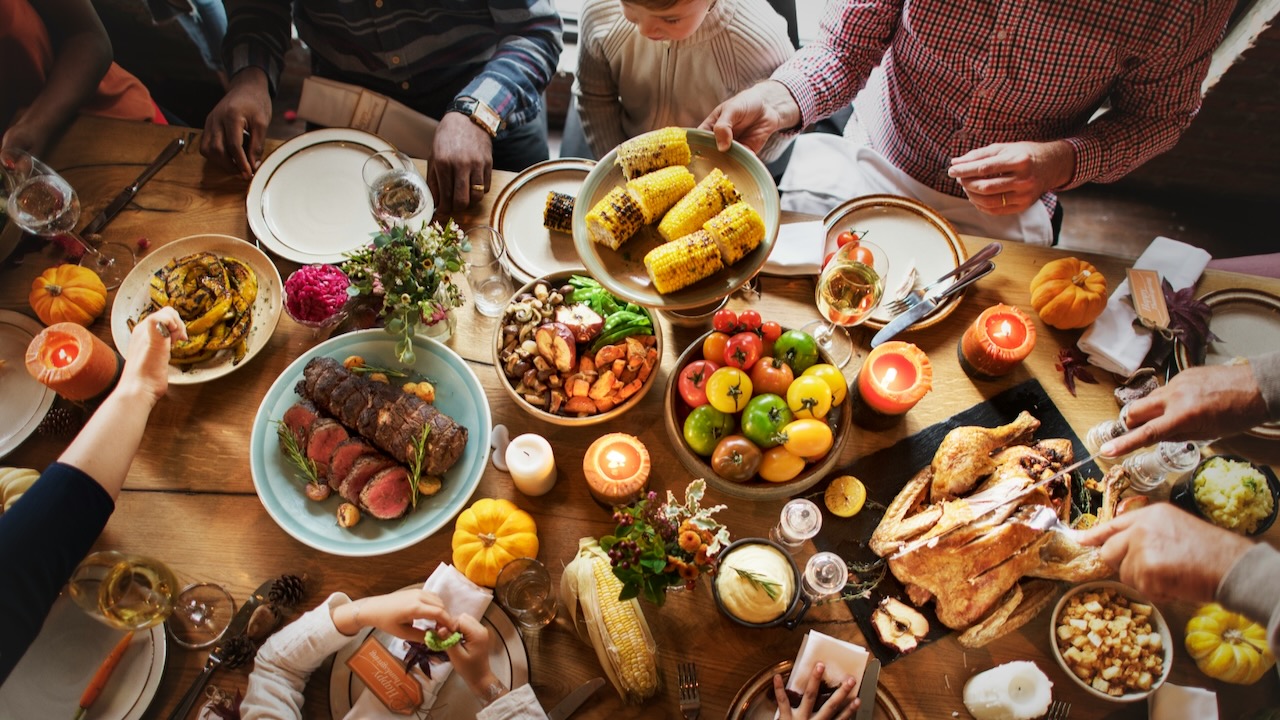
The wedding meal you choose says more about your values than your budget. A family-style dinner wedding replaces the stiff formality of individually plated courses with large platters passed hand to hand—turning every guest table into its own small celebration. The format is surging in popularity across wedding receptions of all sizes, from intimate gatherings of thirty to grand celebrations topping two hundred.
Yet most catering guides treat this style of service as a logistical checkbox: less expensive than plated, fancier than buffet, done. That misses the point.
This guide walks you through the real reasons couples choose family-style dining, the menu items that work best on shared platters, and the practical details—from seating chart adjustments to beverage service—that make your big day feel like the best family dinner you’ve ever hosted.
At a Glance
- Family-style service places large platters in the middle of each table so guests serve themselves and each other.
- This format suits both intimate gatherings and grand celebrations, creating a warm atmosphere that plated meals rarely match.
- Popular menu items include herb-roasted chicken breast, wild rice, seasonal vegetables, and shareable sides with marinara sauce or bbq sauce.
- Costs often fall between buffet style and pre-plated meal pricing, depending on your caterer’s service charge structure.
- Thoughtful seating chart planning and round tables keep platters accessible and conversation flowing.
What Is a Family-Style Dinner Wedding?
A family-style dinner wedding is a type of meal service where food arrives on communal dishes placed at the center of each guest table, and diners pass platters and serve one another. Unlike a buffet style setup where guests leave their seats to stand in line, or a pre-plated meal delivered by servers, family-style dining keeps everyone seated together, preserving the conversational rhythm of the evening.
Why Couples Choose Family-Style Service for Their Wedding Celebration
The first questions most couples ask when planning their wedding meal center on logistics: cost, timing, headcount. But the style of service you pick shapes how your guests experience the entire evening.
Family-style catering creates a warm atmosphere that formal plating cannot replicate.
- Connection over formality: Passing communal dishes mirrors a family dinner, which is exactly the tone many couples want on their big day. As wedding planners at Bride STL note, the act of sharing food breaks the ice between tables where not everyone knows each other.
- Visual abundance: Large platters heaped with colorful food create a sense of celebration and generosity that individual plates can’t match. Your dining experience starts with the eyes.
- Flexibility for diverse diets: With multiple platters on the table, guests choose what suits them. A vegan guest skips the chicken breast and loads up on roasted vegetables and wild rice without flagging a server.
We’ve found over 15 years of hosting that the meals guests remember most are the ones where they felt generous—not just fed. That principle holds whether you’re hosting thirty at home or three hundred at a wedding reception.
The format also simplifies service timing, which frees up your dance floor sooner—a detail that matters more than most couples expect.
|
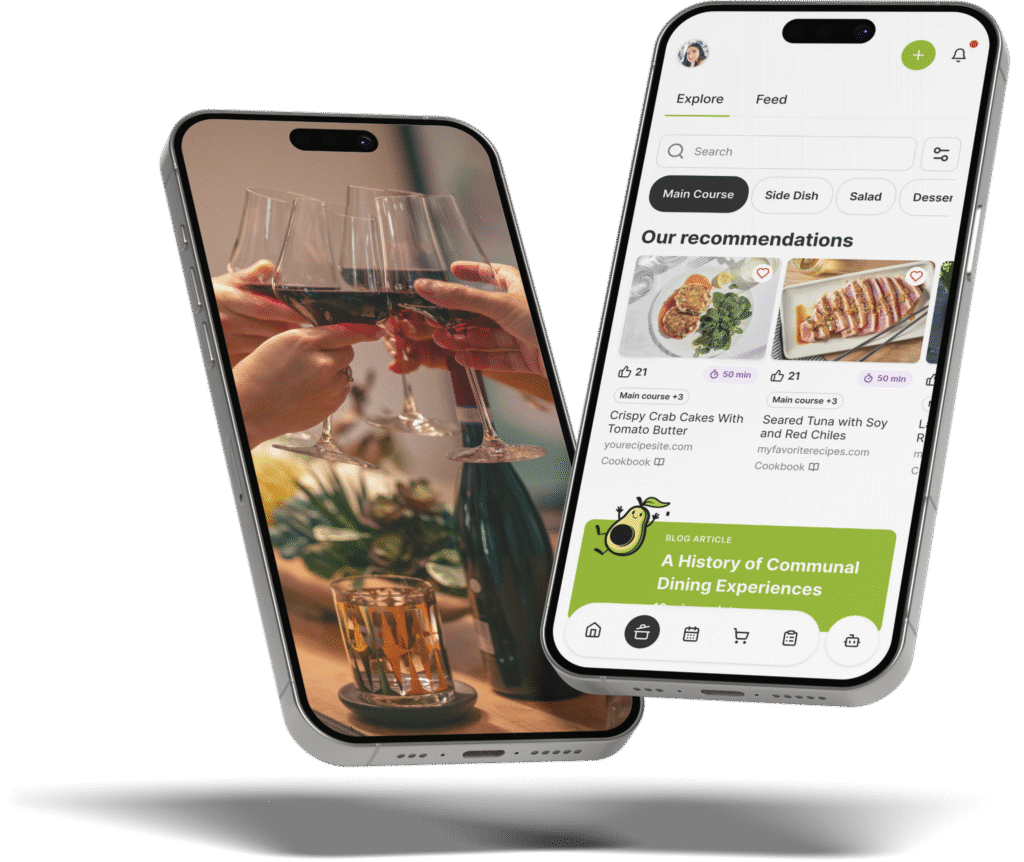
Keep the Reception Plan Together |
How Does Family-Style Compare to Buffet and Plated Meals?
Choosing a type of meal service is one of the biggest catering decisions you’ll make. Each service style has trade-offs, and the better option depends on your priorities.
- Family style wedding dinner: Platters arrive at each guest table. Guests serve themselves and pass dishes. Creates a communal, relaxed feel. Works beautifully with round tables seating 8–10. Per-guest costs typically land between buffet and plated, though a service charge for extra staff may apply. Zola breaks down the catering-style comparison in detail.
- Buffet style: Guests leave their seats and serve themselves from a central station. Often the most affordable option but creates lines that cut into dance floor time and conversation.
- Pre-plated meal: Individual plates arrive at each seat, plated by the kitchen. Precise portion control and elegant presentation, but less flexibility for varied tastes. Generally the highest cost per head.
If you want your wedding celebration to feel like a dinner party rather than a restaurant, family-style service is the natural choice.
Planning your dinner party menu with guests in mind follows the same logic at any scale.
Best Menu Ideas for a Family-Style Wedding Dinner
The best family style meals for weddings feature dishes that hold well on large platters and taste great at room temperature. Choose a main course that anchors the spread, then build shareable sides around it.
According to Eighty Eight Catering’s menu planning guide, the most popular family-style catering menus include:
- Herb-roasted chicken breast with lemon pan sauce—a crowd-pleasing main meal that slices cleanly on a shared platter.
- Braised short ribs with red onion jam and roasted root vegetables. The slow-cooked texture holds beautifully during service.
- Wild rice pilaf with toasted almonds and dried cranberries—an earthy, textured side that pairs with nearly any protein.
- Rigatoni with marinara sauce and fresh basil. Pasta is a natural fit for family-style dining because it’s inherently shareable and universally loved.
- Seasonal grilled vegetables drizzled with bbq sauce or herb vinaigrette—easy to serve in different ways across multiple platters.
Think about the type of food that invites conversation—dishes people can point to, ask about, and recommend to the person next to them. The Gourmet Host app helps you organize these courses into a shareable menu with built-in grocery lists, whether you’re coordinating with a caterer or preparing part of the meal yourself.
For garnishing ideas that make shared platters look stunning, a few fresh herb sprigs and edible flowers go a long way. And if you want to explore how plating principles apply to family-style spreads, our food presentation techniques guide covers the fundamentals.
|
Hosting Tip: Order 15-20% More Food Than You Think You Need |
How Do You Turn Menu Ideas Into a Complete Family-Style Plan?
A list of appealing dishes is a starting point. Your family-style wedding menu also needs a clear job for every platter, enough room on each table, and a service plan your caterer can repeat across the room.
| Decision | Practical choice | What it solves |
|---|---|---|
| Guest group | Seat 8 to 10 guests at each round table. | Platters stay within reach, and each table receives the same complete set. |
| Menu structure | Choose one sliced protein, one vegetarian main, one starch, and one vegetable. | Guests can build a full plate without crowding the table with overlapping dishes. |
| Budget pressure | Use one featured protein and let a pasta dish serve as the vegetarian main. | The order stays at one meat choice per table while keeping a separate meat-free option. |
| Holding plan | Ask which dishes can be prepared ahead and held well in your venue’s kitchen. | The menu reflects the equipment and service window available on site. |
| Backup platters | Stage 1 to 2 extras of the dishes your caterer expects guests to request first. | Servers can replace an empty platter without interrupting the meal. |
For a 100-guest reception at ten round tables, a workable sample plan is ten platters each of herb-roasted chicken, rigatoni with marinara sauce, wild rice pilaf, and grilled vegetables. Place one of each on every table, then have the caterer hold the backup platters where servers can reach them quickly. This gives guests a protein choice and two sides without adding another ordering step.
Before you approve the menu, ask to see the actual platter dimensions beside a dinner plate and centerpiece. Confirm which serving utensil comes with each dish, where hot platters will land, and how dietary dishes will be identified. Those details tell you whether the menu works at the table, not only on the catering proposal.
Practical Setup: Tables, Timing, and the Details That Matter
The logistics of a family-style dinner are simpler than most couples expect, but a few decisions make a significant difference.
The Homestead 1854’s wedding planning team recommends focusing on three areas: table shape, centerpiece height, and service pacing.
- Round tables seat 8–10 comfortably and make passing platters natural. Rectangular tables work too, but require more platters per table since guests can’t reach across as easily.
- Skip elaborate centerpieces. Tall or wide arrangements compete with dinner plates and platters for table real estate. Low arrangements or scattered candles keep the middle of each table clear for food.
- Stagger courses by 15–20 minutes. This keeps the flow relaxed and gives servers time to clear. Your beverage service can continue between courses, keeping energy at the table.
Your seating chart plays a bigger role with family-style meals than with plated dinners. Group guests who enjoy conversation together—passing food amplifies whatever social dynamic exists at the table.
For hosting etiquette that applies to weddings and dinner parties alike, thoughtful seating is always the unsung hero.
Some couples add food trucks for late-night snacks or dessert—a good option for keeping the celebration going after the main meal.
|
Share Every Toast Detail Clearly |
What Makes Family-Style the Right Choice for Your Wedding
Not every wedding celebration suits family-style—but when it fits, it transforms the meal from a scheduled course into the emotional center of the evening. Ask yourself one question: do you want your guests eating together, or just eating at the same time?
If your answer is together, this is your format. A family-style meal works in different ways for different couples—some use it for the full main course and dessert, while others pair it with a cocktail hour buffet.
Martha Stewart Weddings highlights that the flexibility of this format is one of its greatest strengths—and one of the first questions to discuss with your caterer.
The table itself becomes the centerpiece. Instead of elaborate centerpieces competing for attention, the presentation of the food itself becomes the décor.
Platters of food arranged with care—think of it as the same instinct behind a beautiful grazing table, scaled for a seated dinner.
If your caterer offers family-style catering services through a local team, such as Fundamental Events in Los Angeles, they can handle the styling and replenishment so you simply enjoy.
Ultimately, a family-style dinner wedding is a design choice rooted in connection. Plan your menu using the Gourmet Host app, gather inspiration from our how to host a dinner party guide, and trust that the warmth of a shared table will carry the evening.
Frequently Asked Questions
Is a family-style dinner less expensive than a plated wedding meal?
Family-style pricing typically lands between buffet and plated, so yes, it usually costs less than a fully plated wedding meal. You save on individual plating labor, though food volume rises since guests serve themselves freely. Ask your caterer whether a service charge applies for extra platters and replenishment staff.
How many platters do you need for a family-style dinner wedding?
Plan one platter of each dish per 8 to 10 guests at a round table. For a wedding of 100 on ten tables, that means 10 platters per course. Build in 1 to 2 backup platters for popular items so servers can swap in fresh dishes without leaving any guest table empty.
What is family-style serving at a wedding?
Family-style serving means the kitchen prepares food in large portions and places them on shared platters in the middle of each table. Guests pass the dishes and serve themselves, much like a family dinner at home. It creates a relaxed, communal dining experience that encourages conversation and connection throughout the main meal.
What is the best type of food for a family-style wedding dinner?
Dishes that hold well at room temperature and travel easily across the table work best. Think chicken breast with marinara sauce, wild rice pilaf, and roasted seasonal vegetables. Avoid anything that requires precise plating or wilts quickly. The goal is platters of food that look abundant and taste just as good on the last serving as the first.
How does family-style dining compare to a buffet at a wedding?
Family-style keeps guests seated with shared platters passed hand to hand, while a buffet has guests leave their seats to serve themselves from a central station. Family-style feels more intimate and encourages conversation; a buffet offers guests more individual choice and often costs less for large receptions.
Can you do family-style service for a large wedding of 150 or more guests?
Yes, family-style works well for weddings of 150 or more guests when logistics are planned carefully. You’ll need enough round tables to keep each group at 8 to 10 guests, a seating chart that accounts for dietary needs, and a caterer experienced in replenishing platters quickly across a large room.
Continue Reading:
More On Food Presentation Techniques
- Brunch Setup Ideas: Creative Table Setting Decor for Home
- Easy Food Garnishing Techniques for Stunning Art
- Food Presentation Techniques: Easy Plating Tips for Cooks
- Grazing Table Ideas: How to Create a Stunning Setup
- How to Plate Food Like A Pro: Easy Plating Tips
More from The Gourmet Host
- Cocktails and Snacks: How to Pair Drinks and Bites Like a Pro
- Dinner Party Conversation Questions That Keep the Table Talking
- Dinner Party Themes for Every Style: Casual, Cultural, Seasonal, and Creative Ideas
- 10 Potluck Ideas for a Crowd That Make Hosting Effortless
- Potluck Dinner Party Themes That Your Guests Love
Explore TGH Categories
- Set the Scene
- Drinks and Bar
- Plan the Meal
- Engage with Guests
- Games and Toasts
- Tools and Techniques
- Why We Gather