Easy Food Garnishing Techniques for Stunning Art
 22 min read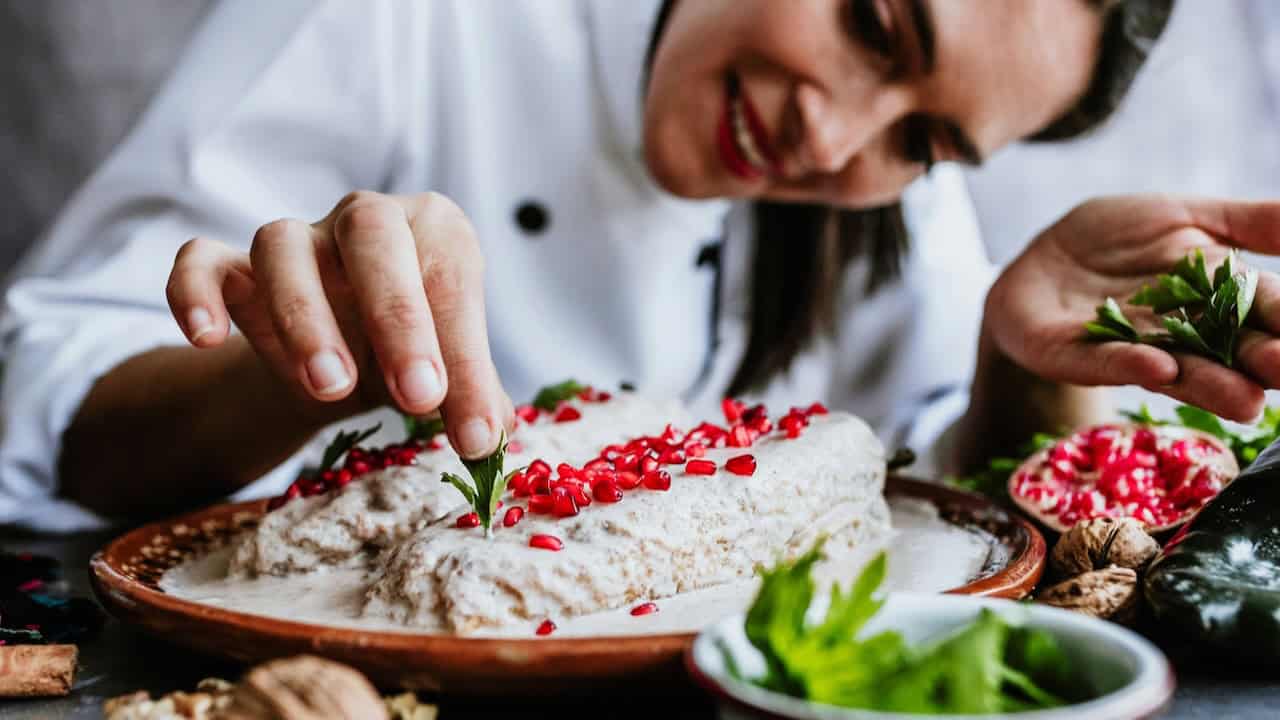
You spent two hours perfecting a slow-braised short rib, and the aroma alone could pull your guests out of a conversation. Then you set the plate down—bare, brown, and flat—and the reaction is a polite nod instead of the wide-eyed pause you earned.
The gap between a dish that tastes extraordinary and one that looks extraordinary is often just a single sprig, a curl of citrus, or a drizzle of sauce across the rim. Garnishing techniques are the quickest way to close that gap without adding a minute of cook time.
This guide walks you through the finishing touches that turn a home-cooked plate into a work of art—connecting each garnish to the hosting moment where it makes the biggest difference, so the food on your table starts conversations before the first bite.
At a Glance
- Fresh herbs like basil, thyme, and micro basil add color and aroma without overpowering the main dish.
- Edible flowers create a pop of color that transforms even a simple cheese plate into a visual focal point.
- Citrus zest and lemon wedges brighten heavy dishes and give guests a fresh, vibrant first impression.
- Chocolate curls and balsamic reduction drizzles turn basic desserts into works of art worth photographing.
- Strategic garnish placement using the rule of thirds draws the eye and makes every plate feel intentional.
What Are Garnishing Techniques?
Garnishing techniques are the methods home cooks and professional chefs use to add decorative, edible elements to a finished plate—fresh herbs, citrus fruit, edible flowers, sauce drizzles, and textural accents that enhance both the look and the experience of a dish. Unlike plating (which concerns layout and composition), the art of garnishing focuses specifically on the finishing touch—the last element added to a dish that bridges the gap between home cooking and culinary art.
Fresh Herbs and Edible Flowers That Transform Any Plate
The fastest way to add visual appeal to a finished dish is to reach for something green. Fresh herbs carry vibrant colors, release aroma the moment they hit a warm plate, and cost almost nothing extra when you already have them in the kitchen.
A few tender greens of basil scattered over a tomato salad, a sprig of thyme resting against a roasted chicken thigh, or a pinch of micro basil on a soup bowl—each one adds a touch of elegance that bare plates simply cannot match.
Even simple carrot curls or a squeeze of lemon juice over a finished dish can serve as an effective decorative element.
According to Restaurantware’s garnishing guide, the best garnishes complement rather than compete with the main ingredient.
When it comes to green herbs, keep these principles in mind:
- Flat-leaf parsley and cilantro: These classic garnishes work on nearly every savory dish. Tear them by hand for a rustic look or chiffonade them into thin ribbons for a refined touch.
- Rosemary and thyme sprigs: Stand a sprig upright against the main course for height, or scatter tiny leaves for a more delicate finish.
- Micro basil and micro greens: Their small size makes them ideal for precise placement. Use tweezers or your fingertips to position them at visual focal points.
Edible flowers take the concept further. A single viola on a cheese plate or a scattering of nasturtium petals across a salad creates a pop of color that turns a side dish into a centerpiece.
Taste of Home’s edible flower guide lists dozens of varieties safe for plating, from lavender to pansies.
If you’re building charcuterie boards, That Cheese Plate’s flower guide shows how to weave blooms between cheeses and cured meats for a delightful contrast of color and texture.
In our experience hosting dinner parties, a handful of edible flowers from the garden or the grocery store’s herb section has generated more compliments than any single recipe change.
After all those years of experience, we’ve learned the key is restraint—two or three blooms per plate, not a botanical explosion. Stick to the green portions of herbs for savory dishes and save colorful petals for desserts and salads.
Once you’ve mastered herbs and flowers, you’re ready to explore garnishes that add brightness, acidity, and a completely different sensory dimension.
|
Keep the Menu Plan Together |
Citrus Zest, Chocolate Curls, and Other Finishing Touches
Not every garnish is a leaf or a petal. Some of the most effective garnishes in the culinary world come from everyday pantry staples—citrus fruit, chocolate, balsamic vinegar, and extra virgin olive oil. These add unique flavors alongside visual drama.
Citrus zest is one of the easiest ways to wake up a heavy dish. A fine grating of lemon zest over a pasta carbonara or a curl of orange peel resting on a braised pork shoulder introduces bright, volatile oils that hit the nose before the fork.
Tasting Table’s guide to edible flowers and garnishing recommends pairing citrus wedges with rich proteins—one of the simplest colour contrasts that also balances flavor.
Try these finishing touches sorted by course:
- Starters, soups, and fruit salads: A drizzle of olive oil, a few lemon wedges on the side, or thin slices of radish fanned across the rim. The top of soups is prime real estate—a swirl of cream, a scatter of croutons, or a drizzle of balsamic reduction turns a simple bowl into art. For heartier bowls, try thicker slices of citrus as a bold colour contrast.
- Main course and meat dishes: Citrus zest, a thin strip of peel, or a rosemary sprig tucked against the protein. For a hearty stew, finish with crunchy toppings like toasted breadcrumbs or crispy shallots for textural contrast. One of the best ways to create visual drama is pairing bright green herbs against dark sauces.
- Desserts: Chocolate curls shaved with a vegetable peeler, a dusting of powdered sugar through a stencil, or ounces of chocolate melted into decorative drizzles. According to HowStuffWorks’ garnishing overview, even a simple cookie can become a culinary creation with the right finishing touch.
Squeeze bottles are the secret weapon here. Fill one with balsamic reduction, another with a bright herb oil, and you have two tools that can transform any plate with a single gesture.
Garnishing is the moment a dish finds its voice—a sentiment that rings especially true when a single drizzle of olive oil catches the candlelight at your dinner table.
If you’re looking for more ways to build a stunning cocktail and food pairing spread, pairing these garnishing techniques with a well-planned drink menu creates a cohesive visual story across your entire table.
With a few pantry staples in your arsenal, the next step is understanding where each garnish should land on the plate to create the strongest impression.
How Do Professional Chefs Decide Where to Place a Garnish?
Placement matters as much as the garnish itself. A sprig of dill tossed carelessly into the center of a plate reads as an afterthought; the same sprig angled deliberately at the one-third mark reads as culinary intention.
The rule of thirds—borrowed from photography and painting—divides the plate into a three-by-three grid and positions the main ingredient and garnish at the intersections for maximum visual impact.
Marx Foods’ guide to garnishing with edible flowers explains that effective garnishes serve as visual focal points, drawing the eye toward the main dish rather than away from it. This means your garnish should sit near—but not on top of—the star of the plate.
Beyond the grid, consider negative space. Leaving open areas on the plate gives the eye room to breathe and prevents the garnish from cluttering the presentation.
Number Analytics’ guide to garnishing notes that professional chefs treat empty plate surface the way a designer treats white space on a page—it frames the food rather than wasting it.
When you’re hosting and plating multiple servings, use the Gourmet Host app to delegate prep tasks among friends so you have a dedicated moment for garnishing rather than rushing at the last second.
A calm, focused garnish pass is worth more than any kitchen gadget.
- Lean garnishes toward the protein: Angle herbs or citrus curls so they rest against—not on—the main ingredient, creating depth.
- Use the rim sparingly: A single sauce dot or a dusted spice along one edge adds elegance. Ringing the entire rim looks dated.
- Match height to formality: A tall rosemary sprig suits a plated dinner party. A low scatter of micro greens works better for a relaxed family-style dinner.
Once your placement instincts are sharp, the final question is how to make your garnish do double duty—looking beautiful and sparking a story at the table.
|
Hosting Tip: Let One Garnish Lead |
The Garnish That Starts the Conversation
The best garnish on your plate is not the prettiest one—it is the one that gives your guest something to say. A bright nasturtium petal invites “Is that edible?” A curl of dark chocolate balanced on a mousse triggers “How did you do that?”
These micro-moments of curiosity are what separate a meal from an experience, and they cost you almost nothing beyond a moment of intention.
We’ve found that the garnishes generating the most conversation at our own gatherings share three qualities: they are slightly unexpected, they connect to a story (“I grew these nasturtiums on my balcony”), and they look too good to eat—which, of course, makes guests eat them faster.
Homemade Recipes’ appetizer garnishing guide highlights that garnishing a side dish or appetizer with the same herb used in the main course creates a subtle visual thread across the entire meal. It is a great way to unify your table without extra effort.
Your guests may not consciously notice it, but the overall taste and presentation will feel unified—and next time they visit, they will remember the details.
Before your next dinner party, run through this quick garnish checklist:
- Pick one hero garnish per course that ties back to a flavor already in the dish—lemon zest on lemon-butter fish, basil on a tomato tart.
- Prep all garnishes before guests arrive and store them in a dry place with a damp paper towel on top so herbs stay fresh and chocolate curls hold their shape.
- Place the garnish last, right before serving, so colors stay vibrant and delicate elements like edible flowers don’t wilt under heat.
- Leave one plate un-garnished in the kitchen as your control—snap a photo of both to see the difference and build your culinary skills over time.
If your next gathering also involves setting the table, our guide to creative table setting ideas for your next dinner party pairs perfectly with these garnishing techniques to create a cohesive visual experience from tablecloth to plate.
For starters that match your garnished mains, browse our Dinner Party Appetizers: Easy Starters Your Guests Will Love, and pair the whole spread with wine and food pairings that complement your menu.
Garnishing is the art form where cooking meets hosting. With a sharp paring knife, a handful of fresh ingredients, and five extra minutes of intention, you can turn tonight’s dinner into the one your friends talk about next week.
Easy Garnishes That Take Under Two Minutes Per Plate
Building on the herb-and-flower fundamentals above, the next question most home hosts ask is which finishing touches actually fit into the last frantic minutes before serving. The honest answer: the best easy garnishes are already sitting in your fridge or pantry.
A clean two-minute garnish needs three things: a single tool you already own, an ingredient you already bought, and a clear place on the plate it is going to land. Nothing else.
Here are the simple food garnish ideas worth keeping on your default rotation:
- Cracked black pepper over creamy dishes: A few twists of fresh pepper over a bowl of risotto or burrata gives instant texture and a dark fleck of color against pale food.
- Flaky sea salt on roasted vegetables: Maldon or fleur de sel scattered just before serving catches the light and signals care without changing the recipe.
- Toasted nuts or seeds on salads and grain bowls: Thirty seconds in a dry pan, then sprinkled across the top, adds crunch and a warm aroma that bare bowls miss.
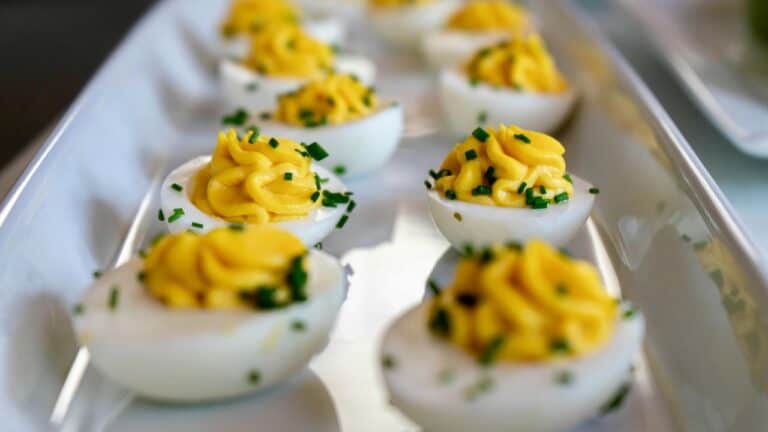
- A single chive baton across a deviled egg: One green stroke against a yellow yolk is the simplest contrast in a home cook’s kitchen.
Why finishing salts beat table salt every time
Serious Eats’ guide to finishing salts notes that the textural difference between flaky sea salt and standard table salt is what separates a polished plate from a homestyle one. The crunch lands on the tongue a half-second before the salt dissolves, the sensory moment that reads as restaurant-grade.
For a complete weeknight upgrade, pair these quick finishes with the prep timing covered in our guide to cook-ahead dinner party menus so the only thing left at serving time is the garnish.
Once the two-minute finishes are dialed in, the next lever is choosing garnishes that do more than decorate, the ones that wake up a heavy dish with a flash of acidity.
|
Share Every Prep Task Clearly |
Garnishes That Add Brightness to Rich and Heavy Dishes
Beyond the citrus zest and pantry finishes covered earlier, the most useful working definition of a brightening garnish is any small addition that cuts through fat, salt, or starch with an acidic or aromatic counterpoint. A braised short rib glistens with collagen and butter; a single squeeze of lemon and a few torn parsley leaves on top stop the palate from feeling weighed down at the third bite.
The classic brightening pattern in one sentence
This answers one of the most common search queries in food: what is an example of using a garnish to add brightness? The example is almost always citrus, vinegar, or a fresh green herb finished onto something dark, fatty, or slow-cooked. According to NYT Cooking’s guide to citrus, the volatile oils in fresh zest carry the brightest aroma in the first thirty seconds after grating, which is why professional kitchens zest at the pass.
Work through these brightening moves in order when a dish reads too rich:
- Gremolata on osso buco or braised lamb shanks: A teaspoon of lemon zest, garlic, and parsley scattered on a dark stew is the classic Milanese answer to long cook times.
- Pickled shallots on rich grain bowls: Quick-pickled rings cut through tahini, yogurt, or roasted squash with one bite of acidity.
- Lime wedges on tacos al pastor and slow-cooked pork: A wedge served on the side lets each guest dial in their own brightness instead of guessing across the table.
- Fresh dill or tarragon on cream sauces: A pinch of soft herb against a beurre blanc or a salmon in cream introduces a green, vegetal lift the sauce cannot make on its own.
Brightness also matters when you are building a longer menu, especially if courses move from richer to richer. Our dinner party menu guide walks through pacing so the garnish on each plate keeps pace with the food underneath it. With brightness handled, the question shifts to garnishes that carry color and texture instead of acidity, the kind that turn a plain bowl into something worth photographing.
Food Garnishing Techniques That Add Color and Texture
Beyond the acidity-driven finishes above, the second lever every home host has is color and texture, two elements that the eye registers before the first fork lands. A bowl of pale soup is technically delicious; the same bowl with a drizzle of green herb oil, a swirl of cream, and a scatter of crispy chickpeas reads as composed.
The three-job rule for any plated garnish
The trick is treating each garnish as one of three jobs: a color anchor, a textural contrast, or a height accent. Most plates only need two of the three. A third can tip a finished dish into clutter.
- Quenelle of crème fraîche or labneh: Two warm spoons passed between your hands shape a smooth oval that crowns soups, blinis, or smoked fish in seconds.
- Crispy fried capers or shallots: Fried in a small pan of neutral oil until golden, drained on paper towel, and stored in a dry jar, they keep a week and rescue any creamy or starchy dish.
- Microplaned hard cheese or cured yolk: A soft snowfall of Parmigiano or grated bottarga over pasta adds color contrast and an umami top note in one motion.
- Toasted breadcrumb pangrattato: Olive oil, panko, lemon zest, and a pinch of chili flakes, toasted until amber, give creamy pasta and roasted vegetables a textural backbone.
Add texture at the last possible moment
According to Bon Appétit’s guide to garnishing, the most repeated rule among working chefs is that texture should always be added at the last possible moment so it stays crisp against whatever soft or saucy element sits below it. For dishes where color matters most, try pairing these techniques with a board-style spread; our guide to grazing table ideas shows how a single textural garnish can pull together cheeses, fruit, and cured meats across one long table.
Once color and texture are working, the question becomes one of holding them in shape between plating and the moment your guests pick up a fork, which is largely a matter of timing and storage.
How to Prep and Hold Garnishes So They Look Fresh at Service
Building on the color-and-texture techniques above, the biggest reason home garnishes look tired is not the ingredient, it is the time and temperature between prep and plate. A chiffonade of basil left on a board for an hour will bruise; the same chiffonade stored properly looks service-fresh three hours later.
Treat garnishes as their own mise en place
Professional kitchens solve this by treating garnishes as their own mise en place, separate from the cooking line and built before the first ticket lands. A home host can copy the same approach with three shallow containers and one damp paper towel.
Run through this food garnishing prep flow the morning of your dinner:
- Sort by water content: Soft herbs and edible flowers go in one container; citrus zest and crispy textures stay dry in a second; sauces and oils sit in a third squeeze bottle, ready at room temperature.
- Wrap soft greens loosely: A damp paper towel over the top and a loose lid keeps basil, mint, and chervil bright. Sealed containers trap condensation and rot leaves in under an hour.
- Hold crispy elements warm: Toasted breadcrumbs and fried shallots go in a 200°F oven on a sheet pan to keep them dry and crackling until plating.
- Plate in a single pass: Bring every container to the counter, plate every serving in sequence, then walk plates to the table. Re-entering the fridge mid-service is where garnishes wilt.
What the lab data says about herb storage
According to Cook’s Illustrated’s testing on fresh herb storage, soft herbs stored loosely with a damp towel keep their color and aroma roughly three times longer than the same herbs sealed in plastic. The difference shows on the cutting board: a stored basil leaf still releases its peppery oil under the knife.
With prep timing locked in, the last decision is matching the right garnish style to the kind of dinner you are hosting, because the finish that suits a Tuesday family meal is not the one that suits a Saturday plated course.
A Garnish Plan by Guest Count
Use the service window as the deciding factor for the garnish on each course. A dinner for two can carry a delicate citrus curl that takes a little concentration. Twelve plates need a finish you can portion before guests sit and repeat without slowing the food on its way to the table.
| Guest count | Budget | Make-ahead window | Equipment | Garnish plan |
|---|---|---|---|---|
| 2 to 4 | Low | Wash and dry herbs 20 minutes ahead. Cut or zest at service. | Knife, board, zester | One fresh finish, such as torn herbs or citrus zest |
| 5 to 8 | Low to moderate | Measure components into small containers 30 minutes ahead. Place them at service. | Zester, peeler, teaspoon | One colour element and one crisp or creamy texture |
| 9 to 12 | Moderate | Pre-portion the garnish before guests sit. Finish plates in batches of four. | Small cups, tongs, squeeze bottle | Chopped herbs, toasted seeds, or a simple sauce dot |
| Family-style service | Low | Prepare one garnish bowl for each serving dish before it reaches the table. | Kitchen scissors, serving spoon | A generous scatter that guests can see from across the table |
A complete garnish plan for six guests
For a three-course dinner with six guests, keep the shopping list short and give each course a different finish:
- Tomato soup: Set aside six teaspoons of plain yogurt and two tablespoons of sliced chives. Spoon one teaspoon into each bowl, then add a small pinch of chives.
- Roast chicken: Combine the zest of one lemon with three tablespoons of chopped parsley. Divide it across the six plates just before they leave the kitchen.
- Chocolate mousse: Chill a 30-gram piece of dark chocolate, then use a vegetable peeler to shave curls directly over the six portions.
Thirty minutes before dinner, wash and dry the herbs, measure the yogurt, and place each garnish in its own container. You need a teaspoon, a chef’s knife, a cutting board, a zester, and a vegetable peeler. When each course is ready, line up all six servings and garnish them in one pass.
Matching Garnishes to the Occasion, From Weeknight Dinners to Plated Courses
Beyond the prep and storage covered above, the garnish that lands hardest is the one that fits the room. A tweezered nasturtium petal on a Wednesday pasta with the kids reads as showing off; the same petal at a six-course tasting feels right.
The choice comes down to three variables: how formal the setting is, how many plates you are finishing in a row, and how much time you have between the last sauté and the first seat.
- Weeknight family dinner: A single quick finish per dish. Flaky salt on the roast, torn herbs over the pasta, a wedge of lemon on the fish. One garnish per plate keeps service fast and the table relaxed.
- Casual Saturday dinner with friends: Two garnishes per plate, one for color and one for texture. A swirl of olive oil on the soup with crispy breadcrumbs, or microgreens with a quenelle of crème fraîche on the appetizer.
- Plated dinner party for six or eight: Three garnishes maximum, placed with tweezers if the plate is small, prepped fully before guests arrive.
- Holiday or milestone meal: Pull out the edible flowers and the chocolate work for desserts. This is the night to use the techniques you have been practicing all year.
Build a garnish tray before guests arrive
The move that lifts a plated dinner above a casual one is staging every garnish on a small tray at the counter before guests sit down. Run this short checklist as the final pre-service sweep:
- Garnish count per plate: Confirm one, two, or three based on the occasion above.
- Tools at the pass: Tweezers, microplane, spoons, and a clean towel within arm’s reach.
- One taste before plating: A single bite to confirm seasoning lands before the garnish goes on top.
If the larger menu is the question, our step-by-step dinner party guide covers how to slot garnish prep into the day-of timeline. Match the garnish to the night, and the plate looks like it was meant to land that way.
Plan your menu, gather your garnishes, and explore more hosting ideas in The Gourmet Host app.
Frequently Asked Questions
What garnishes do professional chefs use most?
Professional chefs rely on fresh herbs like parsley, chive, and microgreens alongside citrus zest and edible flowers. These classic garnishes offer color, aroma, and texture without masking the main dish. The choice depends on the cuisine: French kitchens favor tarragon and chervil, while Mediterranean menus lean toward basil and a drizzle of olive oil.
Can you use grocery store flowers as edible garnish?
Not all grocery store flowers are safe. Bouquets sold in the floral department are often treated with pesticides and preservatives. Look specifically for packages labeled “edible flowers” in the produce or herb section. We recommend sourcing from organic growers or growing your own to guarantee safety.
What is the difference between garnish and decoration?
A garnish is always edible and enhances flavor or aroma, like lemon wedges on fish or fresh herbs on pasta. A decoration is purely visual and may not be edible, such as a glass dome cover or a carved vegetable sculpture. Sticking to edible garnishes keeps every element on the plate purposeful and guest-friendly.
How do you garnish desserts like a pastry chef?
Start with chocolate curls, a light dusting of powdered sugar, or a single edible flower placed off-center on the plate. Pastry chefs keep dessert garnishes minimal so the sweetness stays in focus. A sharp vegetable peeler run along a room-temperature chocolate bar produces professional-looking curls in seconds: no specialty tools required.
What fresh herbs work best as a garnish?
Flat-leaf parsley, basil, cilantro, and chive are the most versatile fresh herb garnishes because they pair with nearly every cuisine. Use tender leaves whole for a rustic look or finely chiffonade them for a more refined finish. At The Gourmet Host, we reach for whatever herb already appears in the recipe so the garnish reinforces the dish’s existing flavor.
How far in advance can you prep garnishes?
Herb and citrus garnishes can be prepped two to three hours ahead, wrapped in a damp paper towel inside a sealed container in the fridge. Chocolate curls hold overnight in a cool, dry place. Edible flowers are the most delicate: cut and refrigerate them no more than one hour before plating.
Continue Reading:
More On Food Presentation Techniques
- Brunch Setup Ideas: Creative Table Setting Decor for Home
- Family-Style Dinner Wedding Guide: Best Meal Ideas
- Food Presentation Techniques: Easy Plating Tips for Cooks
- Grazing Table Ideas: How to Create a Stunning Setup
- How to Plate Food Like A Pro: Easy Plating Tips
More from The Gourmet Host
- Brunch Table Setting Ideas for Every Style
- Cook-Ahead Dinner Party Menu: Make It All in Advance
- Anniversary Dinner Ideas to Cook at Home for Any Milestone
- Winter Theme Party Ideas for Cozy Gatherings
- The Most Unique Dining Experience in Toronto: Home by Elva’s Secret Supper Club
Explore TGH Categories
- Set the Scene
- Drinks and Bar
- Plan the Meal
- Engage with Guests
- Games and Toasts
- Tools and Techniques
- Why We Gather