Cold Smoking vs Hot Smoking: Which Technique Is Right for You?
 11 min read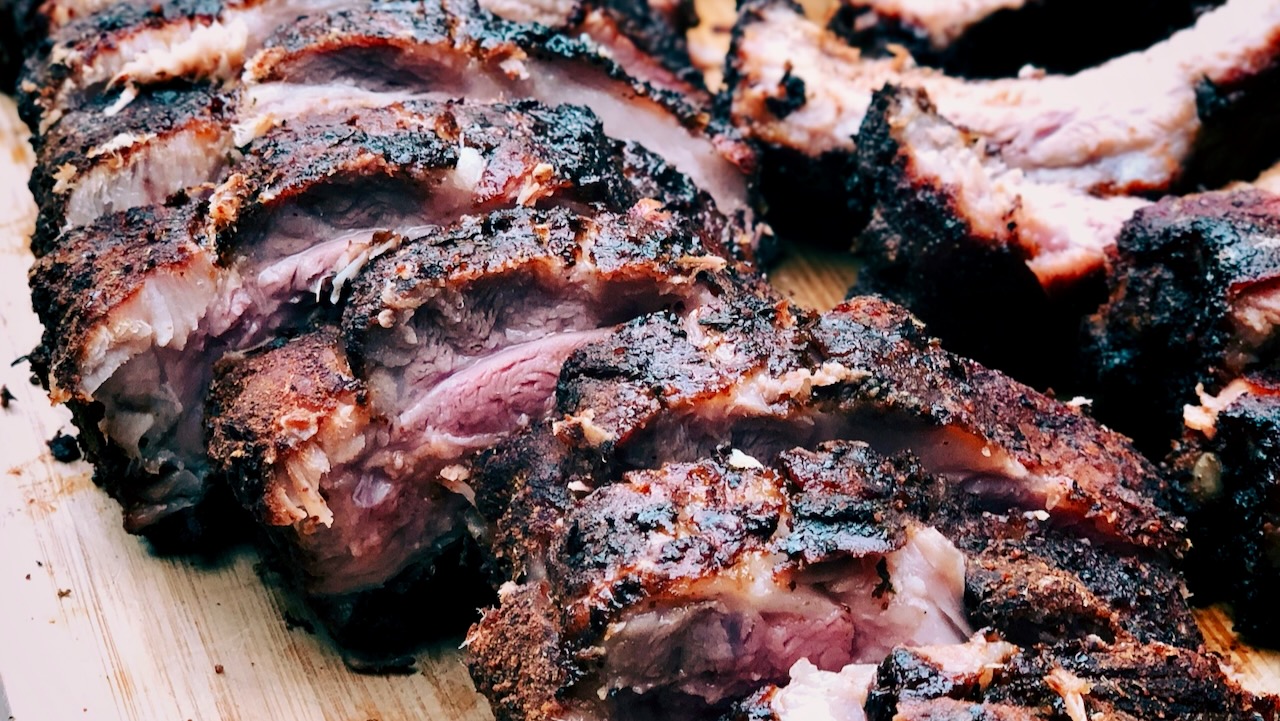
Picture a backyard table lined with glistening hot-smoked salmon, a board of silky cold-smoked salmon alongside crusty bread, and the scent of cherry wood in the air. Your guests lean in: “Did you make all of this yourself?”
Most smoking guides bury you in competition jargon without addressing what matters to a host: which method works for a crowd, how far ahead you can prep, and what looks stunning on a serving board.
We will now close that gap—from technique to timeline to table.
At a Glance
- Hot smoking cooks food at higher temperatures (225–275°F) and infuses a smoky flavor in hours, not days.
- Cold smoking adds smoke flavour without heat, preserving natural texture and requiring a curing process first.
- Hot smoking is the easiest way into smoking for new hosts; cold smoking rewards patience with a silkier finish.
- Both methods let you prep before guests arrive, freeing you to stay present at the table.
- Choosing the right wood chips and temperature range is the biggest factor in the final flavor.
What Is Cold Smoking vs Hot Smoking?
Cold smoking and hot smoking are two popular methods of exposing food to wood smoke, each operating at a different temperature range with a distinctly different result. The main difference is heat: hot smoking cooks and flavors simultaneously, while cold smoking imparts smoke flavour to cured food without raising its temperature above the danger zone.
What Makes Cold Smoking and Hot Smoking Different?
The distinction comes down to temperature and time.
Hot smoking operates at 225–275°F, cooking food while surrounding it with much smoke over several hours. Cold smoking keeps temperatures below 90°F, so food absorbs a smoky flavor without its structure changing.
A detailed comparison from ThermoPro explains that hot smoking is essentially a cooking method: proteins firm up, fats render, and connective tissue breaks down during the smoking process.
For hosting, hot smoking fits a same-day schedule.
Cold smoking demands two to five days including the curing process but delivers an extended shelf life and delicate smoke flavour.
As Smoked BBQ Source’s cold smoking guide notes, food safety is non-negotiable: cold smoked food spends a long time in the danger zone, making proper curing essential.
- Hot smoking: Cooks at higher temperatures. Produces a flaky texture in fish and tender pull-apart pork. Ready to serve immediately.
- Cold smoking: Infuses smoke below 90°F. Preserves natural texture. Requires curing beforehand and often additional cooking.
- Time commitment: Hot smoking fits a same-day hosting schedule. Cold smoking rewards hosts who plan days ahead.
Understanding these fundamentals helps you decide which method suits your gathering’s style—and the next section covers the technique most hosts reach for first.
|
Keep the Smoking Recipes Together |
Hot Smoking Basics Every Host Should Know
Hot smoking is the easiest way to add big flavor to a gathering. Load your smoker with wood chunks or wood chips, set the temperature range to 225–275°F, and let time work.
Dunn’s Famous breaks down the benefits, noting that a gas grill with a smoker box is a low-barrier entry point, while an offset smoker gives more control over airflow and smoke.
A pellet tube is another great tip: fill it with cherry wood pellets, light one end, and slide it onto the grate.
In our experience hosting, the real advantage is that cooking time overlaps with your prep window.
According to The Online Grill’s backyard guide, keeping a consistent temperature matters more than adding a lot of smoke—resist the urge to lift the lid.
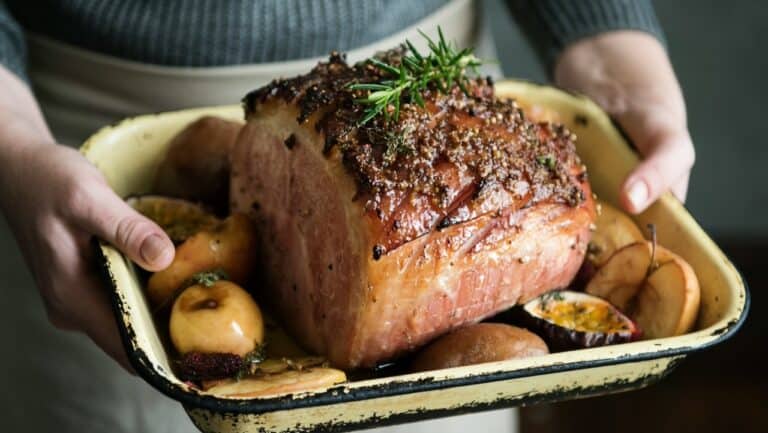
- Pork loin: Low and slow at 250°F for 4–6 hours. The rendered fat bastes the meat from within, producing pull-apart tenderness.
- Hot-smoked salmon: Smoke at 225°F for about 90 minutes until the surface develops a golden pellicle and the interior reaches a flaky texture.
- Chicken wings: Smoke at 275°F for roughly two hours. The skin crisps while the meat stays juicy—ideal for a pass-around appetizer.
With the hot smoking fundamentals covered, let’s explore the slower, more contemplative side of the craft.
Why Cold Smoking Rewards Patient Hosts
Cold smoking is less about cooking and more about transformation. The curing process comes first: coat protein in salt, refrigerate for 12–48 hours, then rinse and dry before exposing it to smoke below 90°F.
The result is intensely concentrated flavor, a silky natural texture, and a shelf life that outlasts anything from a hot smoker.
A comprehensive guide from Meats and Sausages traces the method back centuries. Modern hosts benefit differently: cold-smoked salmon can be prepared three to four days ahead, wrapped tightly, and sliced moments before guests arrive.
Eat Cured Meat’s cold smoking how-to recommends a smoke generator that channels cool smoke into a separate chamber.
Even a basic setup produces excellent results for less heat and cost than an offset smoker.
If you’re planning your first cold-smoked dish, the The Gourmet Host app can help you map out a multi-day prep timeline.
- Food safety first: Always cure before cold smoking. The curing process inhibits bacterial growth during the long time food spends below cooking temperatures.
- Temperature discipline: Keep temperatures below 90°F. Above that, you risk the danger zone without actually cooking the food through.
- Cool weather helps: Ambient temperatures below 60°F maintain less heat inside the chamber, making fall and early spring ideal seasons.
Now that both methods are clear, the question becomes: which foods belong with which technique?
|
Hosting Tip: Match the Method to the Food |
Which Foods Shine with Each Smoking Method
Hot smoking excels with proteins that benefit from rendered fat and a flaky texture: salmon fillets, chicken quarters, ribs, and sausages. Cold smoking is the go-to for foods where you want to preserve the natural texture while layering in smoke flavour—fatty fish, hard cheeses, and cured meats like cold smoked bacon.
Charlie Oven’s beginner cold smoking guide highlights that cold smoked food makes an exceptional grazing board centerpiece: colors stay vivid and textures stay intact. Pair cold-smoked salmon with crème fraîche and capers on a wooden board for a refined appetizer.
For hot-smoked dishes, a whole hot-smoked salmon using Butcher BBQ’s flavoring principles can anchor a table surrounded by grain salads and warm flatbread.
- Best for hot smoking: Salmon, pork shoulder, chicken wings, beef brisket. Heat brings safe internal temperatures and a caramelized exterior.
- Best for cold smoking: Cold-smoked salmon, trout, hard cheeses, butter, salt, and cold smoked bacon. Smoke without structural change.
- Crossover star: Bacon works both ways. Hot smoked bacon is crispy and ready to eat. Cold smoked bacon stays supple with deeper smoke flavour.
With your food list settled, the final step is building a timeline that puts it all together.
Planning a Smoke-Centered Gathering from Start to Finish
A smoke-centered gathering succeeds on timeline, not recipe. Work backward: if guests arrive at 5 PM, your hot-smoked pork loin should come off by 3 PM for a two-hour rest. Serving cold-smoked salmon? The curing process starts three days before.
Aged & Charred’s cold smoking overview recommends a “smoke calendar”—a day-by-day breakdown of when to cure, smoke, rest, and serve.
We’ve found this works brilliantly because it turns an intimidating technique into small tasks spread over several days. With our hosting experience, we can say the most relaxed hosts finish smoking hours before anyone arrives.
- Three to five days before: cure proteins for cold smoking. Purchase wood chips—cherry wood for mild sweetness, hickory for bold punch.
- One day before: cold-smoke cured items in the morning. Prep rubs for hot-smoked dishes. Confirm your serving boards.
- Day of: start the hot smoker early. Use the cooking time to set the scene. Rest meats fully before slicing.
- At the table: arrange cold-smoked items on boards first, then bring hot-smoked dishes out as the centerpiece.
For a complete guide to structuring your gathering, explore TGH’s step-by-step dinner party hosting guide.
And when you’re ready to map your own smoke-centered menu, plan your next gathering with The Gourmet Host app so every detail stays on track.
Frequently Asked Questions
What is the difference between cold smoking and hot smoking?
Hot smoking cooks food at 225 to 275°F, producing a flaky texture and fully cooked result. Cold smoking operates below 90°F, adding smoke flavour without cooking. The main difference is that hot-smoked food is ready to eat immediately, while cold smoked food typically requires curing beforehand and may need additional cooking.
Is cold smoking safe at home?
Cold smoking is safe when you follow proper curing and food safety protocols. Because the food spends a long time in the danger zone (40 to 140°F), thorough curing with salt is essential before smoking. Use a reliable smoke generator, keep ambient temperatures cool, and always start with the freshest possible ingredients.
What foods can you cold smoke?
Salmon is the most iconic cold smoked food, but the technique also works with trout, hard cheeses, butter, salt, garlic, and bacon. Fatty fish absorbs smoke flavour most evenly. For hosting, cold-smoked salmon and cheese make a stunning appetizer board with minimal last-minute effort.
What wood is best for smoking meat?
Cherry wood delivers a mild, slightly sweet smoke that pairs well with poultry and pork. Hickory provides a stronger, more traditional smoky flavor for beef and bacon. Apple wood sits in the middle, versatile and forgiving. The best type depends on your protein and desired smoke profile, so experiment with small batches first.
How do cold smoked and hot smoked salmon differ?
Cold smoked salmon stays raw in texture, silky and sliceable, because it never passes about 30C. Hot smoked salmon cooks through and flakes apart like a baked fillet. Cold smoking needs curing first for safety. Hot smoking is the far easier of the two to attempt at home.
Do I need a dedicated smoker for either method?
Hot smoking works in a covered grill or a kettle with the coals banked to one side. Cold smoking is harder because you must keep smoke and heat apart, which usually means a smoke generator tube or a separate firebox. Start with hot smoking and existing equipment.
Continue Reading:
More On Cooking Techniques
- 4 Advanced Methods & Techniques For Creative Home Cooking
- Different Methods & Techniques For Cooking Like a Chef
- How to Flambé at Home: A Host’s Guide to Safe Flames
- How to Make Homemade Pasta: A Hands-On Hosting Skill
- How to Sous Vide: The Stress-Free Technique Every Host Needs
- The Best Hot Sauce Making Kits for a DIY Dinner Party Activity
- The Complete Cooking Techniques List for Confident Home Hosts
More from The Gourmet Host
- Tapas Ideas: 5 Spanish Small-Plates Host Spread
- Best Appetizers for a Crowd That Scale to Any Guest Count
- Minute to Win It Games for Adults (25 Funny Picks)
- Instead of Cocktail Hour, Try These Wine and Snacks Combos
- Birthday Party Decorations for Adults: Themes That Work
Explore TGH Categories
- Set the Scene
- Drinks and Bar
- Plan the Meal
- Engage with Guests
- Games and Toasts
- Tools and Techniques
- Why We Gather