The Art of After-Dinner Speeches: Tips for Speaking
 13 min read
After-dinner speeches sit in an awkward gap most speakers never prepare for. The meal is done, the table is loose, and someone stands up to talk — but the room isn’t a stage and the audience didn’t buy tickets.
That mismatch is why so many after-dinner speeches fall flat: the speaker defaults to a stale joke, rambles past the two-minute mark, or skips the serious point entirely, treating the moment like dead air instead of the one window where every person at the table is actually paying attention.
This walkthrough covers the golden rules of topic selection, humor, clear structure, and delivery so your next time at the head of the table leaves a lasting impression rather than a round of polite applause.
At a Glance
- After-dinner speeches blend entertainment with meaningful insights to connect with audience members on a human level.
- The golden rule is to anchor every humorous story to a serious point that reinforces the overall theme of the evening.
- Effective topic selection starts with the purpose of the event and the audience’s interests, not your personal highlight reel.
- Body language, facial expressions, and pacing matter as much as the words themselves for a successful after-dinner speech.
- A clear structure—strong opening, focused middle, resonant close—separates the best speakers from the rest.
What Is an After-Dinner Speech?
An after-dinner speech is a type of address delivered at formal gatherings, award ceremonies, or ordinary dinner parties, typically once the meal has concluded and guests are settled into a relaxed atmosphere. It matters because the post-meal window is one of the few moments in a gathering where a single speaker can hold the attention of the entire group of people at once—and that attention fades fast if the speech falls flat. Unlike a keynote speech or a formal presentation, the after-dinner speech blends entertaining speech techniques with insightful commentary, rewarding listeners who came for good food with meaningful takeaway points they carry home.
How Should You Structure an After-Dinner Speech?
The most effective after-dinner speech follows a clear structure that respects the audience’s energy after a meal.
According to My Speech Class, the basic conventions involve framing your overall theme early, building through two or three main points, and landing on a single memorable message. That structure sounds simple, but it is the backbone that prevents rambling—the biggest mistakes speakers make after a formal dinner.
Start with a hook that acknowledges the moment. You might reference the atmosphere of the event—the clinking glasses, the lingering scent of dessert—before pivoting to your serious point.
The middle section should deliver your main points through a mix of personal anecdotes and brief speech segments, each no longer than sixty seconds.
Close with a single takeaway that echoes your opening line, giving the speech a sense of completeness your audience will feel even if they cannot name it.
- Open with context: Acknowledge the gathering and set the tone. A well-placed joke in the first thirty seconds signals that this will be an entertaining speech, not a lecture.
- Deliver two to three core ideas: Each idea pairs a humorous story or personal anecdote with a meaningful insight. This is the heart of the speech and where successful after-dinner speakers earn their reputation.
- Close with a clear call-back: Return to the image or phrase from your opening. The best speakers create a loop that makes the audience laugh—or nod—because they recognize the reference.
Professional speaker Robin Kermode recommends building every after-dinner speech around three elements: energy, clarity, and humanity.
When all three align, the speech feels effortless even if it took hours of preparation. Keep your brief speech under ten minutes—the general rule is that shorter always beats longer when the audience has just finished eating.
One structural choice that many speakers overlook is the role of silence within the speech itself. A ten-second pause after your opening line gives the room permission to settle. Another pause before your closing sentence tells the audience something worth hearing is about to land.
These moments of quiet are not wasted time—they are part of the clear structure that separates a polished type of address from an improvised ramble.
A transition sentence ties structure to the deeper question of what to actually talk about—and that choice matters more than most speakers realize.
|
Your Next Speech Starts Before You Stand Up |
What Topics Work Best for After-Dinner Speeches?
Topic selection is where good after-dinner speeches separate from forgettable ones. The purpose of the event dictates your lane: a retirement dinner calls for warm personal anecdotes, while award ceremonies demand a balance of recognition and humor.
In our experience, the speeches that land best are the ones tied directly to a shared experience the group of people in the room can recognize—a collective memory, a running joke, or a challenge everyone at the table has faced.
Best Speech Topics offers a helpful breakdown of dinner speech topics organized by formality level.
For a formal dinner or a special occasion, lean toward topics that offer an original point of view on a subject the audience already cares about.
For home environments and casual gatherings, personal stories with self-deprecating humor outperform anything scripted.
- Celebration topics: Milestones, promotions, anniversaries—any event with a guest of honor. Keep the spotlight on them, not on your own clever phrasing.
- Reflection topics: Year-in-review summaries, lessons learned, personal tragedy turned into resilience. These demand a serious point delivered in an amusing way.
- Inspiration topics: Motivational speech territory—future goals, dramatic changes in direction, new chapters. Works well at graduation dinners or farewell gatherings.
- Humor-first topics: Roast-style observations, stand-up comedy routines adapted for the dinner table, or absurd hypothetical scenarios. The risk is high, but the reward is a room full of audience members who remember the evening for years.
Whatever your topic, run it through one filter: does this serve the audience’s interests, or just mine?
LifeHack’s speech tips emphasize that the most successful delivery of humor comes when the speaker genuinely wants the room to enjoy itself, not when the speaker is performing for applause.
The best dinner speech ideas often emerge from conversations you have with the host or the guest of honor before the event. Ask what the evening means to them and what tone they hope to set.
That single question gives you more material than an hour of brainstorming alone. It also ensures your speech serves the room rather than competing with it.
With a topic locked in, the next question is how to weave humor through it without crossing the line.
|
🍽️ Plan Your Speech-Worthy Gathering in Minutes |
Adding Humor to an After-Dinner Speech Without Losing the Room
Humor is the currency of after-dinner speeches—but it inflates quickly if you spend it carelessly. The golden rule, according to Pen and the Pad’s writing guide, is that every joke should serve the message, not interrupt it.
A well-placed joke lands because it illuminates the serious point you are making. A disconnected punchline just makes the room wonder where you are headed.
Various forms of verbal humor work in different settings.
Physical humor and exaggerated facial expressions play well in intimate home environments where guests can see every micro-expression.
Dry, understated wit suits a formal dinner where the relaxed atmosphere depends on subtlety. Political humor and religious humor are high-risk at any type of speeches—avoid them unless you know every person at the table and their tolerances.
The ASC’s speech conventions guide warns that the successful delivery of humor depends more on timing than on material.
We’ve found that speakers who rehearse their timing out loud—not just silently—catch awkward pauses before they happen.
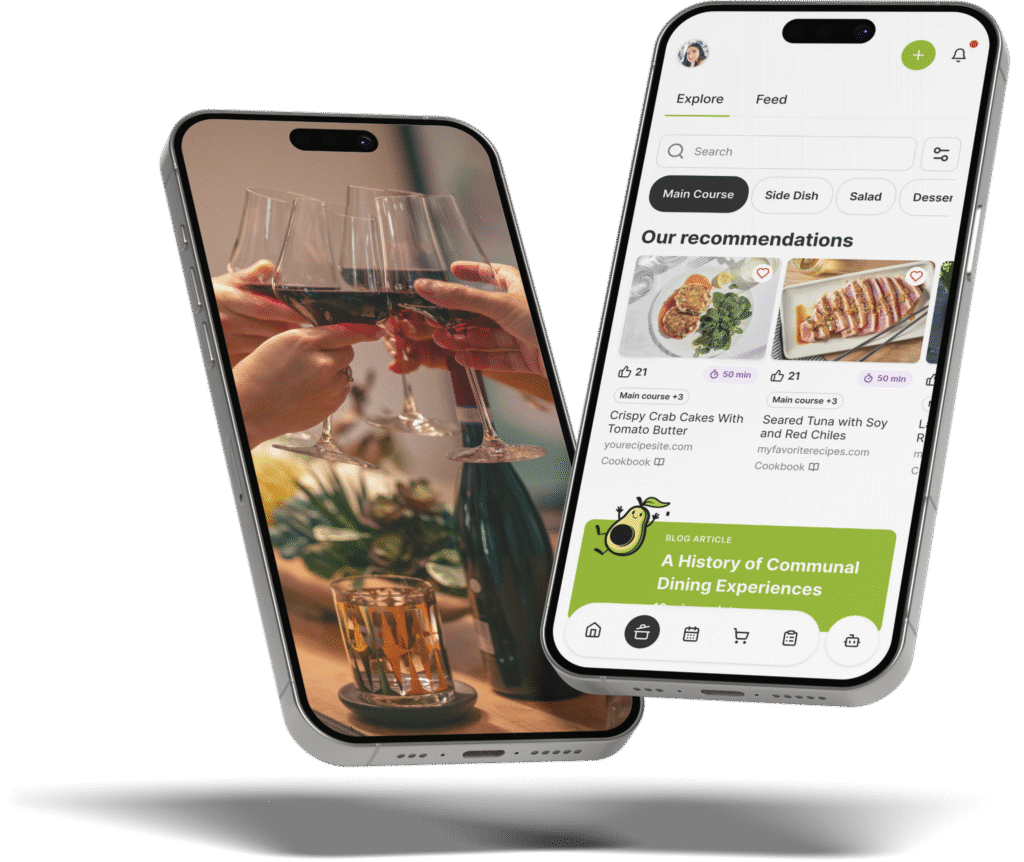
If you’re planning a dinner party with a speech component, tools like The Gourmet Host app can help you map the evening’s timeline so you know exactly when the speech window opens and how long you have before dessert plates need clearing.
- Self-deprecation: The safest and most reliable humor device. It signals confidence and makes the audience laugh with you, not at anyone else.
- Callback humor: Reference something that happened earlier in the evening—a toast, a spilled glass, a comment from another guest. Callbacks feel spontaneous and reward attentive listeners.
- Observational detail: Point out something everyone noticed but nobody said. The humor comes from shared recognition, and it works at every type of presentation from a graduating class dinner to an ordinary dinner party.
The next time you draft a bit of humor for a speech, read it aloud to one person first. If they smile but don’t laugh, cut it. If they laugh before you finish the sentence, keep it.
Even in front of a serious public audience—a charity gala, a board dinner, a retirement celebration—humor has a place if you calibrate it to the room.
Etiquette Scholar’s guide to toasting and humor suggests opening with a warm observation rather than a punchline when the setting is formal. The laughter will come once the audience trusts your intent.
Humor sets the tone, but delivery is what holds the room—and that is a skill you can practice.
Why Does Delivery Matter More Than Your Script?
A perfectly written after-dinner speech delivered in a monotone will lose the room faster than a mediocre script performed with energy and body language.
Toastmasters International teaches that public speaking effectiveness splits roughly 55% body language, 38% vocal tone, and 7% words. Those numbers shift slightly for after-dinner speeches because the audience is seated and your body is often partially hidden behind a table—which means facial expressions and vocal variety carry even more weight.
A prominent speaker knows that eye contact with specific audience members creates intimacy in a room full of people. Scan the table in sections rather than staring at one friendly face. Pause before your punchline—the silence builds anticipation and signals that something important is coming. Vary your pace: slow down for your serious point, speed up when building energy through a humorous story.
- Use the pause: A two-second silence before a key line is the most underused tool in public speaking. It signals confidence and gives the audience laugh a clean runway.
- Control your volume: Drop your voice for intimate revelations. Raise it for the celebratory finish. The contrast keeps the room engaged at a human level.
- Stand still at key moments: Nervous swaying or pacing dilutes your authority. Plant your feet during your main points, and the room will lean in.
Examples.com’s after-dinner speech guide includes annotated examples showing how professional athletes, award winners, and other prominent speakers use gestures to reinforce their verbal message. Study them before your next formal dinner engagement.
One detail that separates a good after-dinner speech from a memorable message is how the speaker handles the room’s energy shifts.
After a heavy main course, the audience dips. After dessert and coffee, they perk up. Time your strongest material for the moments when energy is rising, and place your quieter, more reflective passages during the natural lull. That sensitivity to rhythm is what makes a professional speaker feel effortless, even though it requires careful planning.
If you host frequently, consider linking your dinner party hosting etiquette approach to your speech delivery. The same skills that help you read a table during a meal—noticing who is quiet, who is engaged, who needs to be drawn in—translate directly to reading an audience during a speech.
Hosting and speaking are two sides of the same coin, and the best after-dinner speakers treat the room the way a thoughtful host treats the table: with attention, warmth, and a clear sense of when to move the evening forward.
Delivery transforms a good after-dinner speech into a great way to honor the room—and the difference between the two often comes down to how you prepare.
|
Rehearse Standing Up, Not Sitting at Your Desk |
The Biggest Mistakes in After-Dinner Speaking
The biggest mistakes in after-dinner speaking are preventable, yet speakers repeat them at every type of speeches from corporate award ceremonies to intimate home dinner parties.
Gordon Poole Agency’s guide to successful after-dinner speech elements identifies over-length and under-preparation as the two most common failures. A speech that drags past fifteen minutes loses even the most engaged audience members—the general rule is to aim for seven to ten minutes and then cut from there.
Another recurring pitfall is treating the speech as a motivational speech or a persuasive speeches exercise rather than part of events centered on connection.
The primary address at a dinner is not a TED talk. Your audience came for good food and company, not to be converted to a cause or dazzled by data. The purpose of the event should guide your content, not your ego.
Preparation also means knowing your audience before you write a single word. A step-by-step hosting guidecan help you think through who will be at the table, what they have in common, and where the evening’s natural emotional peaks will fall.
The speakers who tailor their material to the specific group of people in front of them—rather than recycling a speech from a previous event—are the ones who leave a lasting impression every time.
- Opening with an apology: Saying “I’m not really a public speaker” immediately lowers expectations and makes the audience nervous on your behalf. Start with confidence, even if you feel none.
- Reading from a script: Notes are fine. Reading word-for-word kills the connection. Successful after-dinner speakers use bullet points, not paragraphs.
- Ignoring the clock: Every minute past the ten-minute mark costs you goodwill. End before they want you to—it is a great way to guarantee they ask you to speak again.
- Making it about you: Even a personal tragedy narrative should circle back to a universal truth the audience recognizes. The speech belongs to the room, not the speaker.
All Speeches Great and Small reinforces that preparation is the difference between a forgettable ramble and an effective after-dinner speech.
Build your prep into the dinner planning itself: draft a loose outline while you plan the menu for the evening, rehearse it while the main course is in the oven, and refine your timing using The Gourmet Host app’s event planner to see exactly where the speech fits in your evening’s flow.
If you prepare with the same care you give your dinner party menu, you will walk to the head of the table with dinner speech ideas that are sharp, timed, and ready to land. The room will remember not just what you said, but how you made them feel—and that is the real measure of a good after-dinner speech.
Frequently Asked Questions
An after-dinner speech is an entertaining speech delivered after a meal at formal gatherings, award ceremonies, or dinner parties. Its primary goal is to blend humor with insightful commentary while keeping the audience engaged during a relaxed atmosphere. Unlike persuasive speeches or motivational speech formats, it prioritizes connection and warmth over argument.
Most effective after-dinner speeches run between seven and ten minutes. The general rule is to keep it shorter than you think necessary—audience members who have just eaten lose focus quickly. A brief speech that ends on a high note always outperforms a long one that trails off into repetition.
The golden rule is to anchor every humorous story to a serious point. Additional rules include knowing your audience, keeping a clear structure, and timing your delivery so that humor lands naturally. Successful after-dinner speakers also match the overall theme of the evening rather than performing a disconnected routine.
Start by acknowledging the gathering and the atmosphere of the event. A well-placed joke or a brief personal anecdote about the evening sets the tone. Avoid opening with an apology, a statistic, or a question—these formats feel more like a formal presentation than a post-meal moment of connection.
Topics tied to the purpose of the event and the shared experiences of the group of people at the table perform best. Celebration milestones, lessons learned through personal anecdotes, and lighthearted observations about the gathering itself are safe choices. Topic selection should prioritize relevance to the audience’s interests over the speaker’s personal agenda.
Self-deprecating humor is the safest route because it puts the speaker, not the audience, in the punchline. Avoid political humor, religious humor, and jokes targeting specific individuals unless you know every person well. The best speakers test material on one trusted person beforehand to gauge whether a bit of humor will land or misfire.
Continue Reading:
More On After-Dinner Speeches
- Anniversary Speeches and Toasts for Every Milestone
- Anniversary Toasts to Use for Every Milestone
- Best Farewell Speech Ideas for a Memorable Goodbye Party
- Best Quotes for Toasts That Make Every Glass Worth Raising
- Funny Jokes for Toasts That Get Every Guest Laughing
- How to Analyze Speeches and Become a Better Dinner Speaker
- Short 3 Minute Speeches That Inspire Dinner Guests
More from The Gourmet Host
- How to Host a Dinner Party: Step-by-Step Guide
- Dinner Party Hosting Etiquette: The Only Guide You Actually Need
- The Dinner Party Menu: How to Plan a Meal Guests Remember
Explore TGH Categories