How to Set Up a Coffee Bar Your Guests Will Love
 14 min read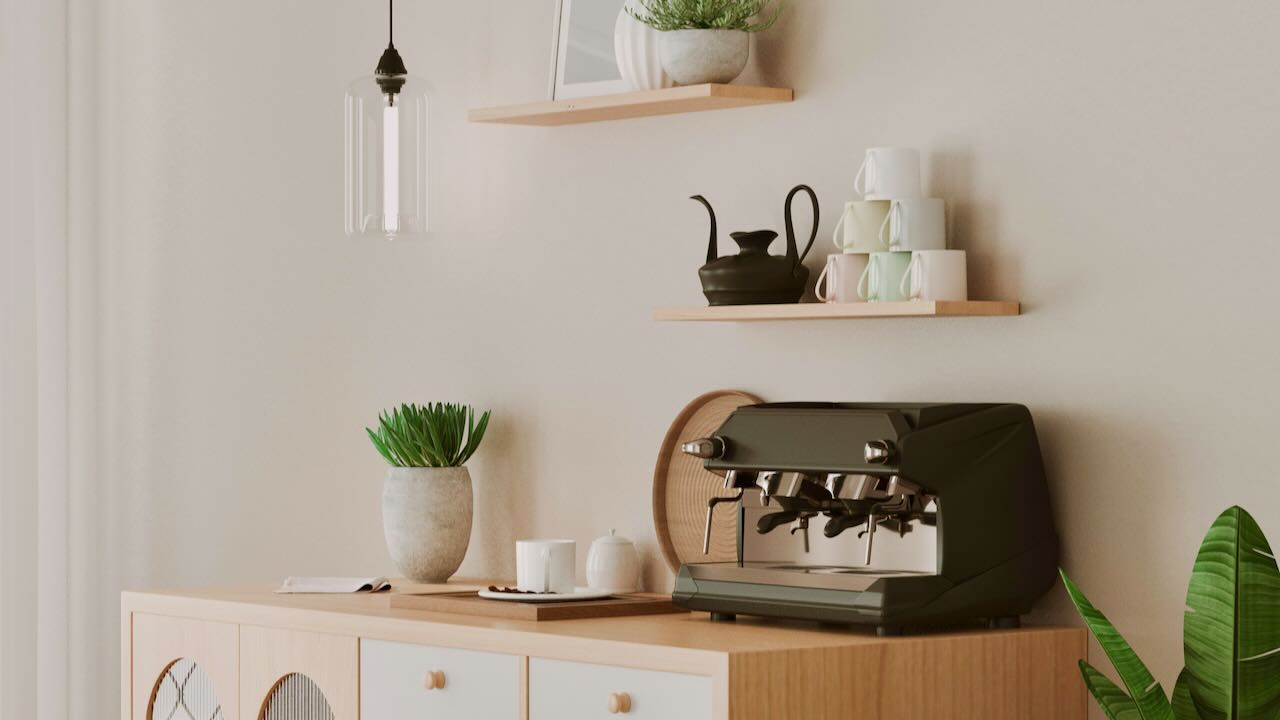
A well-placed coffee bar setup changes how your kitchen works at 7 a.m. and how your living room feels at 8 p.m. That same corner that holds your French press and favorite mugs on a Tuesday morning becomes a self-serve station where guests pour their own after-dinner espresso on Saturday night — and you never leave the conversation to play barista.
Don’t just stop at aesthetics, which countertop looks best on camera, or which mug rack gets the most saves. A coffee bar designed only for photos falls apart the moment three guests stand in front of it at once. We approach your coffee bar setup as a hosting station first, organized by the space you actually have, stocked with equipment that earns its counter space, and styled so guests know exactly where to start without asking.
At a Glance
- A coffee bar setup works best when placed near a water source and away from your primary cooking zone, reducing traffic collisions during meals.
- The essential equipment list is shorter than you think: one quality brewer, a burr grinder, a milk frother, and an electric kettle cover most guests and preferences.
- Small kitchen owners can build a fully functional coffee station using a rolling bar cart, a single shelf, or a repurposed cabinet — no renovation required.
- Styling for guests means labeling options clearly, keeping cups at the front, and stocking at least one tea and one decaf option alongside your coffee beans.
- Transitioning from personal morning routine to guest-ready station takes under five minutes when your layout is designed with both uses in mind.
What Is a Coffee Bar Setup?
A coffee bar setup is a dedicated space in your home where everything needed to brew, customize, and serve coffee lives together — from the machine and grinder to the mugs, sweeteners, and milk options. Unlike a coffee maker sitting on a cluttered countertop, a true coffee bar setup organizes the full brewing workflow into a self-contained station that guests can approach and use without instruction. For hosts, the distinction matters because a well-planned coffee station doubles as a serving area during gatherings, keeping after-dinner drinks flowing without pulling you back into the kitchen.
What Makes a Coffee Bar Setup Work for Hosting
The difference between a coffee corner and a genuine hosting station comes down to three things: placement, flow, and independence. A coffee bar setup that works for hosting lets guests serve themselves without opening your cabinets, blocking your stove, or asking where you keep the sugar.
Start with placement. Your coffee bar area should sit within reach of a water source but away from your main kitchen area and primary cooking surfaces. A KitchenAid guide to building a home coffee bar recommends positioning the station where it won’t compete with meal prep traffic — a principle that matters even more when guests are moving through the space.
If your kitchen opens into a dining room or living room, placing the coffee bar at the transition point turns it into a natural gathering spot rather than a bottleneck.
Flow matters just as much as placement. Arrange your setup in the order someone actually uses it: cups first, then the brewer, then add-ins like milk, sweeteners, and spoons. This left-to-right (or right-to-left, depending on your layout) sequence means guests pick up a mug, fill it, and customize without doubling back.
Methodical Coffee’s design gallery showcases home coffee bar ideas that illustrate this linear workflow across countertops, carts, and shelving units.
Independence is the goal. Stock your station with everything a guest needs so they never have to ask. For coffee lovers who also enjoy exploring origins and roasting traditions, TGH’s guide to coffee culture worldwide can help you choose a roast that sparks conversation as naturally as it fills a cup.
- Mugs at the front: Place your favorite mugs where guests see them first — not tucked behind the grinder. Themed mugs or a mug rack add warmth and signal that this station is meant to be used.
- Labels on unfamiliar items: A small card reading “oat milk” or “decaf” saves a guest from sniffing containers. Tea bags get their own small basket with visible labels.
- Spoons and napkins within reach: A simple jar of spoons and a short stack of napkins next to the sweeteners completes the station.
The real test of your coffee bar setup is whether a first-time guest can walk up and make their own cup of joe without hesitating — and that test starts with where you put the station and how you arrange what’s on it.
|
☕ Plan Your Coffee Bar Layout Before You Start |
Choosing the Right Spot and Layout for Every Kitchen Size
Your kitchen footprint determines how your own coffee bar takes shape, but even the smallest apartment kitchens have room for a fully functional coffee setup. The real difference between a cramped station and one that works is matching your layout to your actual square footage instead of copying a design meant for a different kind of living space.
Full counter run (6+ feet of open counter space). This is the most forgiving setup. Spread your brewer, grinder, and supplies across a dedicated section of counter, with open shelving above for mugs and a decorative tray below to define the station’s footprint.
Suzette Gebhardt’s guide to creating a coffee bar walks through a counter-based layout that separates the brewing zone from the display zone — a smart move for hosts who want guests to browse options without crowding the machine. If your kitchen has a spot with natural light near a window, place the coffee bar there — a bright station feels more inviting than one tucked in a dim corner.
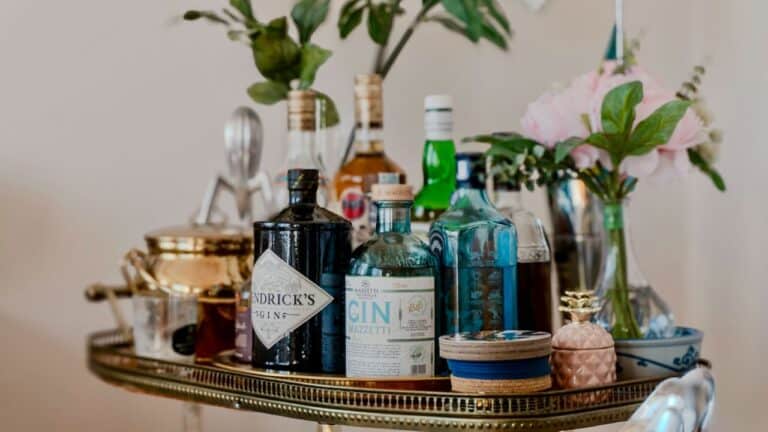
Galley or small kitchen (limited counter space). A rolling bar cart solves the space problem entirely. Load it with your espresso machine or French press, a small container of coffee beans, sweeteners, and a few cups. Wheel it into the living room or dining room during gatherings, then tuck it back into a coffee nook for your daily routine. A small table near the seating area works just as well if you prefer something stationary.
Coffee Lovers 101’s layout guide details how to plan coffee bar workflow in tight spaces, including vertical storage strategies that keep everything accessible without spreading out.
Cabinet or closet conversion. If counter space and floor space are both limited, a hidden coffee station inside a small cabinet with a pocket door or a repurposed closet works surprisingly well. Install a single shelf, mount a mug rack on the inside of the door, and place a compact brewer on the shelf with pull-out drawers underneath for ample storage of supplies.
Lily Ann Cabinets’ cabinet selection guide covers how to choose cabinets that accommodate coffee equipment without a full kitchen remodel. Repurposing unused spaces like a hallway niche or a dining room hutch can also yield a perfectly functional station.
Whichever layout you choose, run this quick test before committing:
- Can you fill a kettle without leaving the station? If not, keep a filled pitcher or filtered water carafe on the bar.
- Is there a clear path from the coffee bar area to seating? Guests carrying hot drinks need a straight, unobstructed route.
- Does the layout survive a group of three? If two people can’t stand side by side at the station, consider a longer surface or a two-zone split (brewing on the counter, add-ins on a nearby surface).
The space you have is the space you work with — and in our experience hosting, some of the best coffee setups we’ve seen took up less than four square feet of counter space. Browse TGH’s Set the Scenecollection for more ideas on designing hosting spaces that feel intentional no matter the square footage.
|
Keep Your Grinder Off the Guest-Facing Side of the Bar |
Essential Equipment and Supplies Your Coffee Bar Needs
A coffee bar stocked with eight carefully chosen items serves guests better than one cluttered with fifteen gadgets. The goal is covering every preference a guest might walk in with — drip, espresso, pour-over, tea, decaf — without burying your counter in machines nobody uses.
Start with your anchor brewer. An espresso machine gives you the widest range: espressos, lattes, and americanos all come from the same device. If espresso feels like overkill for your daily routine and your guest list, a reliable drip coffee machine paired with a French press covers most preferences at a fraction of the cost and counter space.
Pro Coffee Gear’s home coffee bar roundup breaks down which actual coffee makers fit different hosting styles, from single-serve coffee pods to semi-automatic espresso makers.
Around that anchor, build a small ecosystem of supporting tools — these are the key appliances and accessories that round out your station:
- Coffee grinder (ideally a burr grinder): Freshly ground coffee beans produce a noticeably richer aroma and flavor than pre-ground. A hand grinder takes up almost no space; an electric model handles volume for gatherings.
- Milk frother: A handheld frother or a small countertop model lets guests make lattes and cappuccinos. Keep it next to a pitcher of whole milk and one alternative — oat milk is the safest crowd-pleaser.
- Electric kettle with temperature control: Heats water for pour-overs, french press, and tea bags without tying up a stovetop burner. Different brewing methods call for different temperatures (195–205°F for coffee, 200–212°F for black tea), and a variable kettle handles that without guesswork.
- Airtight container for beans: Coffee beans lose flavor within days of exposure to air. A sealed ceramic or stainless container, clearly labeled with the roast name, keeps beans fresh and tells guests exactly what they’re drinking.
Then stock the add-in zone. Lily Ann Cabinets’ setup guide recommends grouping sweeteners, flavored syrups, cinnamon, and cocoa powder together on a decorative tray — a system that works because it creates a visual boundary guests read instantly as “customize here.”
Include at least two sweetener options (sugar and honey or a sugar alternative), one or two flavored syrups, and a shaker of cinnamon or cocoa for topping. If you expect tea drinkers, our guide to selecting and brewing tea covers varieties and steeping times that make a tea offering feel just as considered as the coffee.
Finally, don’t forget what’s easy to overlook:
- A thermal carafe for pre-brewed drip coffee: Brew a full pot before guests arrive so nobody waits for a fresh cycle.
- A small tray or dish for used spoons and stir sticks: Prevents the counter from looking cluttered ten minutes into the evening.
- Napkins and a small trash bin: A tiny countertop bin for sugar packets and used tea bags keeps the station clean without anyone hunting for your kitchen trash can.
The coffee essentials list stays short on purpose. Every item earns its spot by serving at least two purposes — your morning routine and a guest’s after-dinner cup.
Styling a Coffee Bar That Guests Actually Want to Use
A coffee bar that looks beautiful but confuses guests is just furniture. Styling for hosting means every decorative choice also does a job — guiding people to the right spot, signaling what’s available, and keeping the station organized as cups pile up.
Anchor your coffee bar area with a cohesive look that reflects your personal style and signals intention. A decorative tray underneath the brewer and supplies frames the station and separates it visually from the rest of the counter. Choose one material palette — brass hardware with white ceramic, wood with matte black, or a coastal-inspired coffee bar with light blues and natural textures — and carry it through every element from the mug rack to the sugar jar.
Drew & Jonathan’s coffee bar styling guide illustrates how a consistent palette turns a collection of kitchen items into a destination that invites guests to linger.
Open shelving above the bar does double duty. Shelves hold your favorite mugs and a small plant or vase of fresh flowers for visual warmth, while also putting cups at eye level where guests instinctively reach for them. For hosts with small spaces, wall-mounted shelves replace the need for a full mug rack or cabinet — freeing counter space while adding decorative touches that feel intentional rather than crammed. An open-concept coffee bar that flows into the adjacent room works especially well for gatherings where guests move freely between spaces.
Guest-facing details make the difference between a station people use and one they admire from across the room:
- Clear labels on every container: A chalkboard label, a printed card, or even painter’s tape with a marker tells guests which container holds decaf beans, which syrup is vanilla, and which milk is dairy-free. We believe labeling is the single most impactful hosting detail.
- Cups grouped by size: Place espresso cups in one cluster and standard mugs in another. Guests self-select without asking.
- One signature detail: A small chalkboard sign with today’s featured roast, themed mugs that match the season, or a short menu card listing available drinks. This one detail signals that the station isn’t just functional — it’s part of the gathering.
- A fresh coat of paint or contact paper behind the station: If your coffee bar sits against a wall, a contrasting backdrop (white oak floating shelf against a dark wall, or subway tiles behind a counter station) defines the space and draws the eye.
Styling isn’t separate from function — it’s what makes the function obvious. When a guest walks up and immediately knows where to grab a cup, which button to press, and where the oat milk sits, your styling has done its job.
|
📨 Coffee Bars, Brunch Spreads, and Gathering Ideas — Every Week |
From Daily Ritual to Guest-Ready Station in Five Minutes
Your coffee bar setup should serve your morning routine and your hosting life without requiring a full reset between the two. A well-organized station needs only a few adjustments to shift from personal daily routine to a guest-facing coffee experience.
The transition isn’t about adding more equipment. It’s about surfacing what you already have and filling a few gaps. JoyJolt’s guide to the guest-ready coffee bar calls this the “hosting layer” — the extras like flavored syrups, dessert spoons, and a printed menu that sit on top of your everyday use setup.
Five minutes before guests arrive, run through this checklist:
- Refill and display: Top off your coffee beans in their labeled airtight container. Set out a fresh carafe of filtered water if your station doesn’t sit near a tap. Pull your favorite mugs to the front of the shelf or rack.
- Add guest options: Set out tea bags (at least two varieties — one herbal, one black), a decaf option, and an alternative milk alongside your regular setup. A small basket or tray keeps these extras organized without cluttering the main station.
- Prep a batch: Brew a full thermal carafe of drip coffee so guests have an instant option while anyone who wants espresso or pour-over can use the main brewer at their own pace.
- Clean the zone: Wipe the counter, empty any drip trays, and set out a fresh stack of napkins and a used-spoon dish. A tidy station invites use; a cluttered one makes guests hesitate.
- Add a menu card: A small card listing available drinks — “drip coffee, espresso, chai tea, hot chocolate” — removes uncertainty and makes the personalized coffee station feel intentional.
Your morning routine builds the muscle memory. You already know where the coffee grinder lives, how long your espresso machine takes to heat, and which coffee pods you keep for quick cups. Hosting just means making those habits visible and adding a few options for the people who don’t take their coffee the same way you do.
If your gatherings regularly include after-dinner coffee, consider expanding your knowledge alongside your equipment. For hosts who want to pair coffee with dessert courses, our coffee and tea dinner party guidewalks through brewing methods and course pairings that match the formality of your gathering. A coffee bar plays the same role as a wine bar — a self-serve station that gives guests control over their own perfect cup.
Coffee bars aren’t only for evening gatherings. A brunch with a self-serve station alongside pastries and fruit bowls gives guests the freedom to ease into the morning at their own speed — pair yours with a brunch hosting plan that keeps you present and make-ahead brunch recipes that free up your hands for the coffee bar itself.
Good coffee bar setup is about making room for your guests in a space you already love using. Browse TGH’s Plan the Meal resources to build the rest of the menu around your station.
The five-minute shift from personal station to hosting setup is the whole point of building your coffee bar with both lives in mind. Your daily routine keeps it ready. Your guests just get to enjoy it.
Frequently Asked Questions
Choose a spot near a water source and away from cooking traffic, then arrange a brewer, grinder, mugs, and add-ins in the order guests will use them. A rolling bar cart works if counter space is limited. Stock at least one decaf and one tea option for guests with different preferences.
A quality brewer (drip machine, espresso machine, or French press), a burr grinder, an electric kettle, a milk frother, an airtight container for beans, mugs, sweeteners, and at least one alternative milk. Add tea bags and a thermal carafe for batch-brewed drip coffee when hosting.
A functional coffee bar setup fits in as little as three to four square feet — enough room for a compact brewer, grinder, and a small tray of add-ins. If counter space is tight, a rolling cart, wall-mounted shelf, or repurposed cabinet creates a full station without a permanent footprint.
An espresso machine offers the most versatility for guests who want lattes, americanos, or straight shots. A drip coffee machine paired with a French press covers most preferences at lower cost. Match the brewer to your daily routine so it earns its counter space between gatherings.
Stack vertically with wall-mounted shelving or a mug rack, use pull-out drawers for supplies, and contain everything on a single tray or cart. Group items by use — brewing tools together, add-ins together, cups at the front. Label containers so guests can find what they need without opening everything.
Start with what you already own — a French press, a hand grinder, and mugs from your cabinet cost nothing to relocate. Add a secondhand bar cart or small table from thrift stores, a basic electric kettle, and mason jars for storage. The setup improves with one upgrade at a time rather than a single large purchase.
Continue Reading:
More On Home Bar Entertaining
- Stock the Bar Party: A Host’s Complete Guide to Planning, Gifts, and Games
- Bar Signs for Home Bar: How to Choose Custom Pub Decor That Sets the Mood
- How to Set Up a DIY Mimosa Bar for Brunch and Showers
More from The Gourmet Host
- Explore Coffee Culture Around the World
- Master Coffee and Tea for Your Next Dinner Party
- Beginner’s Guide to Tea and Its Enduring Appeal
- How to Host a Brunch Your Guests Talk About
- Easy Brunch Recipes for Every Home Cook
Explore TGH Categories