7 Butter Substitutes That Work in Baking and Cooking
 15 min read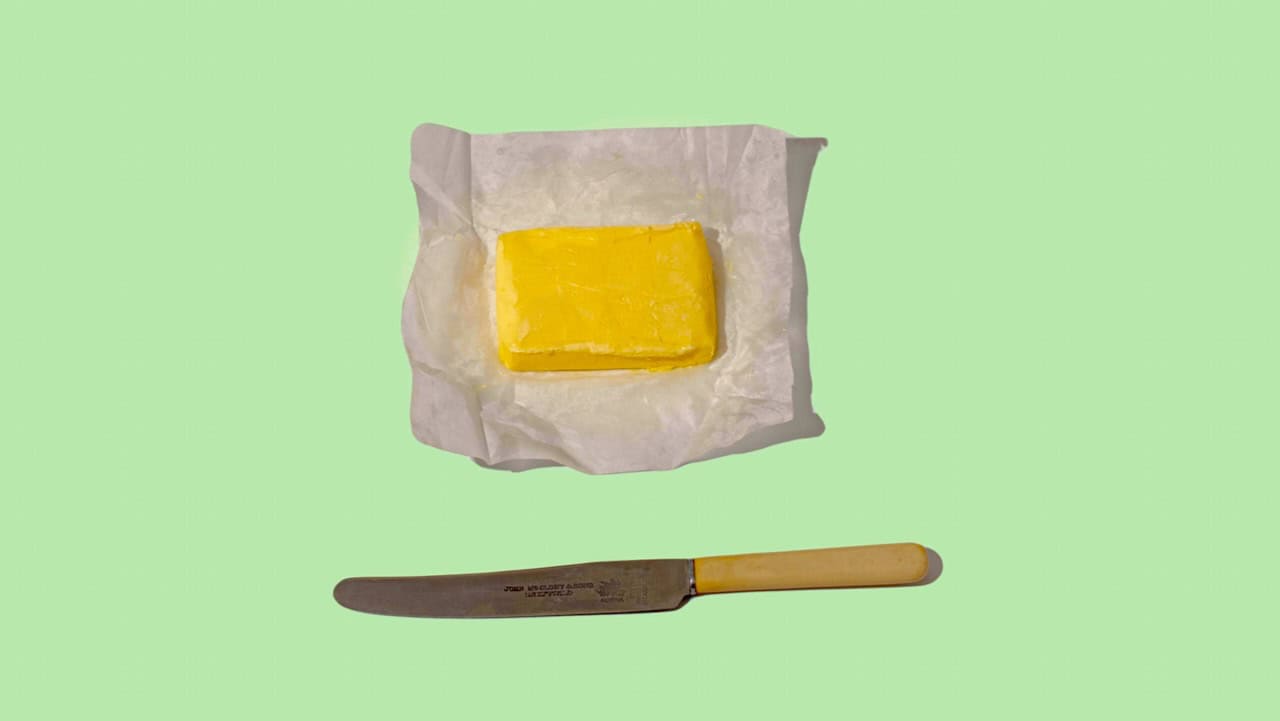
One foil-wrapped block in the butter dish weighs 113 grams: 80 percent fat, 17 percent water, and three percent milk solids. That precise ratio is doing four separate jobs in your recipe at the same time, which is why a missing stick feels like more than a missing ingredient.
Once you see those four jobs, fat, flavor, tenderness, and lift, the question changes. The choice is not butter or no butter. It is which of the four jobs the recipe leans on most, because the right butter substitute covers that one job cleanly while the lesser jobs take care of themselves.
Ahead: seven named swaps, the dishes each one was built for, and a quick-recovery table for the moment the dish is empty, the oven is on, and guests are close.
At a Glance
What you’ll learn:
- Butter does four jobs: it adds fat, carries flavor, creates tenderness, and helps with lift. Match the swap to the job the recipe needs most.
- Oil is the most reliable all-purpose substitute for butter in cakes and quick breads; use the same weight and expect a moister crumb.
- Solid fats like coconut oil and shortening hold their shape, which is what cookies and pie crust need for spread and flake.
- Dairy-free butter sticks behave most like real butter and are the safest swap for a dinner-party bake where texture matters.
- For pan-frying, choose a fat by smoke point: oil for high heat, a butter-oil blend when you still want browning.
What Is a Butter Substitute?
A butter substitute is any fat or fat-and-liquid blend used in place of butter to perform the same job in a recipe, whether that job is richness, flavor, tender crumb, or rise. The right substitute for butter depends entirely on the dish: a cake forgives a liquid oil, while a flaky pie crust needs a solid fat that stays firm until the oven hits it. Choosing well means asking what butter was contributing here, then reaching for the swap that covers that specific contribution rather than the one that looks closest in the fridge.
The main butter substitutes at a glance, with the ratio and where each one works best:
| Swap | Ratio | Best for |
|---|---|---|
| Neutral oil | Same weight | Cakes, muffins (moister crumb) |
| Olive oil | Same weight | Cakes, brownies (fruity) |
| Coconut oil | Same weight, solid | Cookies, crusts (firm fat) |
| Dairy-free butter stick | One-to-one | Closest all-round swap, browning |
| Shortening | One-to-one | Tall cookies, flakiest crust |
What Butter Does in a Recipe
Reach past the empty butter dish and the first useful move is naming what butter was there to do. It is rarely one thing. In a single cookie, butter is the fat that tenderizes, the flavor that browns, and part of the lift as its water turns to steam. Pick a substitute for butter that matches the dominant job and the bake holds, whether you are baking with butter substitute fats by choice or out of necessity.
- Fat: coats flour proteins so the crumb stays soft. Any cooking fat can cover this, which is why oil works in so many cakes.
- Flavor: comes from butter’s milk solids browning in the heat. This is the hardest job to replace, and where a good dairy-free stick or browned alternative earns its keep.
- Tenderness: depends on the fat staying solid long enough to coat without melting into the flour too soon, which is why pastry wants a firm fat.
- Lift: comes partly from butter’s water content flashing to steam in the oven, a small but real assist in puff and flake.
King Arthur Baking’s side-by-side on butter versus vegan butter shows how a swap that matches fat and water can land remarkably close to the original. The next step is stocking the swaps that cover all four jobs.
|
Save the Swaps That Actually Bake |
Seven Butter Substitutes Every Host Should Have on the Shelf
Seven fats cover nearly every recipe a host meets, and most keep for months. Build a shelf around these and you have a butter substitute baking kit ready before the carton runs dry. Each butter substitute for baking leans toward a particular job, so the list doubles as a decision guide for picking the right baking substitute for butter on the spot.
- Neutral oil: the workhorse for cakes and muffins. Use the same weight as the butter called for and expect a moister, longer-keeping crumb.
- Olive oil: a fruity oil for cakes and brownies where its flavor is welcome, giving a plush, grown-up crumb.
- Coconut oil: solid at room temperature, so it behaves like butter in cookies and crusts that need a firm fat.
- Dairy-free butter sticks: the closest match for a one-to-one swap when texture and browning both matter.
- Shortening: pure fat with no water, prized for tall, tender cookies and the flakiest crusts.
The last two are everyday pantry items: Greek yogurt, which replaces part of the fat in quick breads for a tangy, lighter crumb, and unsweetened applesauce, which subs for up to half the butter in soft bakes. King Arthur’s look at less fat, more flavor baking is a useful guide to how far you can push those lighter swaps.
They also open the door to quick, effortless desserts you can pull together when the carton is empty.
With the shelf stocked, the choice comes down to the dish. Cookies want spread, and that is the first application worth its own section.
Butter Substitutes for Cookies When You Want Spread
Cookies live or die on spread, and spread comes from how the fat melts. A baking butter substitute that stays solid longer gives a thicker cookie; one that melts fast gives a thin, crisp, lacy edge. Decide which cookie you want, then pick the fat to match.
Coconut oil, chilled firm, gives a chewy cookie with a clean snap because it melts at roughly body temperature and holds structure until the oven catches it. Shortening keeps cookies tall and soft, which is why it shows up in classic drop cookies. King Arthur’s notes on fat substitutes in gluten-free baking explain how different fats change spread and structure even before gluten enters the picture.
- Want chew: use chilled coconut oil at the same weight as the butter and rest the dough cold before baking.
- Want soft and tall: reach for shortening, which holds its shape and resists spreading in the oven.
- Want crisp: a neutral oil melts fast and gives a thin, snappy cookie with lacy edges.
Spread is a cookie problem. Cakes ask the opposite question, where the fat needs to disappear into a tender crumb.
|
Hosting Tip: Replace Butter’s Water When Baking With Oil |
Butter Substitutes for Cakes and Quick Breads
Cakes reward a substitute for butter when baking that adds moisture and steps back. Because a cake’s structure comes from flour and eggs more than fat, a liquid oil slides in with little drama. This is the friendliest territory for a baking substitute butter swap, and the place a substitute of butter in baking is least likely to show. Even a dairy-free butter substitute reads as seamless here.
Use oil at the same weight as the butter, and the crumb turns plush and stays soft for days. Saveur’s olive oil cake reads as a butter-free recipe by design. Olive oil in particular shines here: Smitten Kitchen’s chocolate olive oil cake is proof that the swap can be the point of the recipe.
The same approach anchors a whole shelf of dairy-free dessert recipes for guests who skip butter.
- For a rich layer cake, swap butter for the same weight of neutral oil and add a teaspoon of vanilla to round out the flavor.
- For a snacking cake, olive oil brings its own character; pair it with citrus or chocolate, which love the fruitiness.
- For muffins and quick breads, replace half the butter with applesauce or yogurt to lighten without drying the crumb.
Brownies follow the same logic. Smitten Kitchen’s olive oil brownies trade butter for oil and gain a fudgier center, proof that the swap is an upgrade in the right bake. Minimalist Baker’s four-ingredient vegan brownies skip dairy fat entirely and stay fudgy. Cakes forgive a liquid swap. Pastry does not, because flake depends on the fat staying stubbornly solid.
Butter Substitutes for Pie Crust and Pastry
Flake is the hardest texture to fake. It comes from cold, solid fat staying in distinct pieces that steam apart in the oven, so any butter substitute in baking for pastry must hold its shape while you work. When you substitute butter in baking pastry, a liquid oil cannot do this; it coats the flour evenly and gives a sandy crust. A butter substitute when baking flaky layers has to stay firm, which is the one rule a butter baking substitute for pastry cannot break.
Shortening is the traditional answer for maximum flake because it has no water and stays plastic across a wide temperature range. A dairy-free butter stick, kept very cold, also laminates well. King Arthur’s comparison of shortening versus butter in baking breaks down the trade between flake and flavor so you can choose with eyes open.
- Maximum flake: use chilled shortening or a half-shortening, half dairy-free stick blend and keep everything cold.
- Flake plus flavor: a cold dairy-free butter stick laminates well and browns at the edges.
- Tender, not flaky: oil gives a press-in crust that suits custard pies where flake is not the goal.
Pastry is about structure on the bench. The stovetop asks a different question: how the fat behaves under direct heat.
|
Stock Every Butter Swap on Hand |
Butter Substitutes for Pan-Frying and Sauteing
On the stove, the deciding factor is heat. Butter browns beautifully but burns at moderate temperatures because its milk solids scorch, so a butter substitute for pan work is often chosen for a higher smoke point. This matters most for the eggs and potatoes behind easy brunch recipes, where a clean sear makes the plate. Match the fat to the heat and the sear comes out clean.
For a hot sear, a neutral high-smoke-point oil takes the heat without burning. Budget Bytes’ olive oil mashed potatoes show how oil stands in for butter in a savory side. When you still want butter’s nutty browning, a blend of oil and a little dairy-free butter splits the difference: the oil raises the smoke point while the butter solids brown.
For a fully dairy-free butter substitute approach, plant-based sticks brown decently in a pan kept just below smoking, the backbone of plenty of easy dairy-free dinners.
- High-heat searing: use a neutral oil with a smoke point above 400 degrees and add aromatics off the heat.
- Browning without burning: combine oil with a knob of dairy-free butter so the solids brown while the oil protects them.
- Finishing a pan sauce: swirl in a cold dairy-free butter stick off the heat for gloss and body.
Pan work rewards a higher smoke point. A dinner party adds one more layer: the swap has to satisfy a guest who cannot have dairy at all.
Dairy-Free Swaps and the 30-Minute Recovery Table
Hosting someone with a dairy allergy raises the bar from convenience to confidence, the same care behind a thoughtful read of common dietary restrictions. The dish has to taste finished, which is where the strongest butter substitute dairy-free options earn their place. A good substitute to butter here is a plant stick that mimics butter’s fat and water balance closely.
We baked a dairy-free olive oil cake for a table of ten last spring, finishing it with a dairy-free buttercream, and the guest it was made for asked for the recipe before dessert was cleared. King Arthur’s method for buttercream without the butter reads as a choice, not a workaround, and Smitten Kitchen’s carrot cake with cider and olive oil shows the same instinct.
The Simple Green’s roundup of vegan butter replacements for baking helps match a stick to a specific bake. Olive Magazine’s olive oil cake is another butter-free template worth keeping.
- For a layer cake: a dairy-free stick gives the closest texture and a clean one-to-one swap.
- For a sauce or finish: a cold plant stick swirled in off the heat brings gloss without splitting.
- For a guest with multiple allergies: check the stick’s label, since some contain soy or nuts, and have a backup oil-based option ready.
Planning the dairy-free bake ahead is the calm path. The frantic path is the empty dish thirty minutes before the doorbell, and the same job framework rescues that moment too.
The Quick-Recovery Moves When Guests Arrive in 30 Minutes
With half an hour on the clock, the goal is the fastest reliable swap that lets you keep moving. The same logic that lets you substitute butter and milk for heavy cream applies here: name the job, cover it, and move on. There is no time to soften a stick, so any quick substitute for butter baking has to be pourable or spreadable already, and you trust the job framework to carry the dish.
- Cake or muffin batter: takes the same weight of any neutral oil straight from the bottle, no softening needed.
- A sauce that needs finishing: gets body from a spoon of oil or a cold plant stick swirled in off the heat in seconds.
- Toast or a bread topping: comes together when you warm olive oil with a pinch of salt into a quick, savory spread.
The throughline is the same one that started the article: name the job butter was doing, cover that job, and let the rest go. A host who works that way finishes the cookie, the cake, or the sauce on time and serves it without a second thought.
Frequently Asked Questions
What is the best substitute for butter when baking?
The best substitute for butter when baking depends on the bake. For cakes and muffins, neutral oil at the same weight gives a moist crumb. For cookies and pastry that need shape, use coconut oil or shortening. A dairy-free butter stick is the closest one-to-one swap across the board.
Can I use oil as a butter substitute in baking?
Yes, oil works well as a butter substitute in baking for cakes, muffins, and quick breads. Use the same weight as the butter and expect a moister, longer-keeping crumb. Oil does not work for flaky pastry, where a solid fat is needed, or for cookies that depend on butter staying firm.
What is the best dairy-free butter substitute for cookies and cakes?
A dairy-free butter stick is the best dairy-free butter substitute for both cookies and cakes because it matches butter’s fat and water balance and browns in the oven. For a richer cake, olive oil also excels. Chill plant sticks firm before creaming so cookies hold their shape.
How much butter substitute do I use in place of one stick of butter?
To substitute butter, one stick equals half a cup or 113 grams. Replace it with the same weight of oil, coconut oil, or a dairy-free stick. When using oil in a cake, add a tablespoon of liquid back to account for the water that butter would have contributed.
Does butter substitute change the taste of baked goods?
A butter substitute in baking can shift the flavor slightly. Neutral oil tastes clean and lets other flavors lead, olive oil adds fruitiness, and coconut oil leaves a faint sweetness. Dairy-free sticks come closest to butter’s taste, while applesauce and yogurt add a light tang.
Can I substitute butter in a sauce or for pan-frying?
Yes, a substitute of butter works in sauces and for pan-frying when matched to heat. Use neutral oil for high-heat searing, since butter burns. For browning flavor, blend oil with a little dairy-free butter, and finish sauces by swirling in a cold plant stick off the heat for gloss.
Continue Reading:
More On Smart Hosting Substitutions
- Ingredient Substitutions Every Home Host Should Know
- 8 Egg Substitutes That Actually Work in Real Baking
- 6 Heavy Cream Substitutes for Sauces, Soups and Bakes
- 5 Buttermilk Substitutes That Bake Just as Tender
- 6 White Wine Substitutes for Cooking Beyond Vinegar
More from The Gourmet Host
- Brunch Setup Ideas: Creative Table Setting Decor for Home
- Feast for the Ears: The Perfect Soundtrack to Enhance Your Dinner Party
- 5 Types of Potatoes and Which to Pick for Each Dish
- How to Throw a Surprise Birthday Party That Actually Works
- Holiday Icebreaker Questions for Festive Gatherings
Explore TGH Categories
- Set the Scene
- Drinks and Bar
- Plan the Meal
- Engage with Guests
- Games and Toasts
- Tools and Techniques
- Why We Gather