Bar Signs for Home Bar: Custom Pub Decor Guide
 16 min read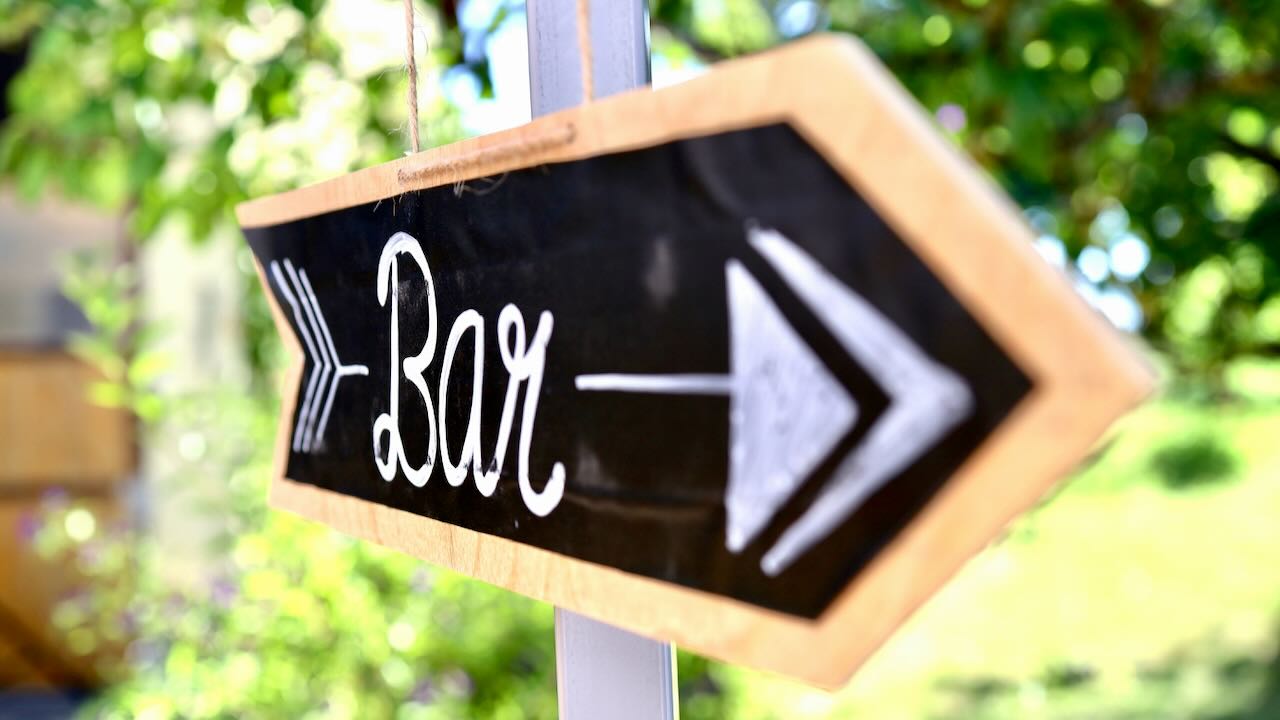
A hand-painted wooden sign behind a basement bar does something a bare wall never will — it tells your guests this space was built on purpose. The sign announces what kind of host you are before you pour the first round: the speakeasy collector, the neighborhood pub regular, the family who named their garage bar after the dog. That small rectangle of wood, metal, or glowing neon carries more weight than any bottle on the shelf.
We walk you through the materials, styles, and placement decisions that turn a bar sign from impulse purchase into the finishing touch that shapes how every guest experiences your home bar.
At a Glance
- Bar signs for home bar setups work best when the material matches the room’s existing textures — wood with wood tones, metal with industrial fixtures.
- Pub sign traditions dating back centuries still influence the hand-painted and carved styles available for residential spaces today.
- Neon and LED signs run cool enough for indoor use and draw the eye to a bar area from across the room.
- Custom bar signs featuring a family name or house slogan give guests a story to ask about before the first drink is poured.
- Placement at or just above eye level, with dedicated lighting, turns a sign from background decor into a focal point.
- Choosing between vintage, modern, and personalized styles of signs depends on whether the bar serves as a daily retreat or a party-night centerpiece.
What Are Bar Signs for Home Bar Spaces?
Bar signs for home bar spaces are decorative or personalized displays — made from wood, metal, neon, or acrylic — designed to establish the character of a residential drinking and hosting area. Unlike generic wall art, a home bar sign draws from centuries of pub signage tradition, where the sign outside the door told passersby exactly what atmosphere waited inside. The best home bar signs do the same thing at a smaller scale: they signal the tone of the evening, anchor the room’s design palette, and give guests a conversation starter that has nothing to do with the weather.
Why Your Home Bar Deserves a Sign
The tradition of hanging a sign outside a drinking establishment stretches back to the late 1300s, when English law required alehouses to display a marker so official inspectors could find them.
Those early signs were simple — a bundle of evergreen branches or a rough wooden board — but they served a purpose beyond compliance. They told a traveler, on foot and in the dark, that warmth, drink, and company waited inside.
Over the following centuries, pub sign painters produced a lot of very decorative hand-drawn illustrations — heraldic beasts, local landmarks, and visual puns that regulars understood and newcomers puzzled over.
Pub signs evolved into hand-painted works of art that told a great story about the house and its patrons. The original function never changed — each sign still communicated the identity of the space before anyone stepped through the door.
Brewery-commissioned signs added another layer, branding the pub while giving artists room to make each location feel distinct.
That same principle works in a home bar:
- Identity before introduction: A sign reading “The Murphy’s Pub — Est. 2019” tells guests this corner has a bar name, a history, and an owner who cares about both.
- Mood-setting without music: A rusted metal “Cold Beer” sign signals casual; a gilt-edged wooden plaque signals cocktail hour and good times ahead.
- Anchoring the design: The sign becomes the reference point for everything else — the stool fabric, the backsplash tile, the glassware.
Your sign doesn’t need to be antique or expensive. It needs to do what pub signs have done for over six hundred years — announce the kind of gathering that happens here, much like the broader party decoration choices that set the scene for any hosting space.
|
Keep the Party Plan Together |
Materials That Hold Up: Wood, Metal, Neon, and Acrylic
The main types of bar sign materials each bring a different look and lifespan to the wall. The material you pick determines how the sign ages, what it costs, and how it fits the rest of the room.
Wood remains the most popular choice for home bar signs, and for good reason. A custom wood signcarved from maple wood or pine develops a richer patina over time, especially if it’s finished with a natural oil rather than a high-gloss lacquer. Wood carvings and hand-routed lettering carry a tactile warmth that photographs well and catches lamplight in ways flat prints cannot.
Full-color wood signs use UV printing to apply photographic images or simple imagery directly onto the grain — full-color printing produces results that hand-painting cannot replicate at the same price point. The trade-off: unfinished wood in a damp basement bar will warp within a season. Seal it or hang it where airflow keeps moisture at bay.
Metal signs range from stamped tin reproductions to custom metal bar signs cut from aluminum or steel. The various type of metal signs available include stamped tin, laser-cut steel, and cast aluminum.
Durable metals like aluminum resist rust without a coating, making outdoor aluminum signs among the most weather-resistant options for garages or patios where temperature swings. Vintage style embossed tin — the kind you’d see in a 1950s gas station — adds a vintage vibe and pairs well with leather stools and Edison bulbs.
Neon and LED options split into two camps. Traditional glass neon tubes produce a warm, slightly uneven glow and a faint hum that adds atmosphere. LED neon flex tubing mimics the look at a fraction of the power cost and runs cool to the touch, which matters in tight bar areas for indoor use. Both types come in custom shapes — a cocktail glass, a family crest, the name of your bar in script.
Acrylic wall decor offers the cleanest look for modern spaces. Edge-lit acrylic panels catch LED light along their borders and project it through etched text, producing a floating-glow effect against a dark wall. Full-color signs on acrylic use back-printing for a polished finish. They’re lightweight, shatter-resistant, and easy to swap if you rebrand your basement pub every few years.
- Budget range: Wood starts around $40 for pre-made; custom carved runs $100–$300. Metal tins sit at $20–$60; custom cut metal, $80–$250. Neon starts at $60 for LED flex, $150+ for glass. Acrylic panels range $50–$200.
- Durability ranking: Metal (decades) > Acrylic (years, no fading) > Sealed wood (years with care) > Neon glass (fragile, handle during installation only).
- Best for humid spaces: Aluminum, acrylic, or LED neon. Avoid untreated wood and glass neon in basements without dehumidifiers.
Pairing the right sign material with a few ambience-building details — lighting warmth, background music volume, even the scent of a candle — compounds the effect. Each material tells guests something different about the host. Wood says heritage. Metal says durability. Neon says the party starts now.
How Do You Choose a Bar Sign That Matches Your Space?
The sign shouldn’t be the loudest thing in the room — it should be the thing that ties the room together, just as a well-considered table setting anchors a dining room. Start with what’s already there: the color of the walls, the finish on the countertop, and the kind of lighting you use most often.
A dark-stained oak bar with brass rail hardware calls for warm tones — a wooden bar sign with hand-painted lettering in cream or gold, or a heritage oval with a muted pub scene. A sleek concrete countertop with stainless fixtures leans toward metal or edge-lit acrylic. The mismatch to avoid: a glowing pink neon “Cocktails” sign above a rustic barn-wood bar, unless the intentional contrast is the whole point.
Size matters more than most buyers expect:
- Under 12 inches: Works as an accent piece in a tight bar area or beside a shelf of bottles. Best for letter boards, small plaques, or a single word in neon.
- 12–24 inches: The sweet spot for most home bars. Large enough to read from across the room, small enough not to overwhelm a wall with shelving or mirrors.
- Over 24 inches: Statement piece territory. Reserve for a dedicated bar wall with nothing competing — no dart boards, no TVs, no cluttered shelves within arm’s reach.
The sign’s finish should echo at least one other surface in the room. A matte black metal sign picks up the frame of a pendant light. A glossy lacquered wood sign mirrors the sheen on a polished bar top. These small repetitions tell the eye that the space was designed, not assembled at random.
British pub landlords understood this instinctively — the sign outside matched the character inside, from the painted imagery to the lettering style. Whether you’re styling a full Set the Scene transformation or adding one finishing piece, finding the perfect sign starts with measuring the wall and matching the room’s dominant textures.
|
Hosting Tip: Match the Sign to Distance |
Personalizing a Sign With Names, Slogans, and Inside Jokes
The fastest way to turn a generic bar sign into a conversation starter is to put something on it that only your household would understand. A personalized bar sign is part of creating ambiance at home — it layers personality into the atmosphere before a single candle is lit.
A family name, a favorite drink rendered in neon, a running joke from last year’s holiday party — these details make guests lean in and ask the story behind the sign.
Use of nicknames works particularly well. “The O’Brien Arms” sounds like a centuries-old pub. “Dave’s Pour Decisions” gets a laugh every time someone new sees it. The tradition of naming a pub after its distinguishing feature — The Red Lion, The King’s Head — translates directly to home bars: name yours after something true about your hosting style.
Beyond names, consider these personalization layers:
- A particular slogan or house rule: “No Bad Wine Allowed” or “Good Times Start Here — First Round’s on the House.” Laser-cut or routed into wood, these double as bar decor and icebreaker.
- Drink specials board: A chalkboard or letter board next to a permanent sign lets you rotate what’s featured without replacing the main piece. Write the night’s signature cocktail or the drink specials that match the occasion.
- Coordinates or founding date: Latitude and longitude of your home, or the year you moved in, etched into metal. Subtle, clean, and personal.
Every bar develops its own unique character over time, and the sign should grow with it. The difference between a personalized bar sign and a mass-produced one is time — guests spend longer looking at it, longer talking about it, and longer standing in the bar area because of it. That’s the whole point of a hosting space: you want people to stay.
Placement and Lighting That Make the Sign Work
A well-chosen sign hung in the wrong spot is just wall clutter. Placement and lighting are where a sign goes from “nice touch” to the reason guests walk over to the bar the moment the bar opens for the evening.
The ideal height for a home bar sign is between 58 and 62 inches from the floor — roughly eye level for a seated guest at a standard 42-inch bar counter. If the bar area doubles as standing-room for parties, split the difference at 60 inches. Signs hung too high disappear above sightlines. Signs hung too low compete with bottles and glassware for attention.
Lighting makes or breaks the impact:
- Puck lights or picture lights: Mounted above the sign, angled down at 30 degrees, these throw a warm spotlight that creates a gallery effect. A battery-operated puck light costs under $15 and installs with adhesive strips.
- Backlit mounting: A neon light sign or edge-lit acrylic doesn’t need external lighting — it IS the light. Mount it on a dark or matte wall to maximize the glow contrast.
- Ambient uplighting: A small LED strip along the bar’s back edge casts upward light that grazes the sign from below. Dramatic, inexpensive, and easy to install with peel-and-stick strips.
Where you hang the sign matters as much as how you light it:
- Behind the bar: The classic spot. Centered above the bottle display, it becomes the room’s anchor. Keep it above the top shelf line so nothing blocks it. For broader decor coordination, seasonal and occasion-specific decoration ideas can guide how you style the bar wall around a permanent sign.
- On the approach wall: The wall guests see as they walk toward the bar. An outdoor sign used indoors or neon alternatives to overhead lighting work especially well in hallways and stairwells.
- In a game room or man cave: A second sign in an adjacent game room connects the two spaces visually. Match the material but vary the message — “Bar Open” in the bar area, “Happy Hour All Day” in the game room.
For more hands-on guidance on installation hardware and mounting techniques, the Tools & Techniqueslibrary covers everything from hanging methods to lighting setups. The right sign in the right spot with the right light makes the bar area feel intentional — and that feeling is what separates a counter with bottles from a space your friends want to return to.
|
Share Every Hosting Task Clearly |
The Sign That Starts the Conversation
Every element of a home bar sends a signal — the bottles say what you drink, the glassware says how seriously you take it, and the sign says who you are. A vintage pub reproduction hanging above a row of single malts tells a different story than a neon “Happy Hour” in a garage bar stocked with coolers and lawn chairs. Neither is wrong. Both are intentional.
The hosts who get the most out of a bar sign treat it as the first thing guests see and the last thing they comment on when leaving. In our years of hosting, we’ve found that the sign people talk about is never the most expensive one — it’s the one with a great story.
The hand-carved wooden bar sign a friend made as a housewarming gift. The neon sign salvaged from a closing restaurant. The metal plaque stamped with coordinates from a honeymoon destination.
- If the bar is a daily personal space: Choose something you won’t tire of. Wood and metal age well. Avoid trend-dependent neon phrases.
- If the bar opens mainly for guests: Go bolder. An outdoor sign on an indoor wall, an oversized letter board, or a neon light sign that doubles as the room’s primary accent.
- If you’re still deciding: Start with a chalkboard or letter board. Rotate messages, test styles, and commit to a permanent sign once you know the bar’s personality.
The right bar sign doesn’t just decorate a wall. It makes the bar area feel like a destination — and a destination is the kind of space guests come back to, whether the evening is an all-out party or a quiet nightcap with lively conversation fading into the small hours.
Frequently Asked Questions
What are the best bar signs for a home bar?
The best bar signs match the room’s existing materials and lighting. A carved wooden sign suits a rustic or traditional bar, while a neon light sign or edge-lit acrylic panel works in modern or industrial spaces. Choose based on the atmosphere you host most often rather than trending styles that may not age well.
How do I choose a bar sign that matches my decor?
Start with the dominant surface finishes in your bar area: wood grain, metal hardware, stone countertops. Select a sign made from or finished in a material that echoes at least one of those surfaces. Repeating a texture or color tone between the sign and an adjacent surface creates visual cohesion without requiring a full redesign.
What materials are home bar signs made from?
Most home bar signs are made from wood, metal, neon or LED tubing, or acrylic. Wood offers warmth and ages well when sealed. Metal resists humidity and works in garages or basements. Neon and LED provide ambient lighting. Acrylic is lightweight and produces a clean, modern floating-glow effect when edge-lit.
Are neon bar signs safe for home use?
Modern LED neon flex signs run on low voltage, produce almost no heat, and use shatter-resistant tubing, making them safe for indoor use in any room. Traditional glass neon tubes carry a small breakage risk and run warmer, but remain safe when mounted securely away from high-traffic areas. Both types are rated for residential installation.
Can you make a custom bar sign yourself?
Yes. A basic wood sign requires a planed board, a stencil or vinyl transfer, and paint or a wood-burning tool. For letter boards and chalkboard signs, the frame is the only permanent piece. The message changes whenever you want. More advanced projects like routed lettering or bent LED neon tubes benefit from watching a tutorial before committing to materials.
Where should I hang a bar sign in my home?
Hang a bar sign at 58 to 62 inches from the floor, roughly seated eye level at a standard bar counter. The strongest spots are centered above the bottle display behind the bar, on the wall guests see approaching the bar, or in an adjacent game room. Avoid walls crowded with shelving, mirrors, or TV screens.
Continue Reading:
More On Home Bar Entertaining
- How to Set Up a Coffee Bar Your Guests Will Love
- How to Set Up a DIY Mimosa Bar for Brunch and Showers
- Stock the Bar Party: Gifts, Food, and Games for Every Host
More from The Gourmet Host
- Baby Shower Food Ideas: Easy Finger Foods Guests Love
- Family Conversation Starters That Spark Real Dinner Talk
- Elegant Infusions: Master Coffee and Tea for Your Next Dinner Party
- Italian Dinner Party Menu: A Complete Host’s Guide
- Best Card Games for Your Next Dinner Party Night
Explore TGH Categories
- Set the Scene
- Drinks and Bar
- Plan the Meal
- Engage with Guests
- Games and Toasts
- Tools and Techniques
- Why We Gather