Wet Bar vs Dry Bar: Which Setup Fits Your Home?
 17 min read
Your home bar decision comes down to one question most renovation sites skip: do you need running water where you pour drinks, or can you work without it? The answer has less to do with plumbing preferences and more to do with how you actually host. A wet bar gives you a built-in sink, drainage, and the ability to rinse glassware, shake cocktails with fresh ice, and clean up without leaving the room. A dry bar skips the plumbing entirely, relying on your existing kitchen sink for water access.
Both can hold bottles, store glassware, and anchor a gathering — but they shape your hosting rhythm in completely different ways. We break down the structural differences, real costs, and hosting trade-offs between a wet bar and a dry bar so you choose the setup that keeps you with your guests instead of running back and forth to the kitchen.
At a Glance
- A wet bar includes a sink and water lines, while a dry bar is a self-contained station with no plumbing.
- Wet bars cost significantly more to install because of plumbing, drainage, and often custom cabinetry.
- Dry bars fit almost anywhere — a hallway nook, dining room wall, or finished basement corner — with no renovation required.
- Your hosting style matters more than your budget: frequent cocktail hosts benefit from a wet bar’s convenience, while wine-and-spirits hosts often prefer a dry bar’s simplicity.
- Resale value favors wet bars in entertainment-heavy homes, but a well-styled dry bar adds appeal without the renovation risk.
- Both options work best when stocked thoughtfully and placed where guests naturally gather.
What Is a Wet Bar vs Dry Bar?
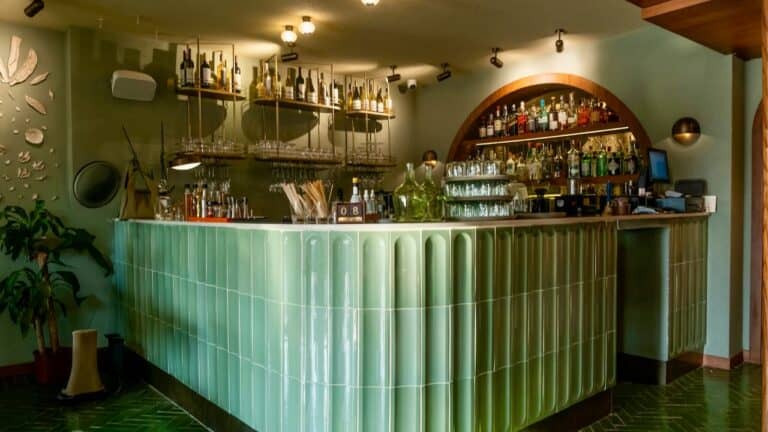
A wet bar is a home bar station with a built-in sink connected to water lines and a drain — you can rinse glasses, wash garnishes, and dump ice without stepping away. A dry bar is a dedicated drink-serving area without any plumbing, typically featuring shelving, a counter, and storage for bottles and glassware. The key difference for hosts is workflow: a wet bar keeps all drink preparation and cleanup in one spot, while a dry bar works as a stylish serving station that relies on your kitchen for anything involving water.
Which Bar Setup Fits Your Hosting Style?
Use your drink service to make the call: think through a typical gathering from the first pour to the last glass. Count how often the station needs fresh water, melting ice dumped, tools rinsed, or used glassware cleared during your gathering. Then measure the walk from the proposed bar to the kitchen sink, since distance shows whether plumbing will improve service or duplicate a nearby workspace.
| What happens during the gathering | Better fit | Why it points that way |
|---|---|---|
| Multiple cocktail rounds require fresh ice and clean tins whenever the flavour profile changes between drinks. | Wet bar | Water and drainage at the station keep active preparation and glass cleanup in the room where guests gather. |
| Service mainly means opening wine or pouring spirits, with mixed drinks prepared in the kitchen before guests arrive. | Dry bar | That menu needs accessible bottle storage and a clear pouring surface more than it needs a dedicated sink. |
| The chosen wall sits close enough to the kitchen that an occasional sink trip does not interrupt conversation. | Dry bar | Nearby water can handle infrequent rinsing and melted ice without the cost or permanence of another plumbing run. |
| The bar sits in a basement or entertaining room where guests gather, well away from the working kitchen. | Wet bar | A sink limits repeated trips when drink preparation and used glassware remain in that separate social space. |
| A rental or a room expected to change makes it useful to test the location before building cabinetry. | Dry bar | A freestanding cabinet or bar cart can move with the gathering and leave existing water lines untouched. |
| The drink menu needs easier ice and glass collection at the bar but rarely requires running water. | Hybrid dry bar | A portable ice maker and water carafe cover drink service, while a bus tub keeps used glasses off the counter. |
If the answers split between the two columns, start with a dry setup and notice which trips pull you away from guests. A portable ice maker solves ice access, a water carafe covers simple rinsing, and a bus tub collects used glasses without changing the room.
If water and cleanup still send you back to the kitchen throughout the evening, you have a practical reason to price a wet-bar installation.
|
Keep This Drink Plan Together |
What Makes a Wet Bar and Dry Bar Different?
The distinction between a wet bar and a dry bar starts below the counter. A wet bar connects to your home’s water supply and drain system, giving you a functional sink right where you pour drinks. A dry bar has no plumbing at all — it’s a self-contained furniture piece or built-in cabinet designed to store and display your bottles, mixers, and glassware.
That plumbing difference shapes everything else about how the two setups function during a gathering.
- Water access at the station: A wet bar lets you rinse shaker tins between drinks, wash glasses and garnish residue off your hands, and dump melted ice — all without walking to the kitchen. A dry bar means every water-related task requires a separate trip.
- Installation complexity: Wet bars need water lines, drainage pipes, and often a small dishwasher drawer or disposal unit, which means working with a plumber and potentially opening walls. Dry bars can be assembled with off-the-shelf furniture, a liquor cabinet, or custom cabinetry — no permits, no pipe work.
- Footprint and placement: Because a wet bar requires access to plumbing, it typically lives in a finished basement, entertainment room, or along a kitchen-adjacent wall. A dry bar can go virtually anywhere — a dining area corner, a living room alcove, or a hallway niche with enough depth for a counter.
Renovation experts at Gigi Homes & Construction note that the plumbing requirement is the single biggest factor in both cost and timeline when choosing between the two setups.
House Digest’s comparison reinforces that a wet bar’s utility comes with trade-offs in flexibility — once installed, it stays put. If you’re weighing how a home bar fits into your overall hosting setup, our step-by-step guide to kitchen organization for dinner parties covers the workflow principles that apply to any drink station.
For hosts weighing the key differences, the real question isn’t which bar looks better — it’s whether your gathering style demands water at arm’s reach or whether a well-placed dry bar handles everything you actually need.
|
Hosting Tip: Set the Pouring Plan Early |
Why a Wet Bar Changes How You Host
The real advantage of a wet bar isn’t the sink itself — it’s the hosting rhythm the sink creates. When you can rinse, shake, strain, and serve from the same three-foot stretch of counter, you stop bouncing between rooms. Your conversation with guests doesn’t pause every time someone asks for a fresh drink.
In our experience hosting cocktail-forward gatherings, the difference shows up within the first thirty minutes. A wet bar with cold water access means ice stays fresh, citrus gets rinsed on the spot, and your mixing process stays uninterrupted. That matters less when you’re pouring wine and more when you’re building a round of spritzes for six people at an intimate gathering.
- Cocktail service speed: A wet bar with an ice maker and running water cuts drink preparation time roughly in half compared to shuttling between a dry bar and a kitchen sink. You muddle, shake, strain, and rinse in one motion.
- Guest interaction: The bar becomes a gathering point. Guests lean on the counter, watch you build drinks, and stay engaged — instead of watching you disappear through a doorway. A dedicated bar area with easy access keeps both host and guests in the same social space.
- Cleanup in real time: Rinsing glasses between rounds keeps your counter space from piling up. A small dishwasher drawer, common in wet bar setups, means you can cycle glasses mid-party without stopping service.
JBDB’s guide to wet bar functionality emphasizes that the combination of a sink and dedicated counter space is what turns a bar from a storage unit into a working station. Reico Kitchen & Bath points out that wet bars increasingly include wine fridges and small dishwashers — features that expand their role from drink prep to full-service entertaining.
If you’re thinking about how the space around your bar contributes to the mood, our guide to creating ambiance at home covers lighting, sound, and layout ideas that complement any bar setup.
A wet bar doesn’t just store drinks — it anchors the social energy of a gathering by keeping the host in the room and the conversation flowing.
| Rinse Your Shaker Tin Between Every Round — Not Every DrinkCleaning your shaker after every single cocktail slows service and wastes water. Instead, rinse between flavor categories: citrus drinks, spirit-forward drinks, and cream-based drinks. A quick cold water flush between rounds prevents flavor bleed without turning your wet bar into a dishwashing station. This approach keeps your mixing process fast while your garnish stays sharp and your ice clean. |
|
Share Every Prep Task Clearly |
Dry Bars That Work Harder Than You’d Expect
A dry bar sounds like a compromise — no sink, no plumbing, no running water. But for a large number of home hosts, the absence of water is barely a limitation. If your typical gathering revolves around wine, spirits poured neat, or pre-batched cocktails, a dry bar handles the full evening without sending you to the kitchen more than once or twice.
The design flexibility alone makes a strong case. Because there’s no plumbing to route, a dry bar can sit in a dining room, a living room corner, a hallway with enough wall space, or a finished basement where running water lines would be prohibitively expensive.
Wine drinkers especially benefit from a dry bar with a built-in wine fridge and a wine rack — no water needed, and the tidy bar area stays elegant all evening. It takes up less space than a wet bar yet delivers a polished station for everything from whiskey service to a full drink menu.
- Cost advantage: A well-built dry bar — a quality liquor cabinet, a wine rack, and open shelving — runs a fraction of a wet bar installation. You can create a polished dry bar setup for under $1,000. A wet bar with plumbing, cabinetry, and a sink often starts between $3,000 and $8,000.
- Versatility across various rooms: A dry bar in your living room doubles as a design statement. A built-in dry bar in an entertainment room anchors the space without requiring a contractor. Glass cabinets and a small wine fridge turn a hallway nook into a functional bar with no permits needed.
- Low-maintenance hosting: No drain to clean, no faucet to maintain, no water lines to winterize if your bar is in an unheated space. For hosts in smaller spaces or renters who can’t modify plumbing, a dry bar offers everything except the sink — and many hosts find they don’t miss it.
Deslaurier Custom Cabinets highlights that dry bars have become a popular choice for homeowners who want a dedicated area for drinks without the renovation scope of plumbing work.
Kitchens by Oaks notes that dry bar ideas now include wine fridges, built-in cabinets, and display lighting — features that close the gap between dry and wet setups in both form and function.
For hosts exploring how to turn any corner of the home into a social space, our guide to creating a ‘third place’ at home offers layout principles that apply directly to dry bar placement.
When your hosting calls for uncorking bottles, pouring spirits, and keeping conversation close, a dry bar isn’t a downgrade — it’s a deliberate design choice.
How to Decide Which Bar Belongs in Your Home
Choosing between a wet bar and a dry bar isn’t a design quiz — it’s a hosting decision with budget, space, and lifestyle baked into it. The answers to four questions will narrow your choice faster than any Pinterest board.
- How often do you make cocktails at a party? If you’re shaking, muddling, and straining more than twice a night, a wet bar’s sink and water lines save real time. If you’re mostly pouring wine, mixing highballs, or serving pre-batched drinks, a dry bar handles it.
- Where will the bar live? A wet bar needs access to plumbing — typically a finished basement, a game room with nearby bathroom plumbing, a kitchen-adjacent wall, or an outdoor kitchen with existing water lines. A dry bar goes wherever you have counter space and a few square feet of floor. Think about which dedicated spot gives your guests quick access to drinks without blocking your main traffic flow.
- What’s your renovation budget? A wet bar installation involving plumbing, cabinetry, and countertops typically lands between $3,000 and $12,000 depending on your region and finish level. A dry bar ranges from a $200 bar cart to a $2,000 custom built-in with built-in cabinets. Budget alone can make the informed decision for you.
- Do you plan to sell? Wet bars can add resale value — particularly in homes with finished basements or entertainment rooms — because buyers see them as a premium feature. Dry bars add aesthetic value and can be a selling point for style-conscious buyers, but they rarely move the needle on appraisals in the same way.
Bath Kitchen and Tile’s comparison recommends evaluating your drink preparation style before committing to either route. Revive Design and Renovation frames the choice around kitchen proximity — if your bar sits within easy reach of a kitchen sink, a dry bar often makes more practical sense.
Ayr Custom Cabinetry’s side-by-side breakdown confirms that resale value favors wet bars in homes designed for entertaining, while dry bars offer the best return on lower budgets. SpryInterior’s analysis adds that personal preferences — not just square footage — should drive the final call, since a bar you actually use adds more value than one that looks impressive but sits empty.
Hosting expert discussions compiled by Total Restore Pro echo the same principle: the right in-home bar is the one that fits your available space, your drink menu, and the number of guests you regularly welcome.
If you need help thinking through the full scope of party planning beyond the bar itself, our complete guide to dinner party planning covers timelines, guest flow, and menu coordination.
- Go wet if: You host cocktail parties, want cleanup at the station, have plumbing access, and budget allows $3,000+.
- Go dry if: You serve wine and spirits, want placement flexibility, prefer lower cost, or rent your home.
- Consider a hybrid: A dry bar with a portable ice maker, a small wine fridge, and a bus tub for used glasses bridges much of the gap at a fraction of the cost.
The bar that actually serves your guests well is the one that matches how you host — not the one with the most features on a spec sheet. When you know your gathering style, the wet bar vs dry bar question answers itself.
Whether you’re starting with a pop of color on a bar cart or investing in a full wet bar with custom cabinetry, the design process begins with understanding how you gather — and setting up the ambience that makes your space feel like the place everyone wants to be.
Frequently Asked Questions
What is the difference between a wet bar and a dry bar?
A wet bar includes a built-in sink with water lines and drainage, letting you rinse glasses and prep garnishes at the station. A dry bar has no plumbing. It stores and displays bottles, mixers, and glassware, but all water-related tasks happen in your kitchen. The distinction affects hosting flow, installation cost, and where you can place the bar.
Does a wet bar add value to your home?
A wet bar can increase resale value, especially in homes with a finished basement or a dedicated entertainment room that buyers expect to be fully equipped. The return depends on your market. In areas where home entertaining is common, an in-home bar with plumbing is a selling point. Appraisers typically view wet bars as a premium upgrade over dry alternatives.
How much does it cost to install a wet bar?
Most wet bar installations fall between $3,000 and $12,000, depending on plumbing complexity, cabinetry materials, countertop finishes, and whether you add features like a wine fridge or dishwasher drawer. A basic setup with a small sink and standard cabinets sits at the lower end. Custom cabinetry with stone countertops and a built-in ice maker pushes costs higher.
Can you put a wet bar anywhere in your house?
You can install a wet bar wherever water supply and drain lines are accessible, or can be routed without excessive cost. Common locations include a finished basement, a game room near existing bathroom plumbing, or a kitchen-adjacent wall. Rooms far from water lines require longer pipe runs, which increases both cost and the risk of leaks over time.
Do I need a wet bar if my bar is near the kitchen?
A dry bar usually covers everything you need when it sits within about ten steps of a kitchen sink. The kitchen handles rinsing, ice, and cleanup, while the dry bar stores bottles and serves drinks. A wet bar in that spot duplicates plumbing you already have, so it rarely justifies the added cost.
What is the point of a dry bar?
A dry bar gives you a dedicated spot to store spirits, display glassware, and serve drinks without any plumbing work or permits. It suits hosts who pour wine, serve spirits neat, or mix simple drinks, plus renters who cannot alter plumbing. A well-stocked dry bar covers most gatherings for far less space and cost than a wet bar.
Continue Reading:
More On Home Bar Setup & Design
- Bar Tools Every Home Host Needs for Better Drinks
- Home Bar Essentials: Every Bottle and Tool You Need to Start
- How to Set Up a Home Bar for Hosting That Actually Works
- Outdoor Bar Ideas on a Budget: Build a Backyard Bar for Less
More from The Gourmet Host
- Best Wedding Toast Examples for Every Speech Slot
- Winter Theme-Party Ideas for Cold-Weather Fun at Home
- Baby Boy Baby Shower Ideas: Themes, Decor, and Party Tips
- Hors d’Oeuvres Menu Planning: 90-Minute Host Spread
- Types of Onions Every Smart Home Cook Should Know
Explore TGH Categories
- Set the Scene
- Drinks and Bar
- Plan the Meal
- Engage with Guests
- Games and Toasts
- Tools and Techniques
- Why We Gather