Food for Large Groups: Easy Meals That Feed a Crowd
 15 min read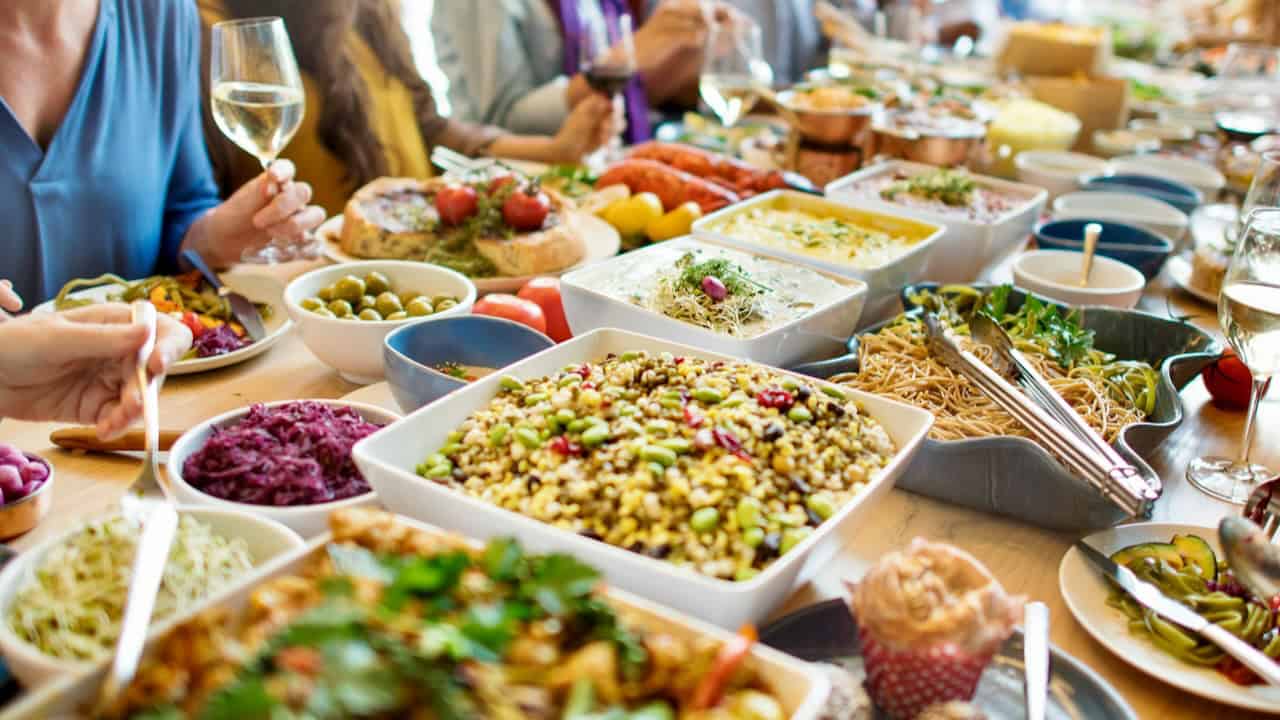
You said yes to hosting twenty people for Saturday night, and now you’re standing in the grocery aisle wondering how five chicken breasts become dinner for a crowd. We’ve been there—more times than we can count—and the good news is that cooking for a large group doesn’t have to mean cooking all day.
The secret to food for large groups is choosing recipes that scale gracefully, lean on affordable staples, and let you spend more time at the table than behind the stove.
At The Gourmet Host, we’ve hosted events for large groups and interviewed hosts to learn what actually works when the guest list grows. This guide brings together our favourite big batch strategies, budget-friendly recipes, and practical tips so your next large gathering feels effortless.
🗒️ At a Glance
- Choose recipes that scale easily: slow cooker dishes, sheet pan meals, and casseroles are your best tools for feeding a large crowd.
- Budget food for large groups relies on affordable proteins like chicken thighs, baked beans, and hearty starches such as mashed potatoes and sweet potatoes.
- Plan serving sizes carefully: most group meals need about one-third more food than you think.
- Batch cooking two to three days before your event reduces day-of stress and lets flavours develop.
- Pair a crowd-pleasing main with two versatile side dishes and one bread option like dinner rolls to round out any group dinner.
What Is Food for Large Groups?
Food for large groups refers to dishes designed to feed ten or more guests efficiently without sacrificing flavour or presentation. These recipes prioritise scalable ingredients, straightforward preparation, and generous yields—making them ideal for family reunions, holiday gatherings, neighbourhood potlucks, and dinner parties where the guest count climbs well beyond six.
How to Plan Food for Large Groups Without the Stress
Planning group meals starts with one decision that shapes everything else: will you serve a single main dish family-style, offer a buffet with multiple options, or set up a build-your-own station?
Each format has advantages, and the best choice depends on your space, your comfort in the kitchen, and how many hands you have to help.
For most large gatherings, a buffet-style spread with one anchor protein, two side dishes, and a breadbasket gives you the most flexibility. This is the approach that experienced hosts return to again and again, because it accommodates dietary preferences, reduces plating bottlenecks, and lets guests serve themselves at their own pace.
Use the group size, budget, make-ahead window, and equipment you already have to narrow the menu. A serve-yourself meal works well when guests can build a plate without waiting for you to portion every serving. Choose one row as your starting plan, then adjust for dietary needs and the appetites in your room.
| Group size | Serve-yourself format | Starting quantities | Make-ahead window | Equipment |
|---|---|---|---|---|
| 10 to 12 | Baked pasta, salad, and rolls | Two 9 by 13 inch pans, one large salad, and 18 rolls | Assemble the pasta one day ahead; dress the salad before serving | One oven and two baking pans |
| 13 to 16 | Taco bar | Four pounds of ground beef or turkey, 32 small tortillas, two cans of beans, two pounds of cheese, and three cups of salsa | Cook the filling one day ahead; chop the toppings that morning | Stovetop plus a slow cooker or warming dish |
| 17 to 20 | Chili, cornbread, and slaw | Two six-quart slow cookers of chili, two 9 by 13 inch pans of cornbread, and one large bowl of slaw | Make the chili and slaw one day ahead | Two slow cookers and one oven |
| 21 to 24 | Pulled pork sliders, slaw, and roasted vegetables | Eight to nine pounds of boneless pork shoulder, 30 rolls, one large bowl of slaw, and two sheet pans of vegetables | Cook and shred the pork one day ahead; roast the vegetables that afternoon | One large slow cooker or roasting pan plus two sheet pans |
These quantities are planning estimates, so check the yield on each recipe before shopping. Add a little more when the meal replaces both appetizers and dinner, or when you want planned leftovers.
For twenty guests, the chili row becomes a complete sample plan. Make both batches the day before, bake the cornbread that morning, and mix the slaw before lunch. About two hours before dinner, reheat the chili thoroughly and set out bowls, spoons, napkins, toppings, cornbread, and slaw in that order. Keep one smaller portion of each topping in the refrigerator and replenish the table as needed.
For safe buffet service, the USDA Food Safety and Inspection Service advises holding hot food at 140°F or warmer and refrigerated food at 40°F or colder. Use slow cookers or warming dishes for the chili, and nest the slaw bowl in ice if it will remain on the table.
A practical planning timeline looks like this:
- Two weeks before: Confirm your guest count and ask about dietary needs. Decide on your format and select two to three recipes that share common base ingredients like olive oil, garlic cloves, and lemon juice.
- One week before: Finalise your grocery list and identify which dishes can be made ahead. Most casserole recipes, sauces, and marinated proteins hold well for two to three days.
- Two days before: Start batch cooking your make-ahead items. Prep and chop vegetables, prepare any rubs or dressings, and portion ingredients into containers.
- Day of: Focus only on dishes that need to be served fresh, like dinner rolls or a quick salad. Reheat your batch-cooked mains and arrange your serving stations.
As Mel’s Kitchen Cafe points out, the key to group meal planning is choosing dishes that hold temperature well and require minimal last-minute assembly.
For more ideas on structuring meals around shared plates and family-style service, Heavenly Homemakers offers a helpful collection of tried-and-tested crowd recipes organised by format.
If you’re building your first large-group dinner party menu, start with one proven recipe and add variety through side dishes rather than attempting three untested mains.
|
📨 Get Weekly Hosting Inspiration |
Best Slow Cooker and Sheet Pan Recipes for a Crowd
When you need to feed a crowd with minimal hands-on effort, two tools dominate every experienced host’s kitchen: the slow cooker and the sheet pan. Both allow you to prepare large quantities with straightforward prep and predictable results.
A slow cooker pot roast is the gold standard of easy food for large groups.
Season three to four pounds of chuck roast with garlic cloves, a splash of olive oil, fresh herbs, and low-sodium broth, then let the slow cooker do the work for eight hours. The result is fork-tender beef that feeds twelve comfortably and pairs beautifully with mashed potatoes or sweet potatoes.
|
Divide The Crowd Cooking Tasks |
Sheet pan chicken thighs are equally reliable. Toss bone-in thighs with olive oil, lemon juice, and your favourite spice blend, then roast at 425°F alongside chunks of sweet potatoes and green beans. Two sheet pans can feed sixteen guests, and the entire prep takes under fifteen minutes.
Thriving Home Blog recommends sheet pan meals as the single best option for hosts who want impressive results without complicated timing. We agree—and we’ve seen this approach work at events of every size.
Other crowd-tested slow cooker and sheet pan options include:
- Pulled pork sliders: Season a pork shoulder with brown sugar, smoked paprika, and apple cider vinegar. Cook low and slow for ten hours, shred, and serve on soft dinner rolls with coleslaw.
- Sheet pan sausage and vegetables: Arrange sliced Italian sausage alongside peppers, onions, and roasted potatoes. One pan, thirty-five minutes, zero fuss.
- Slow cooker chilli: A big batch of chilli feeds twenty easily and tastes even better the next day. Set up a toppings bar with sour cream, shredded cheese, and diced onions for a crowd pleaser that lets guests customise their bowls.
Budget-Friendly Group Meals Everyone Will Love
Feeding a large group doesn’t require a large budget. The most successful cheap meals for crowds lean on affordable staples—dried beans, rice, pasta, potatoes, and economical cuts of meat like chicken thighs and pork shoulder—that deliver big flavour without big expense.
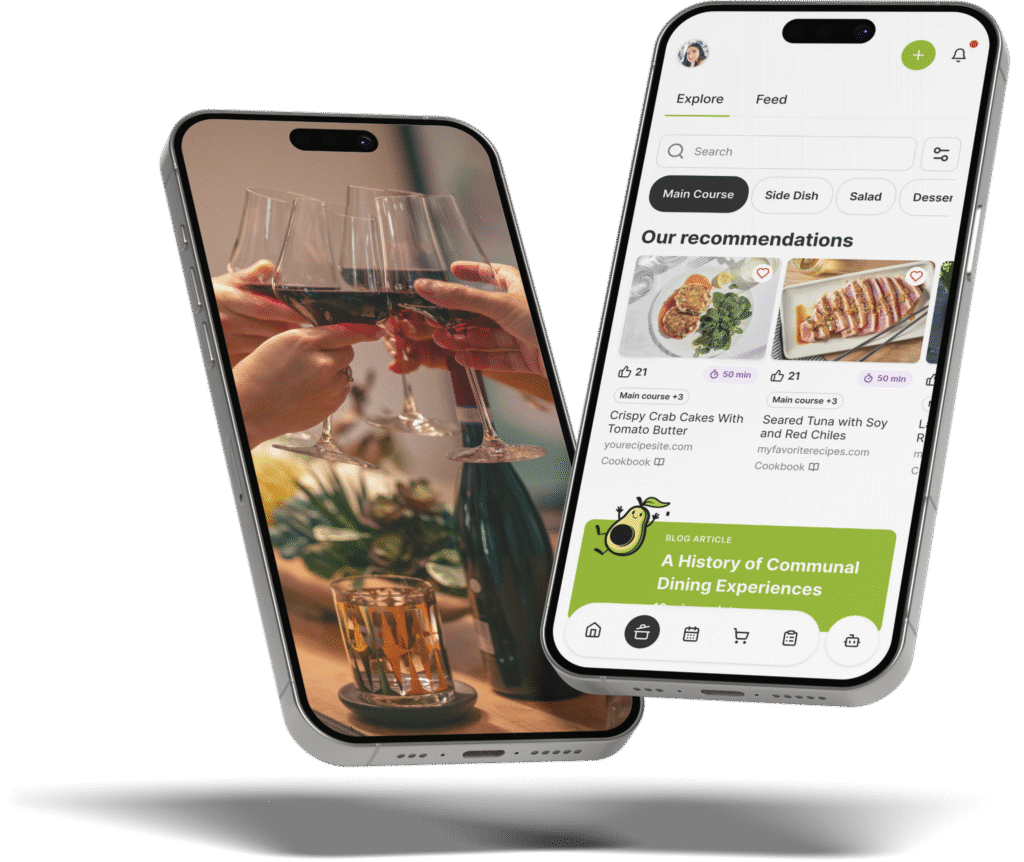
When you’re planning budget meals for a group dinner, The Gourmet Host app can help you calculate per-person costs and build a shopping list that keeps your spending in check.
Camille Styles highlights baked pasta dishes as one of the most cost-effective options—a single batch of baked ziti using store-brand pasta, canned tomatoes, and mozzarella can feed twelve guests for under fifteen dollars. We’ve served this at casual dinner parties and it disappears every time.
Consider these budget-friendly big batch recipes:
- Baked beans with smoked sausage: Canned beans dressed up with brown sugar, mustard, and sliced smoked sausage. Costs under ten dollars and feeds fifteen when paired with cornbread.
- Chicken and rice casserole: Combine chicken thighs, long-grain rice, cream of mushroom soup, and green beans in one baking dish. It’s the definition of comfort food that scales beautifully.
- Taco bar: Season ground beef or shredded chicken with cumin, chilli powder, and garlic cloves. Set out tortillas, sour cream, shredded lettuce, and salsa. A taco bar is one of the easiest food for large groups because guests assemble their own plates.
As Scary Mommy notes, the trick with cheap meals for a large crowd is focusing on dishes where the protein is distributed across the whole dish rather than served as individual portions. Casserole recipes, soups, and one-pot meals stretch further than plated proteins.
Scaling Recipes and Serving Size Essentials
The most common mistake hosts make when cooking for a large crowd is underestimating how much food they need. A recipe that feeds four doesn’t simply triple to feed twelve—seasonings, cooking times, and liquid ratios all shift when you scale up.
Tracking serving size calculations across multiple dishes is one of the areas where a tool like The Gourmet Host app really shines, keeping your quantities aligned so nothing runs short.
No Spoon Necessary offers a practical rule: plan for six to eight ounces of protein per person, half a cup of starch, and half a cup of vegetables as your baseline serving size. Then add fifteen to twenty percent more if you’re serving a crowd that skews toward hearty eaters or if the event runs longer than two hours.
Key principles for scaling group meals successfully:
- Season incrementally: When doubling or tripling a recipe, add seventy-five percent of the salt and spices first, then taste and adjust. Flavours concentrate differently at scale.
- Adjust liquid ratios: Soups and braises need slightly less liquid per portion as batch size increases because there’s less surface area for evaporation relative to volume.
- Use multiple vessels: Rather than cramming a tripled recipe into one pan, split across two. Overcrowding leads to steaming instead of roasting and uneven cooking.
- Test before the event: If you’ve never made a recipe at scale, do a half-size test run at least a week ahead. This is especially important for baking, where oven temperatures and timing vary significantly with batch size.
Stacy Lyn Harris recommends keeping a simple spreadsheet of your dishes, their serving counts, and your timeline to avoid the most common scaling mishaps. We’ve adopted this approach ourselves and it’s become one of our most-used hosting tools.
For more strategies on managing menus across multiple courses, see our guide to make ahead dinner party recipes and our suggestions for party platters that take the pressure off your main course.
Crowd-Pleasing Side Dishes and Extras
A strong main course deserves side dishes that hold their own. The best sides for group meals are ones that can be prepared ahead, served at room temperature, and don’t require last-minute attention.
Roasted vegetables are the universal crowd pleaser for large gatherings. Toss chunks of sweet potatoes, carrots, and green beans with olive oil, salt, and pepper, then roast at 400°F until caramelised. They’re naturally gluten-free, pair with virtually any protein, and can be prepped the morning of your event.
PureWow suggests building your side dish strategy around one starch, one vegetable, and one fresh element. For a classic comfort food spread, that might look like creamy mashed potatoes, roasted green beans with garlic cloves, and a simple mixed green salad with lemon juice vinaigrette.
Sides that travel well and scale effortlessly:
- Classic coleslaw: Shred cabbage and carrots, toss with a sour cream and vinegar dressing, and refrigerate overnight. The flavours improve with time—a perfect make-ahead side.
- Cornbread or dinner rolls: A warm bread option rounds out any group meal. Boxed cornbread mix scaled to a half-sheet pan feeds twenty with zero stress.
- Potato salad: Boil cubed potatoes until just tender, fold in mayo, mustard, diced celery, and hard-boiled eggs. It’s a potluck dish that feeds a crowd without requiring oven space.
When choosing sides, consider how they complement your main course. Taste of Home recommends selecting one rich side and one lighter option to give guests balance. A creamy casserole pairs well with a crisp salad, while a simple grain pilaf offsets a saucier main.
For a complete approach to planning your next large gathering—from appetisers to dessert—explore our roundup of dinner party appetizers and main course ideas for more inspiration. And if you want every element of your event in one place, The Gourmet Host app brings it all together.
Frequently Asked Questions
What is the easiest meal to make for a large group?
A slow cooker pot roast or pulled pork is the easiest meal for a large group, since it needs minimal prep and cooks unattended for eight to ten hours. One pot feeds twelve to twenty guests. Pair it with dinner rolls and coleslaw for a complete, low-effort meal.
How do I calculate how much food to make for a large group?
Plan on six to eight ounces of protein, plus half a cup each of starch and vegetables, per guest. Add fifteen to twenty percent more for events over two hours or hearty-eater crowds. For twenty guests, that works out to roughly eight to ten pounds of protein, five pounds of starch, and five pounds of vegetables.
What are the best cheap meals to feed a crowd?
Baked pasta, taco bars, chilli with a toppings station, and baked beans with smoked sausage are reliable cheap meals for a crowd, often running under two dollars per person. Choose dishes where protein is mixed throughout, like casseroles and soups, rather than served as individual portions, and dress up sides for a special feel.
Can I prepare meals for a large group the day before?
Absolutely. Most big batch recipes (including braises, casseroles, soups, and marinated proteins) taste better when prepared a day or two ahead because the flavours have time to develop. Batch cooking in advance also frees you to focus on last-minute details like setting the table, arranging flowers, or simply welcoming your guests without the stress of cooking everything from scratch.
How do I keep food warm when serving a large crowd?
Keep soups, stews, and braised proteins warm in a slow cooker set to low. Cover sheet pan dishes and casseroles tightly with foil and hold in a 200°F oven. For buffets, chafing dishes with Sterno fuel work well. Whatever method you choose, keep hot food above 140°F to stay food-safe.
Is it cheaper to cater or cook for a crowd?
Cooking is almost always cheaper per head, often by half, but catering buys back the whole day before the event. The break-even sits around thirty guests for most home kitchens. Above that, equipment and oven space start costing more than the savings are worth.
Continue Reading:
More On Dinner Party Menus
- Complete Dinner: Plan a Full Meal Start to Finish
- Cook-Ahead Dinner Party Menu: Make It All in Advance
- Dinner Party Appetizers: Easy Starters Your Guests Will Love
- Main Course Ideas That Wow Dinner Party Guests
- Party Food Platters: Build Boards for Any Gathering
- The Dinner Party Menu: How to Plan a Meal Guests Remember
More from The Gourmet Host
- Easy Vegan Dinner Recipes for an Omnivore Table
- 4 Easy Sweet Corn Recipes for a Summer Dinner Party
- The Best Potluck Apps to Organize Who Brings What
- Margarita Mocktail Recipe: 5-Minute Hosting Guide
- The Best Apps to Split Bills and Group Food Costs
- Food for a Crowd: Easy Menus to Feed a Big Group
- 9 Breakfast Foods for a Crowd: Make-Ahead Ideas
Explore TGH Categories
- Set the Scene
- Drinks and Bar
- Plan the Meal
- Engage with Guests
- Games and Toasts
- Tools and Techniques
- Why We Gather