Romantic Dinner Ideas That Make Any Evening Feel Special
 13 min read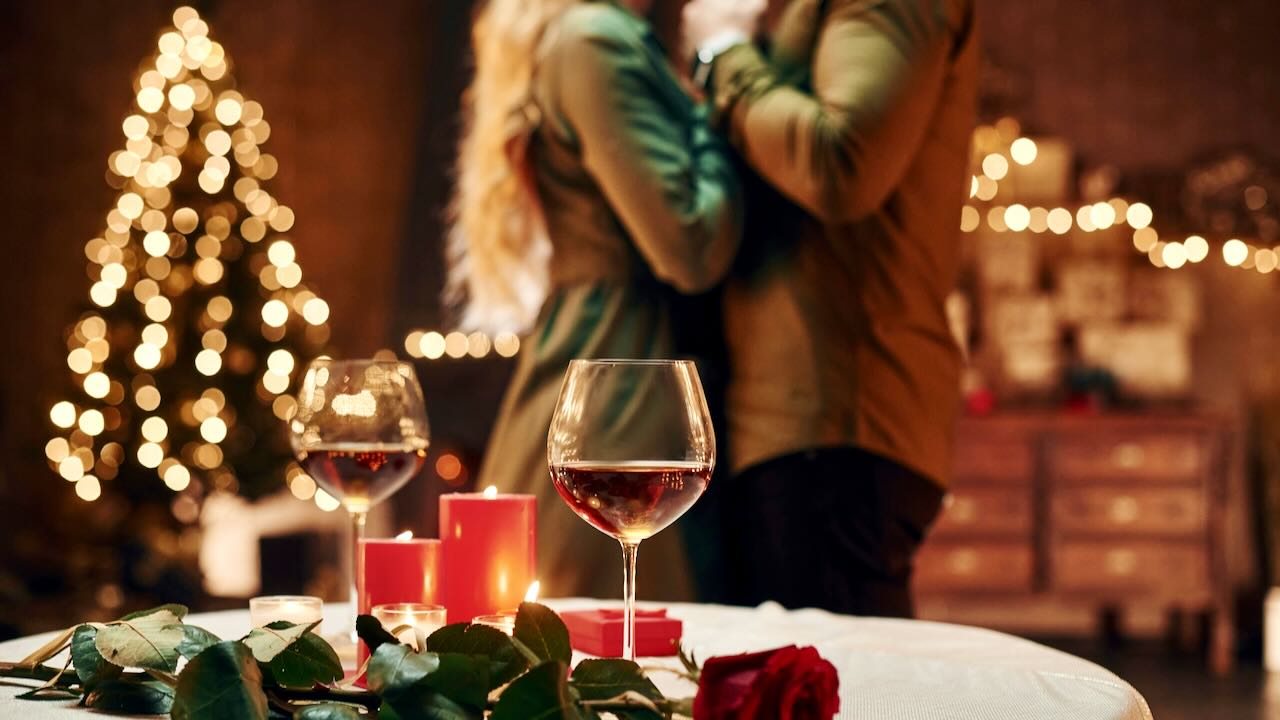
A romantic dinner isn’t a recipe. It’s the glass of wine you pour while the pasta water heats, the playlist you cue before the first course lands, and the deliberate decision to keep your phone off the table for two hours.
Recipe roundups on the internet will hand you a list of impressive-sounding dishes, but none of them will tell you why a perfectly seared steak still falls flat when the lighting is wrong and the courses arrive twenty minutes apart. The romantic dinner ideas that actually work treat the entire evening as one connected experience — the food, the pacing, the ambiance, and the quiet stretch between dessert and the last sip of wine.
That’s the difference between a meal that happens to be nice and one your partner genuinely remembers.
At a Glance
- A romantic dinner works best when the menu, ambiance, and pacing are planned as a single experience rather than treated as separate tasks.
- Pasta dishes and simple proteins with a creamy sauce tend to outperform complicated showstoppers because they free you from the stove during the meal.
- Wine pairing does not need to be precise — one good bottle of white wine for lighter courses and a red for richer mains covers most romantic menus.
- Budget-friendly romantic dinner ideas rely on plating, lighting, and course pacing rather than expensive ingredients.
- Setting the mood takes about fifteen minutes: dim lighting, a short playlist, and a clear table are enough.
- Dessert signals the transition from dinner to the rest of the evening — keep it simple, shareable, and served at room temperature.
What Are Romantic Dinner Ideas?
Romantic dinner ideas are meal concepts designed around creating an intimate, intentional evening for two — not just feeding someone a good dish. They account for everything that shapes how a special dinner feels: the menu structure, the timing between courses, the wine selection, and the atmosphere at the table. Unlike everyday dinner planning, romantic dinner ideas treat the meal as an experience where the food supports the connection, rather than the connection being an afterthought to the food.
The Real Difference Between a Romantic Dinner and Any Other Meal
The answer is pacing. A regular weeknight dinner gets food on the table as efficiently as possible, and there’s nothing wrong with that. A romantic dinner stretches the evening into distinct moments: something small to start with while you settle in, a main course that arrives when you’re both relaxed, and a dessert that gives you a reason to stay at the table after the plates are cleared.
That pacing changes how you plan the menu. Instead of choosing one impressive dish and building around it, you’re sequencing three or four smaller experiences. A light appetizer — a few slices of good bread with olive oil, or a simple salad with fresh herbs — creates the opening. The main course carries the middle of the evening.
And dessert, even something as simple as chocolate cake or a fruit tart, closes the night on a high note.
- Start lighter than you think: Rich appetizers dull the palate before the main course arrives. A crisp salad or a small cheese plate keeps energy up without competing with what follows.
- Cook the main in advance when possible: Dishes that finish in the oven — like a slow-braised protein or a baked pasta — free you from the stove during the meal itself.
- Leave space between courses: Five to ten minutes between the appetizer and the main is enough to refill glasses, clear plates, and actually talk.
This is what separates a romantic meal from a good one. The food matters, but the rhythm of the evening matters more. In our experience hosting intimate dinners, guests consistently remember how the evening felt long after they forget what was on the plate.
|
Build A Menu That Flows |
Building a Menu That Flows from Course to Course
The right recipe for a romantic dinner is rarely the most difficult one. It’s the one that lets you sit down across from your partner without jumping up every six minutes to check a timer. That principle should drive every menu decision you make.
Pasta dishes are the unsung stars of romantic dinner ideas for exactly this reason. A simple pasta with a creamy sauce comes together in under thirty minutes, plates beautifully, and holds its warmth while you finish the appetizer. Risotto works the same way, as long as you’re comfortable standing at the stove for the stirring phase — which, if you’re cooking together, can be part of the evening itself.
For more cozy meals built for two, the key is matching your comfort level to the recipe’s demands.
For the main course, consider what requires the least last-minute attention. A roasted chicken or braised short rib does its work in the oven while you handle everything else. Pan-seared proteins are faster but demand your full focus at the stove, which means you’ll be cooking during the meal rather than sharing it.
Browse Plan the Meal for more course-sequencing ideas.
- Appetizer → main → dessert is enough: Three courses keep the evening moving. Four is fine for special occasions like Valentine’s Day, but three is the reliable framework.
- Match your skill level honestly: A comforting classic you’ve cooked before will always outperform a first-attempt showstopper on a night that matters.
- Think about temperature: A cold appetizer and a warm main gives you one fewer thing to time. A dessert served at room temperature removes the pressure entirely.
Every romantic meal idea starts with this question: can I cook this and still be present at the table? If the answer is no, simplify the dish or move it to a night without candles.
Wine Pairing Ideas for a Romantic Meal
Wine pairing for a special dinner does not require a sommelier’s vocabulary. It requires one good bottle — and, if you want to be thorough, two.
A crisp white wine pairs well with lighter starters, seafood pasta, and chicken. A medium-bodied red — a Pinot Noir or a Grenache — handles heartier mains like braised beef, a pork chop with a wine-forward pan sauce, or pasta dishes with red sauce. If you’re serving both courses and want them to feel distinct, open one of each and let your partner choose.
- Buy one step above your usual: The occasion warrants a slight upgrade, not a dramatic one. An extra five to ten dollars on a bottle you’d enjoy on a Tuesday will make it feel deliberate without overthinking it.
- Serve reds slightly below room temperature: Twenty minutes in the fridge before dinner softens the tannins and brings out the fruit. This is a small move that makes an outsized difference.
- Pour less per glass: Smaller pours across three or four courses keep the evening steady. A romantic dinner is a long game, not a sprint.
According to wine pairing guides from educators at the Napa Valley Wine Train, the most reliable pairings match the weight of the wine to the weight of the dish — light food with light wine, rich food with fuller wine. For a deeper look at matching wines across a full menu, explore TGH’s complete wine and food pairing guide.
|
Hosting Tip: Use One Bottle as the Pairing Plan |
Budget-Friendly Romantic Dinner Ideas That Still Feel Special
The most romantic dinners we’ve hosted were never the most expensive ones. They were the ones where the details felt intentional — a cloth napkin instead of a paper towel, a two-course menu that was genuinely delicious rather than a five-course menu that was merely ambitious.
Budget-friendly romantic dinner ideas work because intimacy is about attention, not cost. A plate of pasta with fresh herbs, good olive oil, and a glass of wine you actually enjoy costs a fraction of a restaurant bill and gives you something a restaurant never can: complete control over the pacing of your evening.
- Invest in one splurge ingredient, not five: A single high-quality cheese, a better-than-usual cut of meat, or a bottle of wine one tier above your default. Let that one item carry the specialness.
- Plate on real dishes: Transferring food from the pot to a warmed plate signals care. It takes thirty seconds and changes the entire impression of the meal.
- Skip the appetizer if it stretches the budget: A glass of wine and ten minutes of conversation before the main course serves the same pacing function as a first course.
According to culinary experts featured on Love and Lemons, the simplest Valentine’s Day dinners — homemade pasta, a good salad, molten chocolate cake — consistently outperform elaborate spreads because they let the cook be present rather than frantic.
That same principle applies to every romantic dinner on every budget: spend where it matters, simplify everything else.
Setting the Mood Without Overthinking It
Ambiance for a romantic dinner takes about fifteen minutes and zero money. Dim the overhead lights — or turn them off entirely and rely on two or three candles. Queue a playlist that runs at least ninety minutes so you never have to touch your phone during the meal. And clear everything off the table that isn’t part of dinner: mail, keys, laptop, the salt shaker you never use.
The table itself tells your partner how much thought you put into the evening before they taste a single bite. In our experience, a clean table with two place settings, a single candle, and cloth napkins communicates more care than an elaborate centerpiece.
The point isn’t to create a restaurant — it’s to signal that this evening is different from a regular Tuesday. For a full breakdown of ambiance techniques, explore our guide to creating a magical at-home evening, or browse Set the Scene for more ideas.
- Light from the side, not above: Overhead light flattens everything. A candle on the table and a dim lamp behind you creates warmth without making it hard to see the food.
- Music should be quieter than conversation: If you have to raise your voice over the playlist, it’s too loud. Instrumental jazz, acoustic covers, or lo-fi playlists tend to sit at the right volume without demanding attention.
- Serve from the kitchen, not the table: Plating each course in the kitchen and carrying it out makes each arrival feel like a moment. It also keeps pots and pans out of sight.
According to hospitality guidance from Foolproof Living’s date night planning framework, the most common mistake hosts make is overcomplicating the atmosphere. Cozy evenings are built from subtraction — removing distractions — not addition.
|
Keep The Prep List Off Your Mind |
How to Close the Evening on a High Note
Dessert is not an afterthought. It’s the punctuation mark on the entire romantic dinner — the moment that determines whether the evening drifts naturally into warm conversation or just… ends. Explore more ideas in Engage with Guests for keeping the connection going past the last bite.
The best desserts for a special occasion share three qualities: they’re shareable, they’re served at room temperature (or close to it), and they require almost no last-minute assembly.
A chocolate lava cake prepared in advance, a fruit tart picked up from a good bakery, or even a decadent dessert as simple as quality chocolate with sliced strawberries all accomplish the same thing. They give you a reason to stay seated.
- Share one plate: A single dessert split between two people is more intimate than two separate servings. It changes the geometry of the table — you’re leaning in instead of staying in your own lane.
- Pair it with what’s left: If there’s wine remaining from the main course, let it carry through. If you want a shift, a small pour of port or a dessert wine signals the final act of the evening.
- Skip dessert gracefully if you’re full: A small dish of good dark chocolate and a coffee or herbal tea serves the same pacing function. The point is to have a reason to linger.
The romantic dinners that land — the ones your partner mentions weeks later — are almost never about the food being perfect. They’re about the feeling that someone cared enough to plan an evening around them.
Frequently Asked Questions
What is the most romantic meal to cook?
A two- or three-course meal built around a pasta dish with a creamy sauce or a simple seared protein tends to land the strongest. The romance comes from pacing and presentation (dim lighting, a shared plate, unhurried conversation) more than from the complexity of the recipe itself.
What should I make for a romantic dinner for two?
Make a three-course meal built around a main that finishes in the oven: a light starter, a hands-off main, and a shareable dessert. A salad with fresh herbs or a small cheese plate opens the meal, and pasta with a creamy sauce, roasted chicken, or pan-seared salmon plate beautifully as the main course.
What food is best for a romantic date?
Foods that are easy to eat, look intentional on the plate, and require minimal last-minute stove time work best. Avoid dishes that are messy to eat or demand precision timing. A comforting classic cooked well will always outperform an unfamiliar showstopper on a night that matters.
How do I plan a romantic dinner on a budget?
Invest in one slightly better-than-usual ingredient (a good cheese, a nicer bottle of wine, or a fresh herb bundle) and keep the rest simple. Plate on real dishes, light a candle, and clear the table. The ambiance and attention cost nothing and carry more weight than an expensive cut of meat.
What desserts are best for a romantic evening?
A decadent dessert served at room temperature is ideal: chocolate lava cake, a fruit tart, or high-quality dark chocolate with strawberries. Anything shareable from a single plate adds intimacy, since splitting one dish means leaning in together instead of eating side by side. Avoid desserts that need precise timing, chilling, or last-minute assembly.
How do I set the mood for a romantic dinner?
Dim or turn off overhead lights and rely on two or three candles. Queue a playlist that runs at least ninety minutes. Clear the table of everything that isn’t part of dinner. Serve from the kitchen so each course arrives as a moment. These adjustments take fifteen minutes and cost nothing.
Continue Reading:
More On Romantic Dinner Ideas
- Date Night at Home Dinner Ideas Worth Cooking for Two
- Date Night Dinner Recipes That Feel Special Without the Stress
- Skip the Crowds: How to Create a Magical Valentine’s Day at Home
- Romantic Dinner at Home Ideas: How to Plan the Perfect Night In
More from The Gourmet Host
- The Ultimate Dinner Party Planning Checklist (Time-Stamped)
- Brunch Setup Ideas: Creative Table Setting Decor for Home
- Feast for the Ears: The Perfect Soundtrack to Enhance Your Dinner Party
- How to Throw a Surprise Birthday Party That Actually Works
- 5 Types of Potatoes and Which to Pick for Each Dish
Explore TGH Categories
- Set the Scene
- Drinks and Bar
- Plan the Meal
- Engage with Guests
- Games and Toasts
- Tools and Techniques
- Why We Gather