Kitchen Organization Pantry Ideas for Easy Storage
 15 min read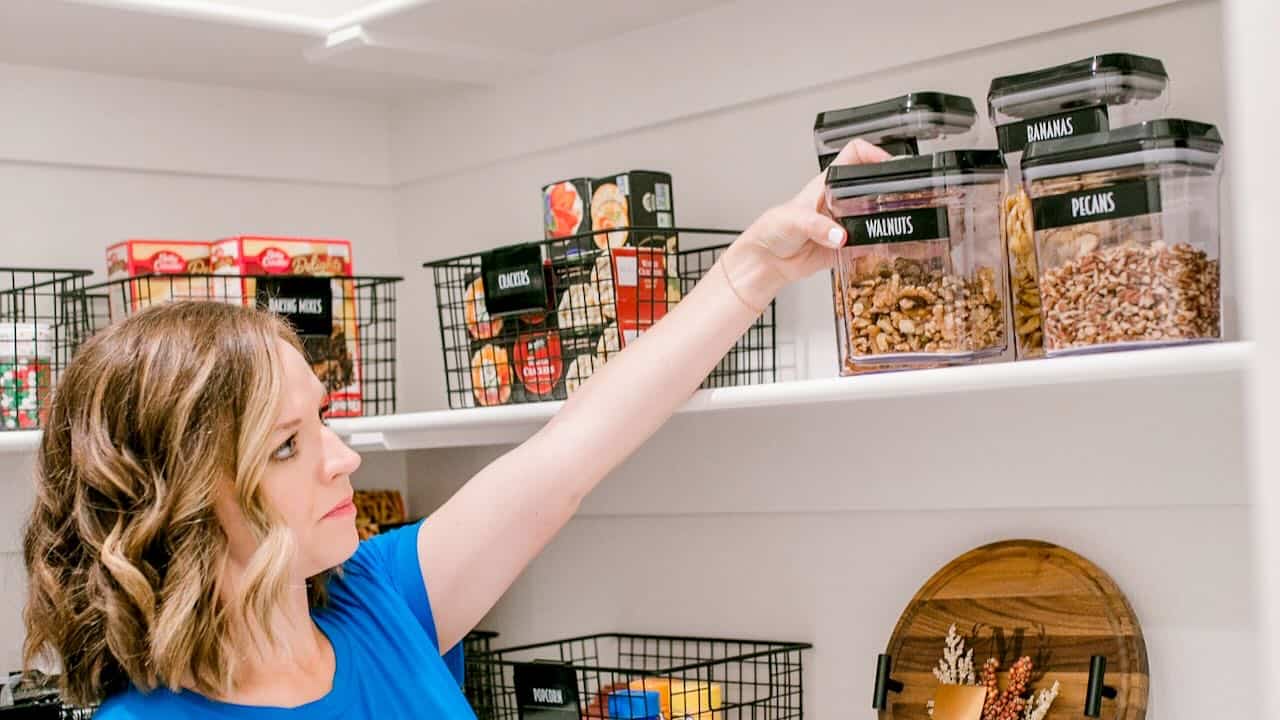
Your pantry knows what you’re having for dinner tonight — the question is whether you do. Many open those doors two or three times before deciding what to make, shuffling past expired cans and half-used bags of rice they forgot existed. The deeper the shelves, the more food disappears into the back like a forgotten savings account you never check.
We approach kitchen organization pantry systems from a hosting perspective: every shelf, bin, and label is designed so you can scan your inventory in seconds, plan a dinner menu on the spot, and walk into a gathering knowing exactly what you have and where it is.
At a Glance
- A zone-based pantry layout groups items by how you cook and host, not by food category alone.
- Clear containers and permanent labels reduce food waste by keeping dry goods visible and fresh.
- Wire shelving and shelf risers double your usable pantry space without renovation.
- A 15-minute monthly audit catches expiration dates before they become a problem.
- Pantry door storage and Lazy Susans turn dead corners into accessible holding areas.
- Professional organizers recommend grouping similar items together and storing everyday items at eye level.
What Is Kitchen Organization Pantry?
Kitchen organization pantry is the practice of structuring your pantry shelves, containers, and storage systems so that every item has a designated spot you can find without searching. For hosts, this goes beyond tidiness — a well-organized pantry means you can inventory what you have, identify what you need for a gathering, and build a grocery list in minutes instead of standing in the aisle guessing. Unlike general kitchen storage, pantry organization specifically addresses food rotation, expiration tracking, and the unique challenge of storing dry goods, canned items, and favorite snacks in a way that supports both daily cooking and entertaining at scale.
Why a Disorganized Pantry Costs You More Than Shelf Space
The average American household wastes roughly 30 to 40 percent of its food supply each year, and a significant portion of that waste starts in the pantry. Bags of lentils bought for a recipe you made once, three open boxes of pasta in different corners, spice jars so far past their prime they smell like sawdust — these aren’t just clutter. They’re money sitting on a shelf doing nothing.
For anyone who hosts regularly, a disorganized pantry creates a second, quieter problem. You can’t plan a dinner menu with confidence when you don’t know what you already have. In our experience hosting, we’ve found that a structured pantry cuts grocery list time roughly in half, because you can see your inventory at a glance rather than doing a full archaeological dig before every gathering.
The real friction isn’t the mess itself — it’s the decision fatigue that follows. When pantry items are scattered without logic, every meal becomes a puzzle. You overbuy staples you already own, skip recipes that need an ingredient buried behind the canned tomatoes, and default to the same three meals because they’re the only ones you can assemble without searching.
- Duplicate purchases add up fast: Without clear visibility into your dry goods and pantry shelves, it’s common to come home from the grocery store with a second jar of cumin or a third bag of flour. One professional organizer estimated that the average disorganized pantry holds $50 to $100 in redundant items at any given time.
- Expired food becomes invisible: Items pushed to the back of deep shelves pass their expiration dates unnoticed. The EPA reports that reducing household food waste is one of the most impactful steps families can take to lower their environmental footprint.
- Hosting prep takes twice as long: A scattered pantry turns a 10-minute ingredient check into a 30-minute inventory session, cutting into time you’d rather spend setting the table or welcoming guests.
A well-organized pantry gives you the clarity to host on short notice, reduce food waste, and actually cook with what you buy.
The hosting advantage goes beyond saving money. When you can open the pantry door and immediately see your storage space — what’s full, what’s running low, what needs restocking — you make faster, better decisions about what to serve. A complete dinner plan starts with knowing your inventory, not with scrolling recipes and hoping you have the ingredients — and our Plan the Meal guides build on this foundation. Dinner party appetizers become spontaneous possibilities when you know your entertaining shelf is stocked and visible.
|
Turn Your Pantry Into a Menu |
Zone Your Pantry Like a Hosting Pro
Most pantry advice tells you to group items by type — all cans together, all grains together, all snacks together. That works for a grocery store, not for a cook. A smarter approach borrows from how professional organizers set up commercial kitchens: organize by activity zone.
Think about how you actually move through a meal. You reach for olive oil, salt, and spices at the start of almost every recipe. You grab pasta, rice, or another base grain next. Sauces and finishing ingredients come last. When your kitchen pantry mirrors that sequence — with everyday items at eye level and specialty ingredients on higher or lower shelves — cooking feels less like a scavenger hunt and more like a choreographed routine.
Here’s a zone framework that works for both daily meals and hosting prep:
- Oils, vinegars, spices, salt, pepper, and everyday sauces belong at eye level — the cooking zone where your hand lands naturally. A Lazy Susan in this zone keeps smaller bottles from hiding behind each other.
- Pasta, rice, grains, dry goods, canned tomatoes, and broths form the base zone at waist-to-eye level. Grouping similar items here means you can scan your dinner options in seconds.
- Crackers, nuts, dried fruit, favorite snacks, and chocolate make up the snack and entertaining zone on an accessible shelf. Keeping these together means you can assemble a cheese board starter in under five minutes.
- Flours, sugars, baking powder, extracts, and specialty grains belong in the baking zone on upper or lower shelves, since they get used less frequently.
- Extra paper goods, bulk purchases, and backup cans go in the overflow zone at floor level or on deep shelves. Plastic bins on pantry shelves keep this zone from becoming a pile.
The butler’s pantry, if you’re lucky enough to have one, makes an ideal overflow zone — Homes & Gardens has documented how designers use these secondary spaces to store serving ware alongside bulk dry goods, keeping the main kitchen pantry streamlined for daily use.
Wire shelving in any zone adds flexibility. Unlike fixed wooden shelves, wire shelves allow air circulation that helps keep dry goods fresh and can be repositioned as your storage needs change.
Consider this Lazy Susan principle: a single turntable in a corner or deep shelf can convert dead space into one of the most accessible spots in your pantry. Pair it with the zone system, and delegation during hosting prep becomes simple — when a guest asks “How can I help?”, you point them to a specific shelf instead of describing a ten-step retrieval process.
Once your zones are set, the next step is choosing the right containers and labels to keep each zone visible and functional.
|
Set Your Entertaining Shelf at Arm’s Reach, Not Eye Level |
Containers, Labels, and Shelving That Actually Work
The container aisle at any home goods store can feel like a trap — rows of matching sets that look stunning on social media but don’t always fit real pantry shelves. Before buying anything, measure your shelf depth and height. Most households need far fewer containers than they think.
Clear containers are the foundation of a visible pantry. When you can see exactly how much rice, flour, or oatmeal remains without opening a lid, you stop guessing and start planning. OXO’s pantry makeover guides emphasize that shifting from opaque packaging to clear containers is the single change that most reduces food waste, because you notice when supplies run low before they run out entirely.
Not everything needs decanting, though. A professional organizer will tell you to focus your container investment on items you buy in bulk and use regularly — flour, sugar, rice, pasta, oats, cereal, and baking staples. Items you use once a month or less can stay in original packaging inside a labeled bin.
- Clear storage containers: Square or rectangular shapes maximize pantry space better than round jars. Look for airtight seals that keep dry goods fresh and pest-free. Stackable designs add vertical storage where shelf risers alone aren’t enough.
- Permanent labels vs. temporary labels: A permanent label on the container itself (not the lid) means you always know what goes where, even when the container is empty. Taste of Home’s coverage of labeling methods shows that hosts who use a label maker are more likely to maintain their system long-term, because the investment in a clean label creates a small psychological commitment to keeping it accurate.
- Shelf risers for deep pantry shelves: A single shelf riser doubles your visible surface area by creating a tiered display. Place taller items behind, shorter items on the riser shelf in front — this eliminates the “lost behind a tall bottle” problem.
- Pantry door storage: The inside of your pantry door is prime real estate that most people ignore. Over-the-door racks hold spice jars, smaller items like seasoning packets, or even small appliances accessories like extra blender cups. The Kitchn recommends door-mounted storage as the first upgrade for anyone running out of shelf space, and our Tools & Techniques guides cover more ways to maximize every inch of your kitchen.
Bin and basket systems handle the in-between items — snack bars, tea bags, sauce packets, small baking supplies — that don’t warrant their own container but vanish into chaos if left loose.
Simply Organized’s pantry guides demonstrate how grouping these smaller items into labeled bins turns a cluttered shelf into a set of pull-out drawers, each with a clear purpose.
Open shelving works well when paired with a consistent container system, because the visual uniformity of matching clear containers creates an at-a-glance inventory that closed cabinets can’t match. Your holiday dinner party planning becomes faster when your pantry doubles as a visual checklist.
The right containers and labels set you up — but keeping them accurate requires a simple maintenance habit that takes less time than you’d expect.
|
Turn Restocking Into a Shared List |
The 15-Minute Monthly Pantry Audit
A well-organized pantry doesn’t stay organized on its own. Without regular maintenance, even the best zone system slowly drifts back toward chaos — items get returned to the wrong shelf, expiration dates creep past, and that bulk bag of quinoa you opened three months ago quietly goes stale in the back corner.
The fix is a short, scheduled audit. Fifteen minutes once a month keeps your system intact and your food safe. The FDA’s food storage guidelines stress that proper rotation — moving older items forward and newer purchases to the back — is the simplest way to reduce the risk of consuming expired pantry items, especially dry goods that don’t show obvious signs of spoilage the way dairy or meat would.
Here’s a step-by-step audit you can run on any pantry:
- Pull everything off one zone at a time. Don’t empty the entire pantry — work shelf by shelf so you aren’t staring at your whole kitchen inventory spread across the counter.
- Check expiration dates on every item. Anything past its date goes into a discard pile. Items within 30 days of expiring move to the front of the shelf so they get used first.
- Wipe down the shelf. A damp cloth takes 20 seconds and prevents crumb buildup that attracts pests.
- Restock with labels facing forward. This small habit means you can read every item without picking it up, which matters when you’re scanning pantry shelves for dinner ingredients at 5 p.m.
- Update your grocery list. Any staple running low gets added immediately — not later, not from memory at the store.
Essential cookware every home cook needs gets its own dedicated storage spot, and the same principle applies to pantry staples. When every item has a home, the audit becomes a quick reset rather than a full reorganization.
The hosts who maintain their pantry systems are the ones who can open the pantry door on a Thursday evening, see exactly what’s available, and decide to invite friends over for Saturday dinner without a moment of panic. That’s the real return on 15 minutes a month — not just a tidy shelf, but the confidence to host spontaneously.
Modern hosting etiquette starts before guests arrive, and a pantry you trust is part of that preparation. When you know your dry goods are fresh, your spices are current, and your entertaining shelf is stocked, you spend your energy on the complete dinner plan itself rather than scrambling through shelves wondering what you actually have.
The pantry audit also changes how you shop. Instead of buying based on vague memory or impulse, you arrive at the grocery store with a targeted list built from actual gaps in your pantry space. That precision means fewer wasted trips, less food waste over time, and a pantry that reflects what you actually cook rather than what caught your eye in the store aisle three months ago.
Frequently Asked Questions
How do I organize my pantry on a budget?
Start with what you already own, repurposing glass jars, shoeboxes, and small baskets as bins before buying anything new. Spend on one set of clear containers for your most-used dry goods and a label maker, both under twenty dollars. Group items by zone on existing shelves, then add one shelf riser to double visible space.
What is the best way to organize pantry shelves?
The best approach is to organize by cooking zone rather than food type alone, with everyday items at eye level where you can see and reach them easily. Group oils and spices together, grains and pasta together, and snacks separately. Use shelf risers for tiered visibility on deep shelves, and store smaller items in labeled bins so they don’t scatter.
Should you decant everything in your pantry?
No. Focus decanting on staples you use weekly, such as flour, sugar, rice, pasta, oats, and cereal. Transfer these into clear containers with airtight seals for both visibility and freshness. Items you use infrequently can stay in original packaging inside a labeled bin. Over-decanting creates more cleanup work than it saves and ties up containers that could serve higher-use ingredients.
How do you organize a pantry with deep shelves?
Use pull-out bins or plastic bins that slide like drawers to reach items at the back without rummaging through deep shelves. Place taller items behind shorter ones, and add a Lazy Susan in corners where reaching is awkward. Label every bin on its front face, and reserve the back of deep shelves for bulk overflow rather than daily-use items.
What food should not be stored in the pantry?
Skip storing items that need refrigeration after opening, such as certain nut butters, delicate oils, and whole-grain flours that can turn rancid at room temperature. Bread stays fresher on the counter or in the freezer than sealed in a pantry, where trapped moisture speeds mold. Keep potatoes and onions apart. Stored together, they release gases that hasten spoilage in both.
How often should you clean out your pantry?
Do a full audit once a month, a 15-minute check that catches expiration dates, spills, and misplaced items before they pile up. Between audits, scan quickly each time you unload groceries, placing new purchases behind existing stock and pulling low items to the front. Twice a year, deep clean every shelf and replace any worn or stained shelf liners.
Continue Reading:
More On Kitchen Organization Hacks
- Cleaning Hacks for Kitchen That Save Time and Effort
- Kitchen Counter Organization Ideas for Easy Hosting
- Kitchen Organization Hacks That Keep Your Space in Order
More from The Gourmet Host
- Craving More Connection? Turn a Part of Your Home Into a ‘Third Place’ (Part Two)
- How to Season Food So Every Dish Tastes Like You Meant It
- Preparation: Build Anticipation to Deepen Guest Involvement
- Thanksgiving Appetizer Ideas to Serve Before the Feast
- 8 Egg Substitutes That Actually Work in Real Baking
Explore TGH Categories
- Set the Scene
- Drinks and Bar
- Plan the Meal
- Engage with Guests
- Games and Toasts
- Tools and Techniques
- Why We Gather