Italian Dinner Party Appetizers: Easy Antipasto Picks
 14 min read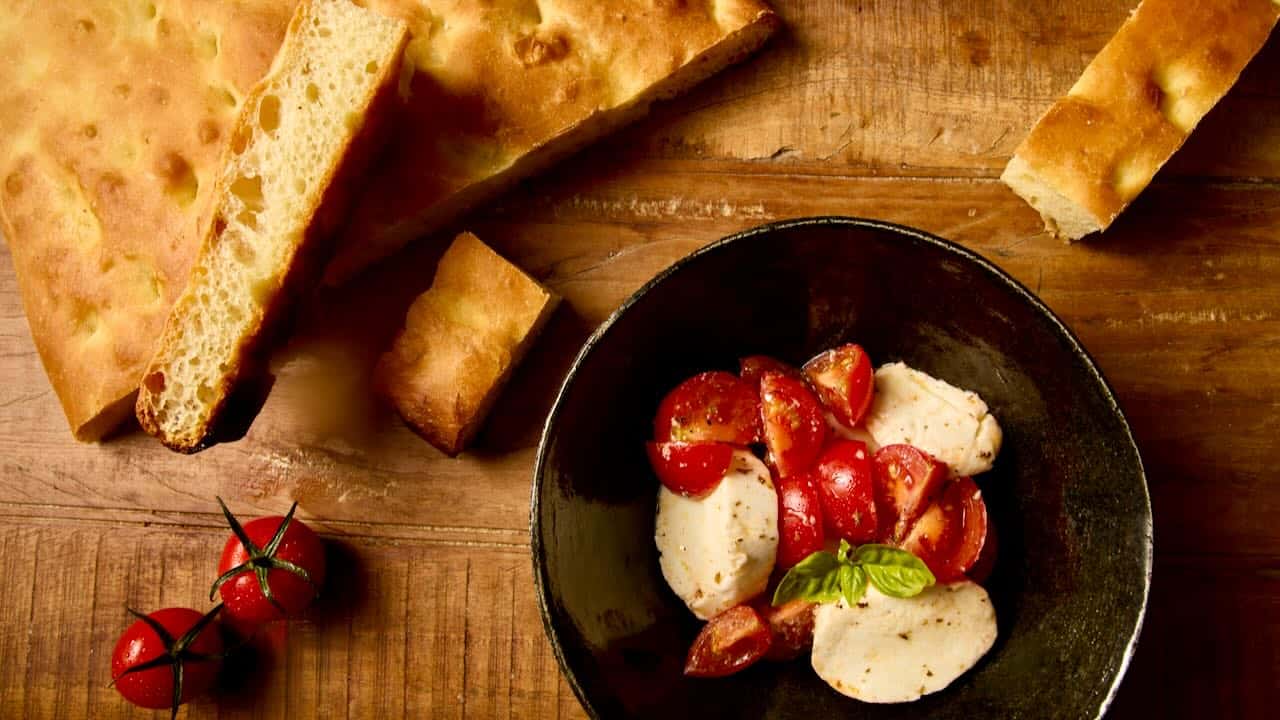
Half the appetizers on a typical Italian dinner party menu are not appetizers — they are antipasto, and the difference rewrites how the course gets plated, paced, and timed. Antipasto is a structured first course built on cured meats, marinated vegetables, and cheeses meant to be grazed across 30 minutes at the table. An appetizer is a single bite handed off in passing while guests stand.
A kitchen still warm at 8 p.m. when the pasta should already be plated is the giveaway that antipasto timing went sideways.
What follows is a count rule, a hot-cold sequencing trick, the antipasto vocabulary that runs the show in Italy, and a vegetarian-friendly make-ahead course you can finish with thirty minutes to spare.
At a Glance
- Italian appetizers are not a single category — antipasto is a seated grazing course; finger-food appetizers are passed bites. Choose one shape, not both.
- Plate three to five distinct items per six guests, not ten — Italian abundance is depth across a few elements, not surface area across many.
- Sequence the course cold to room-temperature to warm: the salumi board lands first, the marinated vegetables sit out, the warm bite (taralli, baked olives, fried zucchini blossoms) closes the act.
- Vegetarian Italian antipasto holds its own without apology: sottoli, sottaceti, fennel salad, and four cheeses cover a full course with zero meat.
- Make-ahead works for eighty percent of an Italian appetizer course — boards, marinated bites, and pinwheels can be built four hours before guests arrive.
What Are Italian Dinner Party Appetizers?
Italian dinner party appetizers are the small bites and antipasto course served before the primo (first pasta course) — designed to whet the appetite without dulling it. The Italian convention treats this as a structured first course (antipasto, literally “before the meal”) of cured meats, cheeses, marinated vegetables, and bread served at the table for 20 to 30 minutes, not as passed canapés before dinner.
For a home host, the working rule is: build a course meant to slow the meal down, not a stand-up cocktail-hour spread that competes with the pasta course coming next.
How Many Italian Appetizers Should You Plate for Six to Twelve Guests?
Three to five distinct items for six guests, four to six for ten, five to seven for twelve. The count is lower than American appetizer convention because Italian antipasto is a seated grazing course — guests reach across the table, return for seconds on the items they like, and leave the items they don’t. Wider spreads dilute the course; tighter spreads concentrate it.
Coley Cooks’s roundup of 36 Italian appetizers offers a generous catalogue, but a working host edits it down — five tested winners beat fifteen guesses. Plan the course around two cold items, one or two room-temperature items, and one warm bite, in that exact mix.
Per-guest portion math that actually holds up
- Salumi (prosciutto, Soppressata, mortadella): 1.5 ounces per guest combined across two or three varieties — generous without leaving piles uneaten.
- Cheese (fresh mozzarella, parmigiano, pecorino, taleggio): 2 ounces per guest combined across three to four varieties — fresh mozzarella drives the count up; aged cheeses go lighter.
- Marinated vegetables (Sottoli, Sottaceti, roasted red peppers, sun-dried tomatoes): 1 ounce per guest combined — the briny edge is the palate reset between richer bites.
- Crusty bread or Taralli: 2 to 3 pieces per guest — bread does the carrying work; without enough of it the cured meats dominate.
- One warm bite: 2 small pieces per guest — keep this single warm item to one variety; multiple warm items compete with the pasta course.
A Couple Cooks’s framework for Italian appetizers for any party arrives at similar ratios; for a 10-guest dinner party we typically plate two cured meats (mortadella plus a soppressata), three cheeses (fresh mozzarella, parmigiano, taleggio), one room-temp vegetable mix, and one warm finish — five anchors, not ten. The smaller spread lets each item read clearly instead of fighting for attention.
|
Keep the Menu Plan Together |
Antipasto vs. Appetizer — A Distinction That Changes the Course
Antipasto is the structured first course of an Italian meal, plural antipasti. It sits on the table; guests serve themselves; the course lasts 20 to 30 minutes and ends when the bread basket goes back to the sideboard and the primo arrives.
An appetizer in the American sense is a single bite passed during a stand-up cocktail hour or set out on a buffet for guests to graze before sitting.
The mistake home hosts make is treating the two as interchangeable — building a stand-up appetizer spread, then asking guests to sit for a four-course Italian dinner an hour later. By that point the appetite is gone and the pasta course feels like an obligation.
Cake ‘n Knife’s overview of easy authentic Italian appetizers makes the same observation: an antipasto is a course, not a curtain-raiser.
For a non-Italian dinner where you do want passed bites, our broader guide to dinner party appetizers and easy starters covers the curtain-raiser model — the Italian course is the deeper, slower variant.
The Italian antipasto vocabulary, decoded
- Salumi: umbrella term for cured meats — prosciutto crudo (raw-cured ham), prosciutto cotto (cooked ham), mortadella, Soppressata, Finocchiona (fennel-spiked salami), capocollo.
- Sottoli: vegetables preserved in olive oil — artichoke hearts, sun-dried tomatoes, marinated mushrooms. The word literally means “under oil.”
- Sottaceti: vegetables preserved in vinegar — pickled cipollini onions, giardiniera, peperoncini. “Under vinegar.” The bright acid resets the palate between richer bites.
- Taralli: small ring-shaped Pugliese crackers, often seasoned with fennel, pepper, or wine. The carb anchor that lets the course breathe between cured meats and cheeses.
- Formaggi: the cheese segment — fresh mozzarella, parmigiano-reggiano, pecorino romano, taleggio, gorgonzola. Plate three with different ages and textures.
Naming the items in their Italian terms shifts how guests experience the course — sottoli reads as “the marinated vegetables we put together” rather than “a generic relish tray.”
The Clever Meal’s collection of 50 Italian appetizers uses the Italian terms throughout, and the difference in how each item lands is unmistakable.
Pin a small chalkboard or place card next to each cluster so guests learn the vocabulary as they eat — or follow our guide to setting a dinner table like a pro for placement and labeling that signals a real course.
|
Hosting Tip: Sequence Antipasto by Temperature |
Sequence Hot, Cold, and Room-Temp Bites in the Right Order
Italian antipasto follows a temperature arc, not a flavor arc — and most home hosts skip it entirely. Cold lands first (the salumi board, fresh mozzarella, marinated vegetables), room-temperature bridges the middle (taralli, sliced fennel salad, olives), and one warm bite closes the course before the primo arrives. The arc keeps the course moving forward without the energy stalling on a single temperature.
Honey and Birch’s antipasto skewers walkthrough builds toward this same logic — the skewer is the room-temperature bridge between the colder board and the warmer kitchen finish. Plate the skewers between the salumi board and the warm finish; they hold for 45 minutes at room temperature without losing texture, longer than any other element on the course.
The cold-to-warm playbook for a 10-guest course
- Cold (minute 0): salumi board with three cured meats, fresh mozzarella, sliced parmigiano. Already plated when guests sit down. The board is the visual cue that the course has started.
- Cold (minute 5): Sottoli and Sottaceti in two small bowls — marinated artichokes and pickled cipollini are the bright counterpoints to the cured meats.
- Room temperature (minute 10): antipasti skewers (cherry tomato, fresh mozzarella, basil, salami), or a fennel-and-orange salad. The bridge between the cold board and the warm finish.
- Room temperature (minute 15): Taralli and crusty bread refilled. The carbs carry the course; running out of bread before the warm bite arrives is the most common pacing miss.
- Warm (minute 20): one warm bite — baked olives, fried zucchini blossoms, or warm goat cheese crostini. Plate it just before clearing the cold elements; the temperature shift signals the course is closing.
Platings + Pairings’s collection of easy Italian appetizers covers each element with home-host-friendly recipes, but the sequencing is the part most roundups miss. Time the warm bite to land 15 minutes before the pasta course; if your kitchen runs slow, simplify the warm finish to bread brushed with olive oil and garlic, run under the broiler for 90 seconds.
For more on building boards that pace themselves, see our guide to building party food platters for any gathering, which uses the same temperature-arc logic for non-Italian boards.
|
Share Every Prep Task Clearly |
Build a Vegetarian Antipasto Course Without Apologizing for It
An Italian antipasto course is one of the easiest in the Western canon to do entirely vegetarian — far more forgiving than a French or American spread. Drop the salumi, double the sottoli and sottaceti, add a fourth cheese, and bring in a fennel salad or a Caprese-style platter; the course reads as full and intentional, not as an apology for what’s missing.
The Italian preserved-vegetable tradition does the heavy lifting.
The Bella Vita’s 20+ authentic Italian appetizer recipes include a strong vegetarian cluster — caprese skewers, marinated mushrooms, olive tapenade crostini — that work without needing the salumi anchor. For a vegetarian dinner party of eight to ten, plate three cheeses (fresh mozzarella, taleggio, aged pecorino), two preserved-vegetable mixes (Sottoli artichokes, Sottaceti giardiniera), one fennel-and-orange salad, and one warm bite.
Five vegetarian Italian bites that hold their own
- Caprese skewers: fresh mozzarella balls, cherry tomatoes, fresh basil, drizzled with extra virgin olive oil and balsamic — the room-temperature bridge of the vegetarian course.
- Fennel and orange salad: shaved fennel, orange segments, olive oil, lemon juice, lemon zest, sea salt — the bright cold element that rebalances richer cheeses.
- Marinated artichoke hearts (Sottoli): from a jar or homemade with extra virgin olive oil, garlic, fresh herbs, red pepper flakes — small bites of saline richness.
- Bruschetta with juicy tomatoes and fresh basil: the room-temperature carb anchor; assemble within 30 minutes of serving so the bread doesn’t sog out.
- Warm goat cheese crostini: the warm finish — soft goat cheese on toasted crostini, broiled 90 seconds, drizzled with honey and cracked pepper.
Cooking with Mamma C’s 65+ Italian appetizer recipes include a deeper vegetarian section worth bookmarking. The reframe that helps most: a vegetarian antipasto isn’t about replacing meat with substitutes; it’s about leaning harder into the preserved-vegetable and cheese segments the Italian tradition was already built around.
For a non-cooking-required version that goes even further, our guide to easy cold appetizers that need zero cooking covers the same logic for any cuisine. The course doesn’t lose anything — it shifts emphasis.
Make-Ahead Italian Appetizers and the Antipasto Board Decision
Eighty percent of an Italian appetizer course can be built four hours ahead, and the remaining twenty percent is the warm bite plus the bread. The boards, the sottoli, the skewers, the marinated vegetables — all benefit from sitting at room temperature for 30 to 60 minutes before guests arrive, which means the prep window is generous and the day-of work is light.
The bigger question for any 10-guest dinner is whether to build one large antipasto board or a series of plated bites set around the table. The board is faster to assemble, photographs well, and lets guests serve themselves — but it concentrates the course in one spot.
Plated bites distribute the course across the table, which keeps conversation moving but adds 20 minutes to setup. For a 10-guest seated dinner party, plated bites win on flow; for a casual 12-guest gathering, the board wins on ease.
Make-ahead timing for a 6 p.m. arrival
- 2 p.m. (4 hours out): plate the salumi and cheese on the board or platters, cover with damp paper towel and plastic wrap, refrigerate. Prep the sottoli and sottaceti into serving bowls, cover, refrigerate.
- 4 p.m. (2 hours out): assemble antipasti skewers, cover, refrigerate. Slice the bread (don’t toast yet). Prep the warm bite to its raw oven-ready stage — uncooked, on a sheet pan.
- 5:30 p.m. (30 minutes out): pull the boards from the fridge to come to room temperature — fresh mozzarella and aged cheeses both eat better warmer. Toast or warm the bread. Set out the marinated vegetables.
- 5:55 p.m. (5 minutes before doorbell): preheat the oven for the warm bite. Pour yourself something cold. The course is ready.
- 6:20 p.m. (20 minutes after guests arrive): bake the warm bite for 8 to 12 minutes, plate, and bring it to the table — the temperature shift signals the course is closing and the primo is next.
One Crazy House’s roundup of tasty Italian appetizers for parties includes a few items that hold up to longer make-ahead windows (12 to 24 hours), and The Seasoned Mom’s Italian pinwheels recipe is one of the rare Italian-style starters that can be sliced and refrigerated overnight without losing texture — useful for a host who needs the day-of window completely clear.
For a deeper run-through of the make-ahead playbook beyond Italian-specific bites, see our guide to make-ahead appetizers for stress-free party hosting.
The antipasto course is the part of the meal that rewards advance work; spend the four hours before guests arrive on the primo and the secondo, and let the antipasto carry itself to the table.
Frequently Asked Questions
How many appetizers should you serve at an Italian dinner party?
Plan three to five distinct items for six guests, four to six for ten, and five to seven for twelve. Fewer than American appetizer convention because Italian antipasto is a seated grazing course, not a stand-up cocktail spread. Plate two cold items, one or two room-temperature, and one warm bite for the right rhythm.
What is the difference between antipasto and an Italian appetizer?
Antipasto is a structured first course of an Italian meal (cured meats, cheeses, marinated vegetables, bread) served at the table for 20 to 30 minutes before the pasta course. An Italian appetizer in the American sense is a passed bite or buffet item served stand-up before dinner. The two are not interchangeable; choose one shape per evening.
What are the easiest make-ahead Italian appetizers?
The salumi and cheese board, antipasti skewers, marinated artichokes (sottoli), pickled vegetables (sottaceti), bruschetta toppings, and Italian pinwheels all hold for four to twelve hours refrigerated. Assemble boards two to four hours before guests arrive; warm bites and final bread toasting are the only day-of tasks that can’t be moved earlier.
Should Italian appetizers be served hot or cold?
Both. The course follows a temperature arc. Cold elements (salumi, fresh mozzarella, sottoli) land first; room-temperature bridges (skewers, taralli, fennel salad) sit through the middle; one warm bite (baked olives, warm crostini, fried zucchini blossoms) closes the course before the pasta arrives. The temperature shift signals the course is ending.
What Italian appetizers work for a vegetarian dinner party?
Caprese skewers, fennel and orange salad, marinated artichoke hearts (sottoli), pickled vegetables (sottaceti), bruschetta with juicy tomatoes and fresh basil, warm goat cheese crostini, and a four-cheese plate (fresh mozzarella, taleggio, pecorino, gorgonzola). The Italian preserved-vegetable tradition does the heavy lifting; no salumi substitute is needed for the course to read complete.
Can you build an Italian appetizer board instead of plating individual starters?
Yes. A single antipasto board works well for casual gatherings of 10 to 12 guests; it’s faster to assemble, photographs well, and lets guests serve themselves. For seated dinner parties of 6 to 10, plated bites distributed around the table keep conversation moving better. Choose the board for ease, plated bites for flow.
Continue Reading:
More On the Italian Themed Dinner Party
- Italian Dinner Party Menu: A Complete Host’s Guide
- Italian Themed Dinner Party (Set the Scene)
- Italian Party Food Buffet (For a Crowd)
More from The Gourmet Host
- 30 Conversation Starter Card Game Prompts to Try
- Wedding Ceremony Script: Examples and Templates
- How to Build a Charcuterie Board: The Host’s 5-Step
- 9 Mexican Non-Alcoholic Drinks for Your Next Fiesta
- 12 French Dessert Recipes for Easy Entertaining
Explore TGH Categories
- Set the Scene
- Drinks and Bar
- Plan the Meal
- Engage with Guests
- Games and Toasts
- Tools and Techniques
- Why We Gather