Fall Table Centrepiece Ideas for Cozy Gatherings
 13 min read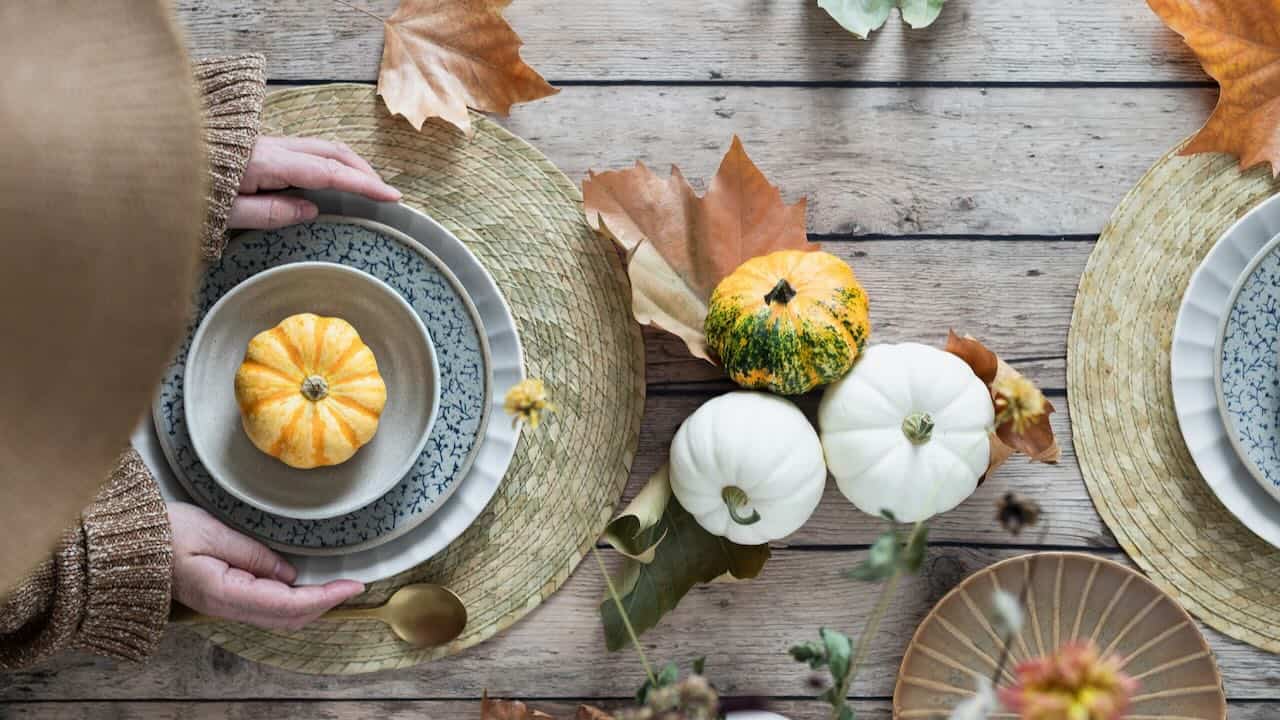
Fall is the season when dinner parties feel most natural—shorter days, richer foods, and a collective pull toward warmth and candlelight. Yet the centrepiece that anchors it all tends to follow the same tired script: a cluster of orange pumpkins flanked by a few scattered leaves. The result looks fine, but it rarely captures the layered, textured atmosphere that autumn actually offers.
The gap between a default fall table and one that genuinely sets a mood usually comes down to three decisions: color palette, texture balance, and knowing when to stop. A neutral-toned centrepiece built around dried grasses, weathered wood, and muted gourds creates an entirely different feeling than the saturated orange-and-red approach—without requiring any more effort or expense.
If you’ve been scrolling through fall tablescapes wondering why yours doesn’t feel as intentional, start here.
We’ve broken the process down into approachable steps that work whether you’re hosting a casual harvest dinner or a full Thanksgiving spread—from choosing natural elements to building a DIY fall centerpiece you can adapt all season long.
At a Glance
- Fall table centerpieces work best when built around a deliberate color palette rather than default autumn orange.
- Natural elements like dried grasses, mini pumpkins, and seasonal branches add texture without clutter.
- A layered centrepiece combines height (pillar candles, branches), mid-level (gourds, florals), and ground-level (moss, napkin rings) for visual depth.
- DIY fall centerpieces using mason jars, wooden crates, and votive candles cost less than store-bought arrangements and look more personal.
- The same base centrepiece can transition from early September through Thanksgiving with small seasonal swaps.
What Is a Fall Table Centrepiece?
A fall table centrepiece is the anchor arrangement on your dining table that signals the season has shifted—and that tonight’s gathering is worth lingering over. For hosts planning an autumn dinner party, the real challenge isn’t finding decor; it’s choosing a cohesive direction when every store and blog pushes a different version of “fall.” Unlike spring or summer arrangements that rely on fresh-cut blooms, a fall centrepiece draws its character from texture, warmth, and natural elements that hold up across weeks of entertaining.
Choosing a Fall Color Palette Beyond Orange
The most common fall decor mistake is defaulting to a single saturated palette—burnt orange, deep red, and bright yellow—without considering the room it lives in. A strong fall table centrepiece starts with a color palette that complements your dining room, not competes with it.
Neutral autumn tones—warm whites, taupe, sage, and muted gold—create a sophisticated base that works in virtually any space. Interior designers at Decorilla’s dining table styling resource note that grounding a table in two or three tones rather than five keeps the eye moving without overwhelming guests.
- Neutral palette: Cream pumpkins, dried wheat, unbleached linen runner, brass candleholders.
- Moody palette: Burgundy, plum, charcoal, dark green foliage, black taper candles.
- Warm classic: Rust, terracotta, amber, copper accents, cinnamon sticks.
If your dining experience leans casual, a runner scattered with mini pumpkins and votive candles in mixed metallics is enough. For a more formal dinner party, consider Anderson + Grant’s approach to neutral fall centrepieces, which layers white and green gourds over natural linen with minimal accessories.
The color palette you set here carries through your napkin rings, place cards, and even your place settings—so commit early and let everything flow from that decision.
|
Keep the Party Plan Together |
Natural Elements That Anchor a Fall Centrepiece
The textures you layer into a fall table centrepiece matter more than individual items. A single branch of dried eucalyptus draped beside a cluster of small pumpkins reads as intentional; a pile of gourds on a bare table reads as an afterthought.
Start with a structural base. Wooden crates, a low-profile dough bowl, or a simple linen runner give your arrangement a defined footprint. Shiplap and Shells’ approach to pumpkins and mums shows how a single wooden tray can unify five different elements into one cohesive centrepiece.
- Dried grasses and wheat: Add height without blocking sightlines across the dining table.
- Pinecones and acorns: Fill gaps between larger pieces and add a woodsy, tactile quality.
- Seasonal branches: Bittersweet, magnolia, or preserved oak leaves bring organic movement to a static arrangement.
- Mini pumpkins and gourds: Scatter in odd numbers around the base for a collected, not cluttered, look.
A floral arrangement isn’t required, but if you include one, keep stems short so they sit below eye level. Happy Happy Nester’s guide to dining table centrepieces emphasizes that fall florals—dahlias, chrysanthemums, ranunculus—work best when tucked into the arrangement rather than standing above it.
In our years of hosting fall dinner parties, we’ve found that the centrepieces guests comment on most aren’t the most elaborate—they’re the ones where every piece feels like it belongs together.
DIY Fall Centrepiece Ideas You Can Build in 30 Minutes
You don’t need a craft room or a trip to a specialty florist to build a beautiful centerpiece for fall. The best diy fall centerpiece projects use items you can source from a grocery store, a backyard walk, or a single trip to a home goods store.
Mason jar clusters: Fill three mason jars with dried wheat, a single stem of bittersweet, or a votive candle each. Group them on a small wooden board or a folded linen napkin. The beauty of mason jars is their versatility—they work for a kitchen table supper or a more formal dining room setup. Simple Stylings’ pumpkin vase tutorial adapts this same concept using a hollowed-out pumpkin as the vessel.
Wooden crate tray: A vintage crate or wooden box lined with burlap and filled with pillar candles, small pumpkins, and a handful of cinnamon sticks takes under fifteen minutes. This simple fall centerpiece doubles as a serving-adjacent piece—guests can reach past it for bread without feeling like they’re disrupting a display.
Candle garden: Arrange votive candles in varying heights across a low dish or tray. Tuck urn fillers, dried leaves, or seed pods between them. The flickering light at the center of the table creates the cozy vibe that fall dinner parties demand. For a time-saving variation, Tidbits & Twine’s five-minute pumpkin centrepiecestrips the concept down even further.
The best DIY approach is one you can refresh weekly with a single swap—trade the gourds for cranberries in November, or switch out votive candles for tapers as the holiday season approaches.
|
Hosting Tip: A Centrepiece Taller Than 14 Inches Blocks the Conversation |
How Do You Style Place Settings Around a Fall Centrepiece?
A centrepiece only works if the place settings around it feel like part of the same table, not an afterthought. The connection between your fall table centerpieces and the individual settings at each seat comes down to repeating one or two materials or colors.
If your centrepiece features dried grasses and cream pumpkins, carry that warmth to each setting with a linen napkin in the same tone and a simple napkin ring made from twine or a sprig of rosemary. A Hundred Affections’ elegant DIY fall centrepiece ideas demonstrate how even a single repeated detail across settings and centrepiece creates a cohesive look.
Place cards are another low-effort detail that guests notice. A hand-written name on a kraft card, a leaf with a guest’s name in metallic pen, or a mini pumpkin with a place card spike all reinforce the fall decor without requiring a calligrapher.
You can map your seating arrangement and track dietary preferences ahead of time in The Gourmet Host app so the table reflects both style and substance.
Keep the salad plate or charger visible—stacking too many layers hides the table runner and competes with the centrepiece for attention. One decorative layer per setting (a charger or a textured placemat, not both) gives each guest enough visual interest without crowding the fall tablescapes you’ve worked to build.
The most successful tablescapes maintain a consistent visual rhythm by alternating between “busy” (centrepiece zone) and “quiet” (individual place setting) zones across the table. This principle applies whether your console table holds a backup display or everything lives on the dining table itself.
The connection between your centrepiece and your settings is where a dinner party reaches the next level—it stops looking decorated and starts looking designed.
Transitioning Your Fall Centrepiece from September to Thanksgiving
The strongest fall table decor ideas aren’t built for a single weekend—they’re designed to evolve across the fall season. A centrepiece that works in early September should feel different by late November without requiring a full rebuild.
Start with a permanent base: your tray, runner, or crate. Add neutral staples (candles, dried grasses, a few white pumpkins) that stay constant. Then introduce seasonal layers that rotate:
- Early fall (September): Sunflowers, green apples, light-toned gourds. Fresh and transitional.
- Peak fall (October): Deeper hues—burgundy dahlias, amber candles, dark-skinned pumpkins. Moody and rich.
- Late fall (November): Cranberries, pomegranates, gilded pinecones, and harvest wheat. Holiday-adjacent without being explicitly Thanksgiving.
Taste of Home’s collection of DIY fall centrepieces includes several arrangements specifically designed with this swap-in philosophy. DigsDigs’ gallery of pumpkin centrepieces also shows how the same base arrangement can shift from minimal early-fall to abundant late-fall with just a few additions.
The key insight: your fall centerpiece should have a “constant” layer and a “rotating” layer. The constant layer gives the table continuity; the rotating layer keeps your dining experience fresh for guests who come back more than once during the season.
That same layered thinking also works for your seasonal dinner party themes—the decor, the menu, and the mood can all shift together without starting from scratch.
|
Share Every Hosting Task Clearly |
The One Detail That Ties a Fall Table Together
After the palette, the textures, and the place settings, the detail that makes or breaks a fall table centrepiece is repetition. Not identical repetition—rhythmic repetition. A color that appears in the centrepiece, echoes in the napkin rings, and surfaces once more in the place cards tells your guests’ eyes where to travel.
Interior designers call this “visual threading,” and it’s the difference between a table that looks assembled from a craft store haul and one that feels curated. Pick one through-line—a specific shade of amber, a repeated material like brass, or a recurring motif like wheat—and weave it through at least three touchpoints on the table.
A Pretty Fix’s fall pumpkin tabletop centrepiece applies this principle well: a single rust-and-cream palette carries across candles, gourds, and table linens without any single element dominating. eHomemart’s floral centrepiece guide extends the idea with seasonal floral pairings that mirror the surrounding fall decor.
If you’re planning a fall dinner party and want every detail—from the centrepiece to the menu to the table setting ideas—to land as a single cohesive experience, the planning features in our app can help you coordinate it all before a single candle is lit.
Start with one through-line, build outward from there, and let the season do the rest.
Frequently Asked Questions
How do you decorate a table for fall?
Start with a runner or low tray as a base, then layer natural elements (mini pumpkins, dried grasses, and candles) in a consistent color palette. Repeat one or two materials across your place settings to connect the centrepiece to the rest of the table for a cohesive fall look.
How do you make a fall pumpkin centrepiece?
Hollow out a medium pumpkin and set a glass jar inside to hold water and fresh flowers. Surround the pumpkin with small pumpkins, votive candles, and seasonal foliage on a wooden board or tray. The whole arrangement takes about twenty minutes.
What are good alternatives to pumpkins for fall decor?
Dried wheat bundles, pinecones, pomegranates, bittersweet branches, and cranberry bowls all create a fall atmosphere without a single pumpkin. Combine two or three of these with pillar candles on a wooden tray or linen runner for texture and warmth, and vary the heights so the arrangement doesn’t read as flat.
How do you make a fall centrepiece with natural elements?
Gather branches, acorns, dried leaves, and seed pods from your yard or a local park. Arrange them on a tray with candles and a few gourds for structure. Natural elements work best in odd-numbered groupings, with varying heights to create visual depth.
When should I start decorating my table for fall?
Early September is the right time to introduce the first fall touches, starting with muted gourds, warm-toned candles, and a seasonal table runner. Keep the arrangement light through September, then add richer elements like dark foliage, amber candles, and deeper colours as October and November arrive.
How do you transition fall decor into Thanksgiving?
Keep your base arrangement (tray, candles, and runner) and swap only the seasonal layers as Thanksgiving nears. Replace lighter gourds with deep-toned pumpkins, add cranberries or pomegranates, and introduce gilded accents like gold-painted pinecones and harvest wheat. The base stays constant while the rotating details carry the table into the holiday.
Continue Reading:
More On Party Decoration Ideas
- 7 Creative Table Setting Ideas For Your Next Dinner Party
- Centrepiece Ideas for Every Dining Room Table
- Dinner Decorations Ideas for Every Occasion
- Elegant Floral Arrangements for Your Dining Table
- Graduation Party Centrepiece Ideas to Celebrate
- Spring Table Decor Ideas That Feel Fresh
More from The Gourmet Host
- How to Host a Potluck: A Full Coordination Playbook
- 30 Deep Conversation Starters for Real Table Talk
- 10 Non-Alcoholic Holiday Drinks for Winter Parties
- Retirement Party Themes Worth Planning Around Now
- Christmas Party Games: Fun Ideas for Every Group
Explore TGH Categories
- Set the Scene
- Drinks and Bar
- Plan the Meal
- Engage with Guests
- Games and Toasts
- Tools and Techniques
- Why We Gather