Fun Wine Tasting Games to Play at Your Next Party
 13 min read
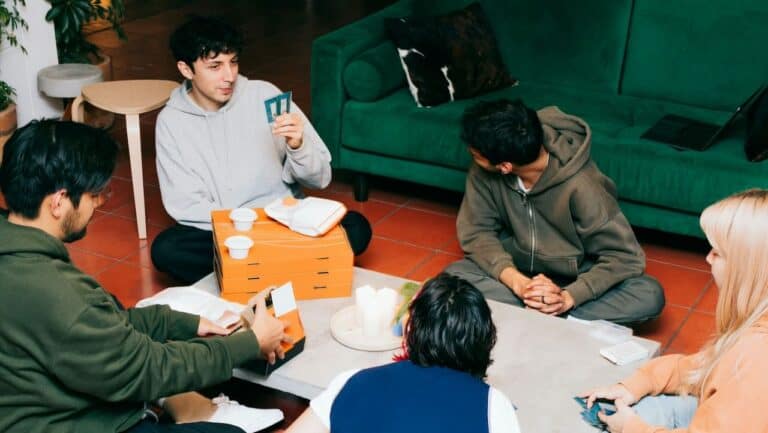
We hosted a blind tasting last fall — six mystery bottles in tin foil, scorecards on clipboards, and zero expectations that anyone would take it seriously. Within twenty minutes, a table of casual wine drinkers were debating whether bottle number three was a Grenache or a Tempranillo. Nobody had studied. The foil wrappers did all the work: they turned passive sipping into an interactive game where every guess felt high-stakes and every reveal got a reaction.
Below are the formats that worked best for us — blind challenges, bingo boards, price-point rounds, and creative twists that keep both newcomers and experienced tasters at the same table all evening.
At a Glance
- Wine tasting games turn any bottle of wine into interactive group entertainment that rewards curiosity over expertise.
- Blind wine tasting is the most popular format and works with as few as two bottles of wine and four guests.
- Scorecards, wine bingo boards, and tasting placemats give structure without making the evening feel like a classroom.
- Every game here scales from a small wine night with close friends to a large group wine-tasting party.
- You do not need to be a wine expert or master sommelier—the best part is discovering new wines together.
What Are Wine Tasting Games?
Wine tasting games are structured activities that turn the act of sampling different wines into a social challenge—guessing grape varieties, identifying wine regions, or scoring flavors against a friend’s palate. Unlike a standard pour-and-sip, wine-themed games add an element of mystery and friendly competition that keeps the table engaged from the first cup to the last glass.
Why Wine Tasting Games Belong at Your Next Party
Wine games solve the awkward middle stretch of a dinner party when conversation starts to stall and the cheese board is half-gone. A fun wine tasting game gives the room a shared focal point—a reason to lean in, taste carefully, and compare notes aloud.
The real magic is accessibility. You do not need a wine cellar or expensive tasting kits to get started. A handful of different wines, some paper for scorecards, and a willingness to guess wrong are all it takes.
According to Wine Enthusiast’s blind tasting party guide, covering labels and letting guests rely on smell and taste alone is a great way to level the playing field between wine lovers and complete beginners.
Here is why wine games consistently work at gatherings:
- They replace passive sipping with active participation: Guests stop scrolling and start debating whether that note is cherry or plum.
- They work for any group size: A wine night with four friends is just as fun as a wine-tasting party with a large group of twelve.
- They create stories worth retelling: The friend who confidently called a $12 red wines a premium Burgundy? That’s a great night everyone remembers.
We’ve found that the best wine tasting parties aren’t the ones with the fanciest bottles—they’re the ones where every guest has a stake in the outcome.
If you’re already thinking about which wines to pour, your next step is deciding which game format suits your crowd.
|
Keep the Drink Plan Together |
Blind Tasting Challenge Setup and Rules
Blind wine tasting is the gold standard of wine games, and it is simpler to run than most people expect. The core idea: wrap wine bottles in tin foil or brown paper bags, pour samples, and let guests guess the type of wine, wine region, or price point based on the taste of wine alone.
Start with five to seven bottles of wine spanning red wines, white wines, and—if you want a fun twist—a rosé or dessert wine that nobody sees coming.
Medly Wine Co.’s hosting guide recommends arranging the lineup from lightest to boldest so palates don’t get overwhelmed early. Label each mystery wine with a number and distribute scorecards that ask guests to note color, aroma, and their best guess at the wine varieties.
Follow these steps for a smooth blind wine-tasting game:
- Wrap and number your bottles: Use tin foil or bags so nobody peeks at labels. Set wine glasses at each seat with corresponding cups for water.
- Pour small tastes: Two ounces per wine is plenty. You want guests tasting six or seven different wines without overserving.
- Set a time limit per round: Give 90 seconds for tasting and writing, then ask the first person to share their guess before revealing the answer.
- Score and crown a winner: One point per correct guess. Bonus points for nailing the wine region or vintage year.
Blind tasting strips away price bias and forces drinkers to trust their own palate—a philosophy that turns your dinner party into a genuinely fun game. For additional tips on structuring tasting rounds with scorecards, a numbered placemat for each guest keeps the evening organized.
If your crowd includes wine enthusiasts who want more structure, consider pairing a blind tasting with themed rounds. That’s where regional quizzes and price-guessing games come in.
|
Hosting Tip: Keep Blind Tasting Pours Identical |
Name the Region and Guess the Price Games
If blind tasting is about identifying what’s in the glass, region and price games are about testing what your guests think they know about wine knowledge—and happily proving them wrong.
For a “Name the Region” round, pour four to six wines from different wine regions—a New Zealand Sauvignon Blanc, a Spanish Tempranillo, an Oregon Pinot Noir—and ask guests to match each pour to its country or region on a printed answer sheet.
Forks and Folly’s blind tasting guide suggests pairing this with a large wall map and sticky dots so guests physically pin their guesses, which gets people out of their seats and generates a good laugh when the answers are revealed.
Price-point guessing is even simpler and often produces the biggest reactions. Line up three to five bottles of wine ranging from a $10 everyday pour to a $50+ bottle and have guests rank them from least to most expensive based solely on the taste of wine.
In our experience hosting these rounds, the budget-friendly bottle wins the “best wine” vote more often than anyone expects—proof that good wine doesn’t need a steep price tag.
Quick variations to keep things interesting:
- Old World vs. New World: Pour a French Chardonnay next to a California Chardonnay and let guests decide which wine region produced each. Wine flavors vary dramatically between hemispheres.
- Red wines vs. white wines blindfolded: Serve wines at the same temperature in dark wine glasses so guests can’t see the color. You will be surprised how many people guess wrong.
- Favorite wines bracket: Set up a tournament-style bracket where favorite drinks compete head-to-head until one bottle stands as the crowd’s top pick.
If you want to pair your wine game with a meal designed around the wines you are pouring, our menu design tips that foster closer connections can help you build a dinner party where every course echoes what’s in the glass. Once your guests have debated regions and prices, a lighter activity like wine bingo lets the energy shift.
|
Share Every Prep Task Clearly |
Wine Bingo and Scorecard Ideas
Wine bingo swaps the usual numbers-and-letters grid for wine-specific tasting terms—think “oaky,” “citrus,” “tannic,” “berries,” and “buttery.” Every time a guest identifies one of those flavors during a tasting round, they mark the square. First to complete a row wins.
Taste of Home’s wine party game ideas offer a printable bingo card template that saves you the trouble of designing one from scratch.
You can customize wine bingo cards to match your wine theme for the evening. A New World tasting might include squares for “fruit-forward,” “jammy,” and “vanilla,” while an Old World grid leans on “earthy,” “mineral,” and “herbal.”
According to South House Designs’ wine party planning guide, adding fun facts about each wine variety to the back of the bingo card doubles as a learning tool that wine geeks and newcomers both appreciate.
Beyond bingo, tasting placemats with structured scoring keep the evening organized. Print a placemat for each guest listing wine numbers down the left column and scoring categories across the top: aroma, body, finish, and overall impression.
The Sommify blind tasting board game offers a polished, ready-to-play version if you prefer a commercially produced option. If you lean toward homemade, a simple spreadsheet printed onto cardstock does the job beautifully.
For hosts who want to skip the printing altogether, The Gourmet Host app lets you build a digital tasting menu and share it with party guests ahead of time—so scorecards live on their phones. Whether you go analog or digital, the key is giving each guest a framework that turns tasting into a next game they want to keep playing.
With structured scoring in place, the final question is how to make sure every guest—from the wine expert who subscribes to a wine club to the friend who only drinks rosé—feels like they belong at the table.
How to Make Wine Games Fun for Every Skill Level
The fastest way to kill a wine-tasting party is to make it feel like a test. Wine enthusiasts may love debating tannin structure, but the guest who just knows they prefer “something red” will disengage if the stakes feel too serious.
The solution is designing games where much fun comes from participation, not expertise.
The Cheeky Vino’s blind tasting guide recommends starting with a fun game everyone can play—like guessing whether a wine is under or over $15—before moving to rounds that require more wine knowledge. This lets beginners build confidence while wine connoisseurs stay challenged.
A sommelier’s guide like our beginner-friendly wine knowledge overview can also serve as a quick cheat sheet you print for guests who want a head start on tasting vocabulary.
Practical ways to keep every guest in the game:
- Pair wine lovers with beginners on teams: Team rounds balance expertise and create natural coaching moments where wine geeks share fun facts without lecturing.
- Use humor-based scoring: Award points for the funniest wrong answer alongside accuracy. A “best creative guess” category guarantees a lot of fun even for the least experienced taster.
- Offer a non-alcoholic track: Swap in sparkling grape juice or craft non-alcoholic wines for guests who prefer not to drink. Our guide to non-alcoholic drinks covers options that taste refined enough for a wine party.
- Keep rounds short: Four wines per round is the sweet spot. More than six and palate fatigue sets in, which drops the fun part fast.
Pick Me Up Game’s dinner party game roundup notes that the most successful game night formats blend competitive rounds with free-pour socializing in between.
Drink Playground’s party game suggestions echo this—structure matters, but breathing room between games matters more.
With years of hosting experience behind us, we have seen wine nights transform a quiet gathering into a great time that guests ask to repeat. The secret is not which wines you pour—it’s giving everyone a role in the fun way the evening unfolds.
If you’re ready to host your own blind tasting, a wine bingo night, or a guess-the-price showdown, plan your gathering with The Gourmet Host app and share the details with friends before the first cork pops.
Set up your creative table setting ideas for your next dinner party to match your wine theme, stock the pantry with essential ingredients for a well-stocked kitchen, and let the games begin.
Frequently Asked Questions
How many bottles of wine do I need for a wine tasting game?
Plan for five to seven bottles of wine for a group of six to ten guests. That gives each guest roughly two ounces per wine, which is enough to taste without overpouring. If your large group exceeds twelve, add two extra bottles so every round has enough for a full pour across all wine glasses.
Can I play wine tasting games without being a wine expert?
Absolutely. The best wine tasting games reward curiosity over credentials. Beginners often outperform wine lovers in blind rounds because they rely on instinct rather than overthinking. Choose games like price-point guessing or wine bingo that focus on fun rather than technical wine knowledge.
What is the best blind wine tasting format for beginners?
Start with a “red vs. white” blind round using dark wine glasses so guests cannot see the color. It sounds simple, but most first-time players guess wrong at least once, which immediately sets a playful tone for the rest of the wine night.
How do I keep wine games interesting for both experts and novices?
Mix easy rounds with harder ones. Open with a fun game like “over or under $15” that anyone can play, then follow with a region-guessing challenge for the wine geeks. Team formats let beginners and wine enthusiasts collaborate, which keeps the energy balanced and the competition friendly.
Do wine tasting games work at a dinner party or only standalone events?
Wine games fit naturally between courses at a dinner party. Run a quick blind tasting round between appetizers and the main course, or save wine bingo for dessert. Timing games around the meal gives the evening a rhythm and prevents the table from feeling like a classroom.
Which glassware does a blind tasting need?
One clean glass per wine per guest is ideal but rarely realistic. Two glasses each works if you rinse between pours with a splash of the next wine. Use identical stemware so shape gives nothing away, and cover bottles in foil rather than pouring out of sight.
Continue Reading:
More On Dinner Party Games for Adults
- Best Card Games for Your Next Dinner Party Night
- Best Cocktail Party Games for Fun Adult Nights
- Best Dinner Party Games for Adults to Play Next
- Best Fun Trivia Games for Adults at Your Next Party
- Easy Party Games for Adults That Need No Prep Time
- Fun Party Games for Adults to Play at Gatherings
More from The Gourmet Host
- Birthday Party Decorations for Adults: Themes That Work
- Birthday Party Ideas for Adults That Feel Worth the Effort
- The Ultimate Dinner Party Planning Checklist (Time-Stamped)
- Types of Salt and Which Dishes Each One Belongs On
- Feast for the Ears: The Perfect Soundtrack to Enhance Your Dinner Party
Explore TGH Categories
- Set the Scene
- Drinks and Bar
- Plan the Meal
- Engage with Guests
- Games and Toasts
- Tools and Techniques
- Why We Gather