The Dinner Party Menu: How to Plan a Meal Guests Remember
 15 min read
There’s a moment, just before your guests arrive, when the kitchen smells incredible and the table looks exactly right. That quiet pause is one of the best parts of hosting—and it starts with a well-planned dinner party menu.
The menu you choose shapes everything about your evening: how much time you spend with your guests versus the stove, whether conversation flows naturally between courses, and how relaxed everyone feels—including you.
A thoughtful menu isn’t about impressing anyone with complexity. It’s about creating the kind of meal where people linger at the table, reaching for one more dinner roll and sharing one more story.
In our experience hosting gatherings, we’ve found that the most successful dinner parties aren’t the ones with the fanciest recipes. They’re the ones where every dish works together, the timing feels effortless, and the host is present at the table—not stuck in the kitchen.
Below is a step-by-step approach to building a menu that impresses your guests and still lets you enjoy the night alongside them.
🗒️ At a Glance
- Start with your main course, then build appetizers, sides, and dessert around it to create a cohesive menu.
- Balance flavours and textures across every course—pair rich mains with bright, acidic sides and light starters.
- Plan at least two make-ahead dishes so you can spend the evening with guests rather than at the stove.
- Serve a mix of warm and room-temperature items to simplify timing and reduce last-minute kitchen stress.
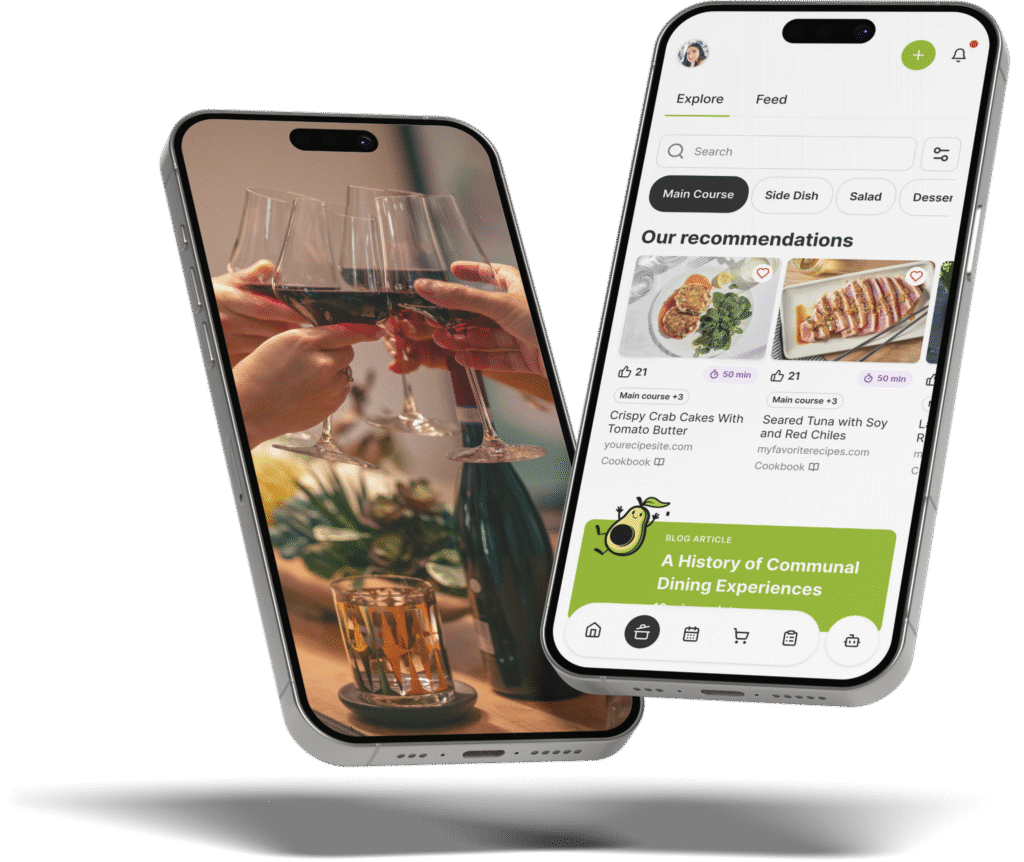
- Use a shared planning tool like The Gourmet Host app to organize your menu, grocery list, and timeline in one place.
What Is a Dinner Party Menu?
A dinner party menu is the structured plan of dishes served across a hosted meal, typically including appetizers, a main course, side dishes, and dessert. Unlike everyday cooking, a dinner party menu is designed with the guest experience in mind—considering dietary needs, flavour progression, visual presentation, and the host’s ability to manage timing. The best party menus balance ambition with practicality, resulting in a meal that feels generous and curated without overwhelming the person preparing it.
How to Build a Dinner Party Menu That Flows
The strongest dinner party menu starts with a single decision: your main course. Every other dish—from the appetizers to the side dishes—should complement that centrepiece, not compete with it.
This approach, which professional caterers call “anchoring the menu,” gives your entire evening a coherent identity and makes grocery shopping, prep scheduling, and plating dramatically simpler.
- Choose your anchor first: If your main dish is a slow-braised pot roast with garlic cloves and red wine, build around its richness. Pair it with something bright—a lemon-dressed salad with green beans—rather than another heavy, savoury plate.
- Think in contrasts: A great menu alternates between rich and light, warm and cool, creamy and crisp. If your main course is indulgent, offer a clean, refreshing appetizer. The Camille Styles guide to dinner party menus highlights this contrast principle as the foundation of balanced menu planning.
- Count your cooking methods: Avoid choosing three dishes that all need the oven at different temperatures. Spread your menu across stovetop, oven, and no-cook preparations so everything comes together without a bottleneck.
Planning your menu ideas with a focus on flavour contrast doesn’t just improve taste—it improves the rhythm of your evening. As The Culinary Collective explains, the best dinner party menus guide guests on a culinary journey, with each course building anticipation for the next.
Whether you’re hosting a casual dinner for six or an elegant evening for twelve, the principle holds: anchor, contrast, and simplify.
A 3-Course Dinner Party Menu Plan for Eight Guests
Planning a menu for a dinner party gets easier when you match the dishes to the number of guests, your budget, your prep window, and the equipment you can use at once. This matrix turns those limits into a workable menu shape before you choose individual recipes.
| Guest count | Budget | Make-ahead window | Equipment plan | Menu shape |
|---|---|---|---|---|
| 4 to 6 | Moderate | Up to 24 hours | One oven rack and one burner | Room-temperature starter, roast main with one tray of vegetables, simple baked dessert |
| 8 | Moderate | 24 hours | One oven, two burners, one roasting pan | Crostini, roast chicken with potatoes and green beans, lemon cake |
| 10 to 12 | Controlled | 24 to 48 hours | Slow cooker or two covered pots, plus one oven rack | Room-temperature starter, braised main, two sides, portioned dessert |
For the eight-guest plan, prepare 16 tomato crostini, 10 bone-in chicken thighs, 1.8 kilograms of baby potatoes, 900 grams of green beans, and one 23-centimetre lemon cake. The two extra chicken pieces give you a small buffer without adding another pan. Serve two crostini per guest, then place the chicken, potatoes, and beans on shared platters so guests can choose their portions.
Bake the cake, make the crostini topping, trim the beans, and season the chicken the day before. About 90 minutes before dinner, start the chicken and potatoes. Assemble the crostini after guests arrive, then cook the green beans while the chicken rests. This sequence keeps the oven at one temperature and leaves only one hot side for the final minutes.
If your oven, budget, or guest count changes, keep the course structure and change the cooking method first. A braise can replace the roast when you need more make-ahead time for the evening. A grain salad can replace the green beans when the stovetop is already occupied. You still get a complete three-course menu without asking several dishes to finish at the same moment.
|
📨 Get Weekly Hosting Inspiration |
Dinner Party Appetizers That Set the Tone
Your opening course is the first impression of the evening, and the right appetizer recipes can transform the mood before guests even sit down. The goal isn’t to fill anyone up—it’s to spark conversation, set the flavour direction, and give you a buffer of time while you finish the main course in the kitchen.
For a cocktail hour that feels inviting without requiring you to plate individual dishes, consider starting with a cheese board or baked brie alongside crostini and seasonal accompaniments. According to PureWow’s roundup of easy dinner party recipes, the most successful starters are the ones guests can graze on while mingling—which takes pressure off precise timing.
- Choose one “set and forget” item: A board of cured meats, artisan crackers, and fresh fruit requires zero last-minute attention and anchors the appetizer spread.
- Add one warm element: A baked brie with honey and walnuts, or bruschetta fresh from the oven, adds a sense of occasion that room-temperature items alone can’t match.
- Include a dip with substance: A roasted red pepper dip with sour cream and olive oil paired with warm flatbread gives guests something satisfying without spoiling appetites for the main dish.
For more structured starter ideas, Cozymeal’s collection of dinner party ideas offers dozens of easy appetizers organized by skill level and prep time. If you’re building a dinner party menu for the first time, their beginner-friendly options are a great starting point.
|
Build Your Menu From Tested Recipes |
Main Course Ideas for Every Style of Gathering
The main course is the centrepiece of your dinner party menu, and choosing the right one depends as much on your hosting style as it does on flavour. A slow-roasted chicken thighs dish tells your guests you’ve spent time preparing something special. A build-your-own taco bar signals a relaxed, convivial evening. Both are valid—what matters is that your entrée matches the energy of your gathering.
- For elegant sit-down dinners: Consider a centrepiece roast like beef tenderloin with roasted sweet potatoes and a red wine reduction or pan-seared salmon fillets with a lemon-herb butter. These dishes look impressive but require minimal active cooking once they’re in the oven. Food Network’s collection of dinner party mains includes several options that deliver high impact with low stress.
- For casual gatherings: A sheet pan dinner with chicken, roasted vegetables, and a drizzle of olive oil is a crowd-pleasing option that feeds a large group without requiring individual plating. Serve family-style on a large platter and let guests help themselves.
- For dietary flexibility: Build a menu with one versatile protein and one standout vegetarian option. Roast chicken alongside a hearty mushroom and lentil stew ensures every guest—including vegetarian friends—feels genuinely welcomed, not accommodated as an afterthought.
As Olive Magazine notes in their best-ever dinner party mains roundup, the ideal dinner party recipes are the ones you’ve made before. In our experience hosting, a well-practised recipe always outperforms an ambitious first attempt—because confidence in the kitchen translates directly to confidence at the table.
If you’re weighing multiple entrée options and want to see how they pair with the rest of your courses, try mapping your full menu in The Gourmet Host app—it helps you visualize the complete flow from appetizer through dessert and flag any timing conflicts before the evening begins.
|
🏡 Hosting Insight: The Temperature Rule |
Side Dishes and Finishing Touches That Complete the Table
Great side dishes round out the meal, add colour to the table, and give guests options that suit their tastes. The best approach is to offer two to three sides that vary in temperature, texture, and flavour profile so the plate feels complete without overwhelming anyone.
- One starchy anchor: Creamy mashed potatoes with garlic and butter, dinner rolls warm from the oven, or a sheet pan of roasted sweet potatoes with a maple glaze. This is the comforting, filling element that rounds out the protein.
- One vegetable showcase: Roasted green beans with almonds and lemon juice, or a bright seasonal salad with citrus vinaigrette. This adds freshness and visual contrast to richer dishes.
- One surprise element: A homemade cranberry chutney, a compound butter for the bread, or a drizzle of balsamic reduction. Small, unexpected touches show care and give guests something to talk about.
Taste of Home’s collection of affordable dinner party recipes is a reliable resource for budget friendly side dish ideas that look far more expensive than they are. Pair their roasted vegetable suggestions with a simple dinner main to create an elegant spread without breaking the bank.
Once you’ve selected your sides, use a tool like the TGH planning app to generate a consolidated grocery list. It’s one of the simplest ways to ensure you don’t forget the garlic cloves or that extra lemon you’ll need for two different dishes.
For hosts balancing a full menu with limited oven space, Insanely Good Recipes’ dinner party roundup offers several stovetop and no-cook side dishes that free up your oven entirely for the main dish. That flexibility can be a lifesaver when you’re preparing meals for large groups.
Make-Ahead Strategies for a Stress-Free Evening
The secret to enjoying your own dinner party is front-loading the work. Make ahead dishes aren’t shortcuts—they’re strategy. By preparing two to three components a day or two before the event, you transform the evening from a cooking marathon into a relaxed gathering where you’re present at the table, not tethered to the stove.
- Prep proteins in advance: Marinate chicken thighs overnight, or season and tie a roast the day before. Braised dishes like pot roast or short ribs actually improve after a night in the refrigerator as the flavours develop. Food52’s make-ahead dinner party guide highlights this approach as the foundation of stress-free entertaining.
- Build sauces and dressings early: Vinaigrettes, pan sauces, and compound butters all hold beautifully for 2–3 days in the fridge. Prepare them when your kitchen is clean and calm—not during the pre-dinner rush.
- Use your slow cooker strategically: A slow cooker can handle an entire main course or a rich side dish, freeing your oven and stovetop for everything else. Set it in the morning and focus your afternoon energy on the details that make a dinner party special: the table, the playlist, the welcome.
The Kitchn’s roundup of 60 make-ahead dinners is an excellent resource for easy recipes that hold well overnight. And for a deeper dive into timeline planning, our supporting guide to make ahead dinner party recipes walks through a full 48-hour prep schedule.
Whether you’re assembling a seasonal menu for a holiday celebration or planning a relaxed weekend casual dinner, having a shared plan makes all the difference. Tools like The Gourmet Host app let you collaborate with co-hosts, track dietary restrictions, and build a crowd pleaser menu that everyone can look forward to.
Frequently Asked Questions
How many courses should a dinner party menu include?
Three to four courses works best: a starter, a main with sides, and dessert. Add a palate cleanser or cheese course for formal occasions. Three courses usually hits the sweet spot, enough to feel special without stretching the evening too long. Adjust the count based on your guest list and hosting style.
What is the best main course for a dinner party?
The best main course is one you’ve cooked before and can prepare with confidence. Reliable options include roast chicken, beef tenderloin, pan-seared salmon, or a rich vegetarian lasagna. Cocina Republic’s chef-worthy dinner party recipes offers excellent choices scaled for home cooks. The key is choosing something that doesn’t require last-minute precision. Braised and roasted dishes are ideal for this reason.
How do I plan a dinner party menu on a budget?
Build the menu around budget-friendly proteins like chicken thighs, or make it a potluck where guests bring a course each. Buy seasonal produce, since it costs less and tastes better, and stick to two or three simple recipes instead of five complex ones. A cheese board mixing store-brand and one premium cheese still looks generous.
Can I make a dinner party menu entirely in advance?
Almost entirely, but not completely. Braised mains, most side dishes, dips, and desserts hold well when made 24 to 48 hours ahead. Save one fresh element, like a quick salad, warm dinner rolls, or a simple pan sauce, for the day itself so the meal still feels vibrant. Our make-ahead dinner party recipes guide covers the exact dishes and timelines.
How far in advance should I plan my dinner party menu?
Finalize your menu at least one week before the event, giving time to shop, test new recipes, and handle guests’ dietary needs. Start make-ahead prep two to three days out. On the day, focus on warming, assembling, and setting the table instead of deciding what to cook. A Well Seasoned Kitchen’s planning tips offer a timeline for any gathering.
Should any dishes never share a menu?
Avoid repeating a cooking method or a dominant ingredient across courses. Two creamy dishes, two braises, or cheese in three consecutive plates all flatten a menu. Vary temperature and texture between courses, and let one dish be plainly simple so the centrepiece has something to stand against.
Continue Reading:
More On Dinner Party Menus
- Complete Dinner: Plan a Full Meal Start to Finish
- Cook-Ahead Dinner Party Menu: Make It All in Advance
- Dinner Party Appetizers: Easy Starters Your Guests Will Love
- Food for Large Groups: Easy Meals That Feed a Crowd
- Main Course Ideas That Wow Dinner Party Guests
- Party Food Platters: Build Boards for Any Gathering
More from The Gourmet Host
- Anniversary Dinner Ideas to Cook at Home for Any Milestone
- Easy Meals for 20 People That Survive Real Ovens
- Winter Theme Party Ideas for Cozy Gatherings
- The Most Unique Dining Experience in Toronto: Home by Elva’s Secret Supper Club
- 15 Office Minute to Win It Games for Work Teams
- Housewarming Party Planning from Menu to Registry
Explore TGH Categories
- Set the Scene
- Drinks and Bar
- Plan the Meal
- Engage with Guests
- Games and Toasts
- Tools and Techniques
- Why We Gather