4 Advanced Methods & Techniques For Creative Home Cooking
 10 min read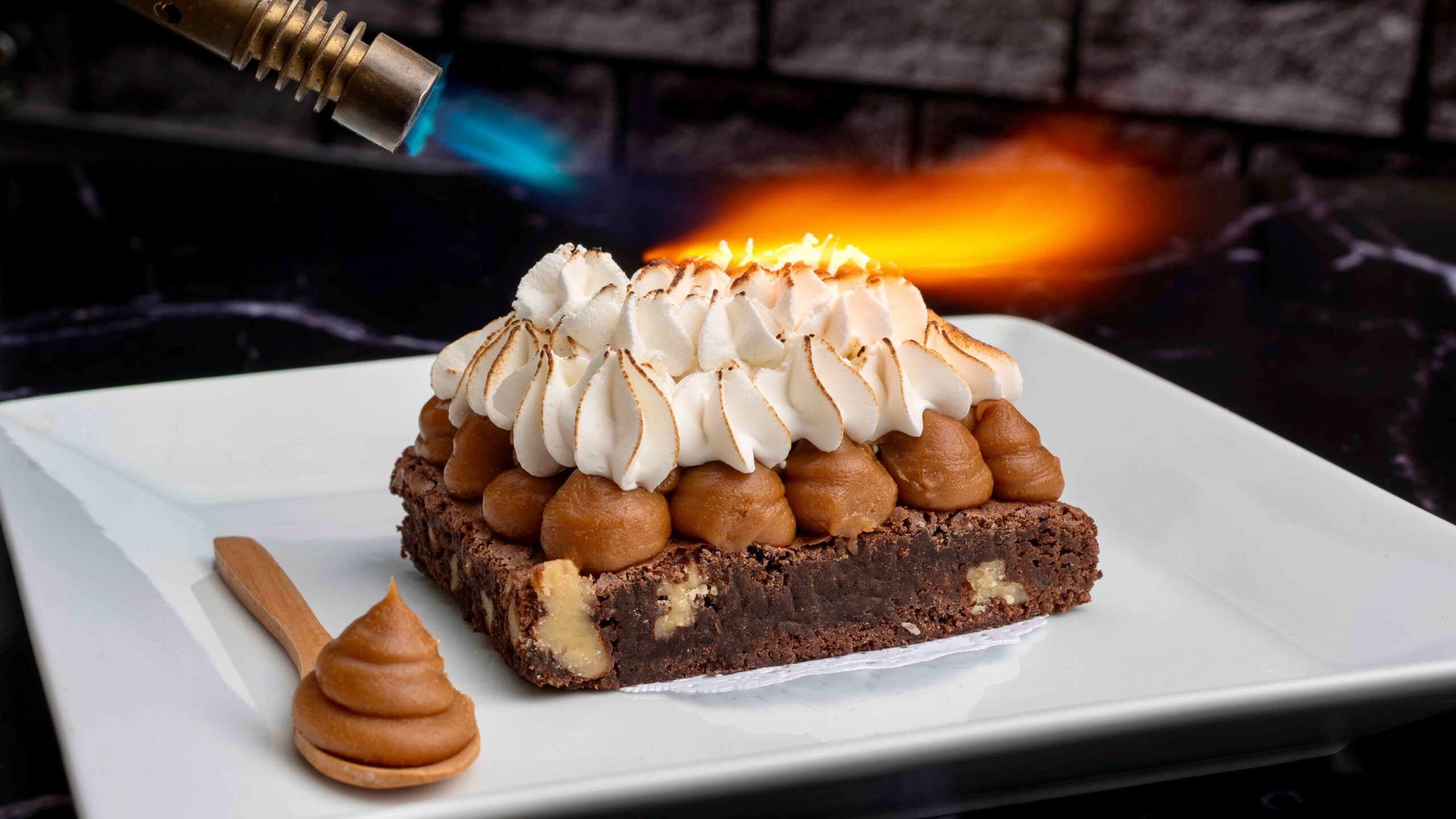
Every home cook eventually develops a hunger for more complex flavors.
Once you’ve mastered the perfect steak, chicken tacos, and TikTok pasta, you start thinking of your dinner parties as a canvas for exploring the art form of cooking.
If you’ve been spending the past few years mastering traditional cooking methods and techniques, it might be time to try something a bit more challenging.
We’ve compiled four of our favorite advanced methods for creative cooking to help you expand your culinary repertoire.
You’ll learn what each method is, how it works, and why professional chefs everywhere swear by it—who knows, maybe one day, you might, too!
After all, who said that you need to work in a kitchen to add some flair to your meals?
Sous Vide
What is sous vide cooking?
Sous vide is a water bath cooking method that uses lower temperatures over an extended cooking time to achieve precise, even cooking throughout.
Why seasoned chefs love it
Precise temperature control ensures perfect textures every time, making it a go-to choice for gourmet cuts of meat.
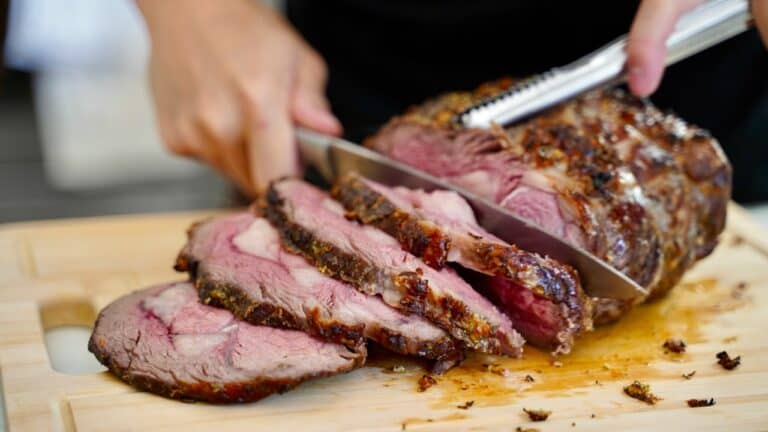
As we have learned, it’s also a great way to prep for dinner parties, helping you achieve a perfectly cooked steak that just needs to be finished on the grill when guests arrive.
Plus, it frees up heat sources, making it easier to manage valuable stovetop real estate when cooking for big groups.
Applications
One of the best ways to use sous vide in your cooking is to use it for bigger cuts of meat that you would finish on the grill or stovetop with a quick sear.
It’s also great for cooking root vegetables to perfection, such as beets, celeriac, etc.
Do I need specialized equipment?
This technique does require specialized equipment, such as a sous vide machine and a vacuum sealer.
However, many modern kitchen appliances, such as a combi steam oven, now have a sous vide function built in.
You can also use a freezer-safe ziplock bag in place of a vacuum sealer. Just make sure to remove all the air and avoid cooking with them for very long periods of time (12 hours+).
Flambé
What is flambé cooking?
Flambé is a French term that literally translates to “flame” and refers to the technique of using intense heat and alcohol to enhance flavor and presentation.
Why professional chefs love it
Well known in French cuisine, this advanced technique is best known for the culinary creativity and drama that it adds to any dish.
Applications
Some of the most well-known applications include:
- Steak Diane – an iconic French steak recipe that involves flambéeing a pan-seared filet mignon with brandy or cognac.
- Bananas Foster – a classic New Orleans dessert that involves flambéeing sugary, spiced bananas with rum and banana liqueur and serving them with vanilla ice cream.
- Crêpes Suzette – orange-infused crêpes that are typically flambéed with Grand Marnier or Cointreau (orange-based liqueurs) just before serving.
Do I need special equipment to flambée?
No, however, it’s important to use a safe heat source, such as a barbecue lighter or a match, to avoid singeing your hair—and make sure you keep a safe distance when you ignite.
Torch Finishing
What is torching?
Using concentrated high heat in the form of a torch for final touches. This is most commonly used for caramelizing desserts, searing sous vide proteins, or melting cheese on gratins.
Why skilled cooks love it
Torching is an efficient way to char with precision, which is extremely handy when finishing small dishes or portions of dishes, all without needing to fire up a grill or oven.
Applications
Some of our favorite uses for torching include créme brulées, lemon meringue pie, and torching garnishes for cocktails.
Torching a lemon peel or slice of pineapple is a great way to instantly give your signature cocktail a little bit more flair without much added effort. If you decide to try this, make sure you have a safe surface to torch on, like a small wooden tablet or a cutting board you don’t mind sacrificing.
Do I need special equipment to torch?
Yes, you will need to purchase a culinary torch. The good news is that they are small, relatively inexpensive, and easy to use.
Homemade Infusions
What are homemade infusions?
This advanced method makes cooking creative, fun, and super accessible! Homemade infusions are made by infusing oils, vinegars, and spirits with aromatic elements such as herbs, spices, and citrus.
Why chefs and mixologists love them
Infusions are a simple way to deepen your understanding of new cuisines and add an “invisible” layer of flavor to a dish. They’re easy to make, store, and scale for large groups. Plus, the possibilities are endless! You can make one infusion with several different flavors, or make individual infusions and experiment with mixing them in different dishes.
Applications
Some of our favorite applications include:
- Herb-infused olive oils – These can instantly add a layer of flavor and depth to any salad dressing, tomato sauce, or white sauce (like a garlic and thyme-infused olive oil for a gnocchi or risotto sauce!). An herb-infused green oil can act as a nice burst of color and flavor during plating.
- Infused spirits – Try infusing your bourbon with cacao for a chocolate-infused old-fashioned, or infusing your Campari with coffee for a twist on the classic aperitif. Get creative with it!
- Homemade cocktail syrups – Skip the $20 cocktail fee & wow your guests by making your own infused cocktail syrups. We went through a cocktail pairing and experimentation phase where we made a honey-ginger syrup for a Penicillin cocktail—our guests were thoroughly impressed!
Do I need special equipment to create homemade infusions?
Not necessarily. You can invest in some glass bottles and spouts to store your infusions elegantly, or simply store them in any airtight glass jar. As for ingredients, you don’t need to buy anything you wouldn’t find at your grocery store. Simple ingredients can yield interesting flavor combinations.
Time to turn these advanced culinary methods and techniques into creative cooking!
Being a good cook doesn’t mean splurging on a thousand-dollar appliances (unless you are ready for that!). Your recycled mason jars and wooden spoon are more than enough to start exploring.
Start expanding your culinary horizons by approaching your kitchen as a canvas. After all, the beauty of cooking is that we all have to do it to survive, anyway! So why not explore some new cooking techniques every week?
If you’re a novice cook who is reading this and feeling like you’ll never reach true mastery—we hear you. This can feel daunting at first. We recommend starting your culinary adventures with some basic cooking methods & techniques.
Invest in some solid cookware essentials, and choose one cookbook that inspires you.
When in doubt, remember that every meal you make at home is packed with financial and health benefits.
For more recipe inspiration, check out The Gourmet Host App, the only all-in-one dinner party planning ecosystem for everyone from beginner home cooks to master foodies.
Did we mention we have a library of hundreds of professionally-tested recipes to plan your dinners around? Download The Gourmet Host App today!
Frequently Asked Questions
What is sous vide cooking?
Sous vide is a water bath method that holds food at a precise, lower temperature for an extended time so it cooks evenly from edge to edge. It works well for thick cuts of meat and root vegetables like beets and celeriac. Most home cooks finish sous vide steaks with a quick sear on the grill or stovetop.
What equipment do you need for sous vide cooking at home?
You need a sous vide immersion circulator and a way to seal food, either a vacuum sealer or a freezer safe ziplock bag with the air pressed out. Some combi steam ovens now include a built in sous vide function, so you may already own what you need. Skip ziplock bags for cooks longer than 12 hours.
How does flambé cooking work?
Flambé works by igniting alcohol, usually brandy, rum, or an orange liqueur, over high heat to add flavor, aroma, and a dramatic tableside finish. Classic examples include Steak Diane, Bananas Foster, and Crepes Suzette. You do not need special equipment, just a long reach lighter or match and enough clearance to ignite safely.
What foods can you torch with a culinary torch?
A culinary torch works best on creme brulee, lemon meringue pie, melted cheese on gratins, and seared finishes on sous vide proteins. It is also a quick way to caramelize a lemon peel or pineapple slice for a cocktail garnish. Torch on a heatproof surface, like a wooden board, since the flame runs hot and fast.
How do you make homemade infused oil?
Homemade infused oil is made by steeping aromatics like herbs, spices, or citrus peel in olive oil until the flavor transfers, then straining and storing it in an airtight container. Garlic and thyme oil works well drizzled over gnocchi or risotto, while a bright herb oil adds color to a plated dish. No special equipment is needed.
Do you need special equipment to use a culinary torch?
Yes, torching requires a dedicated culinary torch, though the investment is small since these tools are compact, inexpensive, and simple to operate. A torch lets you caramelize creme brulee, sear the surface of sous vide proteins, or melt cheese on a gratin without turning on the broiler. Use a heatproof surface you do not mind marking up.
Continue Reading:
More On Cooking Techniques
- Cold Smoking vs Hot Smoking: Which Technique Is Right for You?
- Different Methods & Techniques For Cooking Like a Chef
- How to Flambé at Home: A Host’s Guide to Safe Flames
- How to Make Homemade Pasta: A Hands-On Hosting Skill
- How to Sous Vide: The Stress-Free Technique Every Host Needs
- The Best Hot Sauce Making Kits for a DIY Dinner Party Activity
- The Complete Cooking Techniques List for Confident Home Hosts
More from The Gourmet Host
- Epicurean Evenings: Three Innovative Fusion Menus that Will Impress
- Basic Wine Knowledge for Beginners: Guidelines from a Sommelier
- Garden Tea Party Themes: 9 Ideas to Set the Mood
- Outdoor Table Setting Ideas for Every Style
- Indian Dining Etiquette: A Complete Host’s Guide
Explore TGH Categories
- Set the Scene
- Drinks and Bar
- Plan the Meal
- Engage with Guests
- Games and Toasts
- Tools and Techniques
- Why We Gather