Cook-Ahead Dinner Party Menu: Make It All in Advance
 11 min read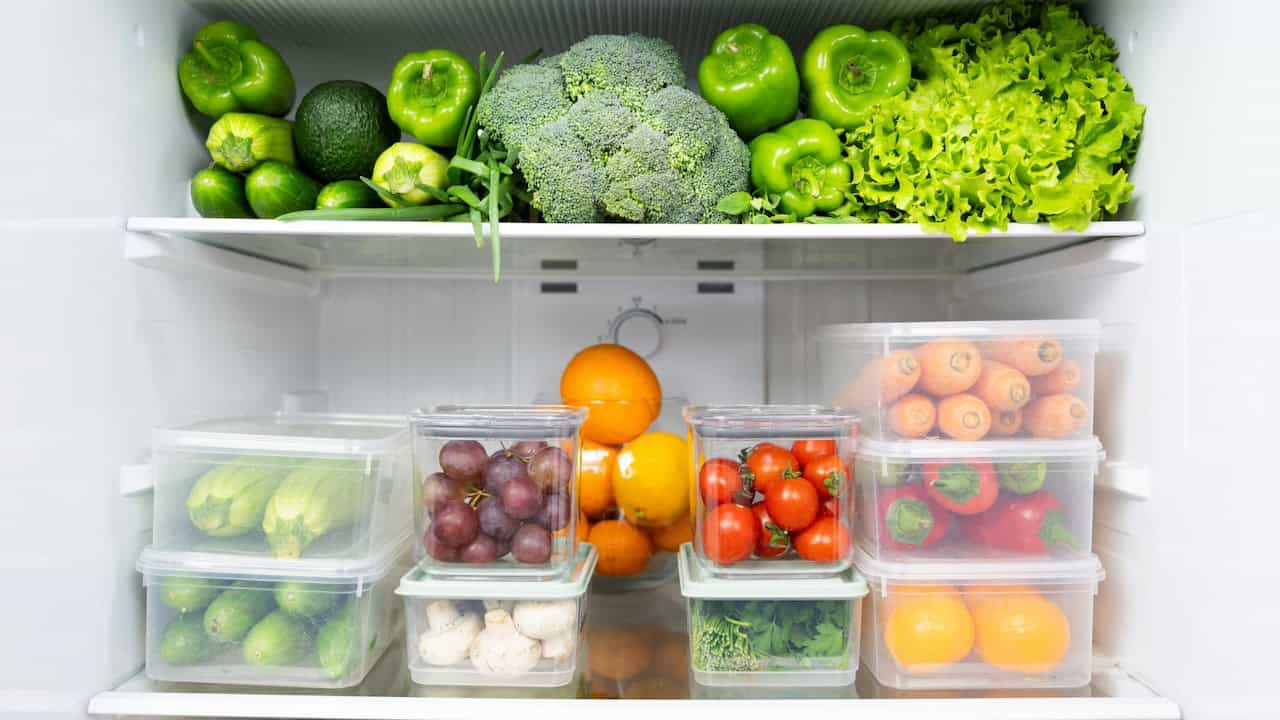
The best dinner parties feel effortless—and the secret almost always starts days before guests arrive. When you prepare key dishes in advance, you trade last-minute kitchen chaos for the kind of relaxed confidence that makes everyone feel welcome.
A cook-ahead dinner party menu gives you something more valuable than convenience. They give you presence. Instead of hovering over the stove while your guests gather in the next room, you’re pouring wine, sharing stories, and savouring the evening you’ve curated.
That shift from cook to host is what transforms a meal into a gathering worth remembering.
Whether you’re planning an intimate weeknight supper or feeding a large group for a celebration, the recipes and strategies below will help you build a dinner party menu that’s as enjoyable to prepare as it is to share.
🗒️ At a Glance
- Prep confidence: Make ahead recipes let you complete 80–90% of cooking one to three days before your dinner party.
- Course coverage: Appetizers, mains, sides, and desserts all benefit from advance preparation—many actually taste better after resting.
- Timeline strategy: A structured prep timeline starting three days out keeps you organised without feeling rushed.
- Storage essentials: Proper cooling, airtight containers, and smart reheating preserve flavour and texture.
- Hosting payoff: The real value of make ahead cooking is spending the evening with guests rather than behind the stove.
What Is a Cook-Ahead Dinner Party Menu?
A cook-ahead dinner party menu is a collection of dishes designed to be partially or fully prepared in advance—typically one to three days before serving—then finished with minimal effort on the night of your gathering. These recipes rely on techniques like braising, marinating, assembling, and slow cooking that actually improve with time, allowing flavours to deepen and meld overnight in the refrigerator. The goal is to shift the bulk of your kitchen work away from the evening itself, so you can focus on the experience of hosting.
Why Make Ahead Recipes Transform Your Hosting
The difference between a frantic host and a relaxed one usually comes down to timing.
When your main course is already braised and resting in the refrigerator, and your side dishes just need a quick reheat, the entire energy of the evening shifts.
You answer the door with a drink in hand instead of an oven mitt.
As Food52 notes in their guide to laid-back dinner party menus, the most successful hosts build their entire menu around dishes that do the heavy lifting in advance. This approach works for intimate gatherings of four and meals for large groups alike.
- Flavour development: Braises, stews, and marinated proteins taste noticeably richer after 24–48 hours. A slow cooker chilli or braised chicken thighs with garlic cloves and olive oil practically improves itself overnight.
- Reduced day-of stress: With prep complete, your only tasks are reheating, plating, and finishing touches like a squeeze of lemon juice or a dollop of sour cream.
- Better hosting presence: In our experience hosting hundreds of gatherings, the evenings guests remember most are the ones where the host was actually present at the table—not apologising from the kitchen.
Food Network’s collection of make-ahead dinner party recipes highlights how even professional chefs rely on advance preparation for entertaining. The principle applies whether you’re serving a casual weeknight spread or a multi-course celebration.
|
🍽️ Hosting Insight: The Two-Third Rule |
Best Cook-Ahead Dinner Party Menu Ideas by Course
Building a prep-ahead dinner party menu means choosing the right dish for each course—recipes that hold well, reheat gracefully, and still impress at the table. Here are the categories that work best for dinner party appetizers through dessert.
- Appetizers and starters. Whipped ricotta dip with roasted garlic cloves and olive oil can be assembled two days ahead and stored in the refrigerator. The Cafe Sucre Farine’s make-ahead guide features several elegant starters that only improve after resting. Baked brie wrapped in puff pastry freezes beautifully and bakes from frozen in 25 minutes.
- Main courses. Braised chicken thighs in a rich tomato sauce, slow cooker beef bourguignon, and marinated lamb with lemon juice and fresh herbs all benefit from overnight resting. The Kitchn’s roundup of 60 make-ahead dinners is an excellent resource for finding a main that matches your gathering’s style—from casual to refined.
- Side dishes. Roasted sweet potatoes with a maple glaze, green beans almondine, and creamy gratins all reheat well. Sheet pan roasted vegetables tossed in olive oil and seasoned with garlic can be prepped and stored, then finished under the broiler for five minutes before serving.
- Desserts. Panna cotta, tiramisu, chocolate pots de crème, and bread pudding all require advance preparation by design. These aren’t just make-ahead friendly—they’re make-ahead essential.
|
Assemble Your Cook Ahead Menu |
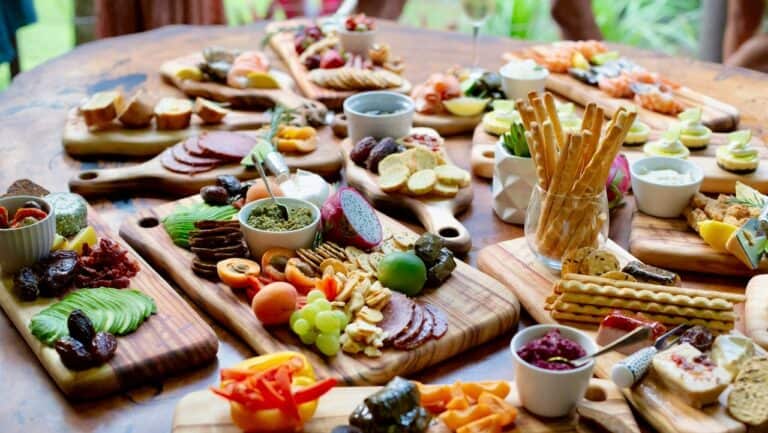
For hosts building a party platter or grazing board as part of the spread, most components—cured meats, marinated olives, roasted nuts, and pickled vegetables—can be prepped days ahead and arranged just before guests arrive.
How to Build a Cook-Ahead Dinner Party Timeline
A structured prep timeline is the difference between feeling organised and feeling overwhelmed. Wise Bread’s guide to make-ahead dinner party dishes recommends working backward from your dinner time and spacing your prep across three days. Here’s a framework that works for most menus.
- Three days before: Make sauces, dressings, and marinades. Brine or season proteins. Prep any freezer-friendly items like pastry dough or cookie batter.
- Two days before: Braise your main course. Assemble casseroles and gratins (refrigerate unbaked). Make desserts that need time to set.
- One day before: Prep all vegetables—wash green beans, dice sweet potatoes, mince garlic cloves. Make any chilled appetizers. Set your table and gather serving dishes.
- Day of: Reheat your main in a low oven or Dutch oven. Finish one fresh side dish. Arrange your party platters. Dress salads just before serving.
This timeline works whether you’re hosting six or twenty. For a larger crowd, Camille Styles’ approach to inexpensive group meals suggests scaling your make ahead recipes proportionally and doubling the braise or slow cooker component, which scales effortlessly.
Many hosts tell us the planning stage is where things fall apart—not the cooking. That’s why tools like The Gourmet Host app include built-in prep timelines that break your menu into manageable daily tasks, so you always know what to tackle next.
Storage and Reheating Tips for Make Ahead Meals
Even the most flavourful make ahead meals can disappoint if stored or reheated carelessly. Food52’s community discussion on make-ahead hosting surfaces wisdom from experienced home cooks on preserving quality from prep to plate.
- Cool completely before storing: Transfer dishes to shallow containers so they cool quickly and evenly. Warm food placed directly in the refrigerator can raise the internal temperature and affect other items.
- Use airtight containers: Glass storage containers with tight lids prevent flavour transfer and keep food fresh. For braised dishes with olive oil and sour cream, press plastic wrap directly onto the surface before sealing.
- Label everything: Note the dish name and the date prepared. When you’re juggling a multi-course dinner party menu, knowing exactly what needs attention saves precious time.
For reheating, PureWow’s guide to easy dinner party recipes recommends low and slow methods over high heat. A braise reheated at 325°F covered in foil will taste nearly identical to fresh, while microwaving often dries out proteins and unevenly heats sauces.
It’s also worth thinking about which dishes freeze well versus those that should stay refrigerated.
Food52’s Ottolenghi-inspired entertaining guide offers a helpful framework: if a dish relies on fresh herbs, crisp textures, or delicate dairy like sour cream, keep it refrigerated and finish day-of. If it’s a braise, soup, or baked casserole, freezing is perfectly safe and often preferable for longer lead times.
Whether you’re building main course ideas from scratch or adapting family favourites, planning your make ahead strategy with The Gourmet Host ensures nothing gets forgotten in the joyful rush of preparation.
Frequently Asked Questions
What dinner party recipes work best when made ahead?
Braises, stews, curries, baked pastas, and slow cooker dishes all taste better after resting. Pot roast, lasagna, and carnitas are among the most reliable make-ahead dinners. For lighter options, healthy salads with hearty grains and roasted vegetables hold well overnight.
Can I make mashed potatoes a day in advance?
Yes, mashed potatoes hold well for one day in the refrigerator. Cook them as usual, then cool completely, cover tightly, and chill. To reheat, warm over low heat in a saucepan with a splash of cream or milk and a pat of butter, stirring often until smooth and hot throughout.
What is the easiest make ahead main course for a dinner party?
Braised chicken thighs with garlic cloves, olive oil, and lemon juice rank among the easiest and most forgiving make ahead mains. They can be prepared in a Dutch oven or slow cooker, refrigerated for two days, and reheated in 30 minutes. The dish is crowd-friendly, accommodates most dietary preferences, and pairs well with nearly any side.
What’s the best make-ahead dessert for a dinner party?
Panna cotta, tiramisu, and fruit tarts top the list, since each sets in the refrigerator and tastes better after two days chilling. Chocolate mousse is another reliable choice and takes far less hands-on time than it looks. Serve straight from the fridge, and add fresh garnishes like berries or mint just before plating.
How do you keep make ahead food from drying out?
Store dishes in airtight containers with minimal headspace. For proteins and braises, keep them submerged in their cooking liquid. Reheat at a low temperature (300 to 325°F) covered with foil to trap moisture. A splash of broth or a drizzle of olive oil before reheating restores moisture without diluting flavour.
Can you make a complete dinner party menu ahead of time?
Absolutely. By choosing recipes designed for advance preparation across every course (appetizers, mains, sides, and desserts) you can have 80 to 90% of your dinner party menu ready before the day itself. Reserve one simple fresh element, like a dressed salad or warm bread, to keep the experience of cooking alive on the night of your gathering.
Continue Reading:
More On Dinner Party Menu
- Complete Dinner: Plan a Full Meal Start to Finish
- Dinner Party Appetizers: Easy Starters Your Guests Will Love
- Food for Large Groups: Easy Meals That Feed a Crowd
- Main Course Ideas That Wow Dinner Party Guests
- Party Food Platters: Build Boards for Any Gathering
- The Dinner Party Menu: How to Plan a Meal Guests Remember
More from The Gourmet Host
- Dinner Party Themes for Every Style: Casual, Cultural, Seasonal, and Creative Ideas
- 10 Potluck Ideas for a Crowd That Make Hosting Effortless
- Easy Food Garnishing Techniques for Stunning Art
- Potluck Dinner Party Themes That Your Guests Love
- Types of Miso and How to Use White vs Red Paste
Explore TGH Categories
- Set the Scene
- Drinks and Bar
- Plan the Meal
- Engage with Guests
- Games and Toasts
- Tools and Techniques
- Why We Gather